
REVIEW · COOKING CLASSES
Traditional Kenyan Cooking Class & Local Market Tour
Market life and street food, not a museum tour. This Traditional Kenyan Cooking Class and Local Market Tour takes you through a farmers market and a real matatu public transport ride, then finishes with hands-on cooking at the host’s home. Two things I really love: you shop for your meal first, and you learn the why behind the flavors, not just the steps.
The main consideration is that the matatu portion is genuine public transport. It can feel loud, busy, and fast at first, so you’ll want a calm mindset and trust the guide for where to stand and when to move.
You’ll meet at Westlands Square in Parklands, Nairobi, in a small group (maximum 15). You’ll get grocery shopping included in the $50 price, then you can carry the food you prepare afterward. Vegetarian and other dietary options are possible if you request them in advance, and the cooking location has lifts and is wheelchair accessible.
In This Review
- Key highlights you should care about
- Westlands Square meetup and a tight 3.5-hour plan
- The farmers market stop: buying flavor, not ingredients
- Matatu ride: learning Nairobi’s public transport rhythm
- Cooking at the host’s home: making a Kenyan meal from scratch
- Eating together: the value of chitchat and practical tips
- Price and value: what $50 gets you in Nairobi
- Who this tour suits best (and who might bounce)
- Tips to make the experience feel smooth
- Should you book this Kenyan cooking class and market tour?
- FAQ
- What does the tour cost and how long is it?
- Where does the tour start and end?
- Is grocery shopping included in the price?
- Do I have to go to the farmers market?
- What is the public transport experience like?
- Are vegetarian, pescatarian, or gluten-free options available?
- Can I take the food home?
- What happens if weather is bad or the tour is canceled?
- Is it accessible for wheelchair users?
Key highlights you should care about
- Market shopping that shapes the menu so you can taste what locals actually buy.
- Matatu culture up close through a guided ride, not just a photo stop.
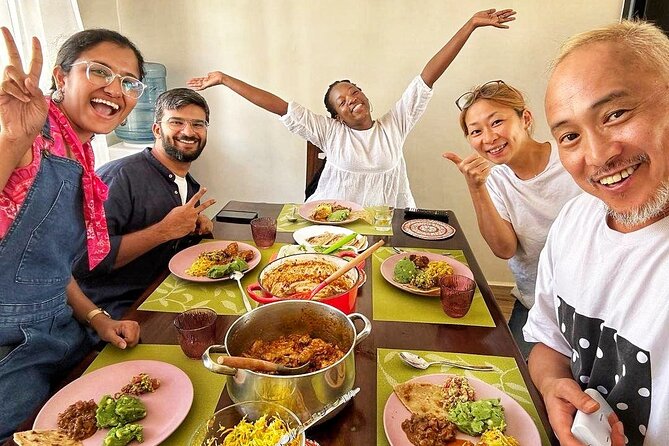
- A full Kenyan meal, made from scratch with a main and a side plus veggies.
- Hands-on cooking with choice to watch or join in, depending on your comfort level.
- Food to take home after your meal, which makes the experience feel like more than a class.
- Small-group feel (up to 15) so it stays personal instead of rushed.
Other Nairobi bookings that survived the same scrutiny


Westlands Square meetup and a tight 3.5-hour plan
This tour is built for people who want more than a quick taste of Nairobi. You start at Westlands Square, Ring Road, Parklands, and the experience loops back to the same meeting point. That matters because Nairobi travel can be unpredictable, and a closed-loop schedule helps you spend your time on the real stuff.
The total time is about 3 hours 30 minutes. In practice, you’re doing three distinct parts in one flow: market shopping, a matatu ride, and cooking and eating at the host’s home. It’s a great length for first-time visitors. You’re not stuck all afternoon, and you’re also not cramming everything into an hour.
One detail I like is that the market part is flexible. You can totally skip the farmers market grocery run if you don’t feel like it. If you do skip it, you still get the cooking class at the home and the chance to enjoy the meal, so you won’t feel like you paid only for shopping.
The farmers market stop: buying flavor, not ingredients
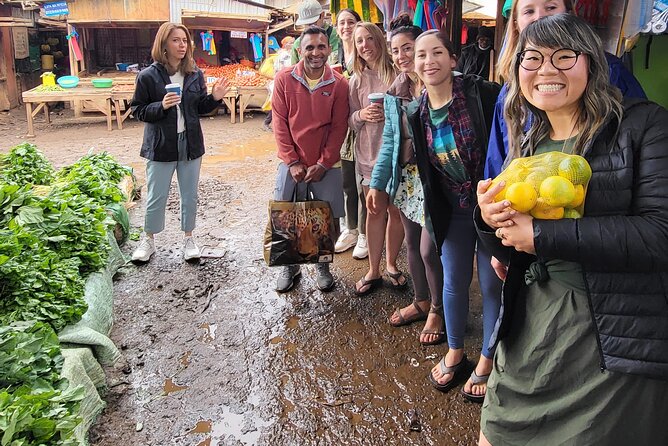
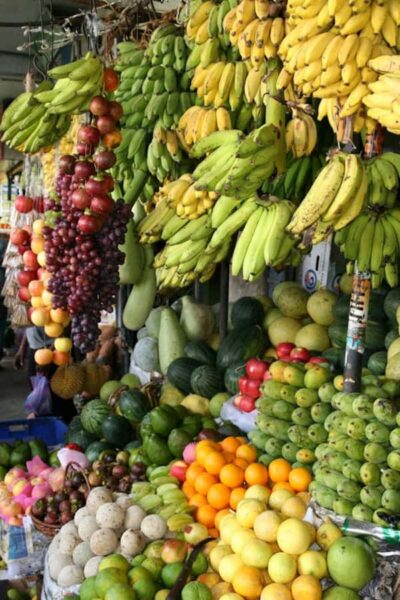
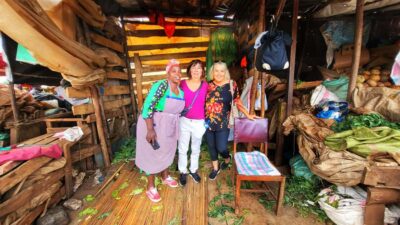
The farmers market portion is where this tour turns from a cooking class into a culture experience. You’ll visit a local market to source the fresh produce that ends up in your meal. This is where you’ll interact with locals and see the ingredients in the form they actually come from, fresh from the farm.
I find markets like this more useful than restaurant menus because they teach you how people think about food. You start noticing what’s in season, what looks ripe and vibrant, and what spices and proteins are commonly used. That practical shopping knowledge is exactly what you want if your goal is to cook Kenyan food later, not just eat it once.
You may also get a wider view beyond produce. Some reviews mention the guide explaining street food options and how to spot good choices. Even if you focus only on your own meal, this kind of guidance helps you understand the market as a food system, not a tourist attraction.
What to consider: markets can be sensory and sometimes messy. The tour sets the expectation that you’ll have fun and get your hands dirty if you join in. If that’s not your style, you can still watch the process and keep your involvement more observer-based.
Matatu ride: learning Nairobi’s public transport rhythm
Then you transition to a matatu experience. Matatus are the shared public buses that run through Nairobi, and riding one is a lesson in how the city actually moves.
This is one of those parts you can’t replicate with a chauffeur. You’ll feel the pace. You’ll hear the music. Reviews even mention the music being blasting and the bus having a painted, character-filled look. That matters because it’s not just transport, it’s street energy.
The guide’s role is what makes this part feel safe and worthwhile. The tour description is clear that you’ll be taken to places a tourist would not ordinarily venture into. That includes knowing where to board, how to manage space, and how to avoid awkward moments while you’re still learning.
A possible drawback is simple: if you hate crowds or noise, this might stress you out more than the market part. Keep your expectations realistic. Think of it as a short, guided immersion into how Nairobi works day to day, not a smooth and quiet ride.
Cooking at the host’s home: making a Kenyan meal from scratch
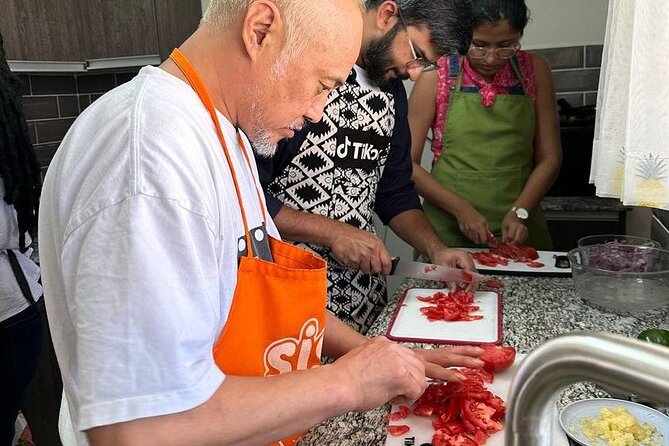
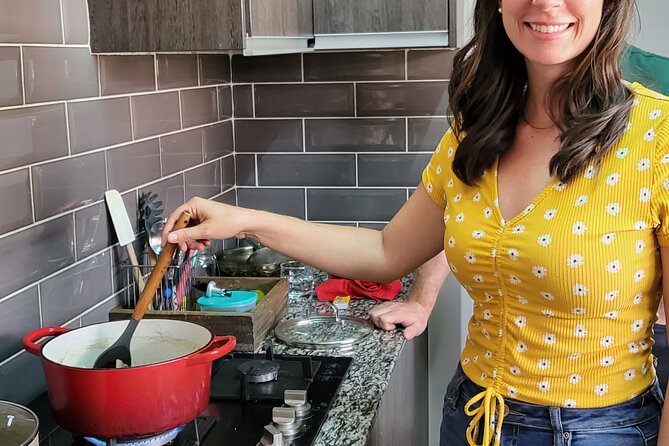
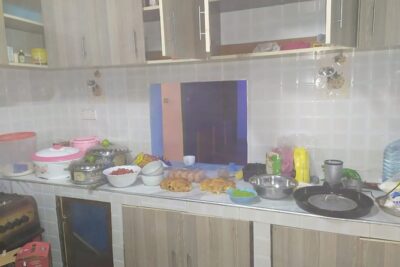
After the market and matatu portion, the tour moves to cooking at the host’s home. The home-kitchen setting is a huge part of the value. You’re not learning on a demo counter. You’re learning in the environment where this food gets made for real.
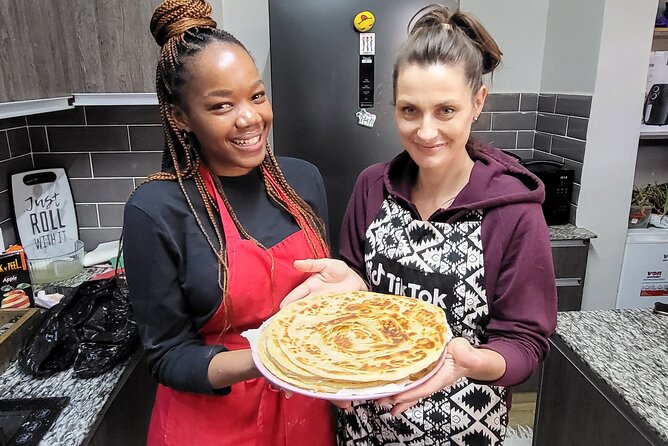
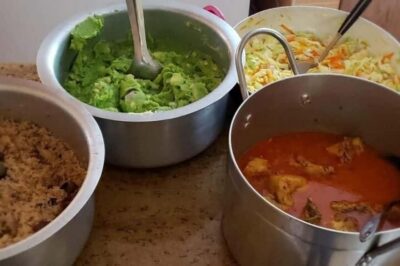
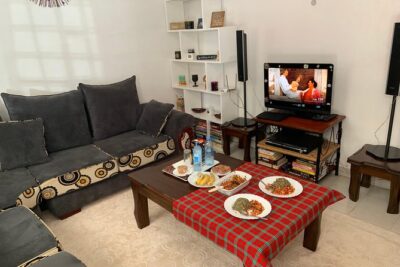
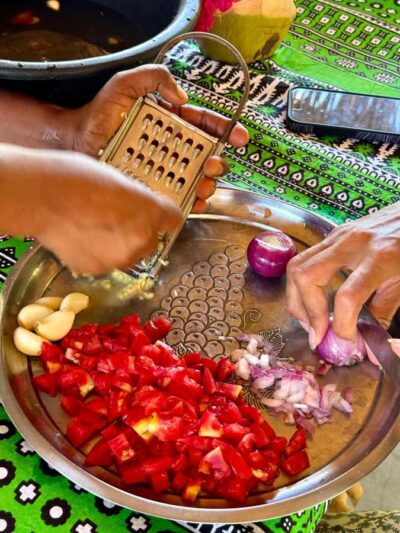
The class includes cooking a complete Kenyan meal: a main dish plus a side dish with veggies. You’ll make the meal from scratch, and you can choose to actively participate or watch. That flexibility is underrated. It lets you match the experience to your energy level, especially if you’ve been walking around Nairobi all day.
Reviews highlight that everyone gets to help prepare the meal, and that the house itself is clean and welcoming. That combination is important. You want to feel comfortable while also being in a genuinely local space.
On the flavor side, you should expect the guide to explain ingredients and cooking choices, not just run you through a recipe. Reviews mention discussions about produce, spices, and tips for picking the best taste. That kind of explanation is how you build confidence. You stop thinking, I hope this turns out, and start thinking, I know why this works.
Menu specifics can vary because the class depends on what you buy at the market and on dietary requests. Still, reviews mention chapati and stewed goat as highlights, plus satisfying sides. If you’re vegetarian or pescatarian, you should be able to request adaptations ahead of time. The tour notes that vegetarian, pescatarian, and gluten-free options are available upon notice at booking.
Other Nairobi bookings that survived the same scrutiny
- Half-Day Nairobi National Park and Maasai Market with Pick up
- Authentic Kenyan Cooking Class & Market Tour in Nairobi
- Nairobi: Hop on Hop off and Maasai market Collections Visit
- Explore local Market matatu ride & Make Kenyan Cuisines with a home cook
- Market Tour and Traditional Kenyan Cooking Class in Nairobi
Eating together: the value of chitchat and practical tips
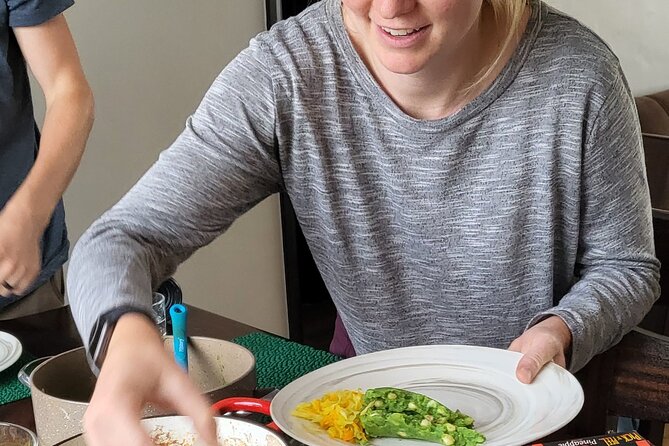
The meal is served after cooking, and you’ll enjoy it over chitchat. That sounds soft, but it’s actually one of the smartest parts of this kind of tour. When food is cooked and eaten together, you learn how people talk about flavors, family, and everyday life.
The conversation also tends to connect cooking technique with culture. For example, why a certain spice is used, how a dish fits into routine meals, or how people shop and prepare at home. You’re not just collecting recipes. You’re collecting context.
And yes, you can carry the foods prepared after the experience. That turns your effort into real leftovers. In a city where dinner plans can be unpredictable, that is a practical win.
Price and value: what $50 gets you in Nairobi
At $50 per person for around 3 to 3.5 hours, the price is competitive when you compare it to a typical cooking class that only teaches and doesn’t handle market shopping.
Here, grocery shopping is included in the price. That matters because it’s not just paying for a lesson. You’re paying for the ingredients, the guided shopping trip, the transport component, and the full meal experience.
You’re also getting a guided matatu ride, which is a “how do locals do it” element, not just an extra perk. The ride is short, but it meaningfully changes the experience. It shifts you from tourist mode to city mode for a little while.
Small-group size is another value signal. With a maximum of 15 travelers, the guide can spend time explaining ingredients and making sure you feel comfortable participating. Large groups can turn cooking into a watch-only show. This one aims to keep it interactive.
Who this tour suits best (and who might bounce)
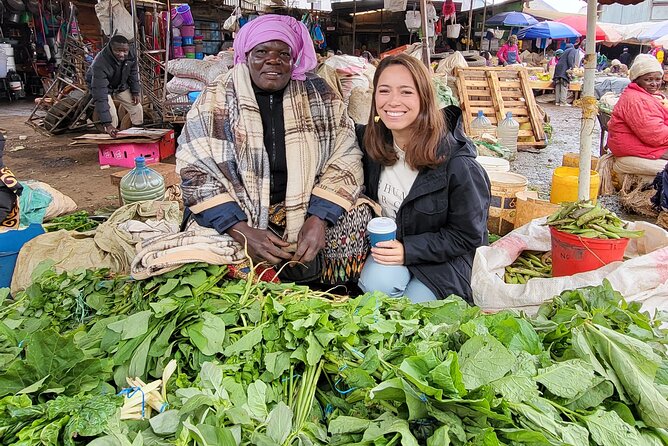
This tour is especially good for:
- First-time visitors who want to see Nairobi beyond the big-name attractions.
- Food lovers who want to cook Kenyan dishes later, with practical learning.
- People who like markets and want to understand ingredients before they hit the plate.
- Travelers who enjoy talking with hosts and learning through everyday routines.
It may be less ideal if:
- You strongly dislike public transport crowds or loud music.
- You prefer a totally hands-off cooking experience. You can watch, but the tour is designed for engagement and sometimes getting your hands dirty.
- Weather is unreliable. The experience requires good weather, and if it gets canceled for weather reasons, you’re offered a different date or a full refund.
One more fit note: the cooking location has lifts and is wheelchair accessible, which is a strong plus for mobility needs. Service animals are allowed too, which helps make the experience accessible for more people.
Tips to make the experience feel smooth
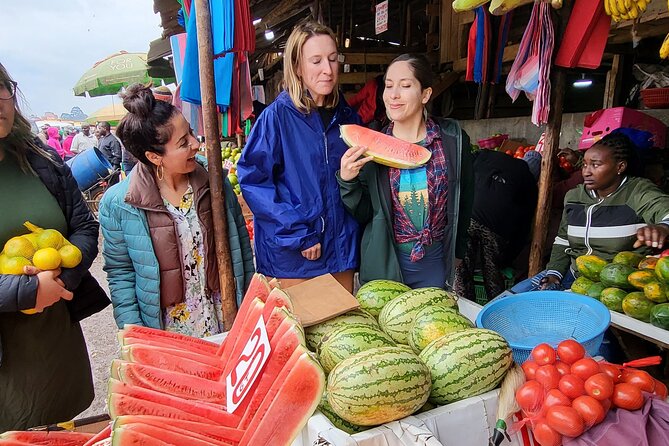
A few simple mindset tips will help you get the most out of the 3.5 hours.
First, decide early how you want to participate in cooking. The best results come when you’re honest with yourself. If you want to jump in, do it. If you’d rather watch and learn by observing, that’s welcome too.
Second, bring curiosity for the market. Even if you don’t love shopping, treat it like ingredient research. Ask about what looks best and why. You’ll leave with a better sense of what “fresh” means in a Kenyan market context.
Third, keep an open mind about the matatu ride. It’s not a private tour bus. It’s lively public transport. If you can accept that it will feel energetic and slightly chaotic, you’ll have more fun and less stress.
Finally, consider this as both lunch and a mini Nairobi crash course. Many guides use this format to share how food ties into daily life. If you’re friendly and curious, the chitchat during and after the meal is where the experience can really click.
Should you book this Kenyan cooking class and market tour?
Book it if you want Nairobi food culture with real local context: market shopping, a matatu ride, and a home-cooked Kenyan meal you can actually take with you afterward. The $50 price feels fair because grocery shopping is included and you get multiple experiences wrapped into one guided flow.
Skip it only if public transport crowds or noise would make you uncomfortable. Also, if you hate hands-on cooking at all, you may find the experience more active than you expect. But even then, you can watch, and the guide’s focus is making sure you feel comfortable in the process.
If you book, send clear dietary needs when you reserve, so your meal matches your preferences. And if you’re doing this early in your trip, it can set you up with ideas for what to look for at other food spots in Nairobi.
FAQ
What does the tour cost and how long is it?
It costs $50 per person and lasts about 3 hours 30 minutes.
Where does the tour start and end?
The tour starts at Westlands Square, Ring Road, Parklands, Nairobi, Kenya, and it ends back at the same meeting point.
Is grocery shopping included in the price?
Yes. The price includes grocery shopping.
Do I have to go to the farmers market?
No. You can skip the market visit if you are not feeling up to it, and the cooking class and meal still happen.
What is the public transport experience like?
You get to experience matatu public transport as part of the tour.
Are vegetarian, pescatarian, or gluten-free options available?
Yes, vegetarian, pescatarian, and gluten-free options are available on notice upon booking.
Can I take the food home?
Yes. After the experience, you can carry the foods prepared.
What happens if weather is bad or the tour is canceled?
The experience requires good weather. If it is canceled due to poor weather, you will be offered a different date or a full refund.
Is it accessible for wheelchair users?
The cooking class location has lifts and is wheelchair accessible.
More Shopping Tours in Nairobi




More Tours in Nairobi






More Tour Reviews in Nairobi


Everything else we hold on Nairobi
- 7 Days Private 4 star lodges Safari by LandCruiser from Nairobi★ 5.0 · 3 reviews
- 5 Days/4 Nights Kenya Safari★ 4.5 · 3 reviews
- Safari Park Hotel Show & Dinner Experience In Nairobi Tour★ 3.6 · 3 reviews
- Day safari to Olpejeta Rhino conservancy★ 5.0 · 3 reviews
- 7 Days Breathtaking Kenya Wildlife Private Safari★ 5.0 · 3 reviews
- Overnight Amboseli National Park Safari from Nairobi★ 5.0 · 3 reviews
Cooking Classes, compared.
 ★ 5.0Authentic Kenyan Cooking Class & Market Tour in NairobiFrom $6412 reviews
 ★ 5.0Private Traditional Kenyan Cooking Class with Lunch in NairobiFrom $6010 reviews
 ★ 4.8Market Tour and Traditional Kenyan Cooking Class in NairobiFrom $556 reviews
 ★ 5.0Local Market Tour and Traditional Meal Cooking ClassFrom $644 reviews
 ★ 5.0Private Kenyan Cooking Class in Nairobi with a LocalFrom $763 reviews
 ★ 5.0Malindi : Kenyan Cooking Class with Campfire MealFrom $253 reviews
Appears in these lists