
REVIEW · WATAMU AND MALINDI TOURS
Malindi : Kenyan Cooking Class with Campfire Meal
Cooking over a fire changes everything. This Malindi Kenyan cooking class at Mida Creek Nature Camp turns you into the cook, not just the watcher, with campfire cooking and a real taste of Coastal Kenya. I like that the setting is outdoors, and you get to work with Mida Creek Nature Camp as the backdrop instead of a classroom table.
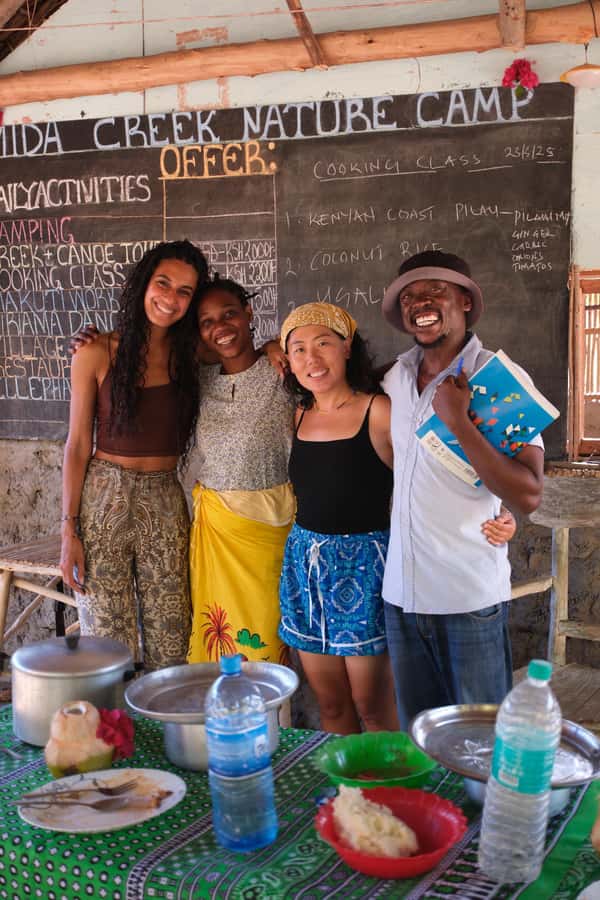
My favorite part is the teaching style. With Harrison and his family, you get clear, step by step guidance and a focus on how the food is made, not only what it is. The small set up also helps, since you are cooking with a group of only a few people and you can ask questions as you go.
One consideration before you book: food allergies. The experience is not suitable for people with food allergies, so if you are in that category, you should think twice and contact the provider directly before committing.
In This Review
- Key highlights at a glance
- Campfire Cooking at Mida Creek: What You Do (and Why It Works)
- Arriving at Mida Creek Nature Camp and Meeting Harrison
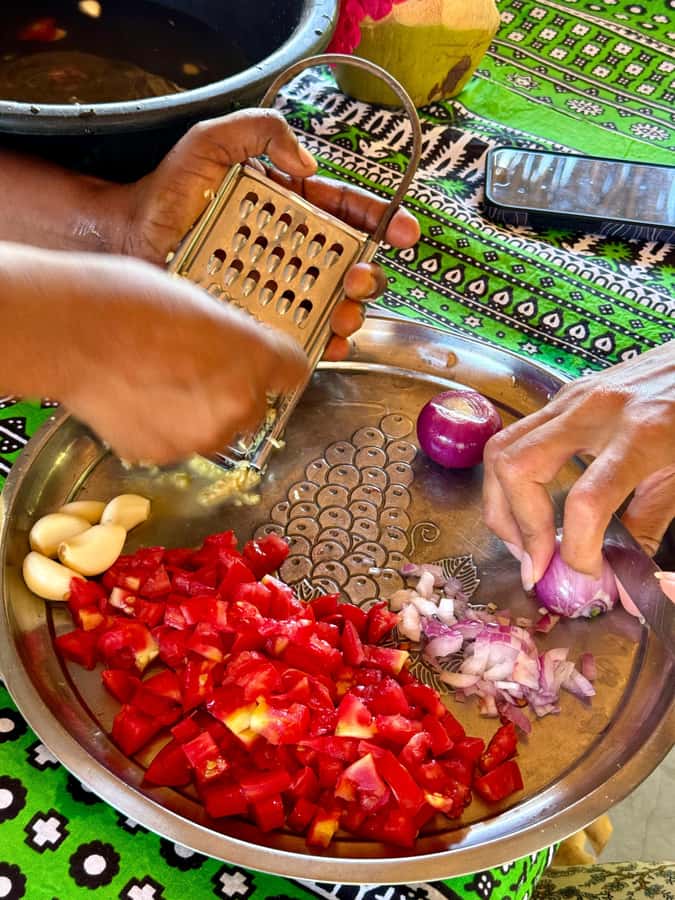
- The Cooking Lesson: Coastal Dishes You Cook Over the Fire
- Ingredients, Local Flavor, and the Small Shop at the Camp
- Your Meal: Eat on Site or Take It Home
- Price and Value: Why $25 Usually Feels Like a Win
- Who This Class Is Best For (and Who Should Rethink It)
- Practical Tips Before You Go to Mida Creek
- Should You Book This Malindi Kenyan Cooking Class?
- FAQ
- How long is the cooking class?
- What is included in the price?
- Is the class held at lunch time or dinner time?
- How many people are in the group?
- What language is the instructor?
- Where do I meet for the experience?
- Should I bring anything?
Key highlights at a glance
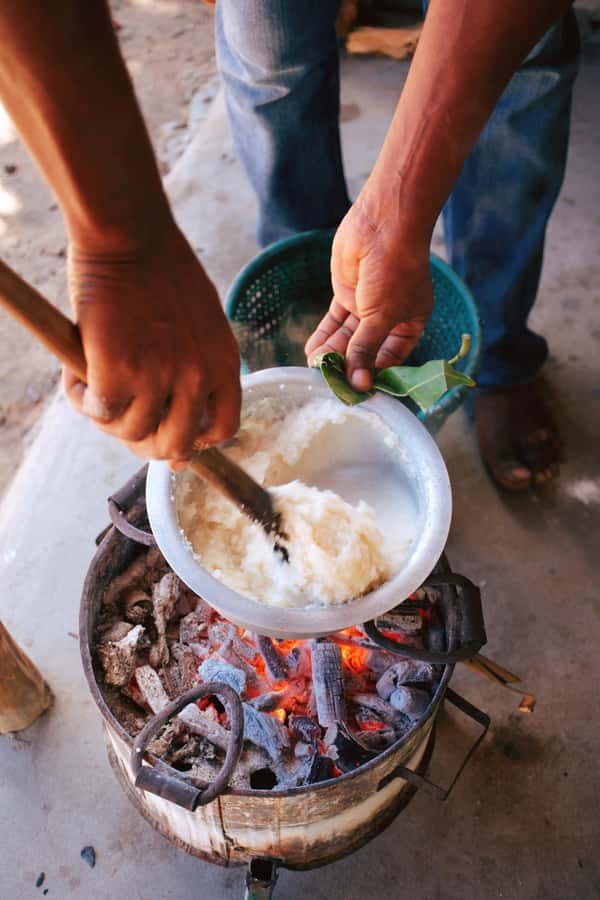
- Campfire-first cooking that makes the food taste like it has a story
- Hands-on instruction from Harrison and his family, with calm, precise explanations
- A menu of Coastal Kenya classics you actually cook, like Ugali and Sukuma Wiki
- Choose lunch or dinner, depending on your day plan
- Eat together or take it home, so you can match the experience to your appetite
- On-site help with ingredients, including a small shop if something is missing
Coast road onward, towards Watamu and Malindi


Campfire Cooking at Mida Creek: What You Do (and Why It Works)
This is a 2-hour, hands-on Kenyan cooking class that centers on one simple idea: you learn best when your hands are busy and your senses are paying attention. You show up before lunch or before dinner, cook over a campfire with traditional tools and techniques, and end with a meal.
The reason this works so well in real life is timing and atmosphere. You are not rushing between stations. You are cooking in a natural setting, so the fire, the smells, and the group rhythm all help you remember what you did and why it matters.
The class includes ingredients and your meal, so you are not playing the guessing game of what you need to buy. At $25 per person, it sits in the practical sweet spot for people who want something cultural that is also active, not just a ticket to a show.
Arriving at Mida Creek Nature Camp and Meeting Harrison
You meet at Mida Creek Nature Camp, with the exact start time based on whether you choose lunch or dinner. Your group meets a couple hours before the meal time, then you begin cooking together right away.
The vibe matters here. The camp sits just off the main road, in a leafy, sandy-feeling spot that feels like a different pocket of Kenya once you step into it. You are in nature, not behind a fence of tourist bustle, and that sets the tone for a class that feels more like a family cooking session than a performance.
Harrison is the guide most people talk about, and his style comes through clearly. He explains with patience, takes his time, and brings real enthusiasm for sharing food and local culture. If you like learning by doing, this is a great match, because the instruction supports your pace instead of forcing you to sprint through steps.
The Cooking Lesson: Coastal Dishes You Cook Over the Fire
You can expect a mix of Kenyan and especially Coastal Kenyan favorites. The exact dishes can vary lesson to lesson, but you might cook several of these:
- Ugali
- Githeri
- Kenyan Pilau
- Wali Wa Nazi
- Sukuma Wiki
- Mchicha
- Kenyan Stew
- Nyama Choma
- Matoke
- Mandazi
- Grilled maize
What I like about this kind of menu is balance. Some dishes are starch and base (like Ugali), some are greens (Sukuma Wiki, Mchicha), some are hearty mains (Kenyan stew, Nyama Choma), and some are sides or breads (Mandazi). You get a fuller picture of how a Kenyan meal is built, not just one dish crammed into two hours.
And because you are cooking over a campfire, the process is part of the lesson. You learn how heat affects cooking, how you keep things moving while you wait, and how you adjust as the fire changes. That is the practical side of tradition, the part that does not show up on a recipe card.
One more smart detail: the class is flexible. The experience is built around Kenyan tradition, and it can also accommodate requests, so you are not locked into a fixed script if you have a specific dish you really want to try.
Ingredients, Local Flavor, and the Small Shop at the Camp
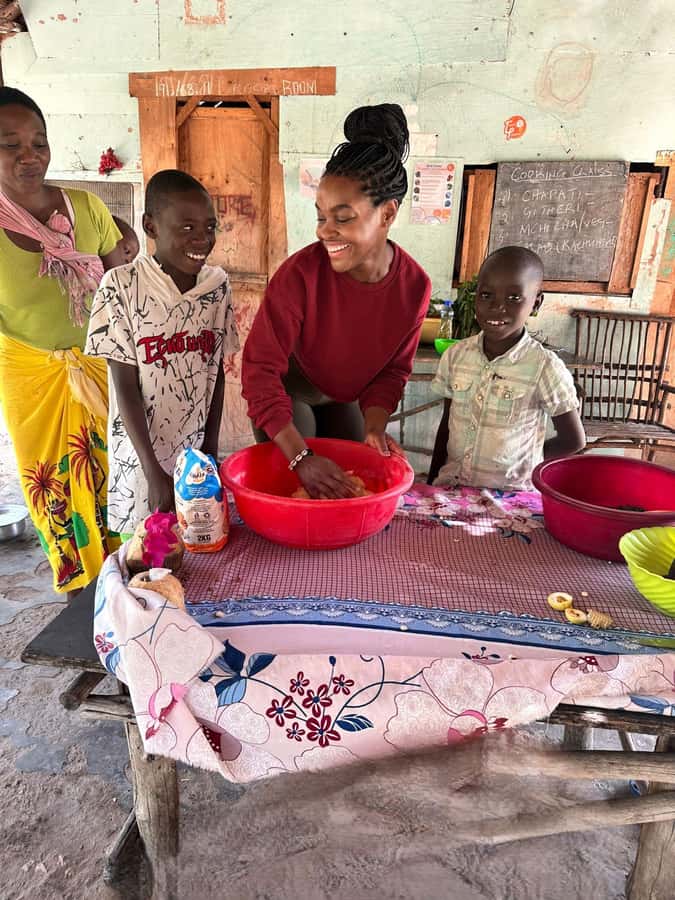
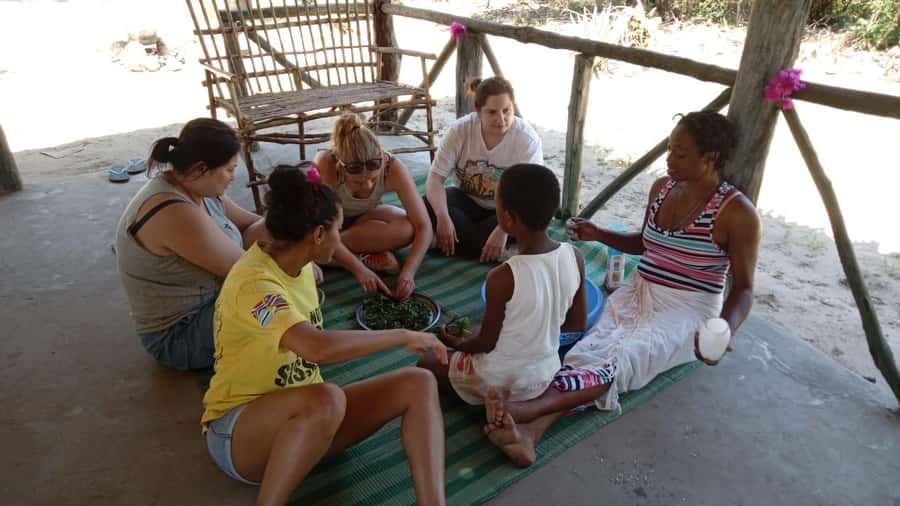
The class encourages you to use homegrown ingredients as much as possible. In practice, that means you get the real taste profile of the region, with flavors that are meant to be cooked and eaten together.
There is also a small shop at the camp for anything that is missing. That matters because it keeps the class smooth. You are not standing around waiting for a run to the market, and you still get an ingredient setup that fits the cooking style you are practicing.
If you tend to be a picky eater, this is still a good format. You see what goes into the dishes and you can follow the process. And if a dish is new to you, cooking it once usually removes the fear factor.
Your Meal: Eat on Site or Take It Home
When the food is ready, you choose what happens next. You can eat together with the group, or you can bring your creations home.
If you eat on site, I’d treat it as part of the experience, not just the finish line. The best classes feel like the meal is the payoff, and these lessons are set up for that. You have cooked several dishes, so you get to compare tastes and textures across what you made.
If you plan to take your food to go, it is a convenient option. It also helps if you have other plans that evening and you do not want to sit longer than you need. Just remember that campfire-cooked food is best when eaten soon, so plan how you will store and reheat if you do not plan to eat right away.
One practical tip: give yourself enough time to eat slowly. The class moves at a real cooking pace, and rushing the meal can make the flavors feel less satisfying than they deserve.
Price and Value: Why $25 Usually Feels Like a Win
At $25 per person for a 2-hour, instructor-led, hands-on cooking class that includes ingredients and a meal, the value is strong. You are paying for time, for teaching, and for materials, not just for access to a site.
What makes the cost feel fair is what you actually get:
- You cook multiple dishes, not only watch someone else cook one thing
- You use campfire methods with real tools
- You end with food included, and you can eat together or take it away
In other words, you are paying for an experience that has a clear outcome. You go home with knowledge, and sometimes you also go home with food.
The people who seem happiest with this class tend to like direct cultural connection through everyday life, like cooking at home. If that is your style, this is a straightforward good deal.
Who This Class Is Best For (and Who Should Rethink It)
This cooking class is ideal for you if you want:
- Hands-on learning instead of passive sightseeing
- Kenyan and Coastal Kenyan dishes, cooked the way locals cook them
- A small group experience, since you can stay engaged and ask questions
It is also a great fit if you are traveling with limited time but still want something authentic and practical. Two hours is short enough to work into most days, yet long enough to learn real steps and cook more than a single dish.
If you have dietary needs, be careful. The experience is not suitable for people with food allergies, so if that applies to you, you should not count on a safe workaround. If you do have restrictions but not a true allergy, the provider asks that you contact them in advance to communicate allergies and intolerances. Still, I’d treat it as a must-confirm situation, not a casual question.
Practical Tips Before You Go to Mida Creek
A few small things can make the difference between a smooth class and a fussy one.
- Wear comfortable clothes. Cooking over a fire can get warm and a bit messy.
- Plan for outdoor time before the meal. It is held at the camp, so dress for the feel of coastal Kenya weather.
- Bring questions. Harrison’s explanations are precise, and the class format is built for you to participate and learn as you cook.
- Communicate allergies and intolerances ahead of time. The provider specifically asks you to do this prior to the experience.
- Skip any plan with pets. Pets are not allowed.
Also, since this runs at a time set before lunch or dinner, check which option you want when you book. Your whole meal timing, and your energy level for cooking, will be easier if you match it to your day.
If you are staying nearby, you might enjoy pairing this with other eco camp activities. Some visitors talk about additional options at the camp such as village or mangrove related tours, and staying in tents or treehouses. Canoe rides to Green Island and workshops are also mentioned by past guests. Those are not part of the cooking class itself, but they can make your time in the area feel more like a full nature break instead of a quick stop.
Should You Book This Malindi Kenyan Cooking Class?
Yes, I think you should book it if you want a real cooking experience with a clear payoff. For $25, you get a small group class, campfire cooking, and a meal, plus teaching that focuses on method and tradition through the guidance of Harrison and his family.
Book it especially if you enjoy learning by doing and you want to take home more than photos. You will leave with a better understanding of how Ugali, greens, stews, and sides fit into a Kenyan meal, and you’ll likely remember the steps because your hands were part of the process.
Hold off if you have food allergies. The activity is not suitable for that. If your dietary issue is complicated, contact the provider first and treat confirmation as essential.
If you are flexible with lunch or dinner timing, this class is an easy win for most itineraries around Malindi and the coast.
FAQ
How long is the cooking class?
It lasts 2 hours.
What is included in the price?
The class includes the cooking lesson, ingredients, and your meal.
Is the class held at lunch time or dinner time?
You can choose either a lunch or dinner experience.
How many people are in the group?
The group is small, limited to 10 participants.
What language is the instructor?
The instructor speaks English.
Where do I meet for the experience?
You meet at Mida Creek Nature Camp, and directions are provided via Google Maps.
Should I bring anything?
You should bring comfortable clothes. Pets are not allowed.
More Tour Reviews in Malindi


The Coast Above Kilifi



Everything else we hold on Malindi
- MIA – Airport Transfer from Mombasa to Watamu or Malindi★ 4.5 · 3 reviews
- Magical Storytelling Swahili Dinner in the Bushbaby Treehouse★ 5.0 · 3 reviews
- Malindi : Kenyan Cooking Class with Campfire Meal★ 5.0 · 3 reviews
- Tsavo East Amboseli and Tsavo West Safari 4 Days starting Malindi★ 5.0 · 3 reviews
- Private 3 Day Tsavo East Safari from Mombasa★ 5.0 · 3 reviews
- 3 Days Tsavo East & Tsavo West Safari★ 5.0 · 4 reviews
Watamu and Malindi Tours, compared.
 ★ 4.3From Mombasa/Mtwapa/Diani/Tiwi: Tsavo East Full-Day SafariFrom $200130 reviews
 ★ 4.6Diani Beach: Glass Boat Cruise to Robinson IslandFrom $4269 reviews
 ★ 4.5Watamu Marine Park & Sudi Island Mangrove Forest Canoe Ride.With sea food lunchFrom $10131 reviews
 ★ 4.4Diani Beach: Glass-Bottom Boat Cruise to Robinson IslandFrom $3522 reviews
 ★ 5.0ROBINSON ISLAND/MARAFA HELL’s KITCHENFrom $8715 reviews
 ★ 5.0Tour Malindi & Robinson Island & Marafa Hell’s KitchenFrom $13111 reviews
 ★ 4.5WATAMU: MALINDI: SARDEGNA ISLAND & MALINDI MARINE PARKFrom $1009 reviews
 ★ 3.6Watamu: Sunset Mangrove Canoe Tour with Coconut DrinkFrom $208 reviews
Appears in these lists