
REVIEW · WATAMU AND MALINDI TOURS
Watamu: Sunset Mangrove Canoe Tour with Coconut Drink
Mangroves at sunset feel like another world. You glide past roots and channels in a traditional dugout canoe, then end with a coconut or palm wine in the Giriama village.
What I really like here is the chance to spot wild-life up close, not just from a beach viewpoint. And I love that the tour builds in time for the sky to shift behind Green Island, so the ending feels like part of the experience, not an afterthought.
One thing to think about first: there is walking through mudflats, so it can be tough if you hate uneven ground. The tour also is not suitable for people with mobility impairments.
In This Review
- Key highlights worth your time
- Why Watamu’s mangroves make a great sunset plan
- Low tide vs high tide: your walk, your mud, your timing
- Getting on the water: canoe rhythm, bird spotting, and local guide style
- Mangrove creatures: mudskippers, oysters, and frogfish sightings
- Sunset over Green Island, then back to land for village calm
- Price and logistics: where value is great, and where it can get messy
- What to bring and wear for a comfortable canoe-and-mud experience
- Who this tour suits best, and who should skip it
- Should you book this Watamu sunset mangrove canoe tour?
- FAQ
- How long is the Watamu sunset mangrove canoe tour?
- What time does the tour start if I do not choose low tide or high tide?
- What should I choose, low tide or high tide?
- Is pickup included?
- What is included in the tour?
- Are meals included?
- What should I bring?
- Is the boardwalk accessible in Feb 2026?
Key highlights worth your time
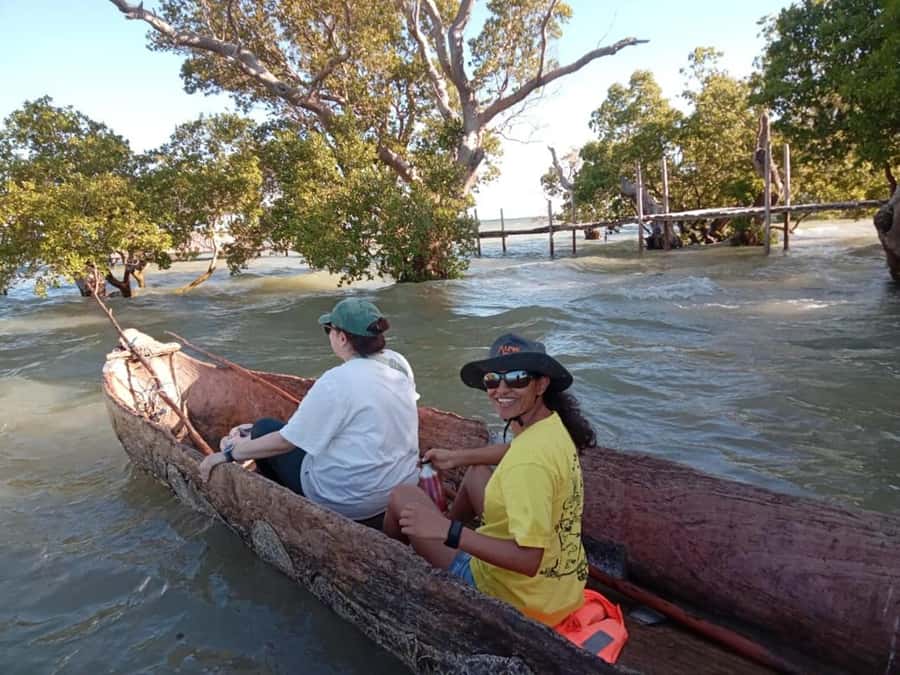
- Traditional dugout canoe ride through mangrove channels at eye level with wildlife
- 65 bird species noted in the creek area, plus a good shot at flamingos
- Mudskippers (amphibious fish) and oysters on mangrove roots during the forest stop
- Pastel sunset view timed to when the sun sits behind Green Island
- Giriama village refreshment with coconut or palm wine after the canoe ride
- Guides like Harrison and John are known for clear local explanations and friendly pacing
Coast road onward, towards Watamu and Malindi

Why Watamu’s mangroves make a great sunset plan
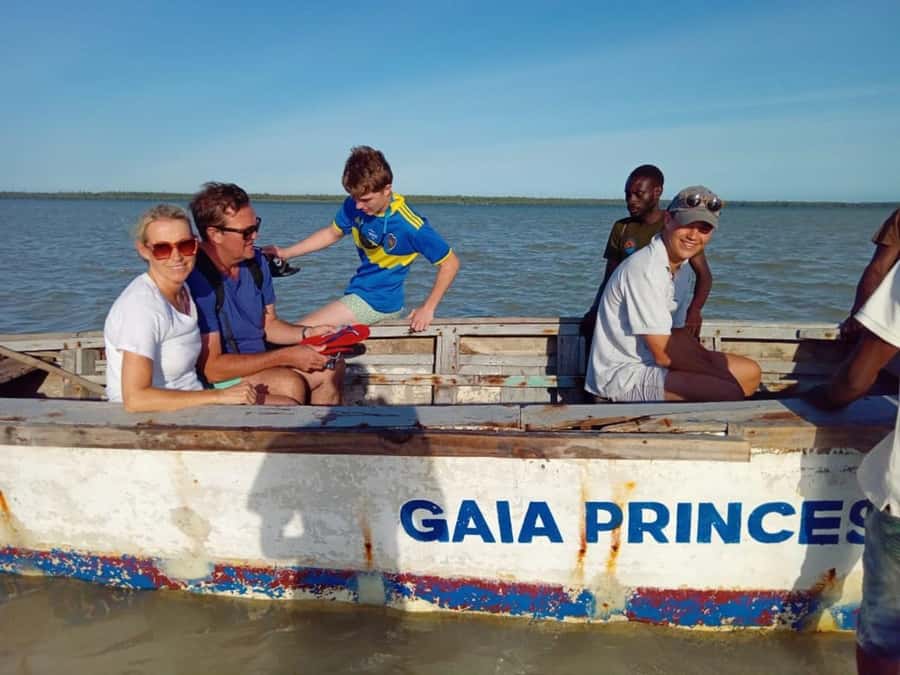
Watamu is famous for beaches, but this is a different kind of coastline magic. The mangroves are all roots, narrow channels, and still water that turns mirror-smooth as the day winds down. When you picture a sunset, you usually think sand and palms. Here, you get ripples, mangrove shadows, and birds working the branches and flats.
I like the pacing because it feels practical. You start on foot, then you shift to canoe time, then you finish with village time. That mix matters because it keeps you from sitting in one place waiting for the sky to change. And the sunset timing is built around a specific visual cue: the sun setting behind Green Island. If you care about photos, that is a strong ending.
The best part is that the whole thing stays grounded in how locals use the water. You are not doing a staged show. You are riding and exploring the creek the way fishermen do, which makes the wildlife moments feel more real than contrived.
Low tide vs high tide: your walk, your mud, your timing
This tour gives you a choice, and it changes the physical experience more than you might expect.
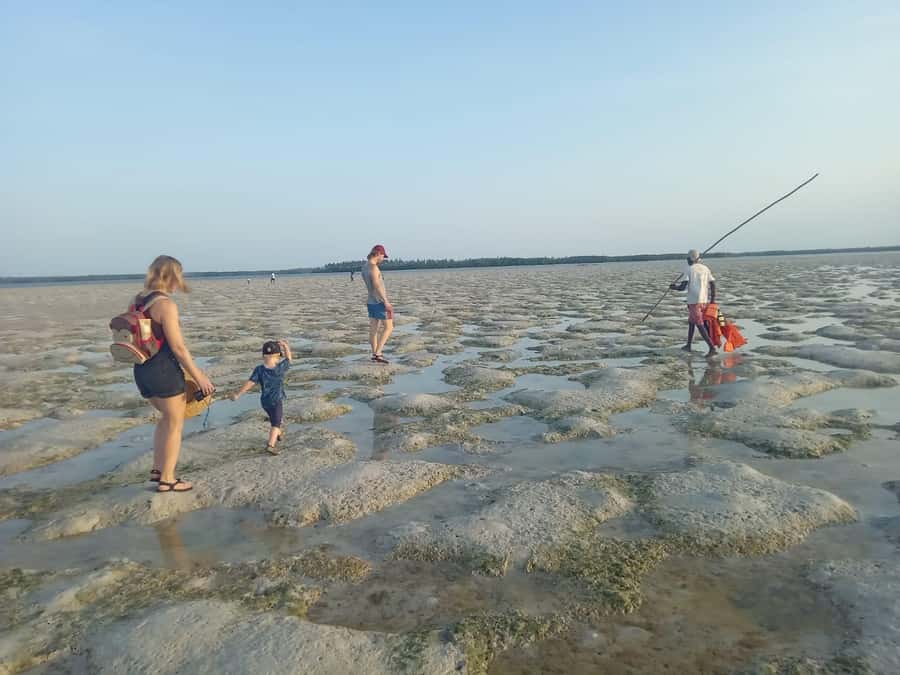
If you prefer low tide, expect a longer walk and extra time crossing mudflats. This is the most “wet shoes and mud boots” version. The upside is a more dramatic, crab-filled flat. You can watch little crabs scatter as you step, and the mudflat scenery has an eerie, otherworldly feel.
If you choose high tide, the walking is shorter. You still get the canoe ride and the mangrove forest time, but you enter the canoe from a point nearer the meeting area, so you spend less time on the soft ground.
If you do nothing when booking, the experience runs around 4:00 PM, designed for sunset over the lagoon. That is handy if you want sunset without extra decisions.
One Feb 2026 note you should take seriously: the boardwalk is under maintenance and temporarily inaccessible. That means your route may involve more direct walking than expected. If you are coming in with sandals and optimism, switch to sturdy shoes and plan for a bit of grit underfoot.
Getting on the water: canoe rhythm, bird spotting, and local guide style
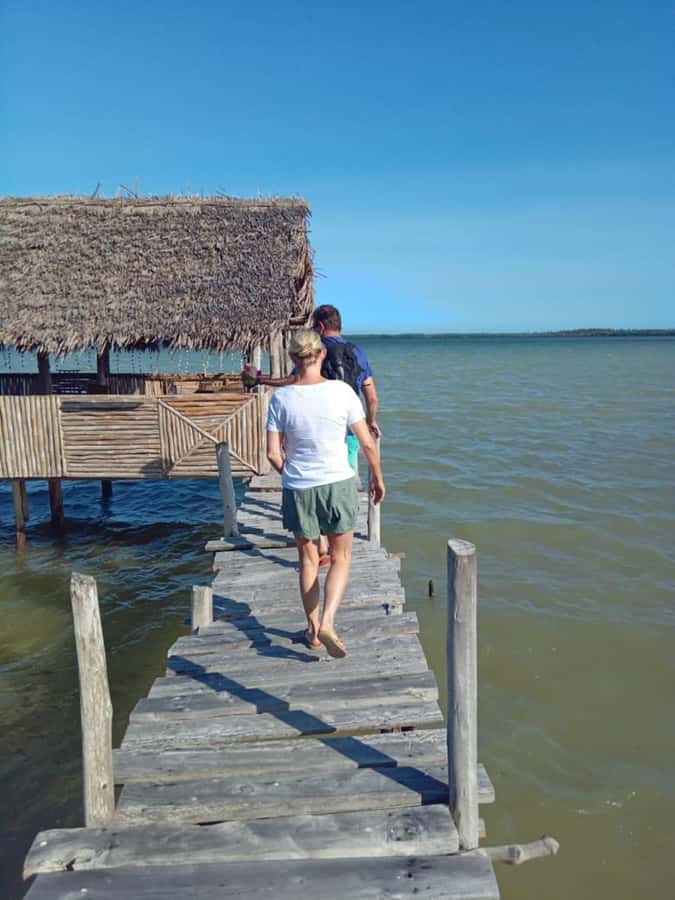
Once you reach the water, you board a traditional dugout canoe and ride as locals do. The canoe is guided with a simple, steady rhythm, and you move through narrow mangrove channels where the roots shape the waterline.
This is where the birdwatching becomes practical, not just theory. The creek area is described as supporting 65 different bird species, and that matters because you have multiple chances to scan, pause, and look. You are not racing from spot to spot. You are moving slowly enough to actually notice what is in front of you.
You might also see birds very close to the canoe, including flamingos. One reason this tour gets good marks is that the canoe ride can place wildlife within easy viewing distance, not far off across a wide bay.
Sound is part of the feeling too. Chants and village-life atmosphere can come along as you ride, which adds texture to the quiet water. It is the kind of detail that makes the tour feel like a living place rather than a checklist.
If Harrison and John are guiding, you are in good hands. People highlight their explanations of the village and the surrounding wildlife, and they tend to keep things friendly, not stiff. You will be listening for small changes, like which way birds lift off, and that makes the experience more rewarding even if you do not spot everything.
Mangrove creatures: mudskippers, oysters, and frogfish sightings
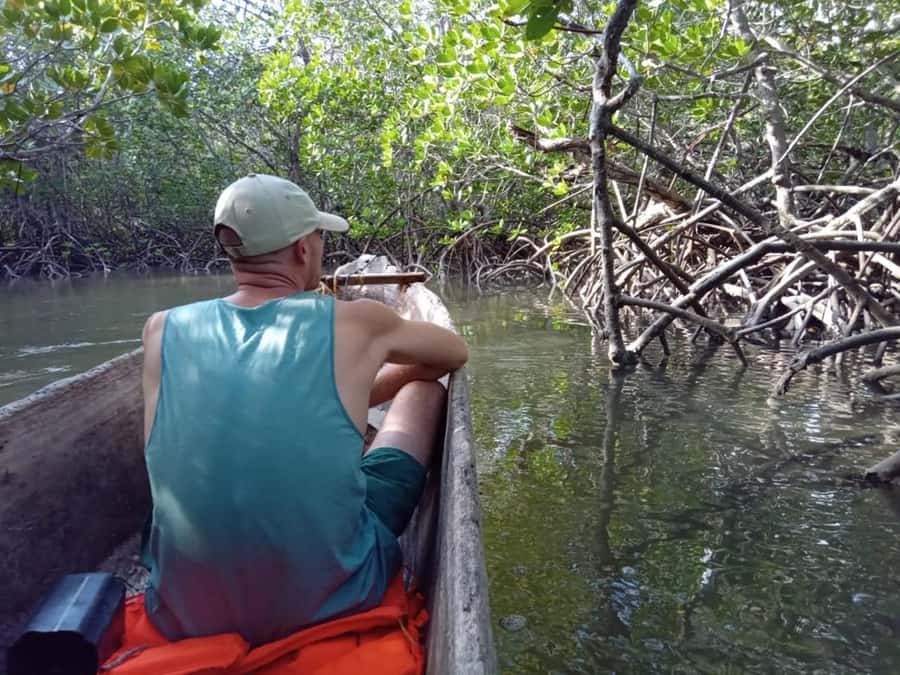
The mangrove forest stop is about noticing what lives on and under the roots.
You will look for amphibious fish, often described as mudskippers. These are fish that can tolerate air for short stretches, so they are not just underwater ghosts. You might also hear the guide use the term frogfish or refer to them in a similar bucket of amphibious types, so pay attention to how your guide explains what to watch for.
The tour also includes a stop to see oysters growing on mangrove roots. That detail is small, but it is one of those “wait, really?” moments. Mangroves are built for water movement, and the roots create a hard surface where life can attach. Seeing oysters there ties the whole ecosystem together in a way that a distant view never could.
This is also the segment where low tide can feel extra special. When mudflats open up, the whole area gets more visible. The creatures and tracks become easier to pick out, and the mangroves feel less like a wall and more like a working habitat.
Bring your eyes and your patience. If you go in expecting a guaranteed wildlife parade, you might feel disappointed. If you go in ready to look closely, you will get those “there it is” moments that make the tour worth the money.
Other Kenya bookings that survived the same scrutiny
Sunset over Green Island, then back to land for village calm
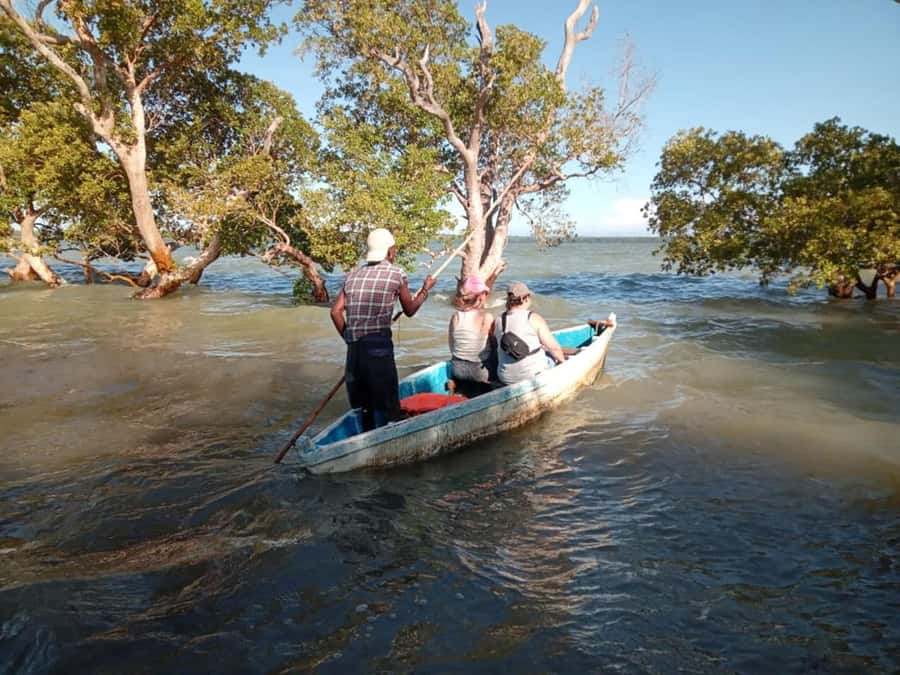
After the canoe part, you shift your attention to the sky and water.
As the sun drops, you watch pastel colors spread across the water’s surface. It is not just a color show. The mangroves and the channel edges create ripples and reflections that make the scene feel layered, like you are watching light bounce between two worlds.
You wait until the sun falls behind Green Island, then you head back. That wait is part of the value. A short sunset drive often rushes the best light. Here, the timing is built in so the best part lands when it should.
Then it is village time. The tour ends in a Giriama village, where you can refresh yourself with coconut or palm wine. People often remember this part because it slows things down. You are no longer scanning roots and water channels, and you get a human-scale break.
There is also an educational thread. Some guides explain the importance and beauty of the mangroves and even touch on projects meant to repopulate the area with younger mangroves. Even if you only catch parts of the explanation, it adds meaning to what you saw in the canoe and forest stop.
Price and logistics: where value is great, and where it can get messy
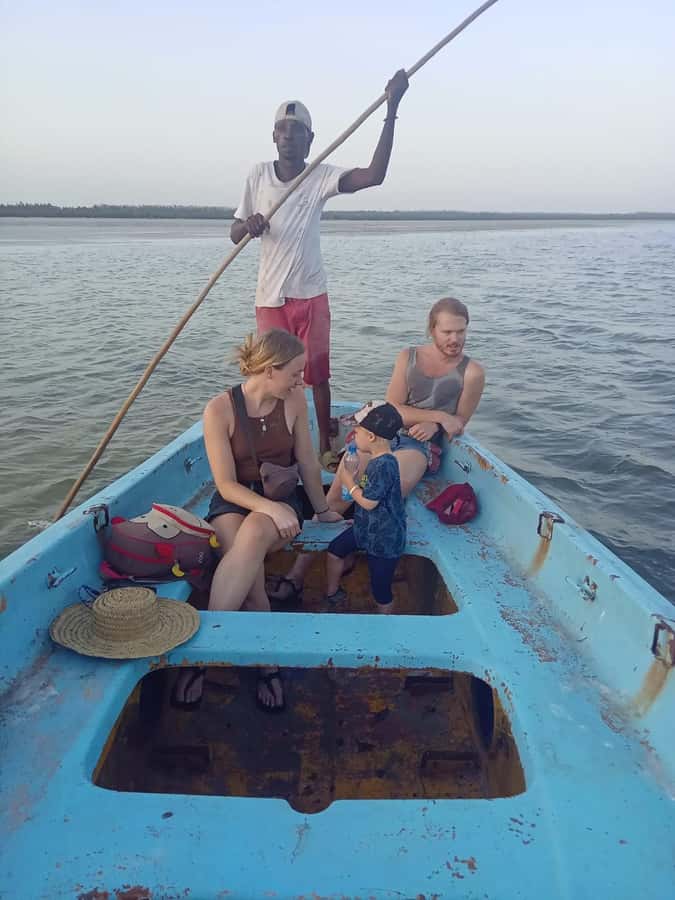
At about $20 per person for a 210-minute tour, this is the kind of experience that can feel like a bargain compared to longer, more urban trips. You get a canoe ride, a mangrove forest exploration, birdwatching focused on species counts, and a sunset viewing moment, plus the village refreshment.
But value is only value if the logistics cooperate.
Transportation is not included, and pickup can vary. The wording to watch is this: pickup may be arranged for an additional cost depending on distance by automobile, tuktuk, or motorcycle. If you are staying around Watamu, ask what the transfer cost will be before you commit. A few people have described situations where transfer arrangements were unclear, or where extra money was requested on return. You do not need drama, so confirm the pickup details in advance and keep it in writing if you can.
Also, be careful about similar-sounding canoe outings in the same area. One person mentioned confusion with another mangrove creek option starting elsewhere, even though it looked like the same general activity. When you book, double-check the meeting point and operator name, and ask what landmark you should use to find your guide.
One practical timing note: if you choose low tide, your walk may be longer and muddier. That is part of the charm if you pack for it. It is not fun if you show up in lightweight footwear that traps mud.
What to bring and wear for a comfortable canoe-and-mud experience
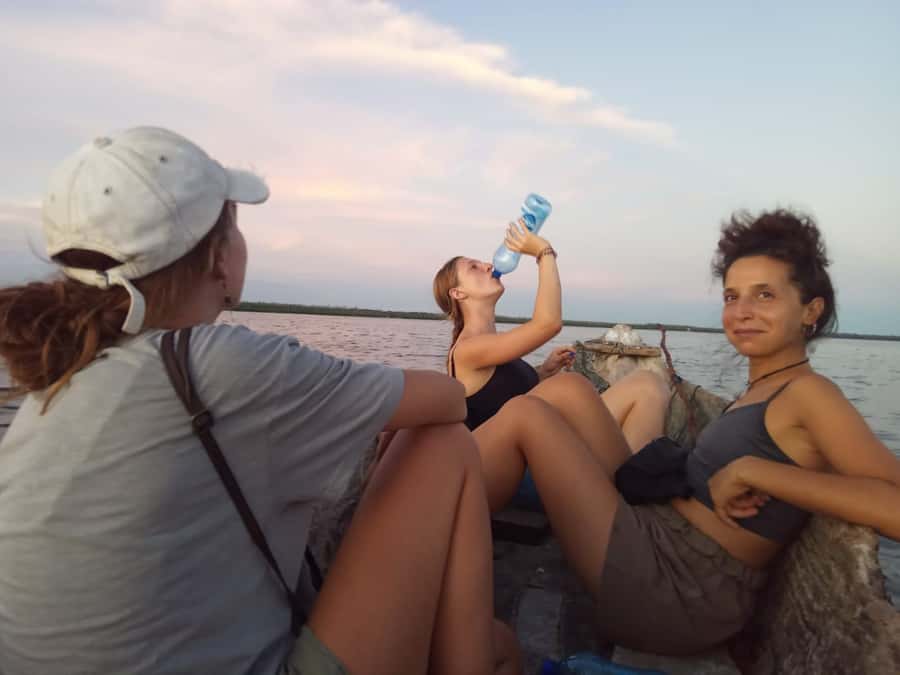
This is a nature tour with walking and canoe time, so pack for movement and sun.
Bring:
- Camera
- Sunscreen
- Water
- Insect repellent
- Binoculars (useful for the birdwatching)
Wear:
- Comfortable clothing
- Shoes you can stand in, since mudflats and wet ground are part of the plan
A simple rule helps: if you would not want to hike in it, do not wear it. Even if you pick high tide, you are still stepping across wet ground and moving through mangrove edges.
Also, protect your skin and eyes. Sunset light can trick you into thinking the sun is lower, but UV does not stop. If you get bitten easily, repellent matters because you are near water and marsh edges.
Who this tour suits best, and who should skip it
This is a strong fit if you want an authentic-feeling mangrove experience without paying for a fancy resort excursion. You care about wildlife, you like nature explanations, and you are okay with a bit of walking.
It is also a good pick for people who like local culture, because the ending includes time in a Giriama village with coconut or palm wine. If you enjoy hearing how people understand and protect the mangroves, this tour aligns well.
Skip it if:
- You have mobility impairments, because the tour is not suitable for that.
- You cannot handle mudflats or uneven footing, especially for low tide departures.
If you are traveling with kids, this could work for older kids who can handle walking. But if your group is sensitive to insects, wet conditions, or slippery ground, you should think hard about which tide option to choose.
Should you book this Watamu sunset mangrove canoe tour?
I think you should book if your ideal day includes slow water, real wildlife spotting, and a sunset that feels tied to the environment, not just a view from a hotel balcony. The combination of dugout canoe, birdwatching tied to a species count, mangrove forest viewing, and a Giriama village refresh is good value for around $20.
I would hold back if you want zero walking or if you are worried about transportation surprises. To make it work smoothly, choose your tide option based on your comfort level, pack proper shoes, and confirm pickup and costs up front.
If you want the sunset, remember that the tour runs around 4:00 PM when you do not specify tide preference. If sunset timing is your top priority, that is reassuring. If mudflats are your top priority, pick low tide and go ready for the “mud and crabs” version of the mangroves.
FAQ
How long is the Watamu sunset mangrove canoe tour?
The experience lasts about 210 minutes.
What time does the tour start if I do not choose low tide or high tide?
If you do not communicate a tide preference, the tour runs around 4:00 PM to allow time for sunset over the lagoon.
What should I choose, low tide or high tide?
Low tide means a longer walk and opportunities to explore mudflats and observe wildlife. High tide means less walking, with canoe entry from a point nearer the meeting area.
Is pickup included?
Pickup can be organized, but it may cost extra depending on distance and the type of vehicle used.
What is included in the tour?
The tour includes a walk through mangroves, crossing mudflats, a ride in a traditional dugout canoe, bird watching, a mangrove forest visit, frogfish or mudskipper viewing, oysters on mangrove roots, sunset viewing behind Green Island, and a Giriama village visit with coconut or palm wine refreshment.
Are meals included?
Meals are not included.
What should I bring?
Bring a camera, sunscreen, water, insect repellent, and binoculars. Wear comfortable clothing and shoes.
Is the boardwalk accessible in Feb 2026?
From Feb 2026, the boardwalk is under maintenance and temporarily inaccessible for visitors.
More Tours in Kenya

More Tour Reviews in Kenya

The Coast Above Kilifi

Everything else we hold on Kenya
- Shimba hills tropical rain forest day trip★ 4.6 · 3 reviews
- From Nairobi: Day Tour to Mount Longonot (Private)★ 4.6 · 3 reviews
- 4 Days wildebeest lake nakuru masai mara safari★ 5.0 · 3 reviews
- From Nairobi: Masai Mara 3-day Camping Safari by Jeep★ 4.0 · 3 reviews
- 12 Days wildebeest migration Masai Mara Nakuru Uganda gorilla trekking safari★ 4.5 · 3 reviews
- 12 Days Samburu Ol-pejeta lake Nakuru Masai Mara lake Naivasha Amboseli safari★ 5.0 · 3 reviews
Watamu and Malindi Tours, compared.
 ★ 4.3From Mombasa/Mtwapa/Diani/Tiwi: Tsavo East Full-Day SafariFrom $200130 reviews
 ★ 4.6Diani Beach: Glass Boat Cruise to Robinson IslandFrom $4269 reviews
 ★ 4.5Watamu Marine Park & Sudi Island Mangrove Forest Canoe Ride.With sea food lunchFrom $10131 reviews
 ★ 4.4Diani Beach: Glass-Bottom Boat Cruise to Robinson IslandFrom $3522 reviews
 ★ 5.0ROBINSON ISLAND/MARAFA HELL’s KITCHENFrom $8715 reviews
 ★ 5.0Tour Malindi & Robinson Island & Marafa Hell’s KitchenFrom $13111 reviews
 ★ 4.5WATAMU: MALINDI: SARDEGNA ISLAND & MALINDI MARINE PARKFrom $1009 reviews
 ★ 4.8From Mombasa: Watamu Marine Park & Sudi Island ExcursionFrom $1188 reviews
Appears in these lists