
REVIEW · NAIROBI CITY TOURS
Nairobi Walking tour:Explore History Culture and Traditions
Nairobi on foot is history you can touch. Starting near the Supreme Court at the Carrefour entrance, this 3-hour walk pulls together major downtown sights and city traditions, with local storytelling from guides like Edwin and John that makes each stop feel connected.
I especially like the tour rhythm. You get a quick start-up safety check, a pause for a cup of Kenyan coffee, then time in Uhuru Park to sit, cool off, and shoot photos before heading into the next landmark zone.
The main tradeoff is that it is still a walk through the city center. If you dislike sun, heat, or uneven sidewalks, bring proper gear and take the breaks your guide offers.
In This Review
- Key things I’d bookmark before you go
- Getting your bearings in Nairobi’s CBD, starting by the Supreme Court
- The quick safety briefing that sets the pace
- Jamia Mosque and the sacred stop you should not rush
- War Monuments and McMillan Memorial Library, the city remembering itself
- City Market and Jevanjee Garden, where Nairobi life shows up
- A coffee break that actually fits the schedule
- Uhuru Park is your breathing space, not just a green spot
- Holy Family Basilica, a spiritual landmark with city context
- University of Nairobi, Norfolk Hotel views, and the KICC photo moment
- Masai Market shopping, a craft stop that can save you later
- Nairobi Railway Museum and Bomb Blast Memorial Park, remembering with care
- Price and value: why $22 works for what you get
- Who this tour is best for, and who should skip it
- Before you go: simple tips that make the day better
- Should you book this Nairobi walking tour
- FAQ
- How long is the Nairobi walking tour?
- What does the tour cost?
- Where does the tour start?
- Is pickup included, and how does it work?
- What major stops are included?
- Are meals and coffee included?
- What languages are available for the guide?
- Is the tour wheelchair accessible?
- Can I cancel, and what extra fees are not included?
Key things I’d bookmark before you go

- Carrefour to key CBD landmarks for a fast first-timer orientation of downtown Nairobi
- Story-led guidance from named guides like Edwin and John, with lots of Q and A time
- Coffee stop built into the route so you can try local coffee without hunting on your own
- Uhuru Park time to reset, with enough room for photos and an actual breather
- Modern Nairobi views at KICC, plus photo stops near government buildings
- Respectful memorial visits, including Bomb Blast Memorial Park, as part of the same walking loop
Shortlisting? These Kenya bookings went through the same checks.




Getting your bearings in Nairobi’s CBD, starting by the Supreme Court
Most first visits to Nairobi feel like a blur of names on maps. This tour gives you a clean starting point at the Carrefour entrance next to the Supreme Court, then builds outward on foot in a way that helps you understand how the city center connects.
The pickup is included, which matters here, because downtown can be chaotic if you are trying to self-navigate. Your guide meets you at your hotel, apartment, or hostel entrance, with pickup offered up to 10 km within Nairobi Municipality.
Once you are walking, the vibe is practical, not performative. You are moving between landmark clusters at an easy pace, and the guide keeps the group engaged so the time passes quickly.
The quick safety briefing that sets the pace
Before you hit the major streets, there is a short safety briefing. It is not dramatic, but it is useful, because downtown pedestrian traffic, traffic flow, and street crossings can be a lot if you are used to calmer cities.
In the reviews, one recurring theme is that guides take care of the group and make people feel safe. That lines up with what you want from a walking tour in a busy CBD: clear instructions, smart timing, and a guide who knows how to keep the group together.
Also, pay attention to the practical advice the tour gives you ahead of time. Comfortable walking shoes, hat and sunscreen, and water are not optional extras, they are what lets you enjoy the sightseeing instead of fighting the conditions.
Jamia Mosque and the sacred stop you should not rush

One of the most meaningful parts of the route is the visit to Jamia Mosque. Even if you are not deeply religious, you will feel how places like this anchor the city, because they function as living spaces for community life, not just photo backdrops.
From a traveler’s point of view, a mosque visit can be one of the best “pause moments” in a walking tour. You slow down, you look carefully, and you learn how different faith traditions shape public spaces in Nairobi.
A drawback to plan for: sacred places often come with dress and behavior expectations. The tour does not spell out dress rules in the provided details, so use common sense, dress respectfully, and follow your guide’s direction closely.
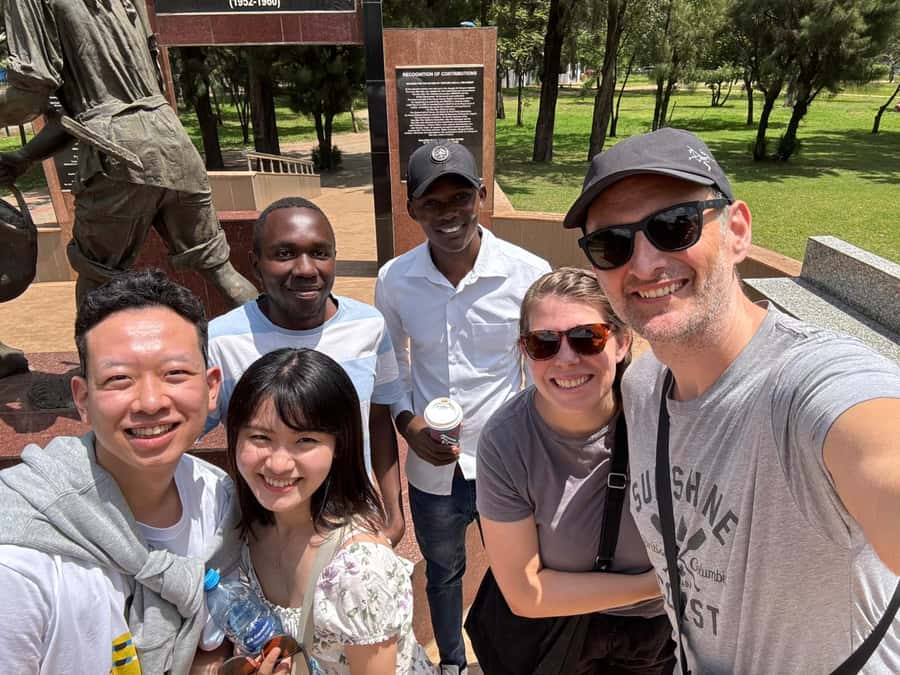
War Monuments and McMillan Memorial Library, the city remembering itself
The tour includes the War Monuments and the McMillan Memorial Library. These stops add an important layer because they shift the day from everyday shopping streets into the Nairobi that wants you to understand its past.
I like that the library stop includes entrance. When access is part of the plan, it usually means you are not standing outside, squinting at a door and hoping the light is right. It is structured, and it helps you connect the architecture and the purpose of the site instead of treating it like a quick photo opportunity.
The library is also a good reminder that Nairobi is not only modern skyline and markets. The city has institutions that signal education, public memory, and a long relationship with the world beyond Kenya’s borders.
Other Kenya bookings that survived the same scrutiny
City Market and Jevanjee Garden, where Nairobi life shows up

Downtown Nairobi can feel like a parade of landmarks. This tour balances that with practical people-watching stops: City Market and Jevanjee Garden.
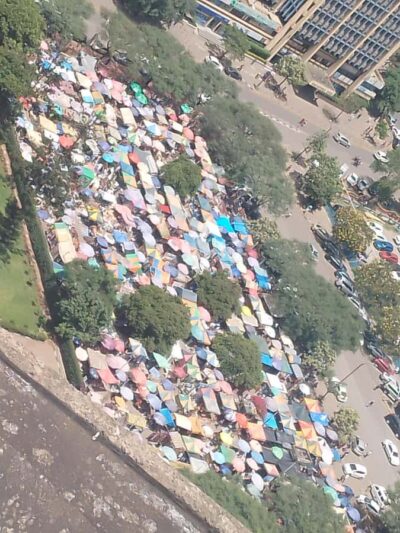
City Market is exactly what you hope for on a walking day, stalls, movement, and the kind of everyday commerce that helps you understand what people do when the cameras are off. If you enjoy browsing and small chats with vendors, this is where your time can expand in the best way.
Jevanjee Garden adds a calmer pause. Think of it as a small reset between busier areas, which helps keep the day from turning into nonstop walking.
One tip that saves time: decide in your head which type of souvenir browsing you want to do. If you want textiles, carvings, or small crafts, you will likely spend more time later at Masai Market, so you can keep City Market light and focused.
A coffee break that actually fits the schedule
There is a local café break on the route, with a chance to taste Kenyan coffee. The tour notes coffee as optional, but the stop itself is part of the experience.
I like this approach because it stops you from chasing coffee randomly during a tight walking schedule. Your guide brings you to a convenient point, you use the break for rest and hydration, then you are back in motion without losing the rest of the itinerary.
If you want to keep costs down, treat coffee as a choice. The tour itself covers guide time and multiple site visits, so you control your spending with the drink order.
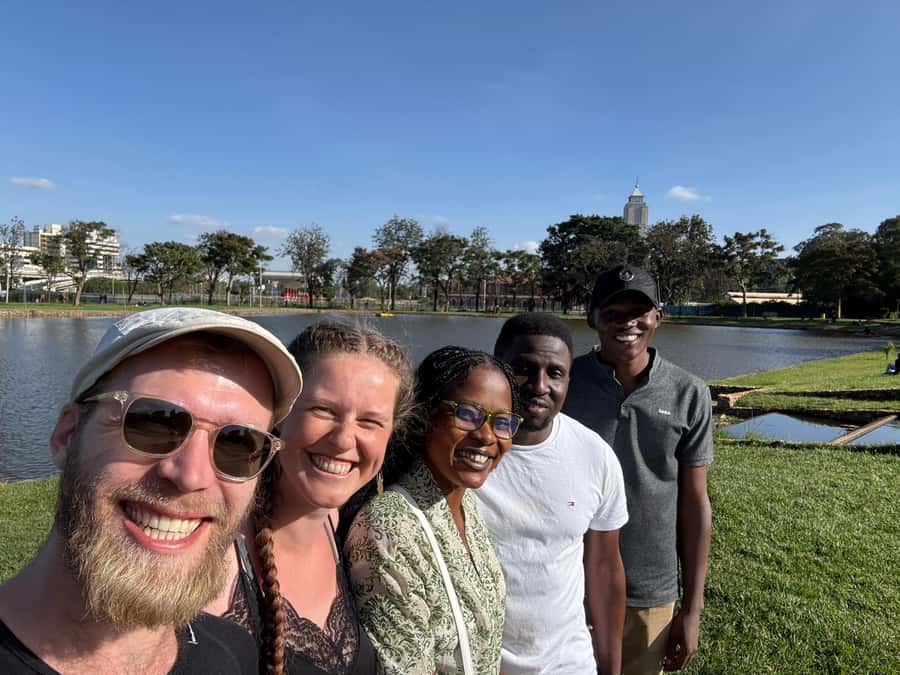
Uhuru Park is your breathing space, not just a green spot
Uhuru Park is often described as one of the nicest city parks for a reason. On this tour, it is not just a pass-by photo stop. You get time to relax in the park, with entry included.
This is where the day feels human. The shade and open space let you slow down, sit, and reset your energy. One review even mentioned a calm atmosphere and sitting on the grass, which is the kind of detail that makes a walking tour feel fair instead of rushed.
From a practical standpoint, this is also where you can recover from sun exposure. Nairobi heat can be real, so plan to hydrate during the park break rather than saving all your water for later.
Holy Family Basilica, a spiritual landmark with city context
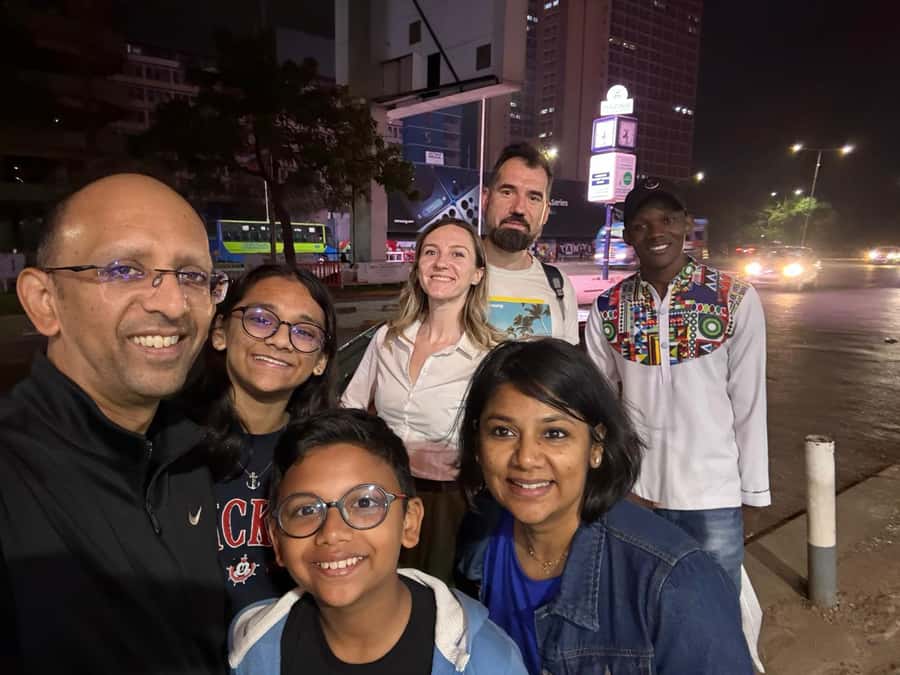
After Uhuru Park, the route includes the Cathedral Basilica of the Holy Family. Basilica visits add depth because they often stand out in the way they combine grand architecture with community purpose.
What makes this stop work inside a walking tour is context. You are already in the part of town where institutions and government buildings sit nearby, so the basilica feels like part of the city fabric, not an isolated detour.
The practical advice remains simple: keep your pace respectful, follow your guide’s cues, and use photography only where it is allowed. The tour notes that photography is allowed, so you should be able to capture key angles without hassle.
University of Nairobi, Norfolk Hotel views, and the KICC photo moment
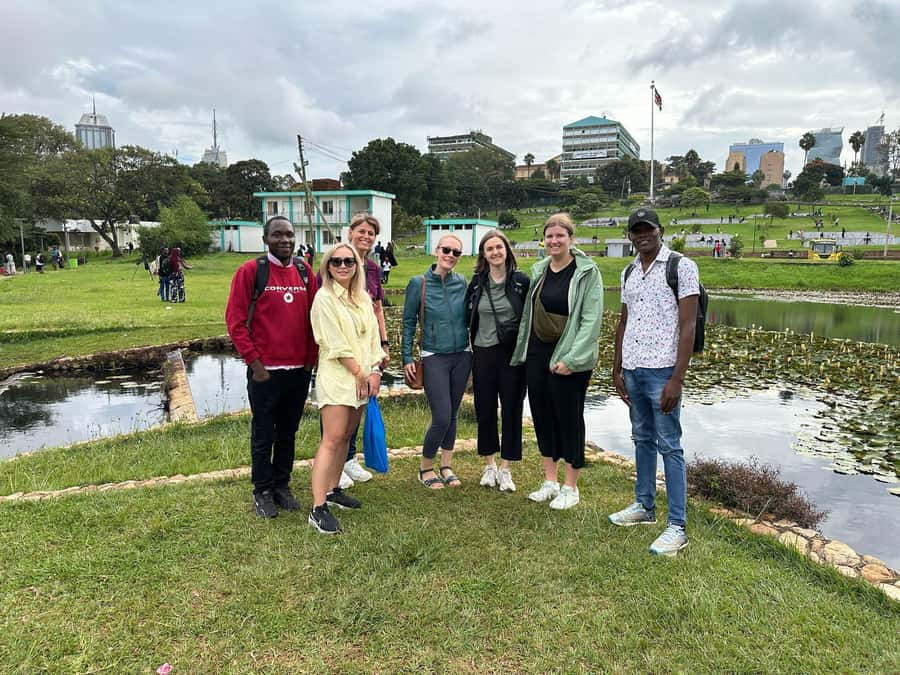
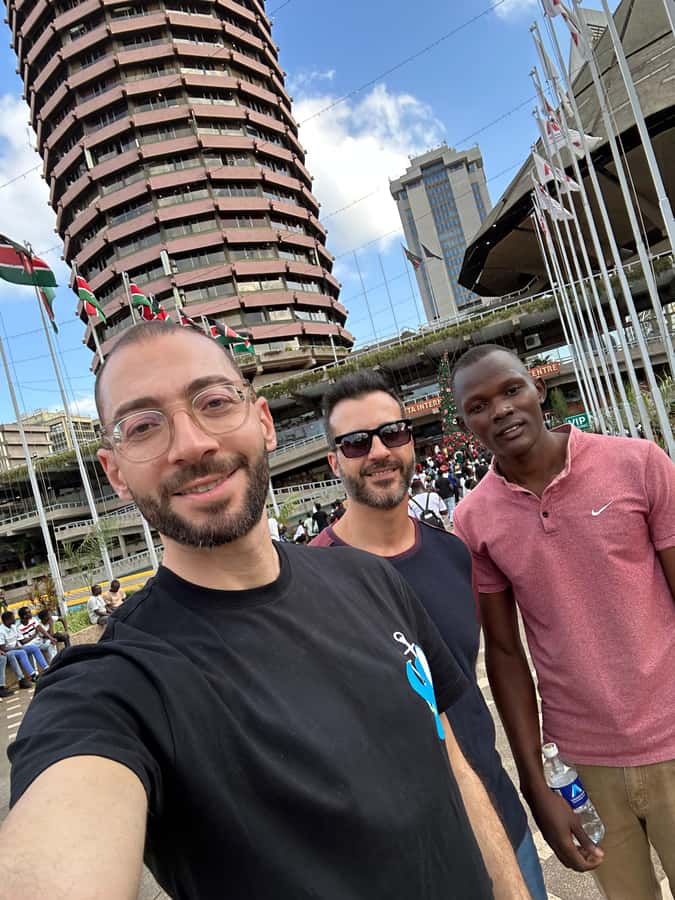
Next comes the University of Nairobi area and a viewpoint toward the Norfolk Hotel. Even if you do not go inside, the perspective helps you understand Nairobi as a working metropolis, with education, hospitality, and administration all layered close together.
Then you hit the Kenya International Conference Centre (KICC). Expect a photo stop plus views and a visit, with KICC and surrounding government buildings included in the tour.
This is one of those “now you get it” moments for first-time visitors. The KICC is iconic for skyline views and it gives you a clean sense of where Nairobi’s power nodes and public institutions sit.
Important note on costs: the tour does not include a KICC helipad fee. If you are hoping for that extra elevation, budget for it separately.
Masai Market shopping, a craft stop that can save you later
After the big landmark zones, the tour includes shopping time at a lively Masai Market. If you like handicrafts, this is where you can actually buy something with story attached, instead of collecting magnets and moving on.
The guide can help you navigate the market and, according to reviews, some guides also help you get better prices. That matters because bargaining is part of the culture in markets, and a guide can help you avoid overpaying just because you do not have experience in that setting.
My advice: go into the market with a small target list. If you wait until you are tired, you end up paying more simply because you want the day to end.
Nairobi Railway Museum and Bomb Blast Memorial Park, remembering with care
The final stretch includes the Kenya Railway Museum, plus a respectful visit to Bomb Blast Memorial Park.
The railway museum is a strong reminder that Nairobi’s modern layout did not appear out of thin air. Museums like this help you connect infrastructure to history, and it gives the walking day a thoughtful “before” and “after” rhythm.
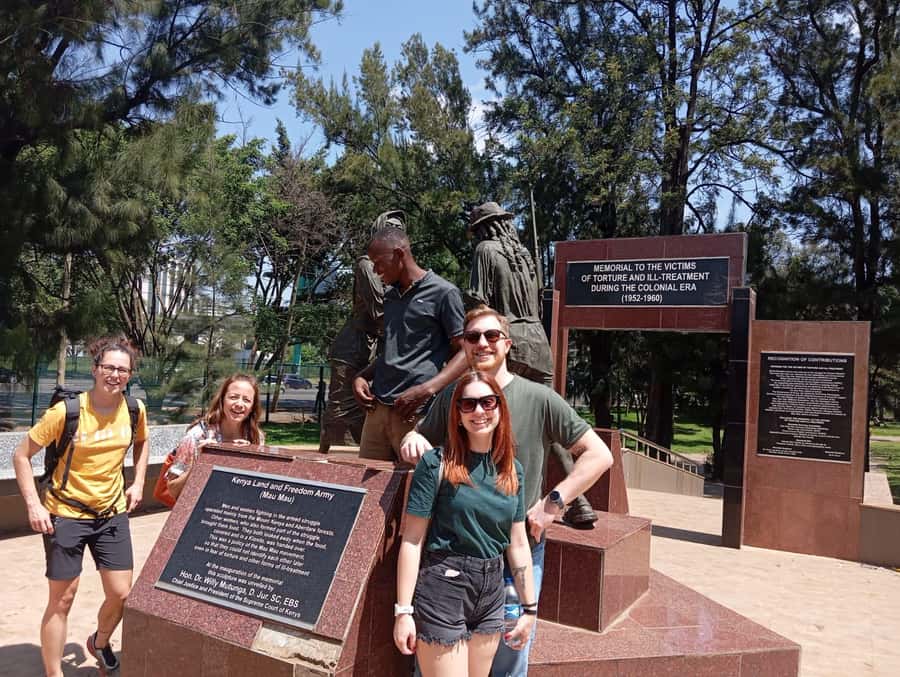
Then Bomb Blast Memorial Park shifts the mood in the right way, toward remembrance and respect. This is not a place for speed. Treat it like a pause in your schedule, lower your voice, and let the space do its job.
In reviews, the memorial visit stands out as part of what makes the tour meaningful, not just another checklist. If you care about history and how it is honored in public spaces, this closing segment is the kind of inclusion you will appreciate later.
Price and value: why $22 works for what you get
At $22 per person for about 3 hours, this tour is good value if you want a structured introduction to Nairobi’s downtown. You are not only paying for a walk. You are paying for a guide, multiple landmark stops, and entrance items like McMillan Memorial Library and Uhuru Park.
You also get:
- Pickup to the starting point
- Visits or viewing stops at major sights like War Monuments, Jamia Mosque, KICC, and Nairobi Railway Museum
- Shopping time at Masai Market
- A respectful visit at Bomb Blast Memorial Park
- A guide who manages timing and keeps the pace from dragging
What is not included is equally important. Meals and drinks are not included, personal spending is on you, coffee is optional, and the KICC helipad fee is not included. So if you plan to eat during the tour or want specific paid add-ons, carry extra cash.
The bottom line: $22 makes the most sense when you want someone to handle routing, timing, and explanations. If you already know Nairobi well and only want quick photos, a guide might feel less necessary.
Who this tour is best for, and who should skip it
This walking tour is ideal if you:
- Want a first-time overview of Nairobi’s CBD landmarks and traditions
- Prefer local storytelling over reading alone
- Like a mix of monuments, markets, and parks instead of one theme only
- Appreciate guided shopping support at Masai Market
You might consider skipping or choosing a different format if you:
- Have limited mobility and do not feel comfortable walking through downtown streets
- Want a long lunch or museum-heavy day, because this stays tightly in about 3 hours
- Dislike visiting religious sites, since Jamia Mosque and Holy Family Basilica are key stops
On accessibility, the tour is listed as wheelchair accessible, which helps if you use mobility equipment. Still, confirm your needs directly before going, because walking tours depend on sidewalks, crossings, and how the route is managed in real time.
Before you go: simple tips that make the day better
Bring a hat and sunscreen. Nairobi sun can make a 3-hour walk feel longer than it is. Pack water too, and use the café and park breaks on purpose.
Wear comfortable walking shoes. Downtown surfaces can be uneven, and your feet will notice the difference if you show up in sandals.
Plan for weather variation. Even if the morning looks fine, Nairobi conditions can shift, and your guide will likely adjust the pace.
Finally, have a loose mindset. Part of the tour’s appeal is that guides can adapt to questions and interest during the stops, including extra photo time and the option to adjust how you spend park moments.
Should you book this Nairobi walking tour
Yes, if you want the best kind of first day in Nairobi: organized, guided, and grounded in real places. The standout strength is how guides like Edwin and John turn a route of famous names into a story you actually understand, while still giving you time to breathe in Uhuru Park and browse markets without feeling trapped.
Book it especially if you are traveling solo or short on time. For $22, you get a lot of major stops, included entry to key sites, and a guide who can help you move through downtown more confidently.
Skip it only if you want a slow, museum-only day or you cannot handle walking. For everything else, it is a smart, cost-effective way to get your bearings and feel the city’s blend of tradition and modern life.
FAQ
How long is the Nairobi walking tour?
The tour lasts 3 hours.
What does the tour cost?
It costs $22 per person.
Where does the tour start?
You start at the Carrefour entrance near the Supreme Court building.
Is pickup included, and how does it work?
Pickup is included to the starting point. The pickup is done at your hotel, apartment, or hostel entrance for locations within 10 km in Nairobi Municipality. If your place is not listed, you are asked to send your location on WhatsApp.
What major stops are included?
The tour includes visits and viewing stops such as War Monuments, McMillan Memorial Library, Jamia Mosque, City Market, Uhuru Park, Cathedral Basilica of the Holy Family, the Kenya International Conference Centre (KICC) and surrounding government buildings, the Nairobi Railway Museum, and Bomb Blast Memorial Park. It also includes a stroll by the University of Nairobi and viewing the Norfolk Hotel, plus shopping at Masai Market and time at Jevanjee Garden.
Are meals and coffee included?
Meals and drinks are not included. A coffee stop is part of the tour, but coffee is listed as optional.
What languages are available for the guide?
The live tour guide speaks Spanish, English, and French.
Is the tour wheelchair accessible?
Yes, the tour is listed as wheelchair accessible.
Can I cancel, and what extra fees are not included?
You can cancel up to 24 hours in advance for a full refund. Extra fees not included include meals and drinks, personal expenses, coffee (optional), and the KICC helipad fee.
More Tours in Kenya





More Tour Reviews in Kenya



Everything else we hold on Kenya
- Shimba hills tropical rain forest day trip★ 4.6 · 3 reviews
- From Nairobi: Day Tour to Mount Longonot (Private)★ 4.6 · 3 reviews
- 4 Days wildebeest lake nakuru masai mara safari★ 5.0 · 3 reviews
- From Nairobi: Masai Mara 3-day Camping Safari by Jeep★ 4.0 · 3 reviews
- 12 Days wildebeest migration Masai Mara Nakuru Uganda gorilla trekking safari★ 4.5 · 3 reviews
- 12 Days Samburu Ol-pejeta lake Nakuru Masai Mara lake Naivasha Amboseli safari★ 5.0 · 3 reviews
Nairobi City Tours, compared.
 ★ 5.0Nairobi Historical Walking City TourFrom $35258 reviews
 ★ 4.7Nairobi Downtown Walking TourFrom $27208 reviews
 ★ 5.0Nairobi City Walking Tour with Traditional Kenyan LunchFrom $45106 reviews
 ★ 4.8Nairobi Walking Tour: Downtown & City TourFrom $2032 reviews
 ★ 4.0vibrant nairobi city tourFrom $3522 reviews
 ★ 4.6Nairobi City Orientation Guided Tour with Lunch at CarnivoreFrom $15020 reviews
 ★ 5.0Nairobi city sights, Giraffe Encounters and Bomas Kenya TourFrom $9519 reviews
 ★ 4.9Nairobi City: Walking tour with Lifestyle and History.From $3517 reviews
Appears in these lists