
REVIEW · FORT JESUS AND MOMBASA OLD TOWN
Lamu Old Town Walking Tour
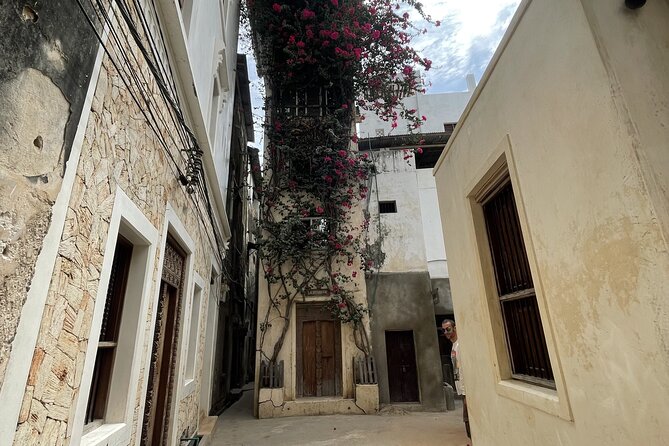
Lamu’s lanes tell stories at every turn. This walk is for slow looking, I like the Swahili music moments that color the route and the close up feel of wood-carved doors on coral-built houses. One consideration, entry fees inside the fort and museum are not included.
You’ll go with Kassim Tours & Holiday Dreams, and the guide Kassim gets called out for going above and beyond, sharing shortcuts, and pointing you to good souvenir spots. The route is only 2 to 3 hours, and with a maximum of 15 people the pace stays friendly instead of rushed.
You also get practical help beyond sightseeing, like where to eat Swahili food, what to buy, and fun add ons such as sailing or fishing tours and how to reach Takwa Ruins. Since the experience requires good weather, I’d plan a backup window in your Lamu schedule.
In This Review
- Key highlights you’ll feel fast
- Why Lamu Old Town feels different on foot
- Meeting at Lamu Town Square and what the 2 to 3 hour route means
- Coral lanes, carved doors, and the real reason to do a “walking” tour
- Wood carving, silversmithing, and weaving workshop stops
- Lamu Market, Town Square, and the “in-between” moments
- Lamu Museum and the canons outside: power, trade, and shifting rule
- Lamu Fort stop: what you can expect and what to plan for
- Donkey sanctuary and how it changes the feel of your walk
- Lamu seafront time: where the sea air makes the old town click
- Swahili culture and music notes you’ll actually use
- Side trips and recommendations: Takwa Ruins, sailing, and fishing
- Price and value: how $20 fits a 2 to 3 hour old town loop
- Who should book this tour, and who should choose something else
- Should you book the Lamu Old Town walking tour?
- FAQ
- How long is the Lamu Old Town Walking Tour?
- What does the tour cost?
- Where do I meet for the tour?
- What is included in the price?
- Are entrance fees to the fort and museum included?
- What sights and stops are part of the route?
- How big is the group?
- What kind of ticket do I receive?
- Is there a weather requirement, and what happens if it is poor?
- What is the cancellation policy?
Key highlights you’ll feel fast

Kassim as your guide, friendly, approachable, and big on helpful local tips (including shortcuts)
Coral streets and door carvings, you’ll see the craftsmanship up close, not from a distance
Swahili culture in motion, including traditional music as you move through the old town corners
Craft shop stops, including wood carving, silversmithing, and weaving you can watch in action
Major Lamu landmarks in one loop, Lamu Market, Town Square, Fort, Museum, and the seafront
Small group size, maximum 15 travelers, so questions and photo stops stay easy
Shortlisting? These Kenya bookings went through the same checks.



Why Lamu Old Town feels different on foot
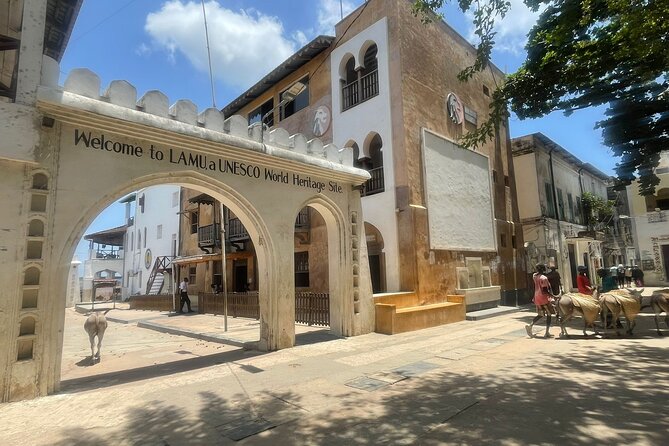
Lamu is the kind of place where the street layout teaches you something. Walking its narrow lanes means you notice coral walls, carved door panels, and the small corners that bigger tours often speed past.
This tour is built for that slow, street-level experience. You’re not just ticking off names, you’re learning how the town works, what people make, and how Swahili culture shows up in everyday life.
And because it’s led by a professional English fluent guide, you get context as you go. That matters in Lamu, since so much of the meaning is in details, like a door style, a workshop practice, or a landmark’s past purpose.
Meeting at Lamu Town Square and what the 2 to 3 hour route means
You’ll meet at Lamu Town Square (PWJ2+FWW), then the tour ends back at the same point. That simple setup is a win if you’re trying to structure your day, especially since this is a short 2 to 3 hour walk.
The group max is 15 people. In practice, that usually means fewer bottlenecks in tight lanes and more time to ask questions instead of waiting for the whole group to shuffle forward.
You also get a mobile ticket. For a walking tour, that can make things smoother at check in, since you’re not managing paper tickets in a place where you’ll likely be moving constantly.
Coral lanes, carved doors, and the real reason to do a “walking” tour
The core of the experience is the feeling of being inside Lamu Old Town. You’ll see narrow streets and corners, plus the Lamu seafront, with lots of places that showcase woodwork and coral-built architecture.
This is where door carvings do the storytelling. You’ll find different styles, and a good part of the guide’s job is translating what you’re seeing into something meaningful: what the carvings are used for, and how local artisans express identity through wood.
You’ll also pass houses made with corals, which is an important detail because it explains why Lamu looks the way it does. Coral stone is part of the local look and the local building logic, so when you notice it in several neighborhoods, it stops being random and starts feeling intentional.
Practical note: the lanes are narrow. Bring shoes you’re happy walking in for a couple of hours, since you’ll spend most of your time on foot, not in a vehicle.
Wood carving, silversmithing, and weaving workshop stops
One of the best parts of this tour is how it connects craft to place. Instead of treating crafts as souvenirs, you’ll see local working shops tied to the Lamu Old Town environment.
You’ll get stops focused on:
wood carving
silversmithing
weaving
Those three are not random picks. They represent different skill sets you can compare in real time. Wood carving shows artistry in structure and surface. Silversmithing points to patience and precision with metal. Weaving connects the craft to daily use and local materials.
What I like about this approach is that it gives you something to look for while you’re walking. When the guide points out a detail on a carved piece or explains how a craft is made, your brain starts noticing similar features everywhere in town.
Other Kenya bookings that survived the same scrutiny
Lamu Market, Town Square, and the “in-between” moments
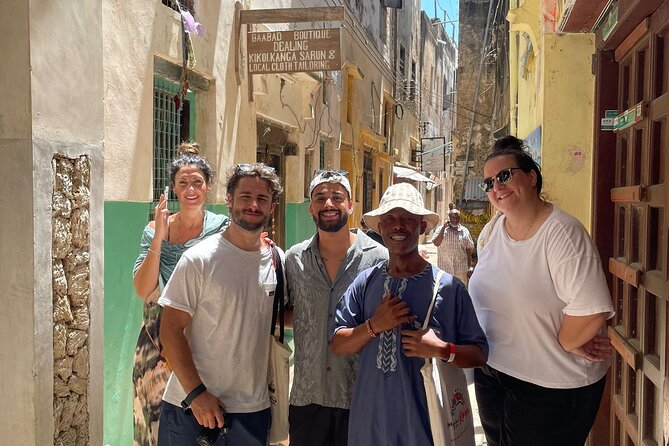
The tour includes Lamu Market and the Lamu Town Square. These are the kinds of places where you see how locals move, trade, and socialize.
Markets are also a great place for a guide, because you can ask practical questions you might not think to ask on your own. Where should you browse? What’s worth your money? What’s a good souvenir that won’t fall apart in your suitcase?
This is exactly where Kassim gets credit, he helps people with tips and best places to buy souvenirs. If you’re the kind of traveler who wants authentic buys without getting steered, having someone who knows the streets is a real advantage.
You’ll also get traditional Swahili music along the way. Those moments can feel spontaneous in old towns, but this guide is actively looking for them so you’re not just walking past art, you’re hearing it in the right place and time.
Lamu Museum and the canons outside: power, trade, and shifting rule
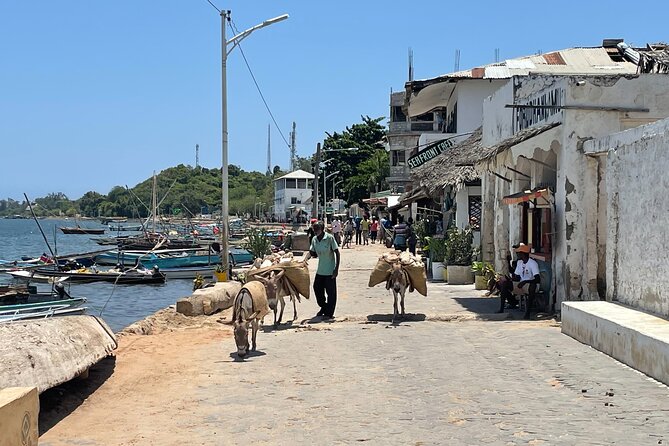
The tour gives you time to see the museum and understand its layered story. The explanation focuses on how the building served different rulers over time.
You’ll learn that the first power tied to the site was the Oman King, and at that time it functioned as a palace for the king. Later, during the British period, it was used as a headquarters for the Imperial British East African Company.
At some point, the building was converted into a museum. That kind of change is more than a trivia fact. It means the walls you’re looking at carry multiple chapters of Lamu and coastal history, even if you’re standing in the present.
Outside the museum, you’ll see canons used to bomb the Sultanate at Witu. It’s a heavy detail, but it helps you connect the town to the wider story of the region.
Entrance fees inside the museum are not included, so if you want to go in, I recommend setting aside a little extra budget. If you’re history-driven, you’ll likely feel the extra value.
Lamu Fort stop: what you can expect and what to plan for

The itinerary also includes Lamu Fort. Like the museum, the fort has its own entry fee, which is not included in the tour price.
That separation matters for your planning. The guide will show you the fort as part of the walk, but whether you spend more time inside depends on your ticket choice and your energy level.
Even if you decide not to go inside, the fort stop is still useful because it gives your walk physical landmarks. It helps you picture where defense and authority sat in the old town layout, rather than treating buildings as isolated photos.
If you do pay for entry, you’ll get a more complete sense of how protection and administration shaped Lamu’s growth.
Donkey sanctuary and how it changes the feel of your walk
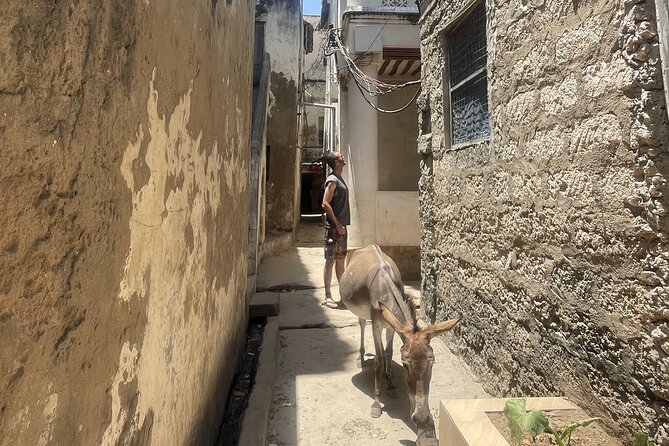
The tour also includes a Donkey Sanctuary. This is a meaningful contrast to the more “monument” stops like fort and museum.
Animal sanctuaries often shift your perspective in a good way. Instead of only learning about old power, you’re also seeing a current-day care effort tied to the realities of local life.
It’s also the kind of stop that can be a mental reset after time in markets and workshops. If your schedule includes heat or crowds later, this tour gives you one calm, grounded moment built into the route.
Lamu seafront time: where the sea air makes the old town click
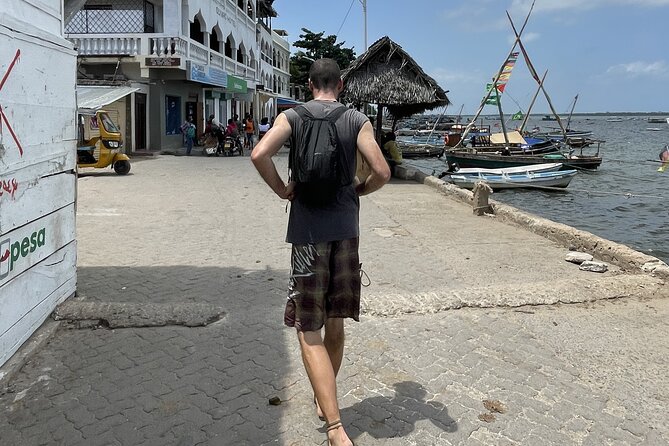
You’ll have time to enjoy the Lamu seafront. That matters because it gives your brain a reference point after hours of narrow lanes and workshop alleyways.
When you see the sea alongside coral architecture, you start understanding why Lamu developed the way it did. Trade, travel, and work tied to the coast show up in how the town is arranged.
Seafront stops also help your photos. Instead of only shooting door carvings and close corners, you can frame the town’s relationship to the water and the sky.
Swahili culture and music notes you’ll actually use
A big part of the value here is the guide’s focus on Swahili culture and music. You’ll learn along the route, not from a lecture after you’re already done walking.
Swahili culture shows up in how people talk, what they make, and how music becomes part of daily life and community identity. When your guide points those connections out, it makes the town feel less like a museum and more like a living place.
The music moments are also a great time to slow down. You’ll often remember those sounds longer than you remember a signpost, because it’s sensory and personal.
Side trips and recommendations: Takwa Ruins, sailing, and fishing
One of the practical strengths of this tour is what happens after the walk. Your guide will recommend places to eat local food, Swahili cuisine, and even places to stay.
You’ll also get ideas for fun activities to complement your time in Lamu, including sailing tours, fishing tours, and how to go to Takwa Ruins.
This is where a strong local guide pays off. Lamu is a town where “just do this one attraction” can leave you with a weirdly empty schedule. Getting a couple of good options, based on your interests and the time you have, makes it easier to build a day that feels full.
I’d use this part like a menu. Ask what fits best for your pace and which ideas depend on weather and timing.
Price and value: how $20 fits a 2 to 3 hour old town loop
At $20 per person, this tour sits in the low-cost range for guided walking experiences. The guide time is included, and the plan covers a long stretch of Lamu Old Town, with multiple landmark stops and craft-focused viewpoints.
What you should factor in is the parts not included: entrance fees inside the fort and the museum. If you plan to go in, budget a bit extra so you don’t get surprised at the door.
For most people, the value comes from three things:
a short time window (2 to 3 hours)
small group size (max 15)
local knowledge that turns places into context, not just sights
If you’re on a tighter budget but still want a guide who can help you navigate streets and recommend good buys, this is an efficient way to spend a morning or afternoon in Lamu.
Who should book this tour, and who should choose something else
I think this is a great fit if you want:
a guided introduction to Lamu Old Town
craft stops (wood carving, silversmithing, weaving) with explanations
a route that hits key landmarks without a rushed pace
local tips for food and shopping from someone who knows the streets
It may not be the best match if you want a long, deep museum day or a very detailed ticket-only itinerary inside every building. Since entrance fees inside the fort and museum are separate, you’ll want to decide in advance how much inside-time you want.
Also, because the experience requires good weather, I’d treat it as something to schedule when skies cooperate.
Should you book the Lamu Old Town walking tour?
If you want an efficient, street-level introduction to Lamu, I’d book it. For $20, you’re paying for a professional English fluent guide and a route that links coral architecture, door carving, local crafts, Swahili culture, and major landmarks into one easy walking block.
The biggest reasons to choose this one are simple: Kassim’s reputation for helpful, friendly guidance and the way the walk mixes sights with practical advice for where to eat and what to buy. Add in the small group size, and the tour feels like a guided walk that respects your time.
If you’re history-minded, plan for the museum and fort entry costs so you can take full advantage of the stops. If you do that, you’ll leave with a clearer sense of Lamu, not just a stack of photos.
FAQ
How long is the Lamu Old Town Walking Tour?
The tour lasts about 2 to 3 hours.
What does the tour cost?
The price is $20.00 per person.
Where do I meet for the tour?
You meet at Lamu Town Square (PWJ2+FWW, Lamu, Kenya).
What is included in the price?
The tour guide for the time of the tour is included.
Are entrance fees to the fort and museum included?
No. Entrance fees inside the fort and the museum are not included.
What sights and stops are part of the route?
The tour includes Lamu Old Town highlights such as Lamu Market, Lamu Town Square, Lamu Fort, Lamu Museum, Donkey Sanctuary, the seafront, weaving, silversmithing, and wood carving local working shops.
How big is the group?
This tour has a maximum of 15 travelers.
What kind of ticket do I receive?
You receive a mobile ticket.
Is there a weather requirement, and what happens if it is poor?
The experience requires good weather. If it is canceled due to poor weather, you will be offered a different date or a full refund.
What is the cancellation policy?
Free cancellation is available. You can cancel up to 24 hours in advance for a full refund. If you cancel less than 24 hours before the experience’s start time, the amount you paid will not be refunded.
More Tours in Kenya






More Tour Reviews in Kenya



Everything else we hold on Kenya
- Shimba hills tropical rain forest day trip★ 4.6 · 3 reviews
- From Nairobi: Day Tour to Mount Longonot (Private)★ 4.6 · 3 reviews
- 4 Days wildebeest lake nakuru masai mara safari★ 5.0 · 3 reviews
- From Nairobi: Masai Mara 3-day Camping Safari by Jeep★ 4.0 · 3 reviews
- 12 Days wildebeest migration Masai Mara Nakuru Uganda gorilla trekking safari★ 4.5 · 3 reviews
- 12 Days Samburu Ol-pejeta lake Nakuru Masai Mara lake Naivasha Amboseli safari★ 5.0 · 3 reviews
Fort Jesus and Mombasa Old Town, compared.
 ★ 5.0Walking Tour Through Old Town Mombasa and Fort JesusFrom $50393 reviews
 ★ 4.7Mombasa: Tusks, Fort Jesus, Old Town, Beach and City TourFrom $30137 reviews
 ★ 5.0Visit to Fort Jesus and the Old Town of MombasaFrom $4047 reviews
 ★ 5.0Fort Jesus Museum Walking Tour in MombasaFrom $3525 reviews
 ★ 4.6Mombasa: Private City Tour with Fort Jesus & Haller ParkFrom $12924 reviews
 ★ 5.0Mombasa Half-Day City Tour with Fort Jesus and Haller ParkFrom $15023 reviews
 ★ 5.0Mombasa city tour, Fort Jesus and Haller ParkFrom $9020 reviews
 ★ 4.8Mombasa City Tour,Fortjesus,Oldtown,Tusks and Spice Market.From $4519 reviews
Appears in these lists