

REVIEW · NAIROBI CITY TOURS
vibrant nairobi city tour
City noise, walking shoes, and great views. I like the way this Nairobi tour starts at GPO and then heads straight to KICC, where you get an aerial look over the city before you’re even halfway through the walk. That early viewpoint helps you understand Nairobi fast, then the rest of the route adds people, place names, and stories you can actually remember.
You’ll also enjoy how the route blends shopping and street life, especially the Maasai Market and the City Market, where you can browse crafts and see everyday Nairobi commerce. One thing to consider: meeting point confusion can happen, so plan to arrive early and double-check you’re at the right start location before the walk begins.
In This Review
- Key highlights to look for
- From GPO to KICC, you get Nairobi’s layout fast
- KICC aerial views, the best head-start for first-timers
- August 7th Memorial Park, where the walk turns reflective
- Maasai Market and matatu culture, the real Nairobi street rhythm
- Nairobi Railway Museum, a stop that adds real context
- Downtown walking, Nairobi Gallery, and Jeevanjee Gardens reset
- City Market, where the food and daily life are the main attraction
- Nairobi National Museum, finishing with culture and heritage
- Price and what $35 buys in a 2-hour walk
- Who this walking tour is best for
- Should you book this Nairobi city tour?
- FAQ
- What is the duration of the Nairobi city walking tour?
- How much does the tour cost?
- Where does the tour start?
- What is included in the price?
- What is not included?
- What languages are available for the live tour guide?
- What are the cancellation and booking options?
Key highlights to look for

- KICC aerial views that help you picture where everything sits in Nairobi
- Matatu culture glimpses while you move through central streets
- Maasai Market browsing for crafts, souvenirs, and real street atmosphere
- Nairobi Railway Museum for a look at Kenya’s railway and colonial-era connections
- Jeevanjee Gardens break for a calmer pause in the middle of downtown
- Nairobi National Museum finish so the day ends with context on culture and heritage
Nairobi covered at street level and by minivan
From GPO to KICC, you get Nairobi’s layout fast

Starting at the GPO area is a smart way to begin. It puts you in the center of Nairobi, where you can feel the city’s energy right away. Then the tour pushes quickly toward Kenyatta International Conference Centre (KICC), and that is where the whole experience clicks for first-timers.
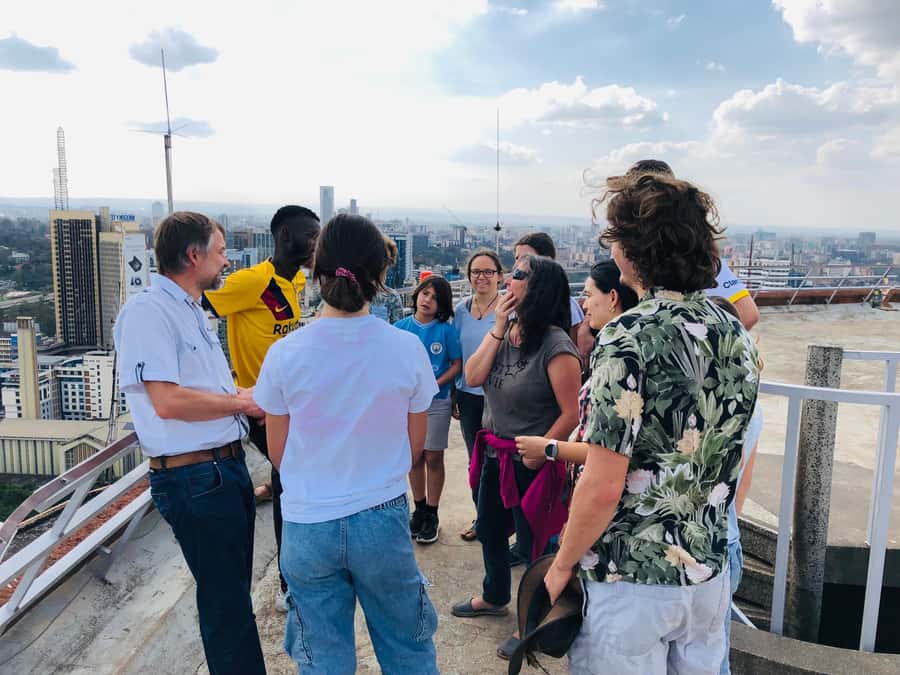
From KICC, you get scenic views of Nairobi from above. Even if you only catch a few angles, it changes how you read the city. Streets that looked random on arrival suddenly make sense. Landmarks stop feeling like names on a map and start feeling like points on a route you can follow.
This is also a guide-driven tour, not a “see everything and hope you get it” situation. A good guide helps you connect the dots between what you’re standing in front of and what it means historically and socially.
Practical note: wear comfortable shoes. This is a walking tour through central Nairobi, and you’ll want your feet to be happy by the time you reach the markets.
KICC aerial views, the best head-start for first-timers
KICC is the headline stop for a reason. The aerial view doesn’t just look cool, it helps you orient. Nairobi is big, and in central areas the city can feel layered, with modern buildings and older spaces sitting close together.
When you see the city from above, you start noticing patterns: where major areas cluster, where movement concentrates, and how the downtown grid relates to other parts of town. That matters because the rest of the tour is a sequence of stops that each adds a different lens, markets for daily life, memorials for meaning, museums for context.
If you’re the type who likes to understand a place instead of just passing through it, KICC delivers. It’s also a helpful “reset” point. If you’ve just landed, or if you’ve been stuck in traffic, going up for the view gives you a mental breath and a visual anchor.
Also, keep your expectations realistic: you are getting a view and some guided context, not an all-day architecture study. Still, for a 2-hour walking experience, it’s a high-value start.
August 7th Memorial Park, where the walk turns reflective

Next comes the August 7th Memorial Park. This stop shifts the tone. Instead of shopping and street scenes, you get a place of reflection linked to Kenya’s political history.
What I like about this kind of pause is how it prevents the tour from feeling like only a sightseeing loop. Memorial parks have a way of grounding the day. Even if you’re not a history buff, the atmosphere makes you slow down and read the significance in a quieter setting.
It’s also a practical breather. Walking in central Nairobi can be lively in the literal sense, so having a calmer stretch helps you recharge before you head back into busier areas and markets.
Tip: take a moment here to absorb the names and the purpose of the park. The guide’s explanation is what turns a location into understanding. If you ask questions, this is often the best place to do it, because the mood supports thoughtful conversation.
Maasai Market and matatu culture, the real Nairobi street rhythm

The tour’s shopping stops are where Nairobi becomes tactile. The Maasai Market is a key moment: you’ll browse crafts and souvenirs, and you’ll see how locals turn skills into products you can take home.
What makes this more than just shopping is that it’s paired with street-life context. One of the tour highlights is matatu culture, Nairobi’s famous shared-bus scene. You’ll experience it as you move through central streets, seeing how people ride, how routes work, and how the city keeps moving.
This combo works well because the markets give you objects, and the street scenes give you the system behind the objects. Crafts are one part. The daily motion of the city is the other part.
If you want value in your purchases, don’t rush. Look around first, then decide. Also, keep smaller bills and be ready for friendly negotiation. Even if you’re not shopping heavily, browsing is part of the experience.
One more practical point: markets can be hot and crowded at peak times. Bring water, and keep your phone and wallet secured.
Other Nairobi bookings that survived the same scrutiny
Nairobi Railway Museum, a stop that adds real context
Then you shift into history through the Nairobi Railway Museum. This is an important contrast to the market stops. You’re moving from immediate everyday life into the story of how transport shaped development, especially during colonial periods tied to rail.
Railways often sound like a niche topic until you connect them to why a city grew the way it did. The museum helps you connect “movement” to “power,” how infrastructure changed trade, settlement patterns, and the economics of the region.
This stop is also a strong choice if you like structured explanations. Museums tend to slow down the tour naturally. You can stand, look, and listen without feeling like you’re constantly moving through traffic.
If you’re short on time, you might not see every single exhibit in depth, but the guide can point you toward the highlights most relevant to Nairobi’s story. That makes this museum stop feel purposeful instead of like a quick photo stop.
Downtown walking, Nairobi Gallery, and Jeevanjee Gardens reset

As the tour continues through the central area, you’ll see the blend of modernity and tradition that defines Nairobi. Downtown scenes can be fast to judge if you only glance. The walking pace helps you notice small details: building styles, street activity, and how different eras overlap.
A stop at the Nairobi Gallery adds a cultural lens. Art and design show up differently in different countries, and this is a chance to see Kenyan creativity in a more direct way than street-level browsing alone.
Then comes Jeevanjee Gardens, which works as a breather. It’s a green space in the middle of the city hustle, giving you a calmer stretch where you can regroup. After markets and museum interiors, gardens help reset your attention so you can still pay attention when the tour reaches the final push.
This sequence, street context to arts stop to garden pause, is good for keeping the tour from feeling like only one thing. It also makes the final market and museum stops land better, because you’re not exhausted by the time you get there.
City Market, where the food and daily life are the main attraction
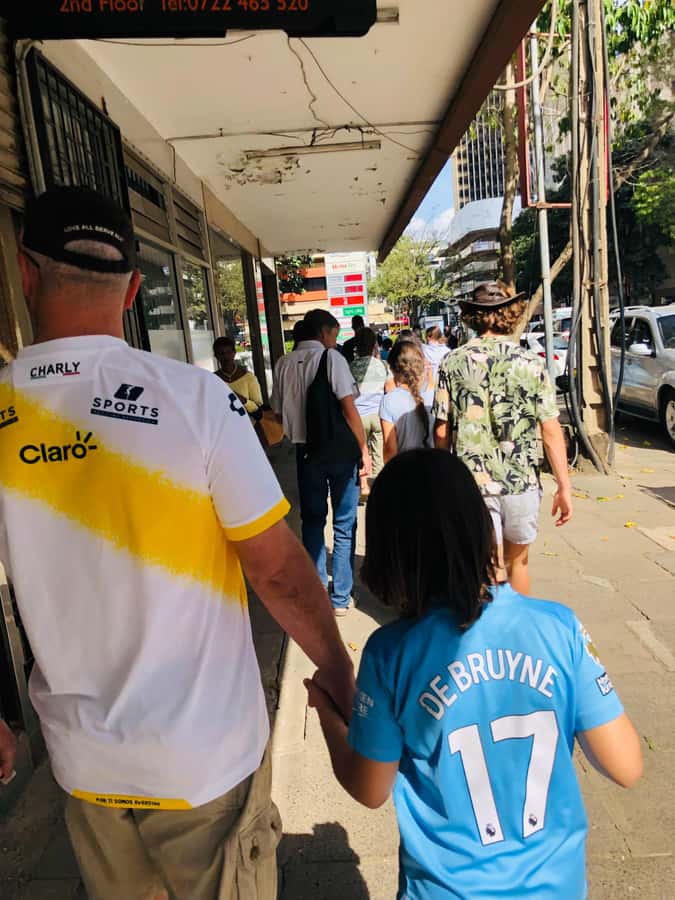
The tour concludes with the City Market experience before the final museum stop. This is where you’ll feel Nairobi through everyday commerce. It’s not just crafts and souvenirs. You’re also seeing fresh produce and local flavors as part of daily routines.
If you enjoy food culture and normal life, this is one of the most enjoyable parts of the day. Markets are where you understand how people eat, what they buy, and how the city sustains itself on the ground level.
It’s also a good chance to pick up small snacks or drinks if you have time and you’re ready to pause. Just keep an eye on your schedule. A 2-hour tour is short, so the group moves efficiently from stop to stop.
Suggestion: treat this as a “browse and taste if you want” stop. Even if you do not buy anything, the experience of walking through a local market can be one of the most memorable pieces of your first Nairobi day.
Nairobi National Museum, finishing with culture and heritage
After City Market, the tour ends at the Nairobi National Museum. This is a strong way to wrap up, because it gives you a bigger frame for what you saw during the walk.
The museum helps you connect Nairobi’s culture and history to the wider story of Kenya, including natural heritage. That last stop matters because it turns scattered impressions into a coherent mental map: people, place, and meaning.
For many first-time visitors, the museum offers the most lasting understanding. Photos fade faster. Stories and context tend to stick.
Practical note: since entry is not included, plan for any museum ticket costs. If you’re on a tight budget, you can still enjoy the setting and guided orientation, but you’ll want to know whether you’ll be paying separately for entry if you want the full experience.
Price and what $35 buys in a 2-hour walk
At $35 per person for 2 hours, this tour is priced like an efficient orientation walk. You get a guide included, multiple central stops, and a mix of views, markets, and museums. It is not a private driver tour, and it is not a full-day deep dive. So if you like quick context plus a few memorable anchors, the price makes sense.
The bigger value question is what you personally care about most:
- If you want KICC views plus guided context in a short time, you’ll likely feel good about the cost.
- If you plan to spend heavily on market shopping or you want museum entry included, you should budget for those add-ons.
Also, entry is not included and pickup is not included. That means you’ll need to get yourself to the start point, and you may need to pay for sites separately if you want full access inside.
Good shoes, a little cash, and a willingness to ask questions go a long way here. The tour is short enough that your attention matters.
Who this walking tour is best for
This tour fits best if you:
- Are in Nairobi for a brief stop and want a first-day orientation
- Like a guided route that covers multiple kinds of places, views, memorials, markets, and museums
- Enjoy street culture, especially matatu culture, alongside places of meaning
- Prefer walking with explanations rather than driving around with fewer stops
It may feel less satisfying if you want a super detailed museum day or a slow, leisurely shopping crawl. The tour is designed to move efficiently through key central points.
Language can also affect your experience. The tour offers English, French, Spanish, German, Chinese, and Italian, but in real life, language matching can be imperfect. I’d message ahead if having your requested language matters to you, and I’d come prepared to work with the guide’s English if needed.
Should you book this Nairobi city tour?
I think it’s a good booking if your goal is a quick Nairobi primer with strong anchors: KICC for the aerial view, a market experience for everyday life, and museums for context. The format is efficient, and the route gives you a satisfying spread for a 2-hour window.
Book it if you:
- Want an easy way to get oriented right away
- Like mixing street life with cultural stops
- Are comfortable paying entry separately for sites you want to go inside
Skip or rethink it if:
- You need very specific language support and get nervous about last-minute changes
- You tend to arrive late or struggle with meeting points in busy city centers
If you do book, arrive early and keep your plans simple. Show up on time, bring comfy walking shoes, and come with one or two questions you care about. A good guide can turn this short walk into a real introduction to Nairobi, not just a list of sights.
FAQ
What is the duration of the Nairobi city walking tour?
The tour lasts 2 hours.
How much does the tour cost?
The price is $35 per person.
Where does the tour start?
The starting location is GPO.
What is included in the price?
A tour guide is included.
What is not included?
Entry fees and pickup are not included.
What languages are available for the live tour guide?
The live tour guide is available in English, French, Spanish, German, Chinese, and Italian.
What are the cancellation and booking options?
You can cancel up to 24 hours in advance for a full refund, and you can reserve now and pay later.
More Tours in Nairobi






More Tour Reviews in Nairobi


Nairobi at Street Level





Everything else we hold on Nairobi
- 7 Days Private 4 star lodges Safari by LandCruiser from Nairobi★ 5.0 · 3 reviews
- 5 Days/4 Nights Kenya Safari★ 4.5 · 3 reviews
- Safari Park Hotel Show & Dinner Experience In Nairobi Tour★ 3.6 · 3 reviews
- Day safari to Olpejeta Rhino conservancy★ 5.0 · 3 reviews
- 7 Days Breathtaking Kenya Wildlife Private Safari★ 5.0 · 3 reviews
- Overnight Amboseli National Park Safari from Nairobi★ 5.0 · 3 reviews
Nairobi City Tours, compared.
 ★ 5.0Nairobi Historical Walking City TourFrom $35258 reviews
 ★ 4.8Nairobi Walking tour:Explore History Culture and TraditionsFrom $22222 reviews
 ★ 4.7Nairobi Downtown Walking TourFrom $27208 reviews
 ★ 5.0Nairobi City Walking Tour with Traditional Kenyan LunchFrom $45106 reviews
 ★ 4.8Nairobi Walking Tour: Downtown & City TourFrom $2032 reviews
 ★ 4.6Nairobi City Orientation Guided Tour with Lunch at CarnivoreFrom $15020 reviews
 ★ 5.0Nairobi city sights, Giraffe Encounters and Bomas Kenya TourFrom $9519 reviews
 ★ 4.9Nairobi City: Walking tour with Lifestyle and History.From $3517 reviews
Appears in these lists