
REVIEW · HISTORICAL TOURS
Nairobi: Historic and Modern Highlights Walking Tour
Nairobi changes fast when you walk. I like how this tour blends historic landmarks with modern city power, and I especially love the chance to practice Swahili with locals. You also get a payoff at the end with skyline views from the KICC rooftop, where the air usually feels cooler than down on the street.
Guides like Simon and Jackie (and others) keep the pace calm, answer real questions, and connect the sights to how Nairobi works day to day. My only caution: this walk is not suitable for wheelchair users or people with mobility impairments, so if walking distances are a problem, you may want a different format.
If you are new to Nairobi or short on time, this is a smart way to get your bearings fast, taste Kenyan food culture, and shop with less stress. It also works well if you want safety built in, because you are not wandering CBD alone with no context.
In This Review
- Key highlights you will feel right away
- Nairobi CBD in 3 hours: how the $23 value adds up
- Meeting at CJs on Koinange Street: the start that sets the tone
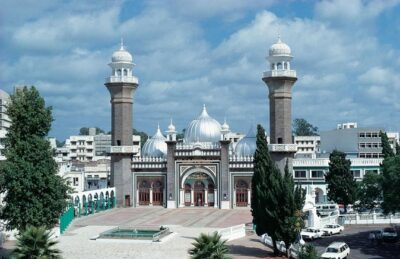
- Jeevanjee Gardens, Jamia Mosque, and McMillan Library: early Nairobi on foot
- Nairobi City Market: the real social center, with Swahili practice
- Government, monuments, and formal buildings: understanding Nairobi beyond photos
- Stanley Hotel to KICC rooftop: modern power with a much-needed break
- Souvenirs without the stress: fixed prices, shoe shine, and a pro photo
- What food and drinks are included, and what is optional
- Timing notes: Sunday mornings vs Sunday afternoons
- Who this walking tour suits best
- Should you book this Nairobi Historic and Modern Highlights walking tour?
- FAQ
- Where is the meeting point for the tour?
- Is hotel pickup included?
- How long is the tour?
- What food is included?
- Is KICC entry included?
- What languages will the guide speak?
- Is there shopping time during the tour?
- Is there any included photo or personal grooming?
- Is the tour suitable for wheelchair users?
Key highlights you will feel right away
- Swahili phrases you can actually use as you interact around the market
- Fruit salad snack included, plus an optional Kenyan food taste
- KICC rooftop viewpoints with that welcome break in the breeze
- Shopping help for souvenir hunting, including a fixed-price shop strategy
- Complimentary shoe shine and a street-style professional photo moment
- Major Nairobi landmarks in one loop, from gardens to courts to basilica
Other Nairobi bookings that survived the same scrutiny

Nairobi CBD in 3 hours: how the $23 value adds up
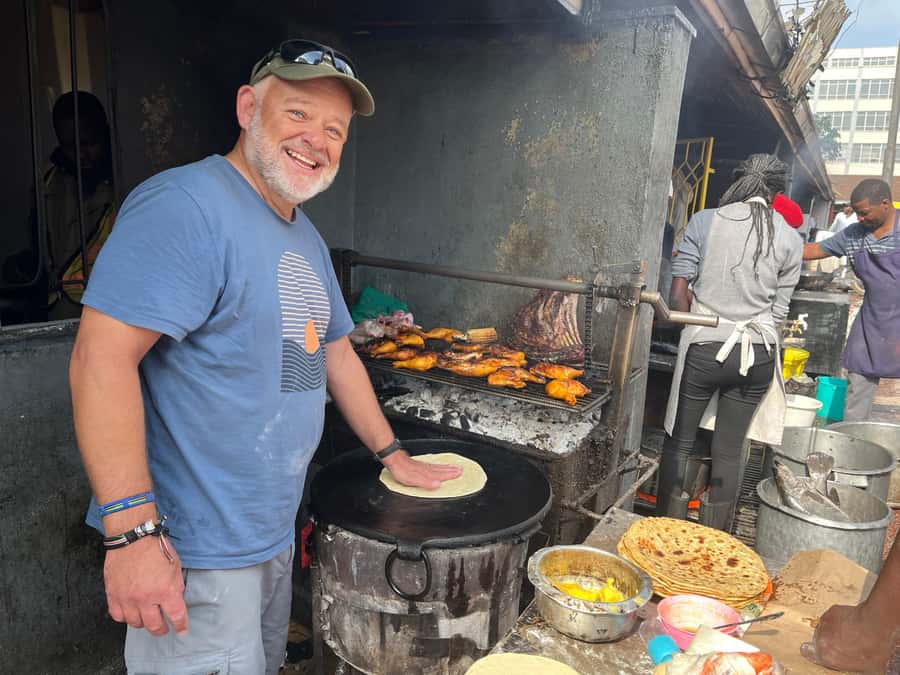
This is one of those tours that feels efficient without feeling rushed. For about $23 per person and roughly three hours, you get guided walking through central Nairobi, plus a few paid extras handled for you like the fruit salad snack, shoe shine, and the street-style photo.
That matters in Nairobi’s center, where it is easy to lose time, stand around, or spend more than you meant to. A guide helps you focus on what is worth your attention, and you also get practical context about everyday life, prices, and services as you move through the city.
Also, the tour gives you small built-in comforts that make a difference on a short trip. You get Dasani bottled water, and the group has a WiFi hotspot, which can be useful if you need maps, translations, or quick messaging during the walk.
Meeting at CJs on Koinange Street: the start that sets the tone
The meeting point is CJs on Koinange Street, in a part of Nairobi that is described as very safe. The guide will be there wearing a Happy Tribe cap or T-shirt, so you are not stuck trying to guess who is with the tour.
If you choose the pickup option, the tour says hotel pickup is optional and you should wait in the hotel lobby about 10 minutes before the scheduled time. If pickup is not selected, you simply meet at CJs and join the group.
Before you head out, there is a short safety briefing, about 5 minutes. That quick start helps you understand how to behave in the street, how to handle questions from passersby, and how the guide keeps the group moving without chaos.
Finally, the tour includes drop-off after the walk at Kenyatta International Convention Centre, CJ’s, or CJ’s Nairobi (as listed). So you are not ending in the middle of nowhere with no easy way home.
Jeevanjee Gardens, Jamia Mosque, and McMillan Library: early Nairobi on foot

One of the best reasons to do this walking style is that you see the city’s layers in sequence. You start with Jeevanjee Gardens, then you move into older landmark territory like Jamia Mosque and the McMillan Memorial Library area.
Jeevanjee Gardens is a good first stop because it sets a tone right away. It is a short visit, but it gives you a sense of Nairobi’s older public spaces and helps explain why people remember this center district.
Jamia Mosque and the nearby religious landmarks are quick stops, but they are also some of the easiest places to connect architecture to Nairobi’s cultural life. The guide’s job here is to make sure you understand what you are looking at, and how local people move through these spaces in daily life.
McMillan Memorial Library is another short pass-by with sightseeing and walking. If you like history, even a “pass by” stop can be worth it when the guide frames why the building mattered and what it represents in the city’s story.
Nairobi City Market: the real social center, with Swahili practice
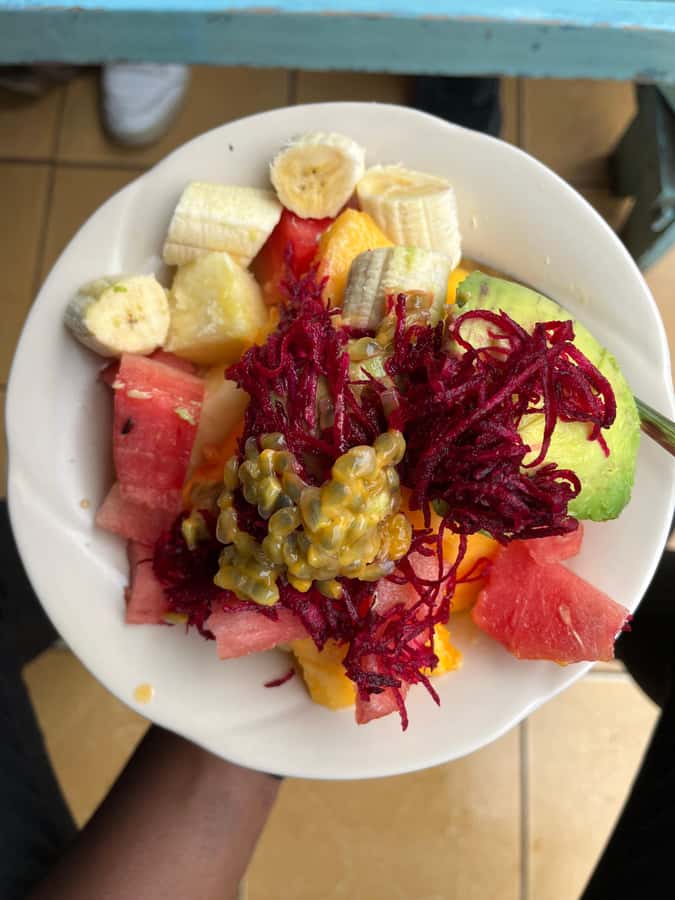
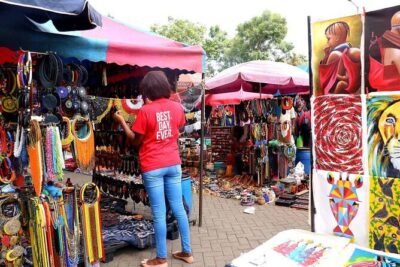
Then you hit Nairobi City Market, which is the tour’s most hands-on area. You get guided time to walk the market, shop, and get oriented to how trade works here.
This is also where the tour leans into language learning. You will learn some popular Swahili words used by locals, and the idea is not just memorizing, it is using the phrases while you interact at stalls and shops.
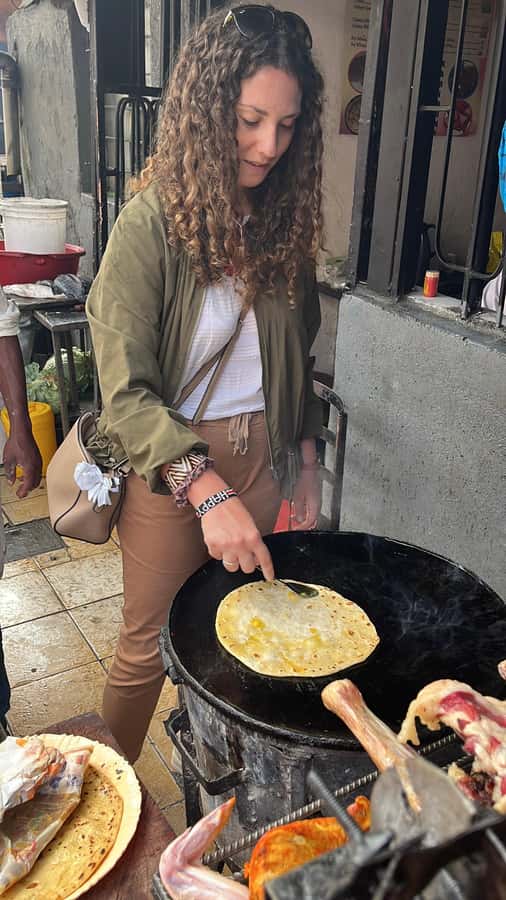
Food is built into the market section. You are included for a snack of fruit salad, paid for as part of the tour, and you get guided tasting and food market time. The tour also mentions an optional taste of Nyama Choma, local roasted goat meat, if the moment and group situation works out.
One smart detail: the guide encourages you to ask questions about daily life in Kenya. That is exactly the kind of thing you would miss if you only followed a photo checklist.
Other Nairobi bookings that survived the same scrutiny
Government, monuments, and formal buildings: understanding Nairobi beyond photos
After the market, the route keeps moving through Nairobi’s central “big institutions” zone. You will pass or visit several landmarks tied to Kenya’s political and national identity, including the Askari Monument area and the Dedan Kimathi Monument stop.
You also see major official architecture like the Supreme Court, the Parliament Buildings, and the Nairobi Governor’s Office area. These are short sightseeing moments, but they are valuable because a guide can connect the structures to what they represent, and why they matter to Nairobi’s people today.
Another standout in this stretch is how the tour uses the monuments to explain Nairobi’s relationship with broader Kenyan history. It is not just names on a sign. You get stories and context while you stand where those events and figures connect to the city.
There are also quick cultural stops along the way, including Maasai Market and the Holy Family Basilica clock tower pass-by. If you care about how different communities show up in the capital, this mix helps you see that Nairobi is not one single experience.
Stanley Hotel to KICC rooftop: modern power with a much-needed break

The walk transitions into modern Nairobi as you pass by the Stanley Hotel area and other central streets like Kenyatta Avenue. You get repeated short sightseeing moments, which sounds basic, but it actually helps you notice details. With frequent stops, you can look, listen, and then move on before you get tired or bored.
The biggest payoff is the KICC Rooftop stop. The tour includes about 30 minutes there for a break, sightseeing, and scenic views. The highlight specifically calls out the cool breeze while you look out over Nairobi, and that kind of break can reset the whole feel of the walk.
You also get the guide’s explanation of Nairobi’s regions and how the city is laid out from this elevated perspective. Even if you already learned a few things from apps, a rooftop view plus local context makes the city map click in your mind.
Important practical note: the tour says KICC entry is not included. That means if there are ticketed areas beyond what you will access for the rooftop viewing, you might need to pay separately depending on what you want to do at the venue.
Souvenirs without the stress: fixed prices, shoe shine, and a pro photo
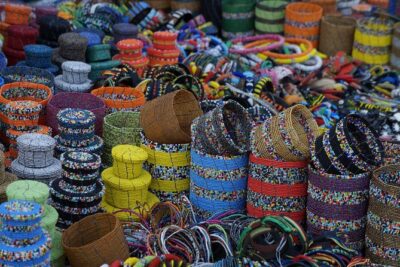
This tour helps you shop, without making you feel like you are getting pulled into a negotiation marathon. You get “insider tricks” for souvenirs, including guidance on how to bargain and where to find affordable fixed-price stores.
That matters because Nairobi can be intimidating if you do not know the rhythm of bargaining. The tour’s approach gives you options: if you enjoy negotiating, you can try with tips from your guide, and if you hate it, you can shop where the prices are already set.
You also get a complimentary shoe shine from a local vendor. It is a small add-on, but it is one of those local moments that makes you feel like you are part of the street routine instead of just passing by.
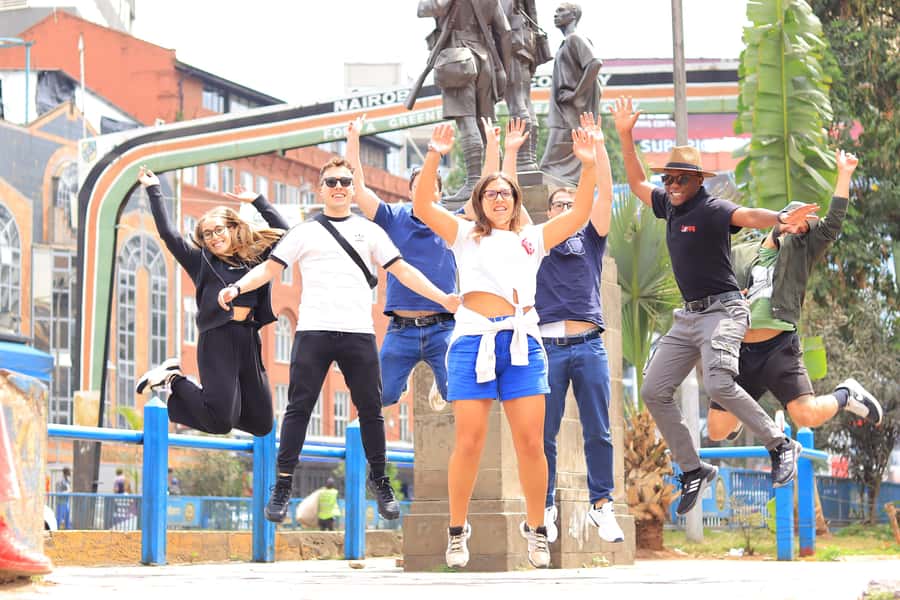
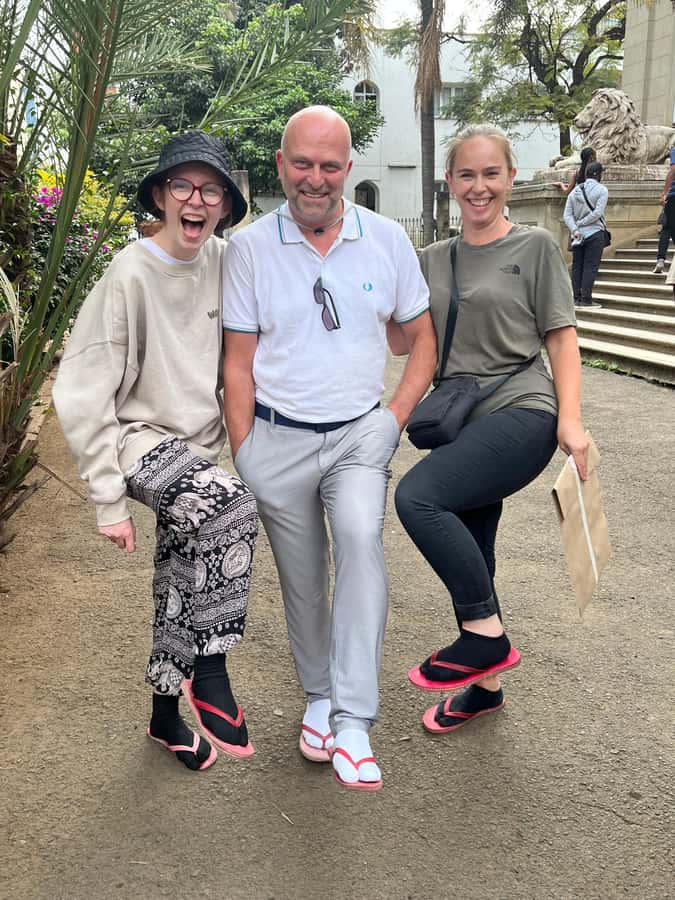
Then there is the included professional street-style photograph. The tour says an urban photographer captures it during the walk, and that is a fun way to remember the day without relying only on your own shaky phone photos.
What food and drinks are included, and what is optional
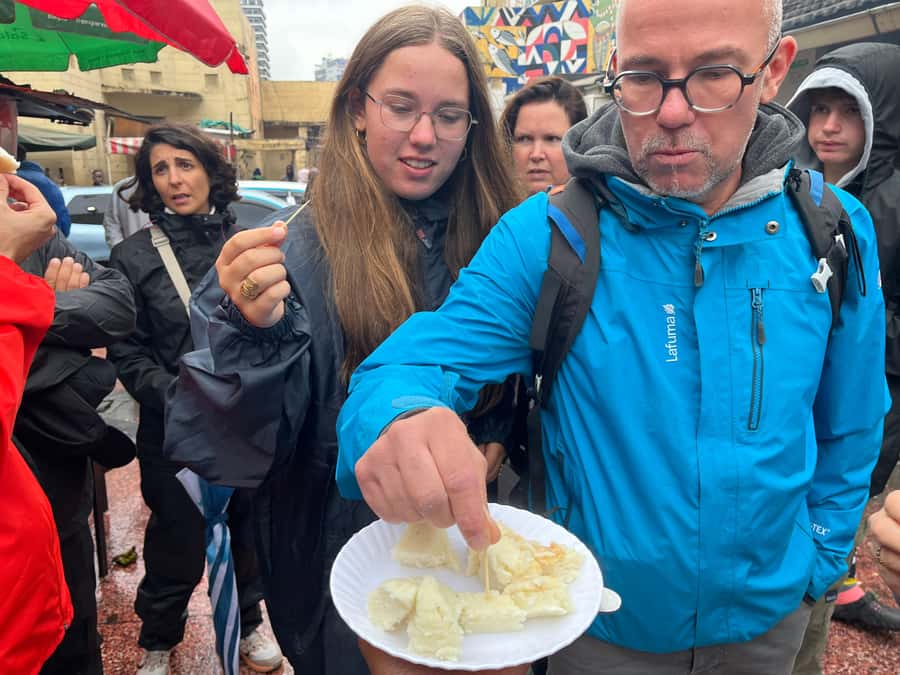
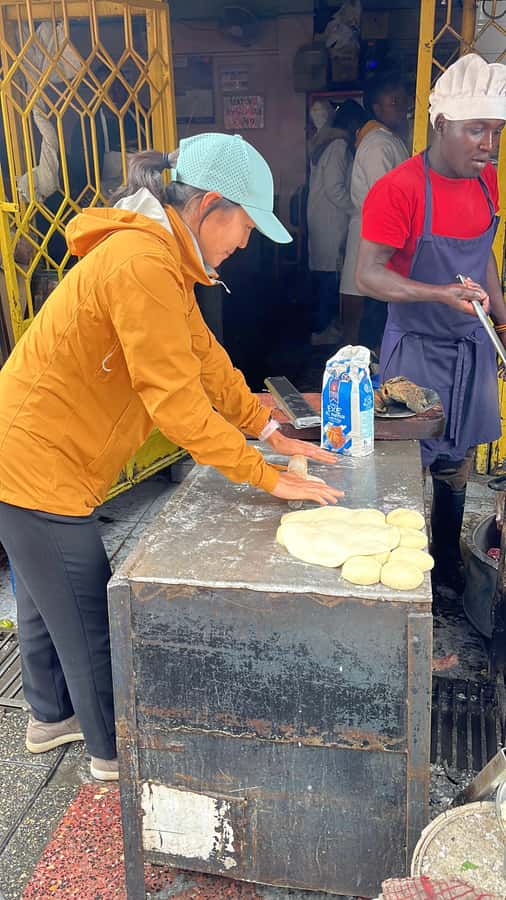
The tour includes Dasani bottled water and a fruit salad snack that is paid for as part of the experience. You also get a food stop at Nairobi City Market where tasting and cooking class time is listed, connected to local food culture.
The route includes a Java House coffee break on Mama Ngina Street. The coffee tasting is listed as part of the schedule, but the tour is clear that additional food and drinks are not included beyond what is specifically listed, so plan on paying for any coffee you order.
For meals, the optional experience is Nyama Choma. You should treat it as a chance, not a guaranteed plate, because it is described as optional within the local food tastings.
If you are picky about food or have dietary needs, you can ask your guide during the market portion. The guide is positioned as someone who can help you navigate what is safe and what to expect at stalls.
Timing notes: Sunday mornings vs Sunday afternoons
There is a useful heads-up for scheduling: on Sunday morning, Nairobi can feel quieter because many shops are closed. The tour notes that Sunday afternoon tends to feel livelier as people go out for filming, cycling, skateboarding, photography, and music video activity.
That can affect your market experience. If you want more street energy and more chances to see people working and moving around, aim for an afternoon slot when possible.
Who this walking tour suits best
This works best when you want context, not just sightseeing. If you like learning city layout, understanding how shopping works, and getting a few safe interactions with locals, you will probably enjoy the format.
It is also ideal for first-time Nairobi visits. The tour hits the central landmarks and ends with a view that helps you connect the city in your head.
It is less suitable if walking for three hours is hard for you, because the tour specifically lists it as not suitable for wheelchair users and people with mobility impairments. Also, you should wear comfortable clothes and comfortable shoes, since you are on your feet for most of the experience.
Should you book this Nairobi Historic and Modern Highlights walking tour?
Yes, I think you should book this if you are short on time and want a guided way to understand Nairobi’s center. The pricing makes sense because you are not only paying for a walk, you are also getting included extras like fruit salad, shoe shine, and a professional photo, plus the language practice that helps you interact instead of just watching.
Skip it or choose carefully if you cannot manage extended walking, or if you expect ticketed entry into KICC to be included beyond the rooftop access. Also, if you hate markets and prefer quiet, museum-only sightseeing, this one may feel too street-focused for your style.
If your goal is simple, get your bearings, taste local food culture, and see the city’s old and new sides in one go, this tour is a strong fit.
FAQ
Where is the meeting point for the tour?
The tour meets at CJs on Koinange Street. The guide will be there wearing a Happy Tribe branded cap or T-shirt, and you can also get guidance from the CJs staff.
Is hotel pickup included?
Hotel pickup is optional. If your option includes pickup, you should wait in the hotel lobby about 10 minutes before the scheduled time.
How long is the tour?
The tour lasts about 3 hours.
What food is included?
You get a paid-for snack of fruit salad and Dasani bottled water. There is also an optional taste of Nyama Choma, and a cooking class and food tasting are included during the market portion.
Is KICC entry included?
KICC entry is not included. The tour includes a stop at the KICC Rooftop area for views, but ticketed entry is listed separately as not included.
What languages will the guide speak?
The live guide speaks English, Swahili, and Spanish.
Is there shopping time during the tour?
Yes. You will visit the Nairobi City Market and also make time to shop for souvenirs and goods, including guidance on fixed prices and where to buy without the hassle.
Is there any included photo or personal grooming?
Yes. You get a complimentary shoe shine and a professional street-style photograph captured during the tour.
Is the tour suitable for wheelchair users?
No. The tour is not suitable for wheelchair users or people with mobility impairments.
More Walking Tours in Nairobi





More Tours in Nairobi






More Tour Reviews in Nairobi



Everything else we hold on Nairobi
- 7 Days Private 4 star lodges Safari by LandCruiser from Nairobi★ 5.0 · 3 reviews
- 5 Days/4 Nights Kenya Safari★ 4.5 · 3 reviews
- Safari Park Hotel Show & Dinner Experience In Nairobi Tour★ 3.6 · 3 reviews
- Day safari to Olpejeta Rhino conservancy★ 5.0 · 3 reviews
- 7 Days Breathtaking Kenya Wildlife Private Safari★ 5.0 · 3 reviews
- Overnight Amboseli National Park Safari from Nairobi★ 5.0 · 3 reviews
Historical Tours, compared.
 ★ 5.0Nairobi Historical Walking City TourFrom $35258 reviews
 ★ 4.8Nairobi Walking tour:Explore History Culture and TraditionsFrom $22222 reviews
 ★ 5.0Full Day Nairobi Cultural and Historical TourFrom $85153 reviews
 ★ 5.0Nairobi Cultural and Historical City Tour with a LocalFrom $9567 reviews
 ★ 5.0Nairobi souvenir Shopping and Historical Half day TourFrom $7061 reviews
 ★ 4.5Nairobi History and Modern Culture 3 Hours TourFrom $3031 reviews
 ★ 4.5Half-Day Cultural Tour to Bomas of Kenya in NairobiFrom $9523 reviews
 ★ 5.0Historical City Walk Tour in NairobiFrom $2919 reviews
Appears in these lists