
REVIEW · KARURA FOREST TOURS
Nairobi: From Nairobi-Karura Forest Guided Walking Tour
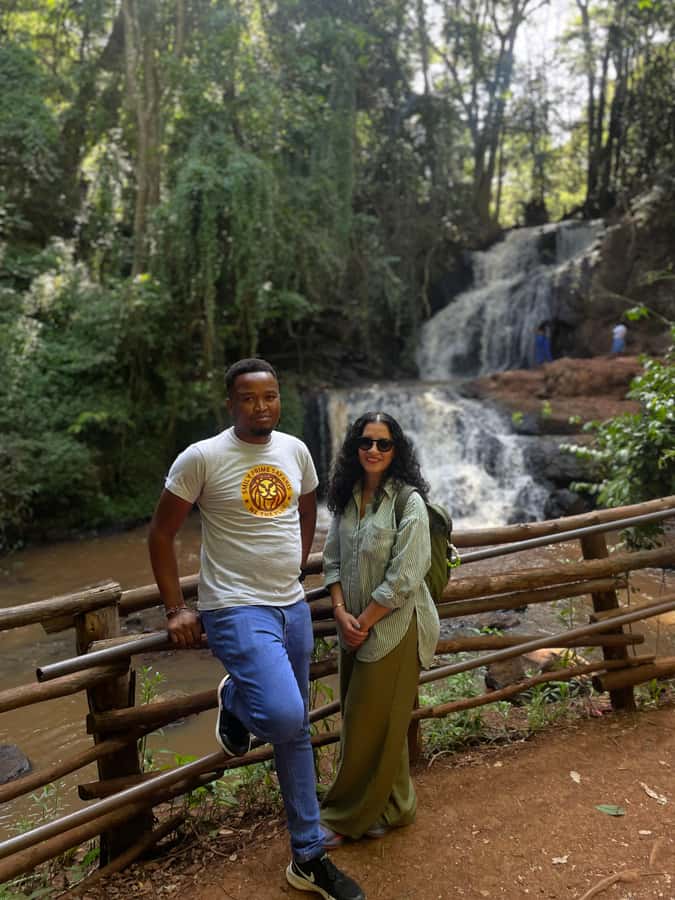
Nairobi has a rainforest secret. This guided walking tour in Karura Forest lets you see Karura Falls, learn why the forest hides stories from the Mau Mau uprising, and finish with a treetop canopy walk experience. You meet your guide near International House, then it is an easy Uber hop into the greenery.
What I really liked: Ishmael Nzioka is the kind of guide who turns a short walk into a real conversation, mixing plant life, birds, and Kenyan history without rushing you. And his wildlife spotting is sharp, so you have a better chance of seeing monkeys, bushbucks (dik-dik can also show up), and lots of birds than you would on your own.
One thing to plan for: this is a true walking experience on uneven forest paths. If you prefer flat, stroller-style routes, you may find the footing a bit more work than you expected.
In This Review
- Quick highlights before you go
- From International House to Karura Forest, no big travel day required
- The forest walk: caves, waterfalls, and the kind of history you can smell
- Karura Falls: where your camera actually gets a workout
- Wildlife spotting with Ishmael Nzioka, not just luck
- The caves: Mau Mau hideouts, plus a real reason to look around
- Canopy walk: treetops, thrills, and choosing your comfort level
- Picnic time: a break that feels like part of the forest, not an interruption
- Price and value: why $45 can make sense for a Nairobi nature escape
- Best-fit traveler: who will love Karura, and who should reconsider
- Before you go: what to pack and what to skip
- Should you book this Karura Forest guided walking tour?
- FAQ
- Where do we meet for the Nairobi Karura Forest tour?
- How long is the experience?
- How do you get to Karura Forest from Nairobi?
- What is included in the price?
- What is not included?
- What should I bring?
- Are there any restrictions during the tour?
- Is the guide English-speaking?
- Is the canopy walk part of the experience?
- Is it suitable for wheelchair users?
Quick highlights before you go
- Meet near International House, opposite Hilton, then take a short Uber into Karura Forest
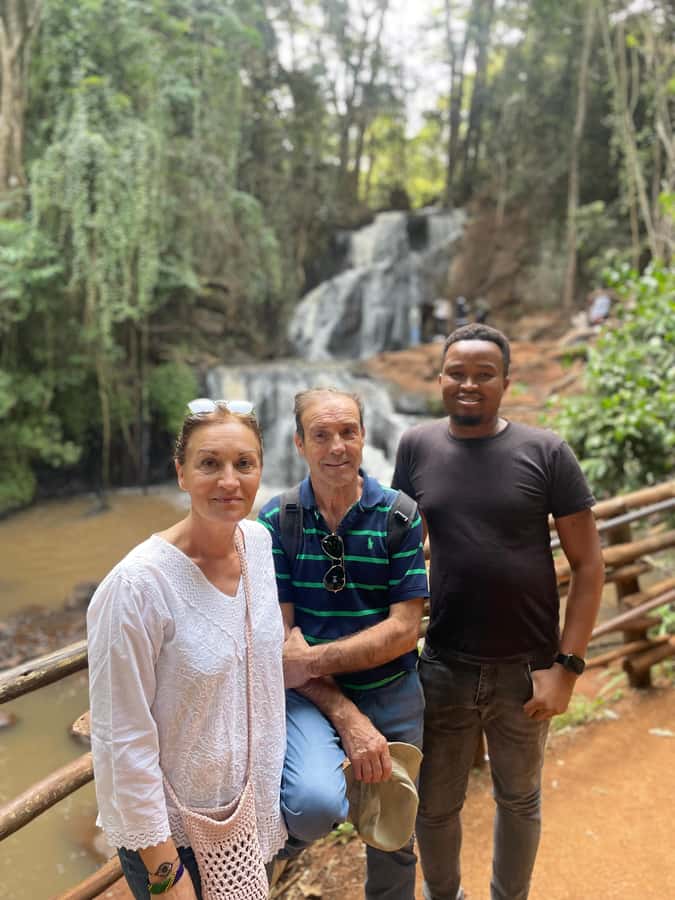
- See Karura Falls up close, with time for viewpoints on the way
- Learn the forest’s caves and their role as hideouts during the Mau Mau uprising
- Spot wildlife with Ishmael Nzioka’s eye for small movement and bird life
- Add a treetop canopy walk for a real thrill above the treeline
- Take a break with your packed lunch or snack in the forest’s designated picnic areas
Karura trails, walked and cycled
From International House to Karura Forest, no big travel day required
The day starts right in Nairobi, meeting your guide outside International House. The common pick-up point is City Hall way, opposite Hilton hotel. If you prefer to start at the forest entrance instead, you can choose that option and get the exact details after booking.
Once you meet up, you ride by Uber to the forest, roughly 15 to 17 minutes. That matters. Karura Forest is close enough that you can do this without turning the outing into a half-day of transit.
You also skip the line via a separate entrance. That is a small thing, but it helps you get into the forest sooner, with less waiting around in sun and traffic heat.
The tour itself is listed as 2 hours in the forest. In practice, that means you get enough time to feel like you saw the forest, without it dragging on for the sake of being long. This is ideal if you already have plans later in Nairobi.
The forest walk: caves, waterfalls, and the kind of history you can smell
The heart of Karura Forest is not just the trees. It is the way the trails connect caves, water, and wildlife habitat into one walkable circuit.
Your guide takes you through the forest at a pace that leaves room for questions. Ishmael Nzioka stands out for how he tells stories, including Kenyan independence-era history tied to what you are actually seeing. The big historical thread here is the caves. These caves were used as hideouts during the Mau Mau uprising in the 1950s.
That detail changes how you experience the forest. You stop treating it like scenery and start noticing how the terrain could protect people: tucked-in cave spaces, cover from thick foliage, and the way you can move through natural corridors without being obvious from a distance. You also start thinking about how landscapes shape human decisions.
And you get the right kind of companion for that. In the feedback I used to guide my expectations, Ishmael keeps people engaged by pointing out plants and explaining why they matter. So even when the trail seems quiet, you are not just walking blindly. You are learning what to look for.
Karura Falls: where your camera actually gets a workout
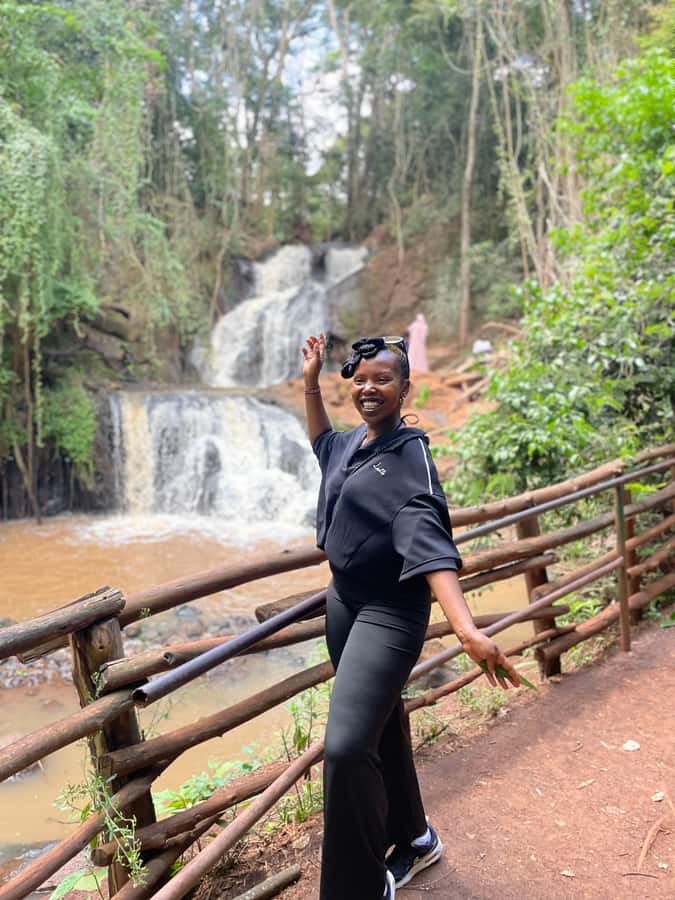
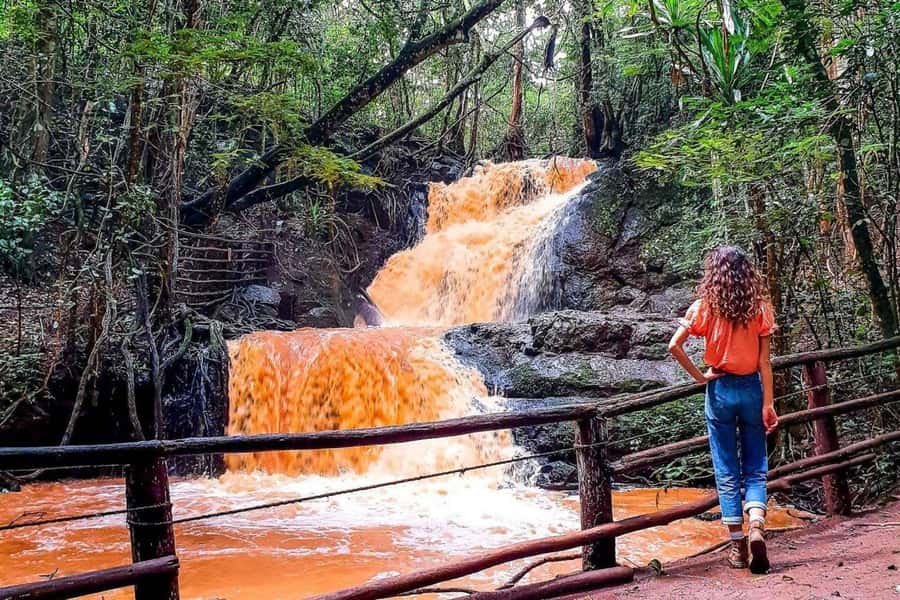
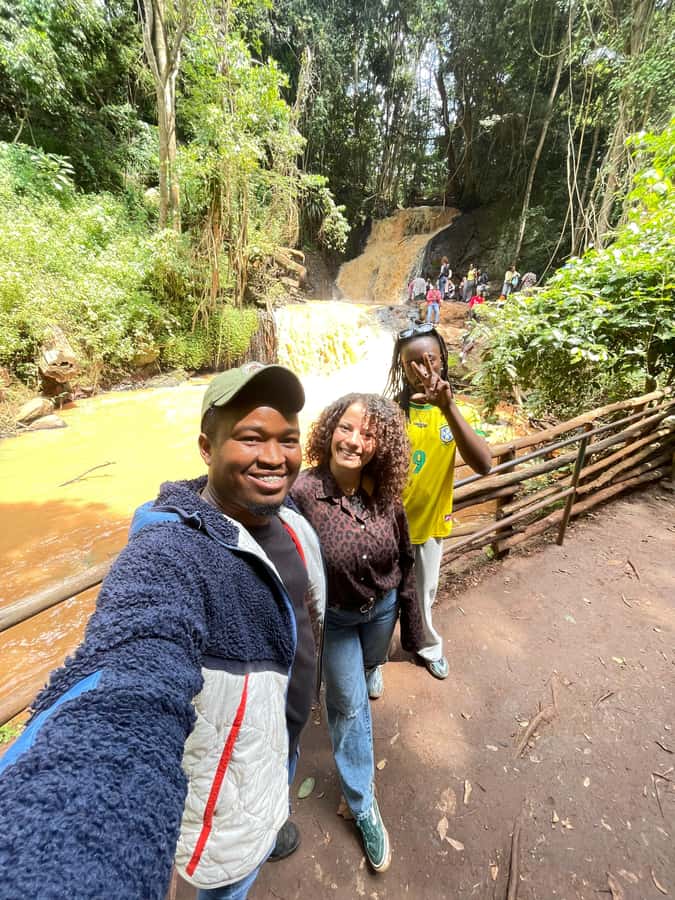
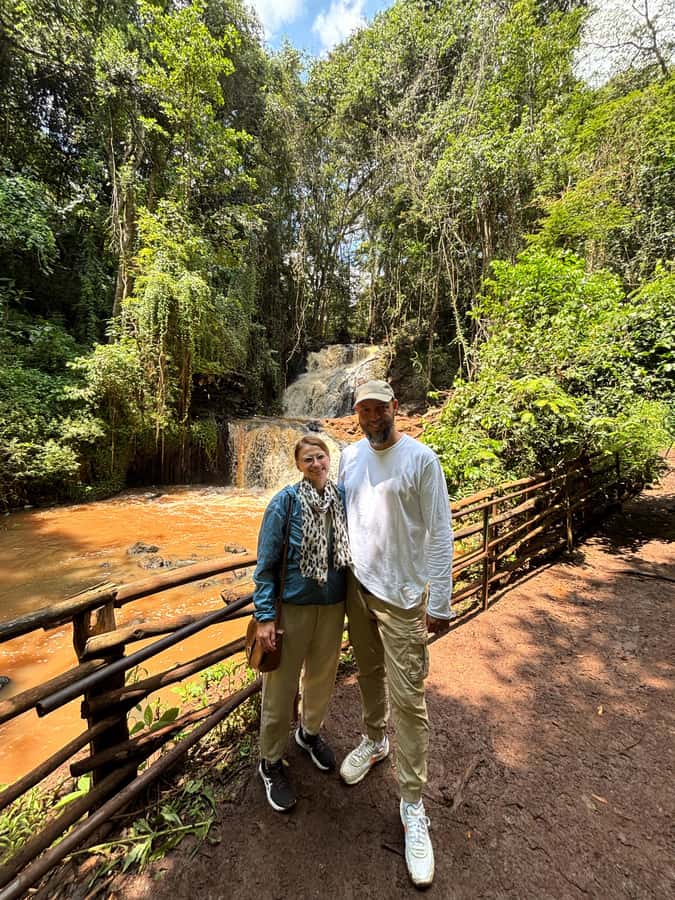
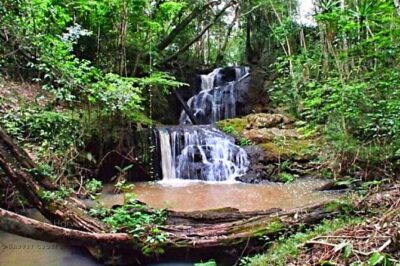
Karura Falls is one of the tour’s headline stops, and for good reason. It gives you a strong sensory moment in an otherwise leafy, shaded walk. Expect the water sound to pull you forward, then use the viewpoints your guide directs you to for a better angle than you would get rushing ahead.
Here is the practical tip: keep your camera ready, but also take a second to pause and let your eyes adjust. Water reflection and bright highlights can make everything look washed out if you only shoot from one position.
The falls also act like a natural reset. Between the caves and the water, you get variety within a short tour. That is a big part of why this works as a two-hour outing, instead of becoming repetitive.
Wildlife spotting with Ishmael Nzioka, not just luck
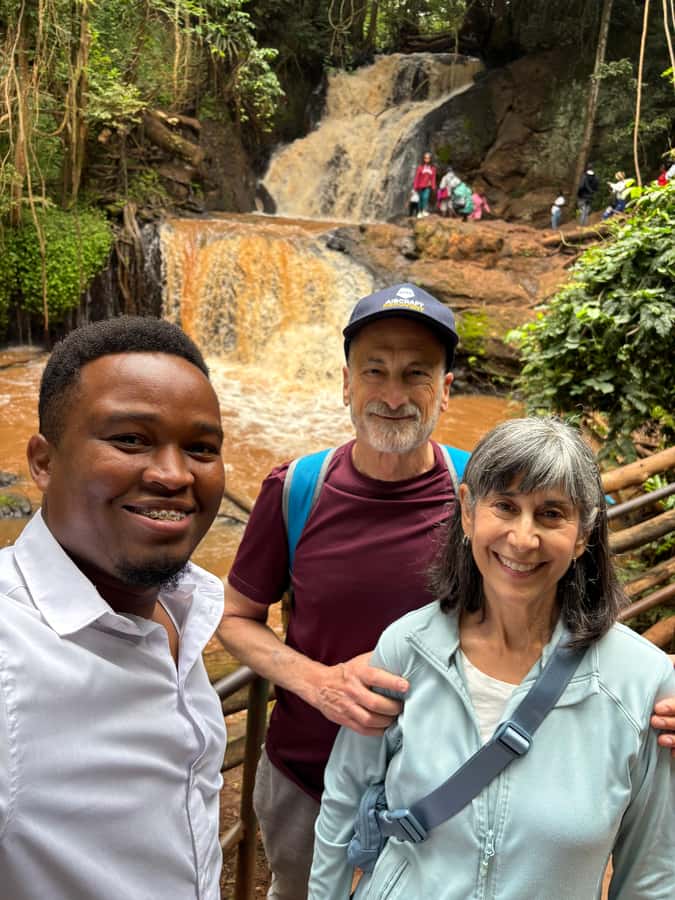
The tour is designed for wildlife awareness. You are encouraged to keep an eye out for monkeys, bushbucks, and birds. You might also spot smaller antelope like dik-dik, since the tour info includes wildlife sightings you may encounter in the forest.
Here is why I think this is worth doing with a guide: in a forest like this, the animals often move quietly, and you will miss them if you are walking like you are browsing a park. Ishmael’s approach is to notice subtle signs, then slow down so you can actually see what you came for.
One review pattern that really matters for your planning is the focus on wildlife. People described seeing animals they would not have noticed alone. That suggests the guide is reading the habitat, not just pointing at random trees.
So, what should you do? Follow his cues. When you hear a call bird or see movement, do not sprint toward it. The best wildlife watching is patient and quiet.
Also, remember this is a nature experience, not a zoo. If you do not see a specific animal, the day is still useful because you are learning about plants, birds, and the forest’s layout.
Other Nairobi bookings that survived the same scrutiny
The caves: Mau Mau hideouts, plus a real reason to look around
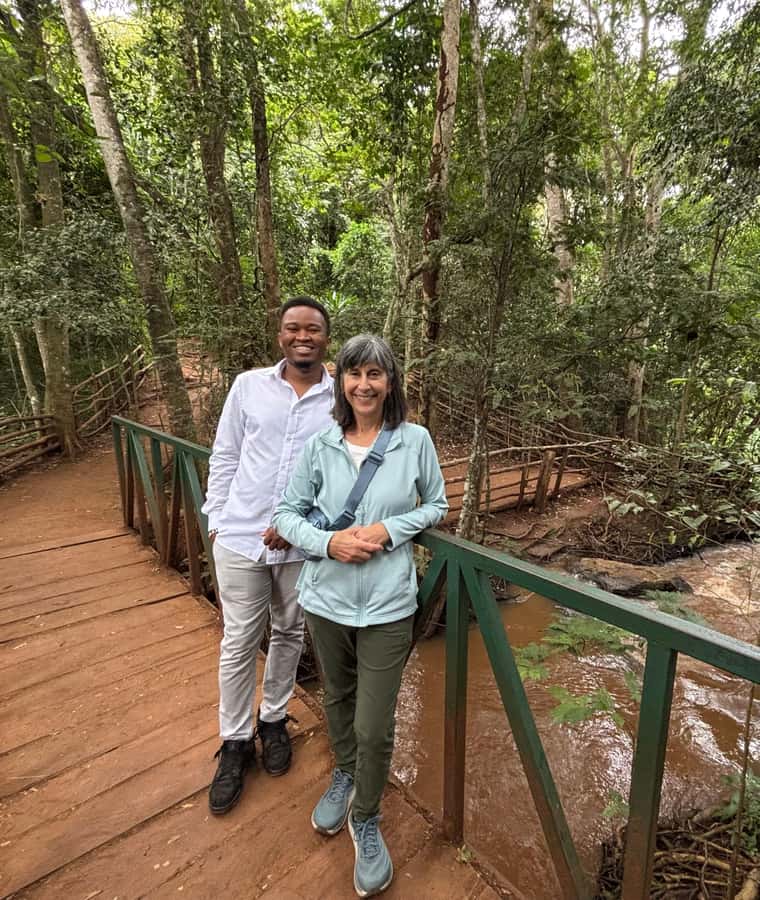
The cave section is a unique part of this tour. You are not just looking at a random rocky spot. You are walking toward places with direct ties to the Mau Mau uprising in the 1950s, used as hideouts.
That historical angle adds weight to what you might otherwise skip. You will likely find yourself looking at shade, cover, and how the cave spaces relate to the surrounding trail routes. Even without turning it into a classroom, it gives the walk structure: stop, look, listen, and then connect it to human history.
If you like Kenyan history, or if you want context that is more grounded than a museum label, this is the moment that delivers. And because you are on foot, the story stays tied to the physical space, which makes it easier to remember later.
Canopy walk: treetops, thrills, and choosing your comfort level
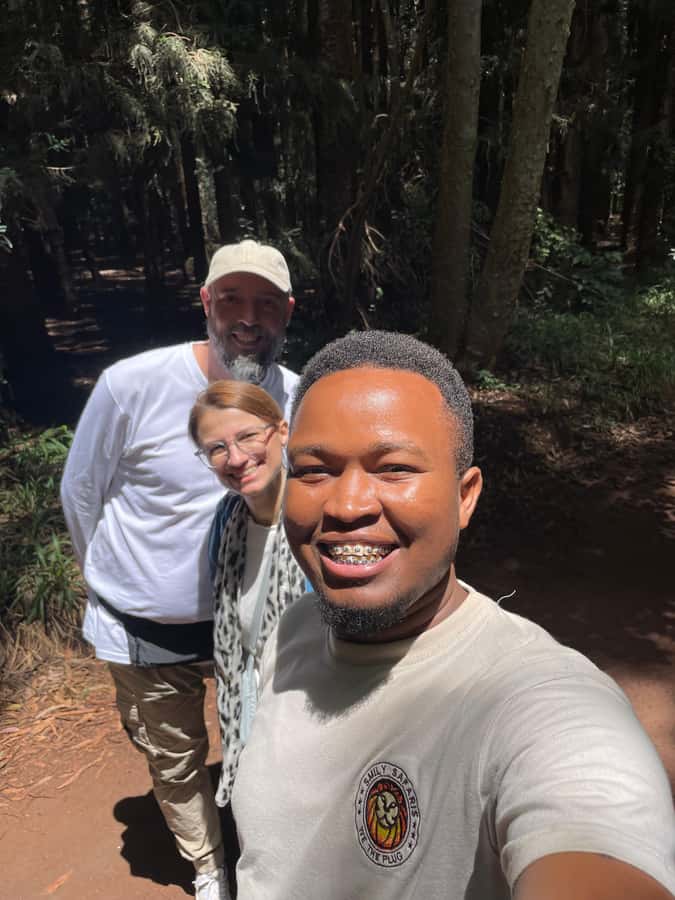
The tour includes a canopy walk option for the more adventurous visitors. If you like height views, it is one of the best ways to experience Karura Forest from a new angle. You are literally above the normal walking perspective, so birds, tree structure, and movement in the treeline can look different.
This is the part to judge honestly for yourself. If you have a fear of heights, shaky footing, or claustrophobic feelings, you may want to skip the canopy portion. The tour is still a good forest walk even without that segment.
Practical mindset: wear comfortable shoes that you trust. The canopy experience is built for thrill, so your body needs secure footing earlier in the day. Also bring a camera, but keep in mind that focusing on safety matters more than getting the perfect shot.
Picnic time: a break that feels like part of the forest, not an interruption
You do not just rush from stop to stop. There is time for a break with your packed lunch or snack at one of the forest’s designated picnic areas.
This is smart planning for two reasons. First, you avoid the tired “walk all day, no food” problem. Second, having a designated place keeps the flow respectful, instead of people eating wherever they find a flat patch.
What should you bring? The tour data specifically says to bring water, and it also suggests bringing a hat and sunscreen. So I recommend planning your snack around the heat and walking pace, not around a full restaurant meal. If you like to travel lightly, you can keep it simple: water, a hat, and something filling enough to get you through the second half of the walk.
One more rule worth noting: the tour does not allow plastic bottles. Since it also tells you to bring water, plan to carry water in a way that fits the rules, like a reusable container.
Price and value: why $45 can make sense for a Nairobi nature escape
At $45 per person for a 2-hour guided walking tour, the pricing feels reasonable if you value two things: guided interpretation and convenience.
You get transport fees and entry fees included. That matters in Nairobi because the cost and hassle of getting to a natural site can add up fast when you start piecing everything together on your own. Here, the experience is packaged, and you spend your energy on the forest instead of the logistics.
You also get a live English guide. That is not just helpful for language. It is useful because it turns what could be a simple walk into a guided explanation of caves, birds, plants, and Kenyan history. Ishmael Nzioka’s storytelling and flexible pacing seem to be a major reason people rate the experience so highly, and that is exactly the kind of value you feel when a guide keeps you engaged without rushing.
Is it a budget deal? Not exactly. But for a private-feeling experience in a forest that is close to the city, it can be good value, especially if you would otherwise pay for separate transport and spend time figuring out where to go.
Best-fit traveler: who will love Karura, and who should reconsider
This tour is a good match if you want:
- A guided nature walk that includes history, not just trees
- A chance for wildlife spotting, including monkeys and bushbucks
- A walk you can do in a couple of hours without leaving Nairobi all day
- A canopy walk option if you are up for it
It may be less ideal if you:
- Have trouble with uneven forest paths. The tour requires comfortable shoes, which is your clue that the ground is not a polished walkway.
- Have concerns about accessibility. The information you receive can include mixed signals, because it also mentions wheelchair accessibility while separately indicating it may not be suitable for wheelchair users. If mobility is a factor, ask directly before booking so you are not guessing.
Before you go: what to pack and what to skip
The tour is straightforward, but you want to show up ready.
Bring:
- Comfortable shoes
- Hat
- Camera
- Sunscreen
- Water
Know the restrictions:
- No smoking
- No plastic bags
- No alcohol and drugs
- No plastic bottles
- No alcoholic drinks in the vehicle
One more small tip that came up in the tour info: make sure you include your country code on your phone number. It helps things work smoothly when coordination is needed.
Should you book this Karura Forest guided walking tour?
I would book it if you want a Nairobi escape that is close, structured, and actually informative. The combination of Karura Falls, the caves tied to the Mau Mau uprising, and the canopy walk makes it more than a casual stroll. Add Ishmael Nzioka’s upbeat teaching style and his ability to spot wildlife, and you get the kind of guided walk that makes the forest feel alive.
Skip it if you hate uneven footing, do not want any canopy walk option, or you are traveling with accessibility needs and want absolute clarity on route and equipment. In that case, ask questions first so the experience matches your comfort level.
If you are on the fence, here is a practical way to decide: if you enjoy walking plus stories plus the chance of seeing animals without going on safari for days, this is a smart use of a couple of hours in Nairobi.
FAQ
Where do we meet for the Nairobi Karura Forest tour?
You meet outside International House, City Hall way, opposite Hilton hotel. You can also choose to meet at the forest entrance, with details shared upon booking.
How long is the experience?
The guided walking tour is 2 hours.
How do you get to Karura Forest from Nairobi?
You take a short Uber ride, about 15 to 17 minutes, to reach Karura Forest.
What is included in the price?
Transport fees and entry fees are included.
What is not included?
Anything not mentioned as included is not included.
What should I bring?
Bring comfortable shoes, a hat, a camera, sunscreen, and water.
Are there any restrictions during the tour?
Smoking is not allowed. Plastic bags, alcohol and drugs are not allowed. Plastic bottles and alcoholic drinks in the vehicle are also not allowed.
Is the guide English-speaking?
Yes, the live tour guide is English.
Is the canopy walk part of the experience?
The canopy walk is offered for the more adventurous visitors, and it is listed as one of the tour highlights.
Is it suitable for wheelchair users?
The information includes wheelchair accessibility, but it also lists it as not suitable for wheelchair users. If you need wheelchair access, ask before booking so you get clear confirmation.
More Tours in Nairobi



More Tour Reviews in Nairobi


Deeper into Karura


Everything else we hold on Nairobi
- 7 Days Private 4 star lodges Safari by LandCruiser from Nairobi★ 5.0 · 3 reviews
- 5 Days/4 Nights Kenya Safari★ 4.5 · 3 reviews
- Safari Park Hotel Show & Dinner Experience In Nairobi Tour★ 3.6 · 3 reviews
- Day safari to Olpejeta Rhino conservancy★ 5.0 · 3 reviews
- 7 Days Breathtaking Kenya Wildlife Private Safari★ 5.0 · 3 reviews
- Overnight Amboseli National Park Safari from Nairobi★ 5.0 · 3 reviews
Karura Forest Tours, compared.
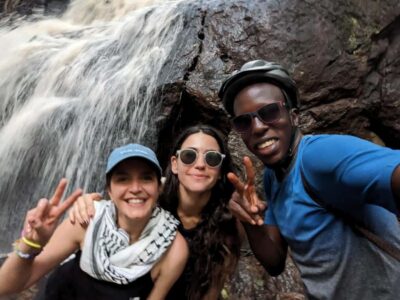 ★ 5.0Karura Forest: Walking tour with Nature and Waterfalls.From $4012 reviews
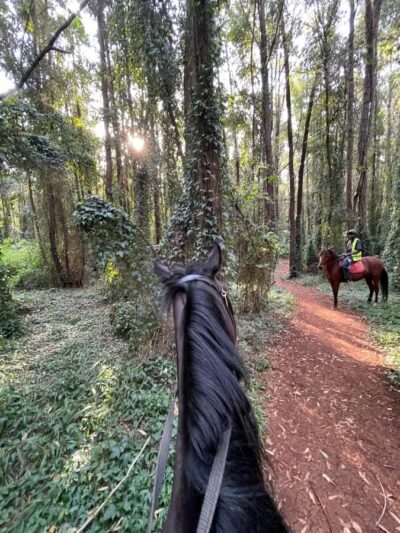 ★ 4.8Nairobi: Karura Forest Horseback Riding TourFrom $9011 reviews
 ★ 4.3Hike in The Karura ForestFrom $4110 reviews
 ★ 4.5Karura Forest Nature TrailFrom $9010 reviews
 ★ 3.6Karura forest A walking tour from NairobiFrom $954 reviews
 ★ 5.0Nairobi: Karura Forest Guided Walking TourFrom $514 reviews
 ★ 4.3Karura forest: A walking tour into Nairobi’s Nature OasisFrom $503 reviews
 ★ 4.5Karura Forest Hiking and Bike TourFrom $1003 reviews
Appears in these lists