
REVIEW · WALKING TOURS
Nairobi: Hidden Gems and Local Secret Guided Walking Tour
Nairobi hits hard in 150 minutes. This walk packs landmark stops like McMillan Memorial Library and Parliament into a short half-day, with guides who explain the human story behind each corner. I like the history and culture stories from guides such as Daniel and Ibrahim, and I also like the market time at places like Gikomba, where you see daily life fast. The main drawback is simple: it is real walking, so bring water and wear proper shoes.
The tour runs in English, Spanish, or Swahili, and you start with a quick safety briefing near the Hilton area. You get a mix of big icons like KICC and Uhuru Park, plus city-use stops like the Nairobi Railway Museum and the matatu stage area at Nyamakima.
At about $27 per person, it is strong value for an organized route that includes multiple major sights plus market browsing. You can also get skip-the-line entry through a separate entrance at certain stops, but expect some photo stops, not long stays everywhere.
In This Review
- Key things I’d focus on
- Why a 150-minute Nairobi CBD walk makes sense
- Start point, pickup zones, and how the day actually begins
- Big landmarks you’ll see, and why they matter in Nairobi
- McMillan Memorial Library and the “why this building” moment
- Nyayo House and the layers of government-era Nairobi
- KICC, Parliament of Kenya, and the buildings that tell power stories
- Kipande House, the GPO Post Office, and small stops that add up
- Uhuru Park, Fairmont Norfolk, and the CBD photo-stop rhythm
- From churches and mosques to Nairobi’s meeting points
- Markets: Gikomba, Muthurwa, City Market, and what to expect
- Gikomba Market, the second-hand clothing engine
- Muthurwa Market, Nairobi’s grocery hub
- City Market and Maasai Market for shopping and snapshots
- Nairobi Railway Museum, Electricity House, and Jivanjee Garden
- Nyamakima matatu culture: street life in motion
- Price and value: is $27 worth 150 minutes?
- Pace, practical comfort, and the “be ready for real life” factor
- Who should book this tour
- Should you book Nairobi: Hidden Gems and Local Secret Guided Walking Tour?
- FAQ
- How long is the Nairobi walking tour?
- What areas are pickup available from?
- What is included in the price?
- Are meals included?
- What languages is the live guide available in?
- Do I need transportation to get to the starting point?
- Is the tour wheelchair accessible?
Key things I’d focus on

- Real city variety in 150 minutes, from memorials and parliament architecture to markets and mosques
- Guides with strong storytelling, with Spanish support reported from guides such as Ezequiel
- Gikomba Market and other everyday hubs, including the second-hand clothing scene and grocery traffic at Muthurwa Market
- Matatu culture at Nyamakima, a window into how people actually move through Nairobi
- Photo-stop strategy for time-saving, so you see the key exteriors even if you cannot linger
- Help when things get practical, since some guides have offered extra help like organizing a ride back when asked
Other Nairobi bookings that survived the same scrutiny
Why a 150-minute Nairobi CBD walk makes sense

Nairobi can feel huge, especially if you try to DIY. This tour keeps you in the city center, then stitches together politics, religion, old buildings, and daily shopping in one connected route. At 150 minutes, you get orientation fast, which is handy if Nairobi is a quick stop between flights or safaris.
I like that the tour is built for learning without demanding hours and hours. You still cover major landmarks like the Kenya Parliament Building, KICC, and the Post Office GPO Branch, then pivot into places where locals buy, sell, and snack their way through the day.
The pacing also helps you decide what to return to later. After this, you should know where you want more time, whether it is a building exterior, a market you enjoyed, or a stop that sparked questions.
Start point, pickup zones, and how the day actually begins
Pickup is included, with multiple pickup options across Nairobi: Nairobi, Embakasi, Parklands, Westlands, and Kilimani. In practice, you will stand at the hotel entrance or the meet-up area you chose, and the driver will contact you with the car plate and color. The driver will also introduce himself and connect you to the live guide name.
Your tour begins with a short safety briefing, which is worth taking seriously in Nairobi traffic. Even if your nerves are fine, a quick briefing helps you know where to stand, when to cross, and how the group will move.
Wear comfortable walking shoes. This is not the kind of tour where you can power through in flip-flops and hope for the best. Also bring sun protection and water, since you are outside for most of the experience.
Big landmarks you’ll see, and why they matter in Nairobi

This tour is smart about mixing power with people. You get the official Nairobi face, then you get the city’s pulse right after.
McMillan Memorial Library and the “why this building” moment
You spend time at the McMillan Memorial Library, including scenic views on the way. This is one of those stops where a guide’s stories make the building click. Instead of just taking a photo, you learn how Nairobi’s public spaces fit into the city’s evolution from pre-colonial times through independence and afterward.
The upside is you leave understanding the city, not just collecting viewpoints. The downside is time is limited, so if you love libraries and museums, you may want to plan a separate return.
Other Nairobi bookings that survived the same scrutiny
Nyayo House and the layers of government-era Nairobi
Next comes Nyayo House, another stop that tends to turn a skyline into a timeline. You get history and context, then you move on without letting the day drag.
If you prefer heavy context, you might wish there were more time here. But the time limit is also what keeps the tour from feeling like a lecture.
KICC, Parliament of Kenya, and the buildings that tell power stories
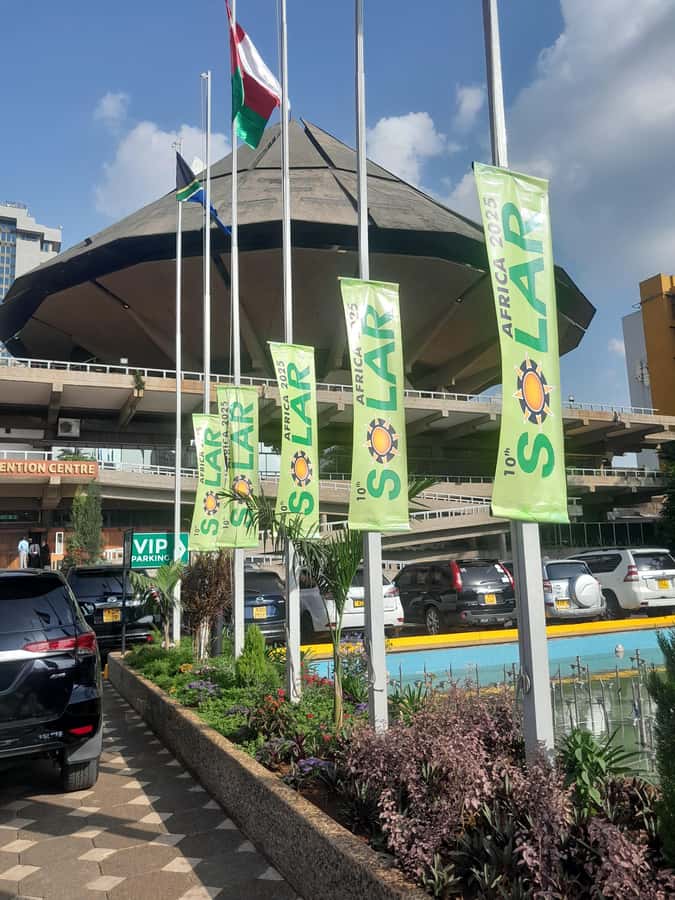
The Kenya Parliament Building is on the route, with a dedicated visit and sightseeing time. You also see major CBD landmarks connected to government and national identity, including KICC and photo stops around other key political buildings.
These stops work best when your guide explains what you are looking at. You are not just scanning facades. You are learning how Nairobi has used architecture to represent authority, governance, and the country’s public life.
Kipande House, the GPO Post Office, and small stops that add up
You will also pass Kipande House for sightseeing, and you stop at the Post Office GPO Branch for a quick visit. Even when these stops are short, they add texture. They remind you that Nairobi runs on systems, paperwork, travel routes, and everyday institutions, not only the famous monuments.
There is also a brief stop at a Smoking Zone area. It is short, but it is the kind of practical detail that keeps the group moving without long breaks.
Uhuru Park, Fairmont Norfolk, and the CBD photo-stop rhythm

The tour highlights Uhuru Park and Fairmont Norfolk, which makes sense for anyone trying to get their bearings fast. These are the kinds of places you recognize later from photos and postcards, even if you do not remember the exact day you visited.
The guide’s job here is time management. Some places are full visits, others are photo stops, and the tour uses that mix to stay on schedule. If you hate photo-stop days, you may feel slightly rushed. But if you want a broad scan of Nairobi in a short window, this style is helpful.
And honestly, it is good to have a structure. Nairobi has enough to absorb without you guessing where to go next.
From churches and mosques to Nairobi’s meeting points

Religion is part of Nairobi’s street-level identity, and this tour reflects that.
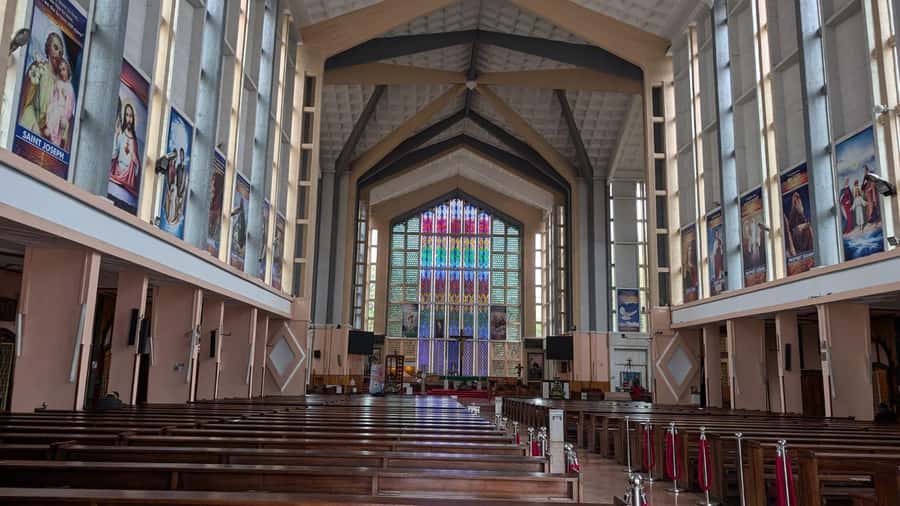
You get a photo stop and visit around Holy Family Basilica, then a Jamia Mosque photo stop and sightseeing time. These are not just beautiful exteriors. A good guide ties them back to the neighborhood feel and how different communities share space.
If you are unsure about what to do during prayer times or how to behave at religious sites, follow the guide’s cues. The tour moves through with respect, but you still should be mindful and quiet when asked.
Markets: Gikomba, Muthurwa, City Market, and what to expect
If you only do landmark sightseeing, Nairobi stays abstract. The markets bring it down to earth fast.
Gikomba Market, the second-hand clothing engine
Gikomba Market is a major highlight, described as the largest second-hand market. Here, you see how clothing moves, how people browse for deals, and how the market ecosystem keeps turning.
Even if you do not plan to buy, you learn by watching. You also learn what a “market” means beyond a tourist stop. It is jobs, bargaining, and daily needs.
A possible consideration: markets can get loud, crowded, and intense. If you do not enjoy close-quarters crowds, aim to keep your pace steady and let the guide handle group movement.
Muthurwa Market, Nairobi’s grocery hub
You also visit Muthurwa Market, which is described as a bustling grocery hub. This is the “food and essentials” side of the city. You are not just seeing fashion. You are seeing ingredients and daily routines.
This is often where you start thinking about the city as a whole system, not just attractions.
City Market and Maasai Market for shopping and snapshots
The route includes a City Market, Nairobi stop with photo stop, visit, shopping, sightseeing, and walking time. There is also Maasai Market on the itinerary.
These market moments are great for practical souvenir shopping. They are also good for testing your bargaining comfort level. If you like negotiating, you will probably have fun. If you do not, you can still enjoy the atmosphere and simply browse.
Nairobi Railway Museum, Electricity House, and Jivanjee Garden
Not all the stops are big monuments. You also get smaller, story-driven stops that help you understand Nairobi’s infrastructure and development.
The Nairobi Railway Museum is included, and it gives you a different angle on movement and history, especially in a city built around transport. You will also see the Electricity House and Jivanjee Garden.
These stops work well if you like the “how the city works” side of travel. They might be less exciting if you only want dramatic architecture or only want shopping.
The good news is you do not have to choose. The tour mixes these elements so you stay engaged.
Nyamakima matatu culture: street life in motion
One of the most interesting parts is the Matatu culture at Nyamakima Matatu Stage. Matatus are a huge part of Nairobi’s everyday travel, and this stop helps you connect the city’s routes to how people live.
Even if you never ride a matatu that day, you learn what people mean when they talk about Nairobi’s “movement culture.” It is one of those experiences that turns a city from static to alive.
Price and value: is $27 worth 150 minutes?

For around $27 per person and 150 minutes, you are basically buying three things: a trained guide, a structured route, and entry help at certain stops. You also get visits to major landmarks and multiple markets, which would be time-consuming and confusing to string together on your own.
What makes it good value is the density. In a half-day, you cover a lot of what people come to Nairobi’s center to see, plus the everyday places that tourists often skip.
Where the value can be less obvious is if you want a slow-paced deep-dive at one or two sites. This tour is designed for breadth and orientation. If you want long museum time, you will likely need a separate outing after.
Pace, practical comfort, and the “be ready for real life” factor
This is a walking tour, so your comfort depends on your shoe choice and your hydration plan. Bring water and sun protection. Also, dress in a way that lets you move without stress.
One more reality check: Nairobi can involve street approaches. Some people report that interactions with children who ask for money can be uncomfortable and can distract from the guide’s story. Your best strategy is to keep moving as a group, listen to your guide, and let them handle group flow and guidance when things get complicated.
Finally, language matters. The tour offers English, Spanish, and Swahili, but if you book a specific language, double-check you are aligned with the guide’s language on the day. In some cases, a guide may try to work around a mismatch, but you will enjoy the tour more when the language expectations are clear.
Who should book this tour
This is a great fit if you:
- Want a fast orientation to Nairobi’s CBD landmarks and culture
- Like markets and everyday city stops, not only monuments
- Prefer a guided structure so you do not waste time figuring out logistics
- Are in Nairobi for a short stretch, especially before a flight or another plan
It is less ideal if you:
- Hate walking and crowded markets
- Only want long indoor visits and extended museum time
- Need a fully custom route with very slow pacing
Should you book Nairobi: Hidden Gems and Local Secret Guided Walking Tour?
If your goal is to understand Nairobi quickly, this is a smart booking. The route is compact, the guide role is strong, and the mix of government buildings plus markets plus matatu culture gives you a well-rounded snapshot for a reasonable price.
Book it if you want stories tied to what you are seeing, and you are comfortable with walking and street energy. Skip it if you want a relaxed, slow sightseeing day with long museum stays.
If you do book, do one simple thing that improves everything: wear good shoes, bring water, and ask your guide questions early. When you engage, the whole city feels like it starts making sense.
FAQ
How long is the Nairobi walking tour?
The tour duration is 150 minutes.
What areas are pickup available from?
Pickup options include Nairobi, Embakasi, Parklands, Westlands, and Kilimani.
What is included in the price?
You get an experienced guide, visits to major Nairobi landmarks, and learning about Nairobi history and culture.
Are meals included?
No. Meals and drinks are not included.
What languages is the live guide available in?
The live guide is available in English, Spanish, and Swahili.
Do I need transportation to get to the starting point?
Transportation to and from the starting point is not included. Pickup is included, but you are responsible for how you reach the pickup area.
Is the tour wheelchair accessible?
Yes, the tour is listed as wheelchair accessible.
More Walking Tours in Nairobi






More Tours in Nairobi





More Tour Reviews in Nairobi


Everything else we hold on Nairobi
- 7 Days Private 4 star lodges Safari by LandCruiser from Nairobi★ 5.0 · 3 reviews
- 5 Days/4 Nights Kenya Safari★ 4.5 · 3 reviews
- Safari Park Hotel Show & Dinner Experience In Nairobi Tour★ 3.6 · 3 reviews
- Day safari to Olpejeta Rhino conservancy★ 5.0 · 3 reviews
- 7 Days Breathtaking Kenya Wildlife Private Safari★ 5.0 · 3 reviews
- Overnight Amboseli National Park Safari from Nairobi★ 5.0 · 3 reviews
Walking Tours, compared.
 ★ 4.8Nairobi: Historic and Modern Highlights Walking TourFrom $23703 reviews
 ★ 5.0Walking Tour Through Old Town Mombasa and Fort JesusFrom $50393 reviews
 ★ 5.0Nairobi Historical Walking City TourFrom $35258 reviews
 ★ 4.8Nairobi Walking tour:Explore History Culture and TraditionsFrom $22222 reviews
 ★ 4.7Nairobi Downtown Walking TourFrom $27208 reviews
 ★ 5.0Nairobi City Walking Tour with Traditional Kenyan LunchFrom $45106 reviews
 ★ 4.8Mombasa: Guided Nature Walk Amongst GiraffesFrom $3848 reviews
 ★ 4.8Nairobi Walking Tour: Downtown & City TourFrom $2032 reviews
Appears in these lists