

REVIEW · NAIROBI CITY TOURS
Nairobi City Walking Tour with Traditional Kenyan Lunch
Nairobi hits different when you walk. This half-day tour threads you through city-center landmarks and calmer green space, with a traditional lunch built in. I really like the small-group feel (up to 12) and the chance to see key government and memorial sites up close, not from a bus window. One thing to consider is that the lunch restaurant can be a weak link for some people, so you may want to stay flexible and ask questions about what you’re ordering.
You’ll also get a local English-speaking guide and use local transport along the way, which keeps the day grounded in how Nairobi actually moves. It is carbon neutral and run by a B Corp certified company that aims to use travel as a force for good. If you’re going to Nairobi for history photos only, this might feel more like everyday city life than a museum day.
In This Review
- Key highlights at a glance
- A 5-hour Nairobi walk with lunch, shade, and city-center landmarks
- Uhuru Park, parliament views, and the Kenyatta Mausoleum
- The Kenyatta Conference Centre area and walking at local pace
- August 7 Memorial Park, and a moment you shouldn’t rush
- Kenya National Archives and what you can learn beyond the streets
- Lunch in Nairobi: traditional meal, but confirm what you’re ordering
- Public transport and the matatu or bus feel of the city
- Price and value: is $45 worth it?
- Who should book this Nairobi city walk, and who should skip it
- Should you book this Nairobi City Walking Tour with Traditional Kenyan Lunch?
- FAQ
- How long is the Nairobi City Walking Tour?
- What time does the tour start, and where does it meet?
- Does the price include lunch?
- Is the tour carbon neutral?
- What transportation is included during the tour?
- How large is the group?
- Are children allowed?
- What should I wear?
- Is hotel pickup included?
- What is the cancellation policy?
Key highlights at a glance
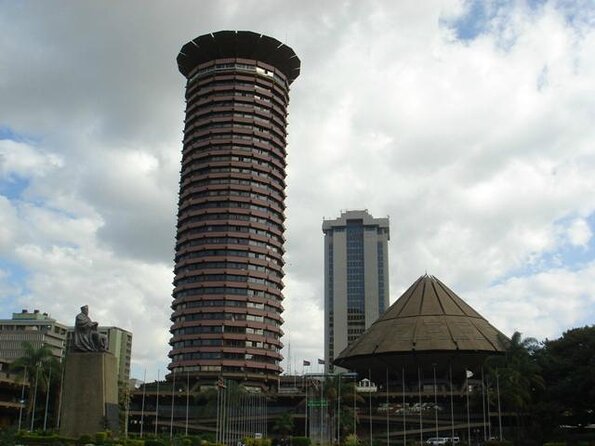
- Uhuru Park stroll near downtown gives you shade and a slower pace right in the business district
- Parliament buildings and the Kenyatta Mausoleum area anchor the political story of modern Kenya
- August 7 Memorial Park adds a heavy, specific historical moment to the route
- Kenya National Archives stop brings in arts, traditions, and regional handicrafts
- Traditional Kenyan lunch with a drink keeps the day practical, not rushed
- Public transport included means you experience Nairobi movement first-hand
Nairobi covered at street level and by minivan

A 5-hour Nairobi walk with lunch, shade, and city-center landmarks
This tour is built for a realistic half-day. You’re out for about five hours, starting at 9:00 am and ending back at the meeting spot in Nairobi’s CBD area (Hotel Boulevard on Harry Thuku Rd). The pace is walking plus short transfers on local transport, so you get both the “city sights” part and the “how people get around” part.
The best part of this format is that it does not try to do everything. You trade a long checklist for a tighter route with multiple stops that make sense together, like government, memory, and culture. And because the group is capped at 12, it is easier to ask questions and keep the day from feeling like a race.
Uhuru Park, parliament views, and the Kenyatta Mausoleum

The morning kicks off with a friendly meet-up with your guide, then straight into Uhuru Park. This is Nairobi at street level, with shaded paths that feel like a breather from the surrounding traffic and office buildings.
From there, you walk past some of the most recognizable political landmarks in Kenya. You’ll see the imposing Kenyan parliament buildings, then continue toward the Mzee Jomo Kenyatta Mausoleum. Even if you are not a history buff, this is a chance to understand how public space and national identity shape a city. The scale of the buildings, the way people move in the area, and the attention given to these sites all add up to more than a photo stop.
What I’d watch for here: you’ll be outdoors for portions of the walk. If you’re sensitive to sun or you dislike long stretches on foot, plan to wear comfortable shoes and bring a bit of water. The “free admission” mentioned for parts of the walk is helpful for budgeting, but your real cost is physical effort.
The Kenyatta Conference Centre area and walking at local pace
As the day continues, you move along the central corridors where Nairobi’s political and civic life concentrates. The route includes a look at the Kenyatta Conference Centre area. This matters because conference spaces often signal a city’s international connections, while the surrounding streets show the daily rhythm people actually live with.
If you pay attention, this stretch teaches you how Nairobi feels at street level. You notice things like how quickly the city pulls your attention in multiple directions, and how much a local guide can help you interpret what you’re seeing so it does not become just “more buildings.”
Also, this is where walking becomes more than movement. You’re not just covering ground, you’re learning the geography of downtown Nairobi and how the major landmarks relate to each other.
August 7 Memorial Park, and a moment you shouldn’t rush

One of the most emotionally serious stops is August 7 Memorial Park, created to commemorate the 1998 US Embassy bombing. This is not a casual detour. It is a designed space that asks for quiet focus, and it shifts the tone of the tour from “see the city” to “understand what the city endured.”
A good guide will frame it with context, and you’ll likely notice that the memorial’s location and layout makes it feel anchored in Nairobi’s history rather than tucked away like an exhibit. This is a stop where you should slow your pace, take a minute to read what you can, and let it land.
Practical consideration: because it is a memorial tied to tragedy, it may not feel fun in the usual sense. If you’re traveling with someone who dislikes serious sites, you might want to agree beforehand that this part is part of the meaning of the trip.
Other Nairobi bookings that survived the same scrutiny
Kenya National Archives and what you can learn beyond the streets

The tour includes time at the Kenya National Archives, with flexibility built around your interests and the route. This is where the day broadens from politics and memory into culture: you’re guided toward Kenya’s artistic traditions and regional handicrafts.
This stop is valuable because it helps you make connections. After seeing government buildings and memorial space, you start to understand that national identity is not only built through institutions. It is also expressed through art, craft, and the everyday cultural practices people carry forward.
If you like taking home more than photos, this is the area where you’ll likely notice how craft traditions vary by region and how they’re presented. Since the tour is walking-based, you also avoid the “big museum shuffle” feeling that can waste half a day.
Lunch in Nairobi: traditional meal, but confirm what you’re ordering

Lunch is a core part of the experience, and it is included: a local restaurant meal with a soda or juice. The idea is simple, eat like a local, chat, and rest your feet without turning lunch into a separate mission.
That said, one caution from real-world experiences is that the lunch quality can be inconsistent. For at least one group, the lunch stop was disappointing because the food offered did not feel very Kenyan, and the guide struggled to recommend a dish from the menu. For you, the practical takeaway is to treat lunch like a normal ordering situation, not a fully guaranteed “you will love this exact thing” moment.
Here’s how to handle it smoothly:
- Ask what is most popular or what the staff recommends in plain terms.
- If you have dietary needs, say them early and clearly.
- If you’re hoping for a specific dish type, check that it is actually on the menu.
When lunch lands well, it becomes the best part because it slows the whole trip down. When it misses, it can drag your overall impression. Either way, it is still a good value because lunch is included, not added as a surprise extra later.
Public transport and the matatu or bus feel of the city

You won’t just walk the whole time. The tour includes use of local public transportation, which is a big part of why this format feels “of Nairobi” rather than “through Nairobi.”
A real advantage of using local transit is perspective. You experience the city’s pace, you see how people share space, and you learn the basic rhythm of daily commuting. One guide example from the field is that the transit segment can be genuinely fun when a guide explains what you’re seeing along the route.
Just remember: local transport is not designed for tourist comfort. You might stand, wait, and deal with normal crowds. This is not a con if you go in with the right expectations. If you want a perfectly smooth, fully private experience, you may prefer a different style of tour.
Price and value: is $45 worth it?
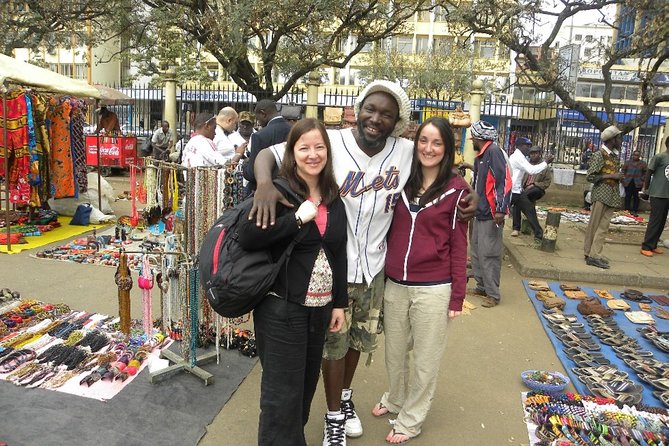
At $45 per person, this tour sits in the “good deal if you use what’s included” category. Here’s what you’re paying for that actually matters:
- A local English-speaking guide for about five hours
- Entry details that are listed as free where applicable (like certain park or key-area stops)
- Lunch with a drink
- Local public transportation during the tour
- A route that combines major landmarks with culture-focused stops like the archives
If you were to book these pieces separately, lunch plus a guided city walk plus transport would likely cost more than a single bundle. The main value risk is the lunch restaurant experience, because that is the part that can disappoint depending on where you end up and how you order. Still, since lunch is included upfront, you avoid “nickel and dime” problems.
Also note: the tour is usually booked about 28 days in advance on average. That does not mean you can’t find space later, but if you’re traveling in a busy period, booking early increases your chances.
Who should book this Nairobi city walk, and who should skip it
This tour is a strong fit if you:
- Want a half-day plan that mixes downtown landmarks with cultural stops
- Like walking at a manageable pace and enjoy asking questions
- Prefer local transport over private car tours
- Appreciate political, memorial, and cultural context more than just scenic viewpoints
It is not a great fit if you:
- Need wheelchair or mobility support (the tour is near public transportation, but it involves walking and transit that is not described as fully accessible)
- Travel with children or teens, because children under 18 are not permitted
- Dislike serious memorial sites, like August 7 Memorial Park
- Have a strict demand for a specific “traditional Kenyan meal” style without variation, since restaurant choices and menus can differ
One more practical note: dress standards are described as conservative throughout Africa, so pack accordingly for comfort and respect.
Should you book this Nairobi City Walking Tour with Traditional Kenyan Lunch?
I think you should book it if you want a focused, walkable way to understand Nairobi’s core story, from Uhuru Park and national landmarks to memorial space and the archives. The included lunch and public transport make it feel like a real day out, not just a sightseeing loop.
Skip it if lunch consistency is your top priority or if you dislike heavy historical stops. For most people, the guide quality and the tight route make the experience land well, especially because the group is kept small.
If you do book, come prepared to walk, be curious, and ask your guide what to order at lunch. That one move can turn a possible weak point into a win.
FAQ
How long is the Nairobi City Walking Tour?
The tour lasts about 5 hours.
What time does the tour start, and where does it meet?
It starts at 9:00 am at Hotel Boulevard Nairobi, City Centre CBD Harry Thuku Rd, Nairobi, Kenya.
Does the price include lunch?
Yes. Lunch at a local restaurant is included, along with a soda or juice. Additional food and drink are not included.
Is the tour carbon neutral?
Yes. The tour is described as carbon neutral and operated by a B Corp certified company committed to using travel as a force for good.
What transportation is included during the tour?
You use local public transportation during the experience.
How large is the group?
The tour has a maximum of 12 travelers.
Are children allowed?
No. Children and teens under 18 years old are not permitted on this tour.
What should I wear?
Dress standards are described as conservative. The tour recommends modest clothing for comfort and respect.
Is hotel pickup included?
No. Hotel pickup and drop-off are not included, and the activity ends back at the meeting point.
What is the cancellation policy?
Free cancellation is available. You can cancel up to 24 hours in advance for a full refund, based on the experience’s local time.
More Tours in Nairobi






More Tour Reviews in Nairobi


Nairobi at Street Level





Everything else we hold on Nairobi
- 7 Days Private 4 star lodges Safari by LandCruiser from Nairobi★ 5.0 · 3 reviews
- 5 Days/4 Nights Kenya Safari★ 4.5 · 3 reviews
- Safari Park Hotel Show & Dinner Experience In Nairobi Tour★ 3.6 · 3 reviews
- Day safari to Olpejeta Rhino conservancy★ 5.0 · 3 reviews
- 7 Days Breathtaking Kenya Wildlife Private Safari★ 5.0 · 3 reviews
- Overnight Amboseli National Park Safari from Nairobi★ 5.0 · 3 reviews
Nairobi City Tours, compared.
 ★ 5.0Nairobi Historical Walking City TourFrom $35258 reviews
 ★ 4.8Nairobi Walking tour:Explore History Culture and TraditionsFrom $22222 reviews
 ★ 4.7Nairobi Downtown Walking TourFrom $27208 reviews
 ★ 4.8Nairobi Walking Tour: Downtown & City TourFrom $2032 reviews
 ★ 4.0vibrant nairobi city tourFrom $3522 reviews
 ★ 4.6Nairobi City Orientation Guided Tour with Lunch at CarnivoreFrom $15020 reviews
 ★ 5.0Nairobi city sights, Giraffe Encounters and Bomas Kenya TourFrom $9519 reviews
 ★ 4.9Nairobi City: Walking tour with Lifestyle and History.From $3517 reviews
Appears in these lists