
REVIEW · KARURA FOREST TOURS
Karura forest: A walking tour into Nairobi’s Nature Oasis
Nairobi slows down in Karura Forest. I love the Karura Waterfalls roar in the middle of the city, and I love the human stories tied to the Mau Mau Caves. This short tour packs in shaded walking, nature sounds, and a dose of Nairobi history without needing a whole day off.
One possible drawback: the quality and depth of the guide’s commentary can vary. If you want lots of plant and tree identification, be ready to ask follow-up questions, because not every guide may focus on that side.
In This Review
- Key things I found most compelling
- Karura Forest: Nairobi’s best “reset” for nature time
- Where you start matters: Karura Forest Gate C
- Welcome and orientation: history plus how to spot wildlife
- Canopy Trail: shaded paths and real Nairobi wildlife chances
- Karura Waterfalls: the sound that pulls you in
- Mau Mau Caves: independence-era stories in the shade
- Fig Tree Circuit and the slower pace for photos
- Picnic lunch time: plan for your own food and drinks
- River walk and wildlife along the course
- Price and value: $50 plus entry and your own picnic
- The guide experience: when Diana shines, and when you should ask questions
- What to expect day-of: pacing, timing, and comfort
- Who this tour is best for
- Should you book Karura Forest walking tour with Keana Safaris?
- FAQ
- How long is the Karura Forest walking tour?
- Where does the tour start?
- Is the tour private?
- Is there an English-speaking guide?
- What is included in the price?
- Are entry tickets included in the price?
- Are food and drinks included?
- Is pickup or drop-off included?
Key things I found most compelling
- A tight 3-hour loop that keeps you moving but still gives you time to stop, look, and listen
- Karura Waterfalls as a main attraction, with the sound of cascading water doing half the work
- Mau Mau Caves where your guide explains their role during Kenya’s independence struggle
- Canopy Trail wildlife chances like monkeys, colorful birds, and butterflies
- A forest picnic break that turns the walk into a slower, more relaxing experience
Karura trails, walked and cycled
Karura Forest: Nairobi’s best “reset” for nature time
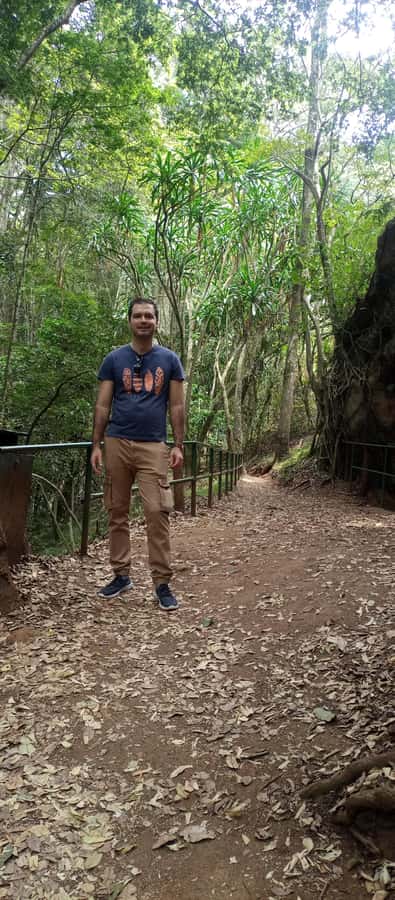
Karura Forest is one of those places that changes your pace fast. You walk in expecting trees, and you get more than that: shade that actually cools you, birds calling from above, and the feeling that the city is just beyond the walls. A 3-hour format helps a lot too. You can do it even if you have a tight schedule, yet it still feels like an outing, not a quick photo stop.
What makes this tour especially good value is that it focuses on two big payoffs. First, you get Karura Waterfalls, which are the kind of sound-and-sight moment you remember. Second, you visit Mau Mau Caves, where the stories give the place weight beyond scenery. It is a nature walk that also adds context, so you leave with more than a collection of selfies.
The other plus is simplicity. This is a walking experience with a professional English guide, built around an easy-to-follow route. If you like getting your bearings while someone else handles the details, this style works well.
Where you start matters: Karura Forest Gate C
The tour begins at Karura Forest Gate C. That matters because Karura is large, and starting at the correct entrance keeps the timing on track. It also means you are not spending your first hour hunting for where to go or waiting while everyone figures things out.
Plan to arrive a few minutes early so you can settle in before the walk starts. Meeting at the gate is also helpful if you are coming by taxi. You can tell the driver your exact pickup point, and you are not guessing which side of the park you need.
Also note this is private group. That can make the experience feel smoother, especially if your group includes different ages or walking styles. Still, it is a forest walking tour, so bring the right mindset for uneven ground and paths that can be muddy depending on recent weather.
Welcome and orientation: history plus how to spot wildlife
At the start, your guide greets you at the forest entrance and sets the stage with forest history and biodiversity. This opening is more useful than it sounds. When you understand what you are looking at, the forest starts rewarding you right away instead of after an hour of walking.
It is also where you can set your own focus. If you care most about animals, ask when you are most likely to see them. If history is your main interest, ask how the Mau Mau Caves portion will be handled. A small adjustment in what you listen for can completely change how much you get from a short tour like this.
One thing to keep in mind: there is mixed feedback about the depth of plant and tree knowledge. Some guides emphasize scenery and walking. Others go into more detail. If you want more botany, speak up early, because once the waterfall call starts, it is easy to switch into sightseeing mode only.
Canopy Trail: shaded paths and real Nairobi wildlife chances
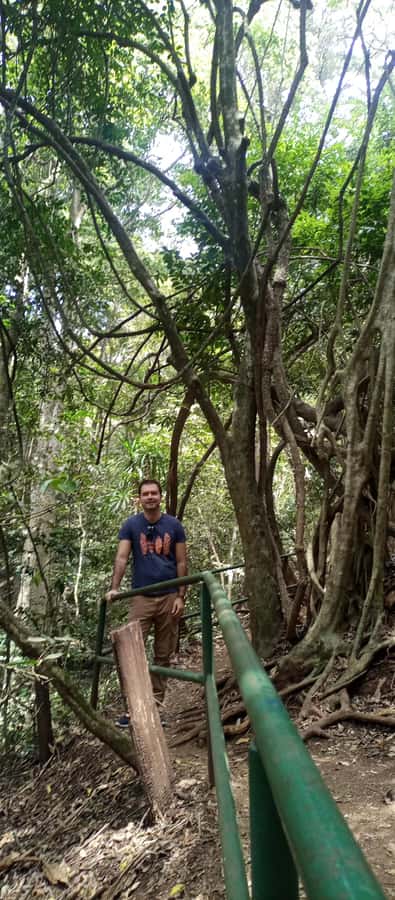
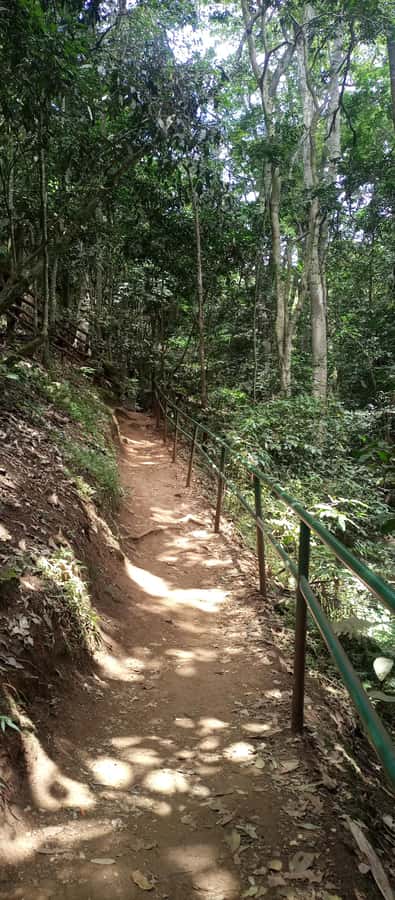
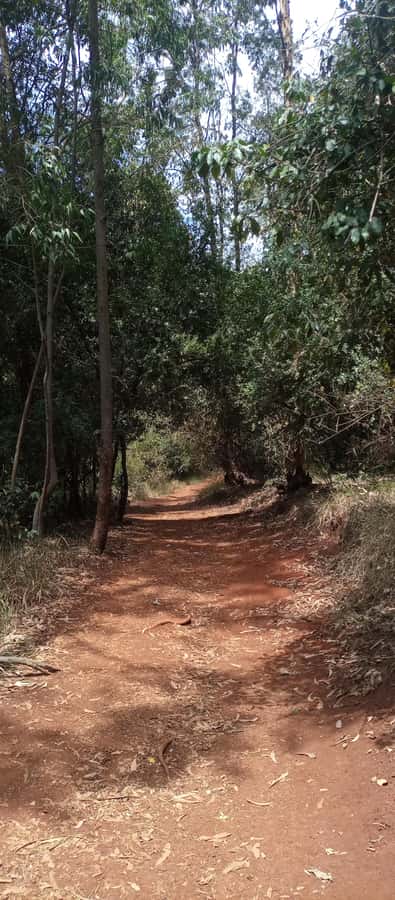
The walk through the Canopy Trail is the backbone of the tour. You move along forest trails shaded by towering trees and lush canopies, which makes the experience feel distinctly different from time spent on Nairobi streets. Even if you only get a few minutes of shade at first, the forest quickly takes over your senses.
This is also where wildlife may show up. You are given chances to look for monkeys, colorful birds, and butterflies. You will not control what appears, but the trail pacing and stop-and-look approach makes it easier to notice movement that you would miss on your own.
Here’s a practical tip: slow down when your guide stops for a story. The same moment you think is for listening is also when animals are most likely to move. If you keep walking at your usual pace, you might miss the quick glance of something high in the branches.
The canopy stretch also works as a warm-up for the rest of the tour. You get used to the footing, you settle into the forest soundscape, and you build that anticipation that the best stops are coming next.
Other Nairobi bookings that survived the same scrutiny
Karura Waterfalls: the sound that pulls you in
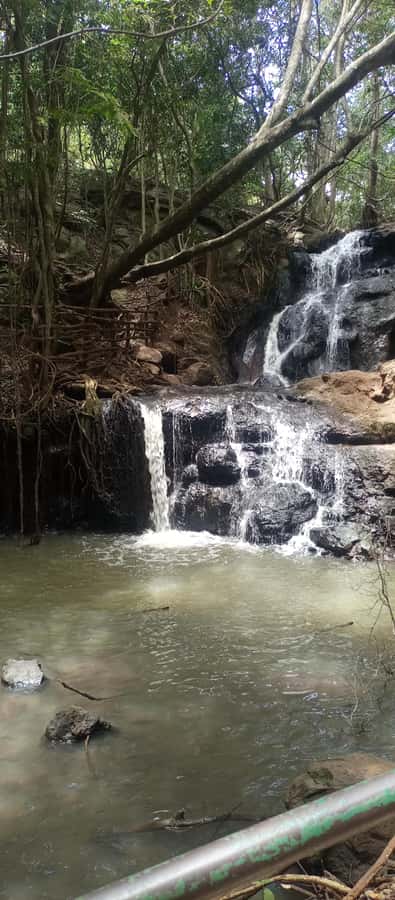
Then comes Karura Waterfalls, described as a hidden forest highlight and experienced through sound and scenery more than signage. When you reach the waterfall area, the most noticeable change is the audio. Cascading water takes over, and your brain stops tracking city noise.
Visually, it pairs with greenery, and that combo makes it a strong reset point for photos, too. But the real value is how you experience it: pause, listen, look around, then keep walking. The tour gives you time for that rhythm instead of rushing straight past.
What I like about this part for practical travelers is that waterfalls are one of the few attractions where you can judge quality even if you do not speak the local language. The sound does it for you. If your day is cloudy or you are tired from city commuting, this is still a moment worth showing up for.
If you have the option, wear shoes you trust. Wet ground near water features can be slippery, even when the rest of the forest trail looks fine.
Mau Mau Caves: independence-era stories in the shade
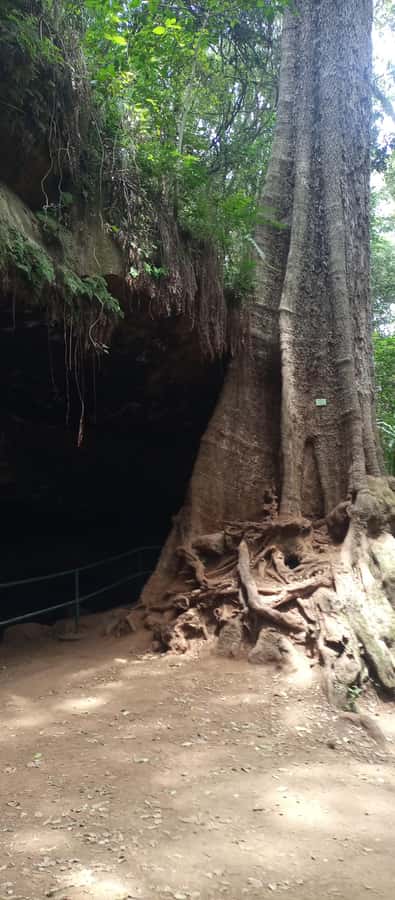
Next, you visit the Mau Mau Caves, where your guide explains their historical significance. These caves served as a hideout during Kenya’s struggle for independence. Hearing that while you are actually inside the forest setting changes the way the information lands. It stops being a fact you read and becomes a story you can picture.
This stop is where your guide’s communication style matters most. Since feedback includes one session where the history coverage felt thin, you should treat this as an interactive moment. If anything feels rushed or vague, ask a direct question. For example, ask how the guide connects the cave story to the forest setting you are standing in right now.
If you care most about history, this is the portion to prioritize mentally. The forest visuals are great, but the caves are where you get the deeper meaning tied to the land.
Fig Tree Circuit and the slower pace for photos
The Fig Tree Circuit shifts the tour into scenic wandering. Towering fig trees create natural photo opportunities, and the route gives you a more relaxed feel compared with the earlier canopy sections. This is where you can look up, check your framing, and enjoy the calm without constantly scanning for movement.
I like that this circuit supports “micro moments.” You get plenty of opportunities to stop without feeling like you are taking up the guide’s time. Also, if your group includes people who want something visually interesting but do not want a hard walking pace, this section makes the tour feel balanced.
In a short 3-hour format, photo timing can make or break the experience. This circuit helps you because it gives natural stopping points. You do not have to force it with quick snapshots while moving quickly.
Picnic lunch time: plan for your own food and drinks
The tour includes time for a picnic lunch amid the forest serenity. But food and drinks are listed as not included, so you should plan accordingly. Bring your own items, or be ready to purchase what you need before you start, depending on what is available to you.
A picnic in the forest is not just about the meal. It is also about reset time. You sit, you eat, you listen to the sounds of the park, and you let the walk feel less like a checklist.
If you tend to get hungry fast, do not leave this to chance. Since you are paying for a guided loop and entry tickets, it is easy to underestimate what you need for a comfortable 3-hour outing. Water is especially important. Even with shade, forest air can still feel warm once you are walking.
River walk and wildlife along the course
After the fig trees, you follow the river walk along the course and continue the search for wildlife. The riverbanks bring a different kind of scenery than the canopy. You might notice movement closer to the ground, and the sounds change again as water and air shift together.
This section is a good time to slow down your phone use and look up and around. Birds and insects can be easier to spot when you stop moving, and the guides can help you know what is worth watching.
The best strategy here is simple: pause often. Even a few seconds at each stop can help you spot something small that adds a lot to your overall memory of the walk.
Price and value: $50 plus entry and your own picnic
The tour price is $50 per person for a 3-hour private walking experience with an English-speaking forest guide. On top of that, entry tickets are $4 per person and are not included. Food and drinks are also not included.
So is it worth it? In my view, yes if you value two things: guided direction in a large natural area, and access to specific stops like the waterfalls and Mau Mau Caves. Entry tickets are relatively small compared with the cost of transport to get you there and the value of a guide to keep you oriented.
The biggest cost variable you control is the picnic. Because food and drinks are not included, you should budget for your own lunch and water. If you come prepared, the overall cost stays predictable and you get a full half-morning or afternoon style outing without the expense of a multi-part tour.
Another value point is the express security check. That is not a “fun” feature, but it saves time and stress, which is usually what ruins good trips.
The guide experience: when Diana shines, and when you should ask questions
The tour is run by Keana Safaris, and guidance quality can be a deciding factor for whether you love the experience.
In one set of feedback tied to the host Diana, the standout themes were warm hospitality, being helpful, and going above and beyond to ensure an excellent time. Organization also came up, even with short notice. That combination is what you want in a forest walk, because it makes the pace feel comfortable and the stories feel purposeful.
At the same time, there is feedback that one guide knew less about plants and trees and shared only a limited amount about park history. That does not mean every departure is the same, but it does suggest you should not assume you will automatically get deep botany or detailed history without asking.
My practical advice: at the start, ask what will be covered at the Mau Mau Caves and whether there will be plant or tree identification on the Canopy Trail. You will get more from the tour if your guide knows what you care about.
What to expect day-of: pacing, timing, and comfort
This is a 3-hour walking tour, so the route is designed to keep momentum. You are not doing a long trek. Instead, you cycle through a sequence of stops where you can enjoy shade, listen to the waterfall, and take in the caves and fig trees.
Because it is private, the pacing should feel more flexible than a big group tour, but it is still a set route. Wear shoes you can stand and walk in for the full time, and bring a light layer in case the forest air feels cooler after you get away from city heat.
If you are the type who gets restless during “just walking,” this tour may work better than you expect. The stops are frequent enough to refresh you, and the waterfall moment gives you a true peak experience.
Who this tour is best for
I think this tour fits well if you want a Nairobi nature experience without committing an entire day. It is ideal for:
- People who want waterfalls plus history in one outing
- First-time visitors who want an easy way to understand Karura Forest without getting lost
- Nature lovers who like spotting animals when they can, like monkeys, birds, and butterflies
- Anyone who prefers a private format and a live English guide
It might be less satisfying if you specifically want a long, deep botany lecture. The tour includes biodiversity talk, but feedback suggests not every guide emphasizes plant identification. If that is your main goal, ask before you go, and consider pairing this with another option that focuses more on botany.
Should you book Karura Forest walking tour with Keana Safaris?
Book it if you want a short, guided forest walk that hits two major highlights: Karura Waterfalls and the Mau Mau Caves. The combination of nature sounds, wildlife spotting chances, and historical context is exactly the sort of Nairobi experience that feels meaningful without being exhausting.
I would hold off or ask extra questions before booking if you strongly require lots of detailed plant and tree identification. In that case, confirm your guide’s focus before you arrive, because the quality of that aspect seems to vary.
Overall, for $50 plus a modest entry fee, you are paying for guided access, a smart route, and a mix of scenery plus story. If that matches what you want from Nairobi, this is an easy yes.
FAQ
How long is the Karura Forest walking tour?
The tour duration is 3 hours.
Where does the tour start?
The tour starts at Karura Forest Gate C.
Is the tour private?
Yes, it is listed as a private group.
Is there an English-speaking guide?
Yes, the tour includes a live tour guide in English.
What is included in the price?
The tour includes the services of a professional English-speaking forest guide.
Are entry tickets included in the price?
No. Entry tickets are not included and cost $4 per person.
Are food and drinks included?
No. Food and drinks are not included.
Is pickup or drop-off included?
No. Pick up and drop off are not included.
More Tours in Nairobi





More Tour Reviews in Nairobi


Deeper into Karura



Everything else we hold on Nairobi
- 7 Days Private 4 star lodges Safari by LandCruiser from Nairobi★ 5.0 · 3 reviews
- 5 Days/4 Nights Kenya Safari★ 4.5 · 3 reviews
- Safari Park Hotel Show & Dinner Experience In Nairobi Tour★ 3.6 · 3 reviews
- Day safari to Olpejeta Rhino conservancy★ 5.0 · 3 reviews
- 7 Days Breathtaking Kenya Wildlife Private Safari★ 5.0 · 3 reviews
- Overnight Amboseli National Park Safari from Nairobi★ 5.0 · 3 reviews
Karura Forest Tours, compared.
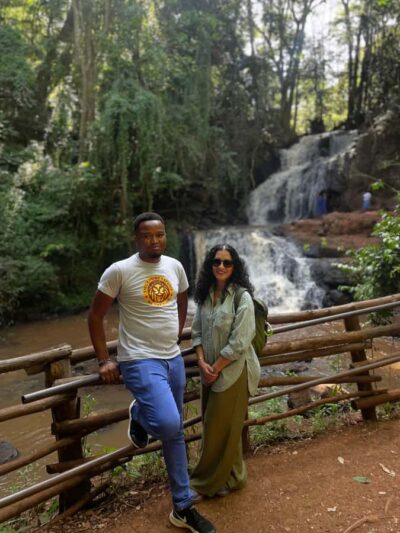 ★ 5.0Nairobi: From Nairobi-Karura Forest Guided Walking TourFrom $4521 reviews
 ★ 5.0Karura Forest: Walking tour with Nature and Waterfalls.From $4012 reviews
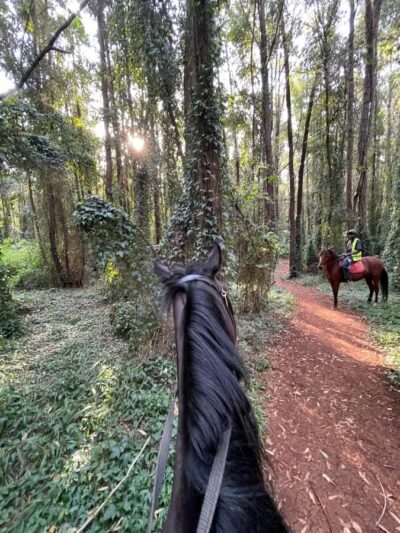 ★ 4.8Nairobi: Karura Forest Horseback Riding TourFrom $9011 reviews
 ★ 4.5Karura Forest Nature TrailFrom $9010 reviews
 ★ 4.3Hike in The Karura ForestFrom $4110 reviews
 ★ 3.6Karura forest A walking tour from NairobiFrom $954 reviews
 ★ 5.0Nairobi: Karura Forest Guided Walking TourFrom $514 reviews
 ★ 4.5Karura Forest Hiking and Bike TourFrom $1003 reviews
Appears in these lists