
REVIEW · KARURA FOREST TOURS
Nairobi: Karura Forest Guided Walking Tour
Karura Forest feels like Nairobi’s secret. This 3-hour guided walk takes you into the city’s green heart, where waterfalls, Mau Mau caves, and a bamboo trail all come with guide-led storytelling. You are not just passing trees, you are learning how the forest connects to conflict, culture, and everyday peace.
I love the way this tour slows you down on purpose. The reflection moment (journaling or quiet silence, optional) makes the “urban forest” idea feel real, not marketing fluff. I also like the tree storytelling, including how indigenous trees carry Kikuyu cultural meaning, which gives you something to notice beyond scenery.
One possible drawback: this is a slow, thoughtful walk, not a fitness hike. If you want lots of steep climbs or fast pacing, you might find it less exciting. And since you should bring comfortable shoes, wet or muddy conditions can make footwork more important than usual.
In This Review
- Key highlights that make this tour worth it
- Karura Forest: Nairobi’s green heart with meaning
- Where you start: International House or Karura Gate A
- The 3-hour walk pace: slow, soulful, and actually doable
- Photo stop and scenic waypoints that set the tone
- Tree storytelling and Kikuyu meaning: why the forest feels personal
- Waterfall mist and pine trails: the route’s sensory reset
- Mau Mau caves and the freedom corner: history you can stand inside
- Rustic bridges, winding streams, and that bamboo hush
- The reflection moment: journaling or silence, your choice
- Guide flexibility you can feel: Joel’s style
- What’s included, and what you need to handle
- What to bring (and what not to bring)
- Who should book this Karura Forest guided walking tour
- Price and value: $51 for a guided forest experience
- Should you book it? My straight advice
- FAQ
- How long is the Nairobi Karura Forest guided walking tour?
- Where does the tour start?
- Can I meet the tour at the forest gate instead?
- Is this a private tour or a group tour?
- What is included in the price?
- Is food included?
- Is this tour a hike or a walking tour only?
- What should I bring?
- What is not allowed during the tour?
- Is the tour suitable for very young children or older adults?
Key highlights that make this tour worth it
- Story-driven footsteps that link what you see in Karura to history and meaning
- Mindful silence and reflection built into the route, not added on at the end
- Hidden places on foot including Mau Mau caves and a freedom corner
- Water and shade breaks like a natural waterfall stop and pine trails
- Private-guide pacing that helps you actually take in the forest, root by root
Karura trails, walked and cycled
Karura Forest: Nairobi’s green heart with meaning
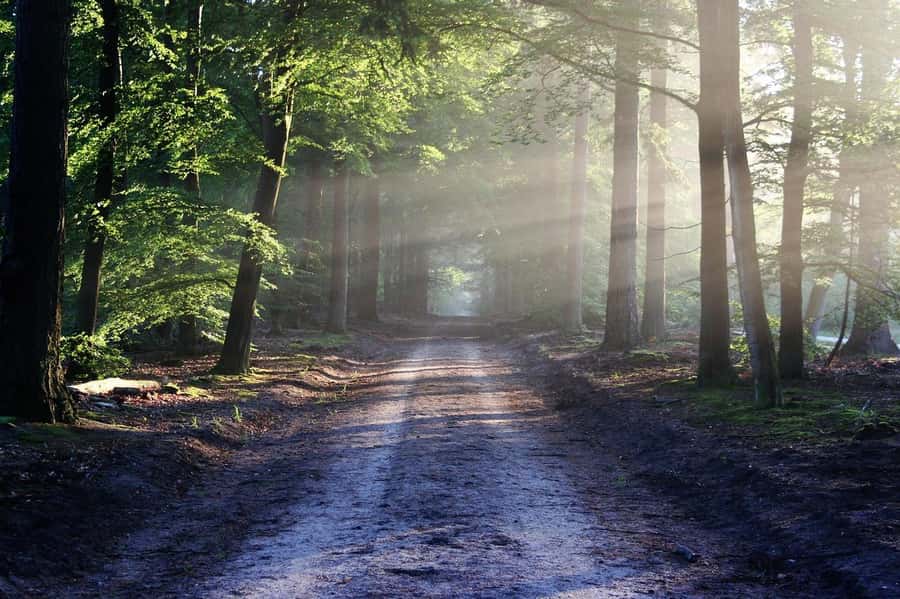
Karura Forest is one of those places where “nature near the city” makes sense in a practical way. In about a short drive, you get air that feels cooler, shade that breaks the light, and a soundscape that changes every few minutes, from birds to rushing water to that bamboo hush.
What makes this tour different is the guiding style. You move at a pace that lets you notice details, then you get a story that explains why that detail matters. So instead of only taking photos, you end up with a mental map of the forest: where resistance shaped memories, where peace replaced fear, and how culture lives in the trees.
That matters for you because it changes what you do during the walk. You stop treating Karura like a checklist and start treating it like a place you can understand, even in a half-day visit.
Where you start: International House or Karura Gate A
You will begin at International House Ltd on Mama Ngina Street. That is an easy starting point to aim for if you are already staying in Nairobi’s central areas.
You also have an option to meet at Karura Forest Gate A on Limuru Road. This is useful if you are already closer to the gate area or if you prefer to cut down on city driving.
Either way, plan to arrive a little early. This tour depends on a smooth start because the forest experience is paced. If you roll in late, you lose the calm momentum that makes the reflective stops feel natural.
The 3-hour walk pace: slow, soulful, and actually doable
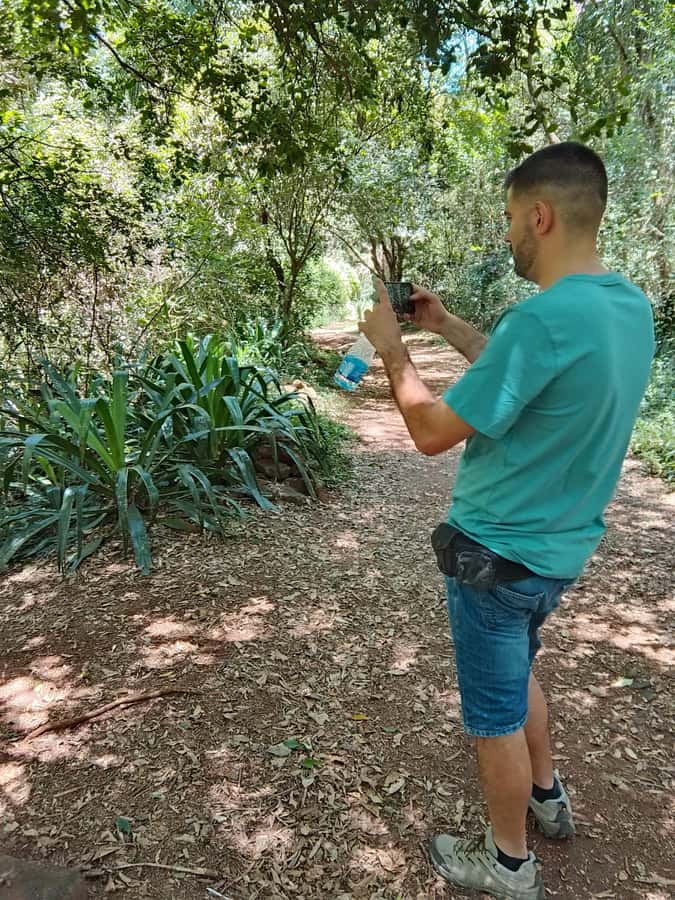
The whole point here is that it is not a hike. The tour is designed as a slow, steady guided walk through Karura’s lesser-known corners. You are moving along forest paths and visiting key spots like caves, bridges, and waterfall areas, but you are not being pushed to keep a high speed.
For many people, that is the best part. You get time to stop and listen. You also get time for the route to “make sense” in your head, like you are tracing a story rather than just walking between attractions.
What you should watch: because the pace is calm, the experience leans more emotional than athletic. You will spend time pausing for breathing and reflection. If you love quiet travel and meaningful context, you will likely feel at home. If you want constant action, you might have to adjust your expectations.
Photo stop and scenic waypoints that set the tone
You start with a photo stop and a guided tour section that includes walking and scenic views along the way. This early part matters more than it sounds. It sets your footing, your frame of reference, and the tone your guide will use later when the stories get heavier.
On rainy days, the forest can look especially alive. Even if you cannot predict weather, you can plan for the reality that Karura may be wet. Bring shoes that grip well and expect that the ground near water can be slippery.
If you like quiet, this is also the moment to notice how sound changes when you cross deeper into shade. It helps you appreciate the “silence” part later, because you will recognize when it arrives.
Other Nairobi bookings that survived the same scrutiny
Tree storytelling and Kikuyu meaning: why the forest feels personal

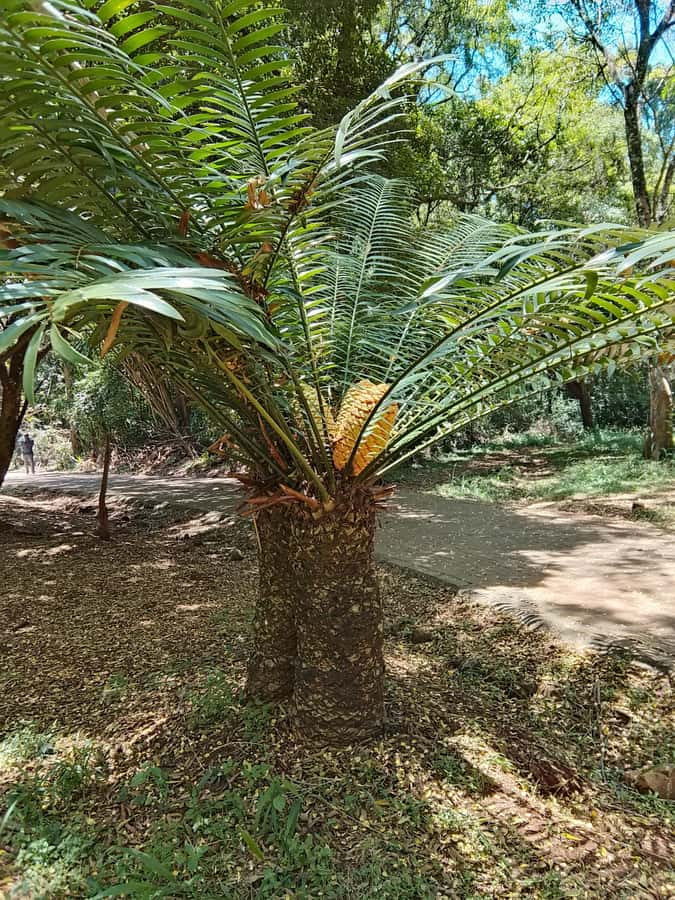
One of the included highlights is tree storytelling, focused on the meaning of sacred African trees. The guide connects specific trees to Kikuyu cultural meaning, which gives you a framework for what you are seeing.
Here is why that matters for you on the ground. When you know that certain plants are not random decorations, you start looking differently. You may notice shape, placement, or the way the forest grows around water and pathways. Even if you do not remember every detail, you will still walk away feeling like you “read” the forest instead of just passing it.
This is also where the tour becomes a cultural experience, not only a nature tour. You are learning how people interpret land through trees, memory, and meaning. That is a powerful contrast to the typical Nairobi day, where everything can feel fast and transactional.
Waterfall mist and pine trails: the route’s sensory reset

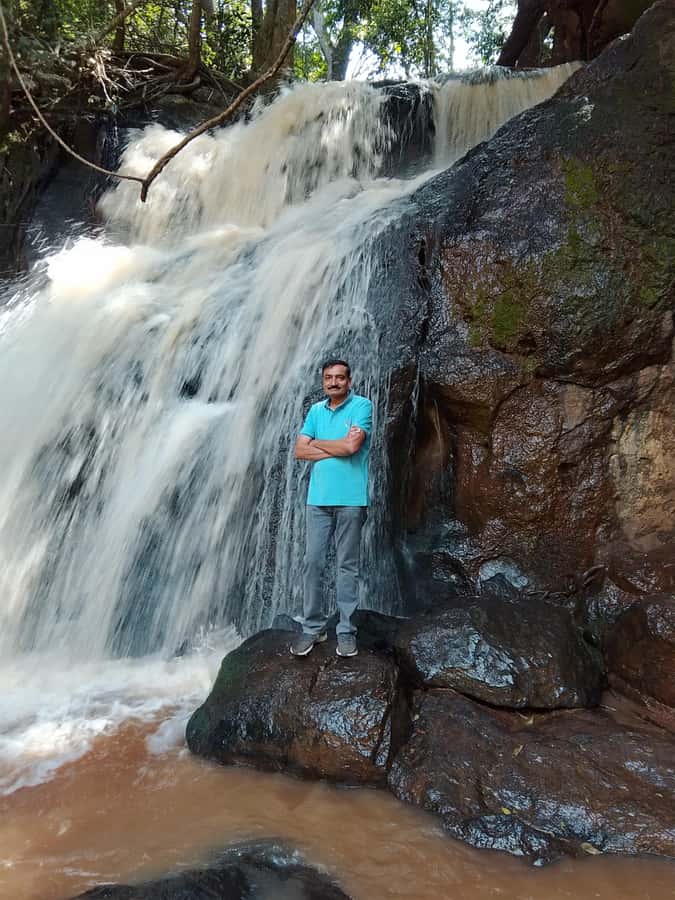
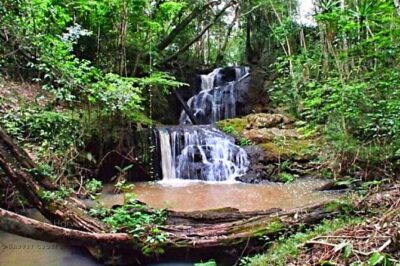
At some point you will stop at a guide-led waterfall area and also move through pine trails. Natural waterfalls do something simple but effective: they force you to pause. Your ears lock in on the sound, your eyes track mist, and even your breathing changes.
That is exactly where the tour’s mindful style pays off. Because you slow down, you do not just see water, you feel it. And because you are not sprinting between viewpoints, you get a chance to absorb the way the forest cools off around moving water.
Practical tip: if it has rained, water spots and mist can make nearby sections damp for longer than you expect. Your shoes matter here, and so does choosing a careful step when you cross uneven ground.
Mau Mau caves and the freedom corner: history you can stand inside
This is one of the tour’s most distinctive parts. You will visit Mau Mau caves and a freedom corner, with the guide explaining what happened and why it is remembered.
You are not just hearing broad history. You are walking in a landscape tied to resistance, then stepping into a space meant for reflection on freedom and survival. Caves in particular carry a kind of physical gravity. Even without getting overly dramatic, you feel the shelter they offered and the decisions people had to make.
What you should expect from the storytelling: your guide weaves the forest features into the past. That can include how movement through the forest served practical needs, and how later came the shift toward peace. For you, the value is perspective. Nairobi is not only a modern city, it holds layers of lived memory in places like Karura.
This portion can also be emotionally weighty. If you are the type of traveler who likes to process in quiet moments, the tour structure helps. You will not be rushed from heavy history into something superficial.
Rustic bridges, winding streams, and that bamboo hush
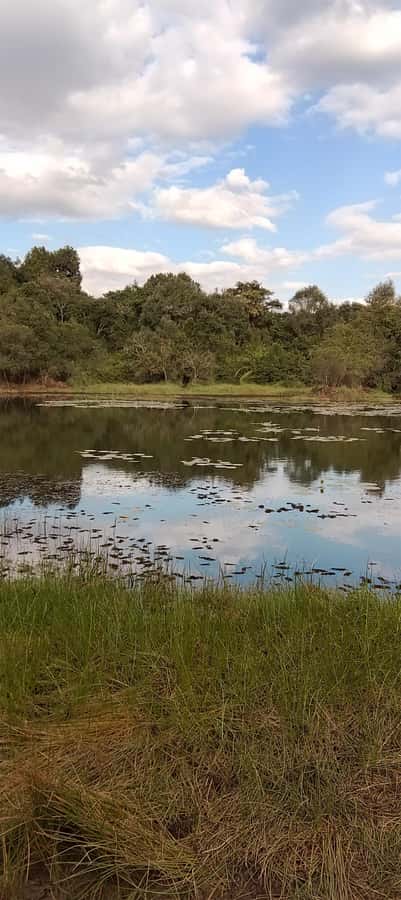
As you continue, you cross rustic bridges over winding streams and move through forest paths that can include bamboo trail sections. These are not just scenic in a generic way. They are part of how Karura moves like a system, water, shade, and growth pulling you along.
Bridges add a subtle moment of change. You shift your attention to depth, flow, and footing. Streams guide where people can walk and where plants cluster, so the bridge crossings often feel like natural pauses in the story.
Bamboo trails, when you find the right stretch, can create a different kind of silence. Not empty silence, more like a gentle layer that softens sounds. It fits the tour theme of connecting through quiet observation.
The reflection moment: journaling or silence, your choice
This tour includes a forest reflection moment, with journaling or silence optional. This is where the experience turns into something personal.
You do not have to be “spiritual” to enjoy it. Sometimes you just need time away from decision-making and traffic noise. A short quiet break in a forest gives you space to think, and it also helps you remember what you learned during the walk.
If you like structure, journaling can help you capture details while they are fresh. If you prefer minimal effort, silence can be equally valuable. Either way, you leave with more than photos, you leave with a mental landing.
Guide flexibility you can feel: Joel’s style
This tour is private and led by a guide. A private format changes the whole experience. You can move at a pace that fits your comfort level, ask questions, and linger where you genuinely want to look longer.
I also like that the guide approach here includes flexibility. In real-world conditions, weather and timing can shift. Having a guide who can explain how they work and adjust the start time when possible makes it easier to trust the day.
And it is not just logistics. The guide’s warmth matters because you are walking through both calm scenery and heavier history. The right tone keeps it thoughtful, not awkward.
What’s included, and what you need to handle
Included in the tour is everything that makes a guided walk feel complete: private guide, transport to and from, entry fees, and the main stops like the waterfall and pine trails, Mau Mau caves, and the freedom corner. You also get the reflective forest moment and the tree storytelling component.
Not included: meals or snacks, and there is no bike rental since this is a walking tour. So if you are hungry, plan to eat before or after. Bring water if that helps you stay comfortable, but the tour data only lists general packing advice for shoes and clothes.
What to bring (and what not to bring)
You do not need special gear, but you do need the basics. Bring comfortable shoes and comfortable clothes. Since the tour is a walking experience in a forest, footwear traction and ankle comfort make the difference between relaxing and worrying about slipping.
Not allowed: alcohol and drugs. Simple rule, but it matters for keeping the tone respectful and focused on the experience.
Who should book this Karura Forest guided walking tour
This is a strong match if you want:
- A Nairobi nature break that is more than scenery
- A guided walk with storytelling and historical context
- Mindful pacing, silence, and reflection
- A private guide format instead of a crowded group
You might think twice if you want a high-energy workout or a strictly athletic challenge. This route is designed as healing and mindful movement, not a speed test.
Age note: it is not suitable for babies under 1 year or people over 95 years. If you are in that range or you have mobility concerns, it is worth checking before booking, but the tour does emphasize a walk rather than extreme climbing.
Price and value: $51 for a guided forest experience
At about $51 per person for a roughly 3-hour tour, the value is mainly in what you are getting bundled together. You are not just paying for a guide’s time. Entry fees, transport, and the key guided stops are included, which matters when you are traveling in a city and trying to avoid extra coordination.
Because it is a private group with a private guide, you are also paying for flexibility and attention. For many travelers, that kind of personalized pacing is the difference between seeing Karura and actually experiencing it.
So if you want a thoughtful morning or afternoon that combines nature, culture, and story, this price starts to make sense quickly.
Should you book it? My straight advice
Book it if you like calm travel, meaningful context, and a guide who treats the forest like a story you can walk through. The combination of waterfall stops, Mau Mau caves, a freedom corner, and tree storytelling gives you variety without feeling scattered.
Skip it if you are only chasing big thrills or fast hiking. This is slower, reflective, and more about connection than performance.
If you show up with good shoes and an open mind, you are likely to leave Karura with that rare feeling that you visited a place in both your eyes and your memory.
FAQ
How long is the Nairobi Karura Forest guided walking tour?
It lasts about 3 hours.
Where does the tour start?
The standard meeting point is International House Ltd on Mama Ngina Street.
Can I meet the tour at the forest gate instead?
Yes. You can opt to meet at Karura Forest Gate A on Limuru Road.
Is this a private tour or a group tour?
It is a private group with a live English guide.
What is included in the price?
Transport to and from, private guide, entry fees, guided stops including waterfall and pine trails, visiting Mau Mau caves and a freedom corner, and a forest reflection moment (journaling or silence optional) are included.
Is food included?
Meals or snacks are not included.
Is this tour a hike or a walking tour only?
It is a walking tour only, not a bike tour, and it is designed as a slow-paced forest experience.
What should I bring?
Bring comfortable shoes and comfortable clothes.
What is not allowed during the tour?
Alcohol and drugs are not allowed.
Is the tour suitable for very young children or older adults?
It is not suitable for babies under 1 year and people over 95 years.
More Tours in Nairobi





More Tour Reviews in Nairobi


Deeper into Karura


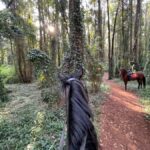
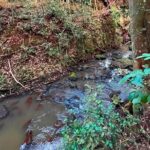

Everything else we hold on Nairobi
- 7 Days Private 4 star lodges Safari by LandCruiser from Nairobi★ 5.0 · 3 reviews
- 5 Days/4 Nights Kenya Safari★ 4.5 · 3 reviews
- Safari Park Hotel Show & Dinner Experience In Nairobi Tour★ 3.6 · 3 reviews
- Day safari to Olpejeta Rhino conservancy★ 5.0 · 3 reviews
- 7 Days Breathtaking Kenya Wildlife Private Safari★ 5.0 · 3 reviews
- Overnight Amboseli National Park Safari from Nairobi★ 5.0 · 3 reviews
Karura Forest Tours, compared.
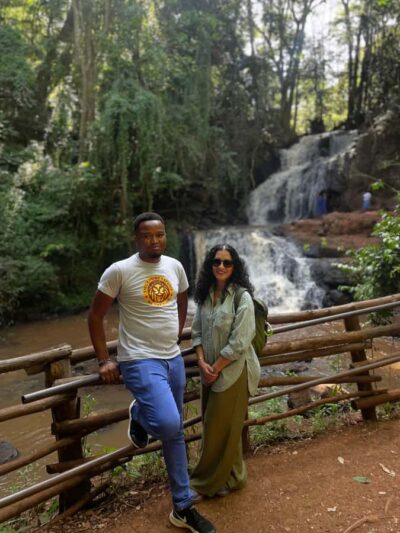 ★ 5.0Nairobi: From Nairobi-Karura Forest Guided Walking TourFrom $4521 reviews
 ★ 5.0Karura Forest: Walking tour with Nature and Waterfalls.From $4012 reviews
 ★ 4.8Nairobi: Karura Forest Horseback Riding TourFrom $9011 reviews
 ★ 4.3Hike in The Karura ForestFrom $4110 reviews
 ★ 4.5Karura Forest Nature TrailFrom $9010 reviews
 ★ 3.6Karura forest A walking tour from NairobiFrom $954 reviews
 ★ 4.3Karura forest: A walking tour into Nairobi’s Nature OasisFrom $503 reviews
 ★ 4.5Karura Forest Hiking and Bike TourFrom $1003 reviews
Appears in these lists