
REVIEW · HISTORICAL TOURS
Nairobi History and Modern Culture 3 Hours Tour
Nairobi gets easier when you have a local route. This small-group 3-hour walk is a practical introduction to the city’s Jamia Mosque and City Market area, with modern-city viewpoints thrown in. I also like the comfort extras like door-to-door pickup plus bottled water and a professional street photo, so you spend less time figuring things out and more time looking around.
The one thing to plan for is street attention while walking in the center. Central Nairobi can attract people asking for money or attention near busy spots, and you may want to keep your focus forward and handle it firmly.
In This Review
- Quick highlights you can use right away
- Why this Nairobi orientation walk beats doing it solo
- Price and logistics: what you actually get for $30
- Jeevanjee Gardens and City Market: colonial street names and real shopping energy
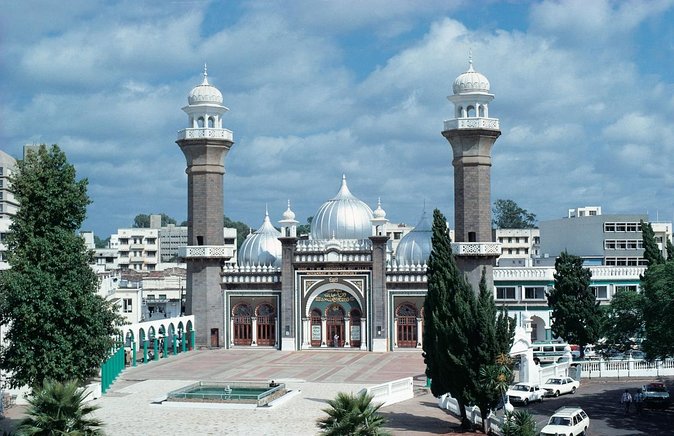
- Jamia Mosque and McMillan Memorial Library: faith, public life, and architecture you can spot
- Kenyatta Avenue to Sarova Stanley: monuments and the Nairobi independence storyline
- Moi Avenue matatu culture: watch the street rhythm up close
- KICC helipad viewpoint: your aerial photo break at the end of the walking loop
- Galton-fenzi Memorial and the final walk back to Jeevanjee
- The small extras that make the tour feel practical
- Who should book this Nairobi history and modern culture tour
- Should you book this tour?
- FAQ
- How long is the Nairobi History and Modern Culture tour?
- What does the tour cost?
- Is pickup and drop-off included?
- Is the KICC entrance fee included?
- What is included with the tour besides the guide?
- Is free cancellation available?
Quick highlights you can use right away

- Small-group feel (capped at 12) so you actually get questions answered, not just radio silence with a megaphone
- Swahili slang and basic vocabulary so you can greet people and understand the tone better as you move
- City Market curio time with guidance through the market’s main divisions
- A real rooftop photo moment at KICC from the helipad area (Kenyatta International Convention Centre)
- Street-level details that make the monuments make sense, from Askari and war memorials to Dedan Kimathi’s legacy
- Included comfort touches like shoe cleaning, bottled water, and fruit salad
Other Nairobi bookings that survived the same scrutiny
Why this Nairobi orientation walk beats doing it solo

If this is your first time in Nairobi, you’ll quickly realize the city is not one big museum. It’s lived-in, loud, practical, and full of neighborhoods that feel very different only a few streets apart. This tour is built for that reality. You get short stops, clear context, and just enough walking to connect the dots without wearing out your legs.
What makes it feel like a smart introduction is the mix of places. You start with Jeevanjee Gardens, where you get a sense of how the city’s older layout still shapes today’s streets. Then you move into everyday commerce and civic life at City Market, and you balance that with faith and public architecture at Jamia Mosque and the McMillan Memorial Library. The final act is modern Nairobi, with monuments along major avenues and a high-view photo break at KICC.
This is also the kind of tour that works when you are short on time. The schedule is flexible enough for layovers, and the duration is long enough to feel like a mini day tour without eating your whole day. You’ll leave with not just photos, but better instincts for where to go next and what to ignore.
Price and logistics: what you actually get for $30
At $30 per person, the value is in the extras, not just the guide. You get pickup and drop-off, bottled water, fruit salad, shoe cleaning, and a professional street photo. That means you’re not paying separately for the small annoyances that add up fast, like getting to central sites, staying hydrated, or trying to squeeze one decent photo out of bad angles.
There’s also mobile ticket support, plus group discounts. In practice, that can matter if your travel dates are fixed and you want a reliable plan with less back-and-forth.
One heads-up: the KICC entrance fee is not included. The rooftop viewing time is set aside, but you may need to plan for that extra cost. If you budget a little for it ahead of time, the day feels smooth instead of stressful.
Jeevanjee Gardens and City Market: colonial street names and real shopping energy
Your route starts at Jeevanjee Gardens, a place that helps you read the city’s layout. You’ll learn how the garden fits into the area and you’ll pick up the older colonial-style street names around it. That might sound like trivia, but it helps when you’re later trying to understand maps, directions, and even which streets people actually use.
Then comes City Market, where the tone changes from park-and-stroll to commerce. You’ll go through the market’s four main divisions with context on the market’s history. And yes, you’ll get time to shop. This is a good spot to buy small souvenirs without feeling like you’re wandering through random stalls.
Here’s how I’d use this part of the day: keep your shopping list short. Pick one or two items you genuinely want, then compare within the market rather than impulse-buying the first thing you see. The guide’s job is to help you find what you want without getting lost in the noise.
Also, City Market is active. Bring patience, expect crowds, and keep your phone secure while you move through curio areas.
Jamia Mosque and McMillan Memorial Library: faith, public life, and architecture you can spot
After the market, you hit Jamia Mosque. The focus here is on seeing the mosque and understanding its place in daily city activity. Even if you’re not attending a service, you’ll get a better feel for how religion and public life share space in Nairobi.
Next is McMillan Memorial Library, where the stop is short but memorable. You’ll notice the building’s structural uniqueness, and you’ll learn its historical role in Kenya’s constitution. That combination is why this stop works on a walking tour: you’re not just staring at a pretty façade, you’re connecting the structure to what it symbolizes in public life.
This is also where having a guide matters. Without context, you might treat these sites as photo backdrops. With context, you see them as active parts of the city’s story.
Practical tip: dress respectfully around religious and public buildings. You don’t need to overthink it, but avoid anything too revealing, and keep your shoulders covered.
Other Nairobi bookings that survived the same scrutiny
Kenyatta Avenue to Sarova Stanley: monuments and the Nairobi independence storyline

Kenyatta Avenue is one of the main entrances into central Nairobi, so it is an easy place to understand how the city moves. You’ll see the Askari monument and the African war veterans memorial obelisk, and the tour connects those monuments to Kenya’s broader historical narrative.
This is also where you spot the city’s service layer. Banks, Forex bureaus, and restaurants line the street, so you get a realistic feel for what travelers and locals actually use every day. It’s not only about history, it’s about how the city functions now.
You then continue toward Sarova Stanley Nairobi, a 5-star hotel and the oldest hotel in the city. The guide helps you understand the hotel’s history, but you also get a feel for the surrounding area, including stores along Kimathi Street. That matters because Nairobi’s best experiences often sit between headline attractions.
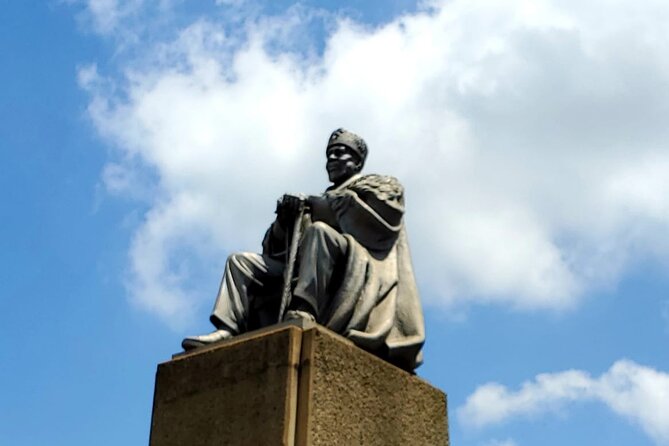
And if you like independence-era stories, the Dedan Kimathi stop hits the right note. You’ll see the statue, learn his role in the Mau Mau movement, and get a sense of how central Nairobi keeps those memories visible. You’ll also spot the Hilton Hotel Nairobi nearby, which gives you a quick contrast between historic memory and modern international presence.
Moi Avenue matatu culture: watch the street rhythm up close
Moi Avenue is where Nairobi’s everyday energy becomes very obvious. The tour takes you near matatu culture, and you get a close look at the buzzing street life.
This isn’t a stop that feels like a lecture. It’s more like a guided orientation to how the city sounds, moves, and mixes different types of people. Matatus are part of how Nairobi works, and even if you never ride one, you’ll understand the street logic better after seeing it firsthand.
If you want to get the best photos here, step off the curb just enough to frame safely, then wait for a moment where the flow lines up. Don’t chase vehicles. The street is fast and busy, and you’ll get better results by being patient.
KICC helipad viewpoint: your aerial photo break at the end of the walking loop

The biggest payoff stop is Kenyatta International Convention Centre (KICC). You start with photos at the Jomo Kenyatta statue, then head to the helipad area for an aerial view of the city.
From up there, you can see major landmarks and major geography all at once. The view includes things like the historical British railway, Parliament buildings, Uhuru Park grounds, Holy Family Basilica Catholic church, and more. Even if you only recognize a couple of names, the overview helps you place what you’ll see later in the trip.
This is the moment for your best skyline photos. It’s also the moment to slow down and breathe, because you’re done with the heaviest walking segments.
Two considerations from real-world experience: the KICC area can involve stairs, including around the Kenyatta tower. If you’re sensitive to steps or you just finished a long day elsewhere, choose your time wisely. Also, since the KICC entrance fee is not included, bring some extra budget so that part doesn’t become a surprise.
Galton-fenzi Memorial and the final walk back to Jeevanjee

You finish at the Galton-fenzi Memorial, a small but clever stop that helps you grasp geography in a way maps don’t always do. You’ll learn about directions and the distance of major cities in the world, and then you wrap up the tour walking back toward Jeevanjee Gardens.
This ending works well because it turns the city back into something you can navigate. Instead of ending with a random drop-off, you end with a mental tool. Once you understand the directional idea behind the memorial, you’ll find it easier to orient yourself when you head out on your own.
The tour ends back at the meeting point, so it feels like a complete loop rather than a half-day with no clear finish.
The small extras that make the tour feel practical
Some tours are all talking and no help. This one includes the helpful stuff you’d otherwise pay for or struggle with.
- Shoe cleaning is a real win. Nairobi sidewalks can be dusty or uneven, and having your shoes cleaned before photos or after a muddy patch can make the day feel more comfortable.
- Fruit salad gives you a quick energy boost without turning the tour into a lunch hunt. It’s simple, but it keeps the momentum when the walking adds up.
- Professional street photo means you leave with one solid image without asking strangers to take it three times. That matters more than people think.
- Bottled water keeps you from bargaining with corner kiosks during the walk.
- Air-conditioned vehicle transfers help you stay comfortable between stops, especially if your morning or afternoon is hot.
And then there are the human extras. You’ll get recommendations on Nairobi’s best eateries and hangouts, plus basic Swahili slang and vocabulary. Even a small vocabulary boost helps. It makes the city feel less like a foreign set and more like a place where you can actually communicate.
Who should book this Nairobi history and modern culture tour
Book this tour if you want a guided first look at central Nairobi that mixes history and present-day life. It’s ideal for first-time visitors, short-time layovers, and anyone who wants to understand how monuments, markets, and neighborhoods connect.
It’s also a strong choice if you like practical guidance. The tour isn’t trying to overwhelm you with dates. It’s more about giving you a route, context, and next-step recommendations so your remaining days feel easier.
You might skip it, or at least plan carefully, if you have very limited walking tolerance. It’s a walking tour with multiple stops and you should expect steps around the KICC viewpoint area.
Should you book this tour?
I’d book it if you want the best value of time in central Nairobi. For about $30, you get pickup, comfort extras like bottled water and shoe cleaning, structured stops that make the city legible, and a KICC rooftop photo moment that you would struggle to reproduce on your own.
Just go in prepared for a common reality of busy downtown walking: street soliciting can happen near central attractions. Keep your attention steady, don’t negotiate with anyone pushing unwanted contact, and stick with your group.
If KICC entrance fees are the only thing that might bother your budget, plan for that small add-on. Then you’ll get what this tour promises: a clear, guided orientation to Nairobi’s history meets its modern rhythm.
FAQ
How long is the Nairobi History and Modern Culture tour?
It runs about 2 to 3 hours.
What does the tour cost?
The price is $30.00 per person.
Is pickup and drop-off included?
Yes. Pickup and drop-off are included, with door-to-door air-conditioned vehicle transfers.
Is the KICC entrance fee included?
No. Entrance fee for Kenyatta International Convention Centre is not included.
What is included with the tour besides the guide?
It includes fruit salad, shoe cleaning, a professional street photo, and bottled water.
Is free cancellation available?
Yes. You can cancel up to 24 hours in advance for a full refund. If you cancel within 24 hours of the start time, the amount paid is not refunded.
More Historical Tours in Nairobi






More Tours in Nairobi





More Tour Reviews in Nairobi


Everything else we hold on Nairobi
- 7 Days Private 4 star lodges Safari by LandCruiser from Nairobi★ 5.0 · 3 reviews
- 5 Days/4 Nights Kenya Safari★ 4.5 · 3 reviews
- Safari Park Hotel Show & Dinner Experience In Nairobi Tour★ 3.6 · 3 reviews
- Day safari to Olpejeta Rhino conservancy★ 5.0 · 3 reviews
- 7 Days Breathtaking Kenya Wildlife Private Safari★ 5.0 · 3 reviews
- Overnight Amboseli National Park Safari from Nairobi★ 5.0 · 3 reviews
Historical Tours, compared.
 ★ 4.8Nairobi: Historic and Modern Highlights Walking TourFrom $23703 reviews
 ★ 5.0Nairobi Historical Walking City TourFrom $35258 reviews
 ★ 4.8Nairobi Walking tour:Explore History Culture and TraditionsFrom $22222 reviews
 ★ 5.0Full Day Nairobi Cultural and Historical TourFrom $85153 reviews
 ★ 5.0Nairobi Cultural and Historical City Tour with a LocalFrom $9567 reviews
 ★ 5.0Nairobi souvenir Shopping and Historical Half day TourFrom $7061 reviews
 ★ 4.5Half-Day Cultural Tour to Bomas of Kenya in NairobiFrom $9523 reviews
 ★ 5.0Historical City Walk Tour in NairobiFrom $2919 reviews
Appears in these lists