

REVIEW · HISTORICAL TOURS
Nairobi Cultural and Historical City Tour with a Local
Eight hours in Nairobi, and you get a lot. You’ll see Ahmed the elephant at the Nairobi National Museum and then hit Bomas of Kenya for performances from across the country, all with a local guide. The only catch is the day runs at a steady pace, so you should plan to prioritize experiences over leisurely wandering.
What makes this tour feel like good value is that the price covers key entry tickets plus hotel pickup and private transport, not just a bus ride and a quick photo stop. Lunch costs extra, and the August 7th Memorial Park visit is optional with admission not included, so budget a bit for that if you add it. Also, the schedule depends on good weather, since outdoor elements are part of the day.
In This Review
- Key highlights at a glance
- Entering Nairobi by starting at Museum Hill
- Nairobi National Museum: Ahmed, culture halls, and oddball wonders
- KICC and Uhuru Park: a fast skyline lesson from City Square
- August 7th Memorial Park: optional, but emotionally heavy
- KOBE TOUGH beads and leather: seeing craft work, not just buying it
- Utamaduni Craft Centre in Karen/Langata: a Kikuyu house with 18 shops
- Bomas of Kenya: performances from 53 communities after lunch
- Guide and pacing: what the 8 hours are really doing
- Price and value: what $95 gets you in real terms
- Who should book this tour, and who might skip it
- Should you book Nairobi Cultural and Historical City Tour with a Local?
- FAQ
- How long is the Nairobi Cultural and Historical City Tour?
- Is hotel pickup and drop-off included?
- Which attractions have admission included?
- Are lunch and tips included in the price?
- Is the August 7th Memorial Park part of the tour?
- Are the craft and bead factory visits included?
- Is the tour private?
- Does the tour include transportation and water?
- What if weather is bad or I need to cancel?
Key highlights at a glance
- Ahmed and the 1980s poaching story at Nairobi National Museum, plus unusual collections like a butterfly mosaic map of Kenya
- 360-degree views from KICC, a quick way to understand where the city sits and how it grew
- Optional August 7th Memorial Park for a reflective stop tied to the 1998 US embassy bombing site
- KOBE TOUGH beads and leather, a working craft center linked to women supporting single-parent families
- Utamaduni Craft Centre in Karen/Langata, a converted Kikuyu house with shops and a garden refreshment break
- Bomas of Kenya performances, covering more than 30 traditional dances representing 53 ethnic communities
Other Nairobi bookings that survived the same scrutiny



Entering Nairobi by starting at Museum Hill
If Nairobi feels like a blur when you first arrive, this route helps you get bearings fast. The day starts on Museum Hill, where the Nairobi National Museum anchors you in Kenya’s natural and cultural story before you head into the city.
I like this order because it reduces the guesswork. You’re not just collecting sights, you’re building context, so the later cultural performances and craft work make more sense.
Expect a solid stretch of time at the museum, and then a shift into city views and craft stops. That mix is the point. You get both the “Kenya in a box” museum feeling and the real-world everyday craft and performance side of Nairobi.
Nairobi National Museum: Ahmed, culture halls, and oddball wonders
This is your first big stop, with about 2 hours and admission included. You’ll spend time in the permanent collections, including the hall of Kenya and ethnological exhibits.
One standout is Ahmed the elephant, a massive figure displayed here and tied to the height of the 1980s poaching crisis. It’s described as a symbol of that era, and the museum context notes Ahmed was placed under 24-hour guard by President Jomo Kenyatta. If you want to understand why heritage and conservation matter in Kenya, this is the kind of anchor story that makes the rest of the day hit harder.
The museum also leans into the unusual. Look out for details like a Kalenjin cloak made from the skins of Sykes Monkeys, and a mosaic map of Kenya created using butterflies. These exhibits can feel surprising in the best way, because they show how natural life and human culture overlap.
Practical tip: give yourself permission to skim slowly. Museum labels move quickly, and even with a guide, it’s easy to end up “reading” instead of understanding. If your guide provides a lot of label-style explanations, ask a couple of pointed questions, like what piece connects most to conservation or how the museum organizes cultures. You’ll usually get better answers when you steer the conversation.
Possible drawback: the museum time is good, but it won’t feel unlimited. If you’re the type who needs every exhibit, you might want to treat this as a highlights-and-meaning stop, not a full museum day.
KICC and Uhuru Park: a fast skyline lesson from City Square
Next comes the KICC, the 28-storey conference center along Harambee Avenue. Admission is included, and the visit includes rooftop views that are described as 360-degree across the city center and horizons.
This isn’t just for photos, even if the views are excellent. Getting up high early helps you understand Nairobi’s layout. After the museum, you’ll start noticing how the city’s neighborhoods and movement patterns fit together.
From there, you head toward a viewpoint at the recreational grounds of Uhuru Park. The tour includes historical significance as you learn about the nation-state context while you’re looking out at the city. It’s a short segment, but it connects the physical city to political and national narratives.
Then, you walk through the Central Business District as your guide shares pre-independence stories in real time. This walking component is one of the best uses of a guide. Maps can only do so much. Street-level context helps Nairobi feel less abstract.
Time note: this section is listed at about 30 minutes total. That’s short, but it’s realistic for a day that also includes multiple entry ticket sites and cultural performances.
August 7th Memorial Park: optional, but emotionally heavy
The August 7th Memorial Park is an optional stop, with around 30 minutes. Admission is not included.
This is the kind of place that shifts the mood of the day. The tour frames it as a symbol of peace and hope after the tragedy of August 7, 1998, tied to the bombing site where the former United States Embassy used to stand. There’s also a memorial museum honoring those who lost their lives, and it describes stories for those who survived.
Should you add it? If you like your travel days to include something reflective, it’s worth considering. If you prefer lighter, purely celebratory cultural stops, you may choose to skip it and keep the energy for later at Bomas of Kenya.
Practical consideration: since it’s optional, don’t feel pressured to match the full script. Ask your guide how it fits with your pacing preference so you don’t feel rushed when it comes time for performances and dancing.
Other Nairobi bookings that survived the same scrutiny
KOBE TOUGH beads and leather: seeing craft work, not just buying it
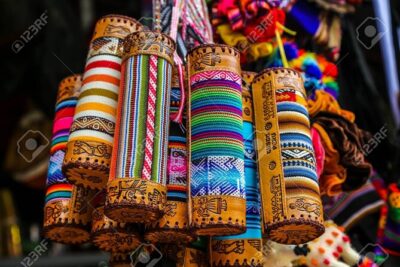
This is a craft stop with a social purpose, and it’s easy to underestimate how interesting it can be. At KOBE TOUGH beads & leather, you’ll get about 30 minutes and entry is free.
The experience is described as watching the stages of how beads are made, from start to finish. That factory-style tour matters because it turns souvenirs into something you understand. You’re not just buying a strand, you’re seeing the process and the effort behind it.
What really lifts this stop is the people behind it. The center employs single mother parents from the poor neighborhood, and it’s framed as a women empowerment center. The tour also notes that it started when women previously worked for Kazuri beads, when the factory shut down during the pandemic. This is a rare moment where you can connect economic impact to the objects you’ll carry home.
If you want to shop, do it with your eyes open. Ask questions about materials, design choices, and how long items take. If you’re not shopping, still go. The viewing portion is the main value here.
Utamaduni Craft Centre in Karen/Langata: a Kikuyu house with 18 shops
After beads, you’ll head to Utamaduni Craft Centre, also listed as entry ticket free, with about 1 hour here. This is a “browse with a plan” kind of stop.
Utamaduni is described as a converted Kikuyu house with 18 shops, and the collection is heavy on African crafts, antiques, and art. The staff are described as friendly and able to assist with packing or shipping if needed, which is a big deal if you plan to travel with items that could chip, scratch, or break.
This stop also connects to the broader area of Karen/Langata in Nairobi, a green suburb known in part for cultural heritage tied to Karen Blixen’s original farm and views toward the Ngong hills. You may not tour the farm itself on this day, but the setting matters. It helps the day feel less like a checklist and more like an actual neighborhood experience.
There’s also a garden restaurant where you can grab refreshments while you slow down. That break is useful, especially if you’re going straight from craft shopping into lunch and then performances.
A small caution: if you have a tight budget, Utamaduni can tempt you into impulse buying. Decide on your souvenir category before you arrive, like small bead items, textiles, or a single artisan piece, and stick to that.
Bomas of Kenya: performances from 53 communities after lunch
The day peaks in a big cultural way at Bomas of Kenya. You’ll typically have an optional lunch stop on the way, then head into this cultural venue with about 3 hours, and admission is included.
Bomas is designed to preserve, maintain, and promote Kenya’s diverse cultural values across 53 ethnic communities. The format is part homestead visit and part traditional performance show. You’ll get to explore different homesteads and see traditional folklore dance sessions, with a schedule that includes a selection of more than 30 traditional dances.
One highlight mentioned is the Samburu and Maasai warriors performances. If you’re new to Kenyan culture, the contrast between groups and dance styles tends to land quickly. It’s one of the few experiences in Nairobi that gives you a structured, timed introduction to multiple cultures in a single place.
How to make the most of your time at Bomas
- Focus on what you want to learn, not just what you want to photograph
- Keep your attention on the guide-led context, then watch the dances as the lesson
- If you feel time pressure, tell your guide you want a bit more time at specific homesteads
A practical note: this segment is the largest chunk of the day, so plan to have some energy left. If you rush lunch, you’ll feel it later when the performances are moving through different groups.
Guide and pacing: what the 8 hours are really doing
This tour is designed around an easy-to-follow rhythm. You start with a museum that sets context, then you get city-scale views, then you shift into human-scale craft and cultural performances.
In the reviews, guides like Kelvin, Denish, and Faith come up repeatedly for being prompt and helpful with explanations. That matters because this itinerary works best when the guide connects the dots for you, like why a specific museum object mattered, what a viewpoint represents, and how the craft centers fit into community life.
Pacing can be the only real trade-off. The day is long enough to feel full, about 8 hours, and multiple stops share the calendar. If you prefer slow travel, you might feel the pressure. Your best move is to communicate your pace early. Ask for more time at the places you care about and accept that some stops are meant as highlights.
Price and value: what $95 gets you in real terms
At $95 per person for an around 8-hour day, this tour is priced like an all-in city experience. What helps it feel like value is that several items you would likely pay for separately are included: Nairobi National Museum entry, KICC entry, and Bomas of Kenya entry, plus private transport and bottled drinking water.
You also get hotel pickup and drop-off, which is not a small detail in Nairobi. Without that, you’d have to figure out routes, timing, and entry logistics yourself.
Not included items are also straightforward. Lunch is available for purchase, and tips are not included. The August 7th Memorial Park is optional, and admission there is not included.
If you want a day that combines entry tickets, transport, and cultural context with a guide, this price makes sense. If you only care about one or two stops, or you’re a DIY shopper, you might spend less by picking attractions separately. But if you want a coherent Nairobi story in one day, the structure here is doing the work.
Who should book this tour, and who might skip it
I’d point you toward this tour if you want a first taste of Nairobi that includes more than “just the skyline.” The blend of museum context, city views, craft production, and dance performances makes it ideal for a short stay.
It also suits you if you like practical guides who explain what you’re seeing, since the day depends on interpretation to really click. In the feedback, people often cite the guides and the view from KICC as big wins, plus the Bomas performances as a memorable cultural introduction.
You might choose differently if:
- You want a very relaxed schedule with long free time for shopping and wandering
- You only care about one theme, like wildlife or architecture, and don’t want craft and performances
- You’re sensitive to emotional stops, since the August 7th Memorial Park, if you add it, is heavy in tone
Should you book Nairobi Cultural and Historical City Tour with a Local?
Yes, if you want a guided day that connects Kenya’s past and present without making you plan a thing. The best reason to book is the mix: Ahmed and museum context first, then city views from KICC, then craft work that links to real community employment, and finally Bomas for a structured cultural performance.
Before you go, decide two things. First, whether you want the August 7th Memorial Park optional stop. Second, how much shopping time you want at Utamaduni, since the day is timed to keep moving.
If you’re traveling during a period where weather can be unpredictable, watch the day-of conditions, because the tour is described as requiring good weather. With that said, the overall package feels like a fair deal for a full day with transport, entry tickets, and a local who helps you make sense of Nairobi.
FAQ
How long is the Nairobi Cultural and Historical City Tour?
The tour runs for about 8 hours.
Is hotel pickup and drop-off included?
Yes. Pickup and drop-off at your hotel or residence are included.
Which attractions have admission included?
Admission is included for Nairobi National Museum, the KICC, and Bomas of Kenya.
Are lunch and tips included in the price?
Lunch is available for purchase, and tips or gratuities are not included.
Is the August 7th Memorial Park part of the tour?
It’s an optional stop, and admission there is not included.
Are the craft and bead factory visits included?
KOBE TOUGH beads & leather entry is free. Utamaduni Craft Centre is also free, with about 1 hour there.
Is the tour private?
It’s described as private, meaning only your group participates.
Does the tour include transportation and water?
Yes. Private transport and bottled drinking water are included.
What if weather is bad or I need to cancel?
The tour requires good weather. If it’s canceled due to poor weather, you’ll be offered a different date or a full refund. Cancellation is free up to 24 hours in advance for a full refund.
Guided Kenyan City Days






More Tours in Nairobi






More Tour Reviews in Nairobi


Everything else we hold on Nairobi
- 7 Days Private 4 star lodges Safari by LandCruiser from Nairobi★ 5.0 · 3 reviews
- 5 Days/4 Nights Kenya Safari★ 4.5 · 3 reviews
- Safari Park Hotel Show & Dinner Experience In Nairobi Tour★ 3.6 · 3 reviews
- Day safari to Olpejeta Rhino conservancy★ 5.0 · 3 reviews
- 7 Days Breathtaking Kenya Wildlife Private Safari★ 5.0 · 3 reviews
- Overnight Amboseli National Park Safari from Nairobi★ 5.0 · 3 reviews
Historical Tours, compared.
 ★ 4.8Nairobi: Historic and Modern Highlights Walking TourFrom $23703 reviews
 ★ 5.0Nairobi Historical Walking City TourFrom $35258 reviews
 ★ 4.8Nairobi Walking tour:Explore History Culture and TraditionsFrom $22222 reviews
 ★ 5.0Full Day Nairobi Cultural and Historical TourFrom $85153 reviews
 ★ 5.0Nairobi souvenir Shopping and Historical Half day TourFrom $7061 reviews
 ★ 4.5Nairobi History and Modern Culture 3 Hours TourFrom $3031 reviews
 ★ 4.5Half-Day Cultural Tour to Bomas of Kenya in NairobiFrom $9523 reviews
 ★ 5.0Historical City Walk Tour in NairobiFrom $2919 reviews
Appears in these lists