
REVIEW · WATAMU AND MALINDI TOURS
Watamu: Learn Kenyan Cusine with Jonathan
Cooking Ugali feels like magic.
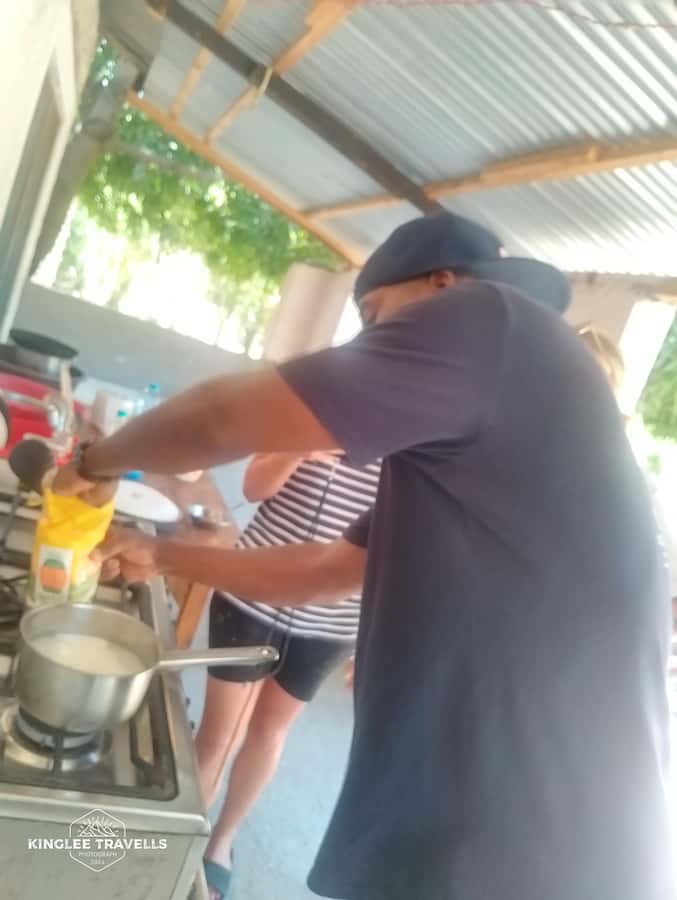
In Watamu, I love how this private class turns you from food watcher into cook, with Jonathan and hands-on teaching of Ugali from scratch. You can meet him in his village for a real-life taste of the Swahili Coast, or keep things simple by having the lesson come to your house or resort.
I also really like two things: first, you actually cook, not just taste. Second, the class is tailor-made, so you choose the location that fits your day.
The main thing to consider is time: it is only 2 hours, so you’ll learn the core basics and get a good meal, but not a full multi-recipe training marathon.
In This Review
- Key points to know before you book
- A Private Kenyan Cooking Class in Watamu, With Jonathan
- Two Hours on the Stove: Ugali, Chapati, and What You Eat
- Getting started: Ugali from scratch
- Moving to chapati
- Samosas and extra dishes, if included that day
- Village Kitchen vs In-Resort Class: How to Choose Your Setting
- The village option: closer to everyday life
- The on-site option: keep your day easy
- My take on the decision
- What’s Included, and Why the Price Is Fair
- Communication That Actually Works: English, Italian, and Swahili
- Comfort, Group Size, and Accessibility
- The Real Takeaway: You Leave With Kitchen Confidence
- Practical Tips So Your Class Runs Smoothly
- Should You Book This Watamu Kenyan Cuisine Lesson?
- FAQ
- How long is the cooking class in Watamu?
- Is this a private experience or a group tour?
- How many people can be in the class?
- What dishes will I learn to cook?
- Will I eat what I cook?
- Where does the class take place?
- Does the price include transportation?
- What cooking materials are provided?
- What languages are supported during the class?
- Is it wheelchair accessible and can I cancel if plans change?
Key points to know before you book
- Ugali from scratch with a real cook, not a demo
- Chapati made by your own hands, with guidance
- Private class with pickup and transfer, plus cooking materials
- Choose the location: village or your home/resort
- Up to 10 people max for a private group feel
- English, Italian, and Swahili support from the host/greeter
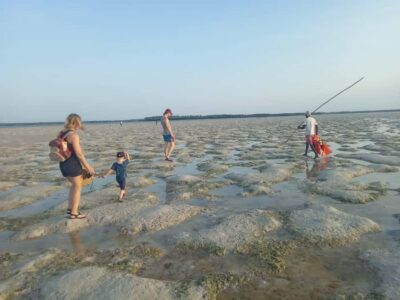
Coast road onward, towards Watamu and Malindi

A Private Kenyan Cooking Class in Watamu, With Jonathan
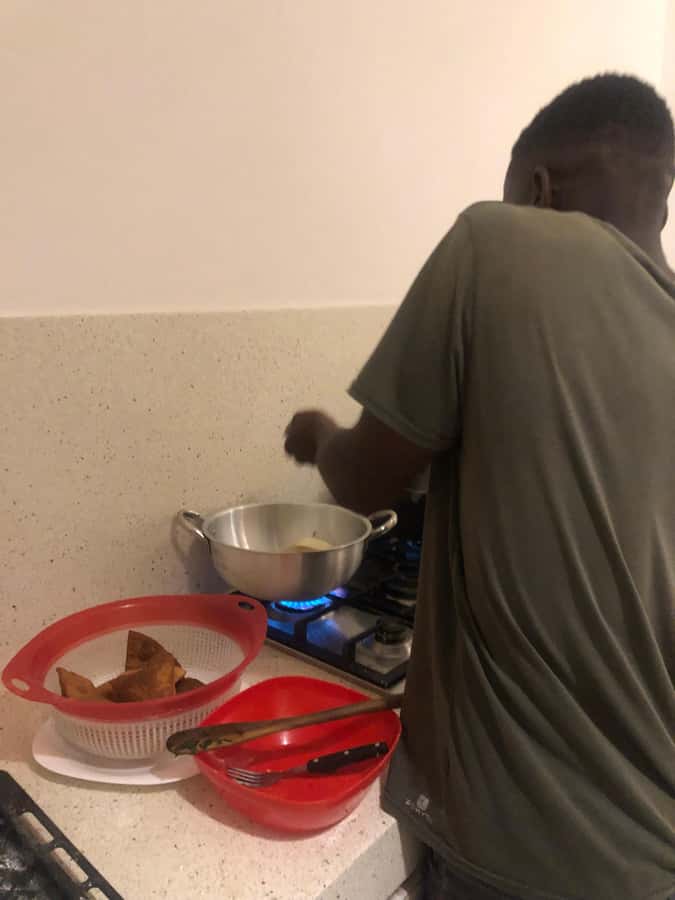
Watamu is known for beaches, but the most memorable moment of the coast for many people is usually the food. This is a short, focused Kenyan cooking class designed to get you into the kitchen with Jonathan, a professional cook who teaches with patience.
What makes it special is the mix of practical cooking and local context. You are not stuck in a lesson room. You are going to eat what you make, and if you pick the village option, you’ll also see the rhythms of daily life beyond the tourist strip.
From the recent bookings, one theme pops again and again: Jonathan’s warmth and teaching style. People consistently praise how he makes it easy to participate, even if language is not your first one. That matters, because cooking is hands-on. You learn faster when you can follow instructions clearly.
Two Hours on the Stove: Ugali, Chapati, and What You Eat
The class runs for 2 hours, and that time is built around three goals: learn basics, cook them yourself, and share a meal at the end.
Getting started: Ugali from scratch
You begin by learning how to make Ugali. The key detail here is from scratch, meaning you are not just assembling something pre-made. Ugali is a staple across East Africa, and in this session you’ll learn the process step-by-step as you build it in the kitchen.
If you like instant results, you’ll appreciate this part. Ugali tends to be one of those foods where once the texture clicks, you can see progress right away. And since the lesson is private (or small-group private), you can ask questions as you go.
Moving to chapati
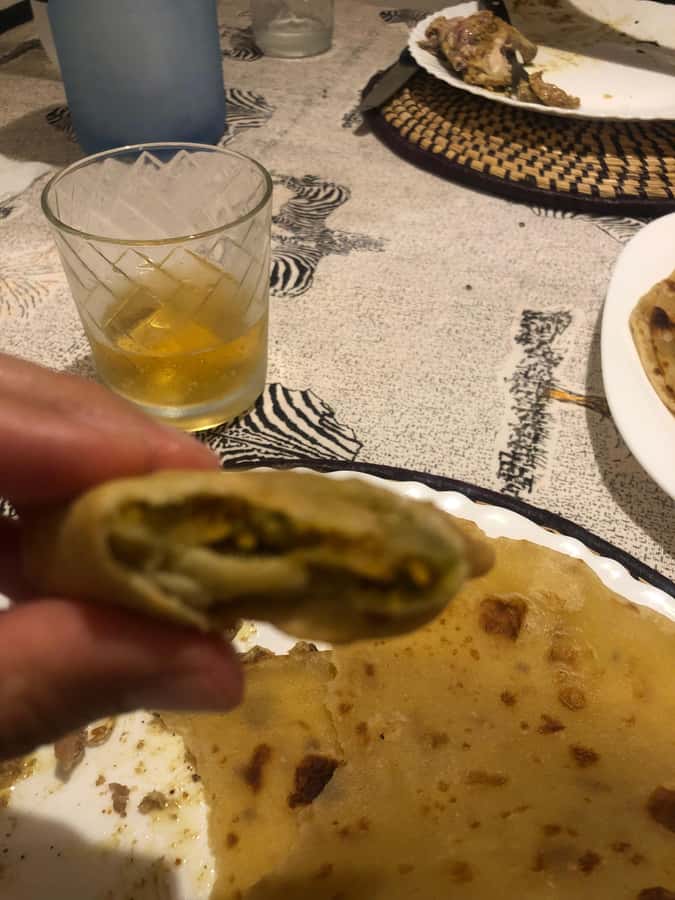
Next comes Chapati, where the work shifts from staple dough cooking to the shaping and cooking rhythm. The class format is built so you keep moving rather than waiting around. You’ll learn by doing, with guidance when your dough or cooking timing needs it.
Chapati is also a great “tells you can cook” moment. When it turns out well, you get that immediate sense of competence, like you’ve just picked up a household skill.
Samosas and extra dishes, if included that day
The description also notes learning samosas along with Ugali and chapati. In addition, one recent menu included chapati, ugali, and spinach. Since menus can vary by the day and what the household is cooking, treat this as a good chance to eat a fuller Kenyan meal, not just two items.
Either way, the shared meal part is where the lesson lands. You’re not leaving with recipes only. You’re leaving with a plate in your hands and the satisfaction of cooking it.
Village Kitchen vs In-Resort Class: How to Choose Your Setting
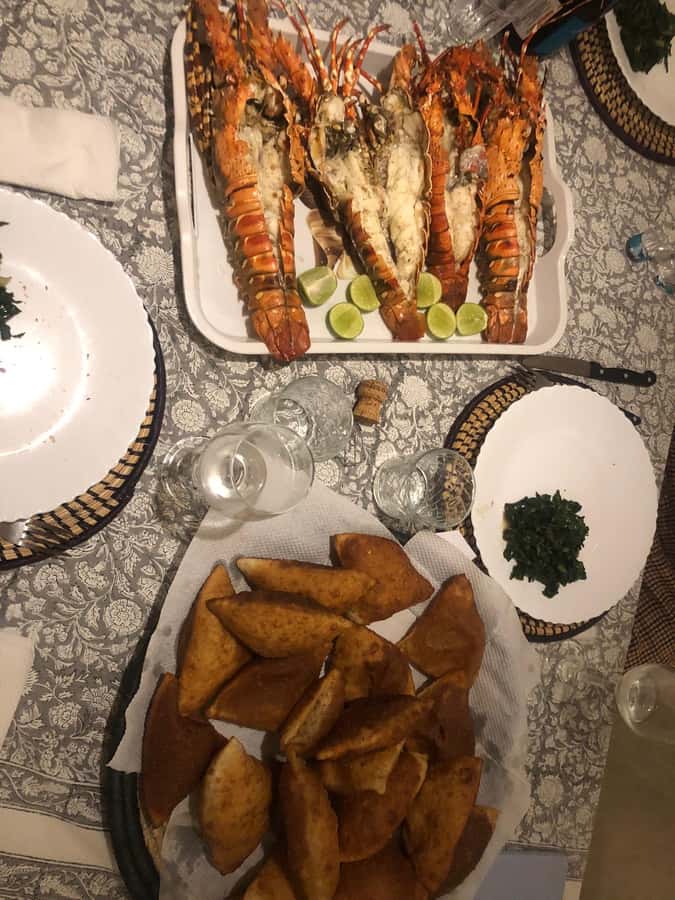
You get to pick where the class happens, and that choice changes the feel of your experience.
The village option: closer to everyday life
With the village setting, Jonathan comes to pick you up and brings you to his village. That means you get more than cooking. You get context, where the kitchen is part of the community, not a staged activity for visitors.
This option tends to be best if you want the real Watamu story, the one that feels personal and lived-in. It also lines up well with what many guests loved: the family welcome and the sense that you were treated like you were part of the day.
The on-site option: keep your day easy
If you prefer less travel and a smoother schedule, you can arrange for Jonathan to come directly to your house or resort. This can be ideal if you are short on time, traveling with kids, or simply don’t want to switch gears between sightseeing and cooking.
Practical tip: if you choose on-site, you’ll still want to communicate any kitchen constraints ahead of time. The class includes cooking materials, but your space and setup will affect how easy it is to work.
My take on the decision
If you want a memory you’ll talk about later, the village option usually delivers more emotional payoff. If you want comfort and convenience, the in-resort option is a smart way to still learn Kenyan cuisine without adding complexity.
What’s Included, and Why the Price Is Fair
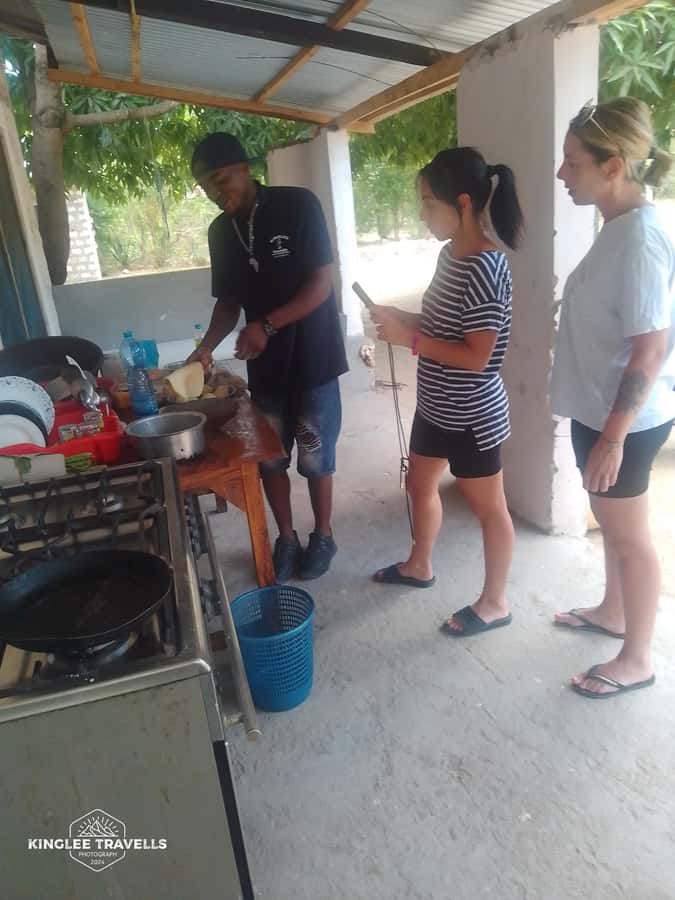
The price is listed at $23 per person for a 2-hour private cooking class, and it includes:
- Private cooking class
- Private transfer (pickup is part of this)
- Cooking materials
That combination is the big value play. Cooking lessons often charge for instruction only, and then you get hit with extra fees for transport or supplies. Here, the basics are wrapped into the experience.
Also, it is a private group, not a crowded demo. Even though the cap can be up to 10 people, you’re still looking at a small, more conversational setup than most large group activities. That matters because cooking is not a spectator sport. Better interaction usually means better learning.
One more detail: the class includes a shared meal. If you compare this to paying for a tour plus a dinner, it is easier to feel like you got your money’s worth.
Communication That Actually Works: English, Italian, and Swahili
The host/greeter supports English, Italian, and Swahili. That is not just a language note. It directly affects how confident you’ll feel participating.
Cooking is full of small instructions. When the explanation matches your language, you can correct mistakes sooner. You also waste less time guessing what “move faster” or “stop when it looks right” means.
Recent feedback also highlights that language barriers did not prevent people from enjoying the lesson. The best sign here is how people describe Jonathan as kind and pedagogical. In other words, he seems to teach in a way that works even when words are not perfect.
Comfort, Group Size, and Accessibility
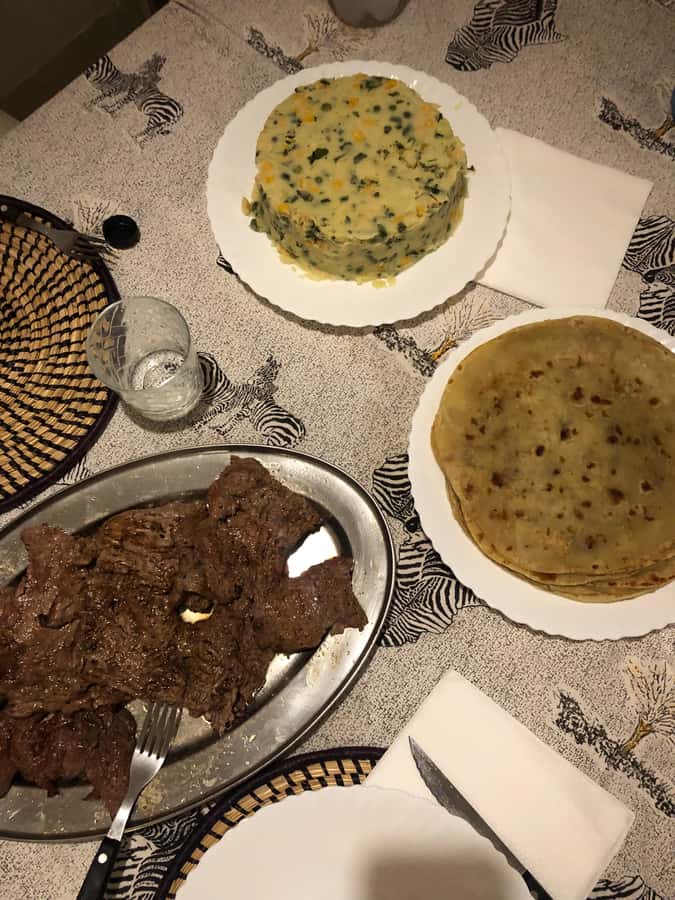
This is a private group experience, and it can host up to 10 people. For you, that usually means you can still ask questions and get attention without feeling like you’re standing in a line.
The experience is also listed as wheelchair accessible. That’s a key reassurance if you need an option that supports mobility needs.
If you’re the type who likes a calm pace, keep in mind the class is short. There’s no slow wander time. You’ll be cooking and eating within that 2-hour window, so it’s best if you arrive ready to participate.
The Real Takeaway: You Leave With Kitchen Confidence
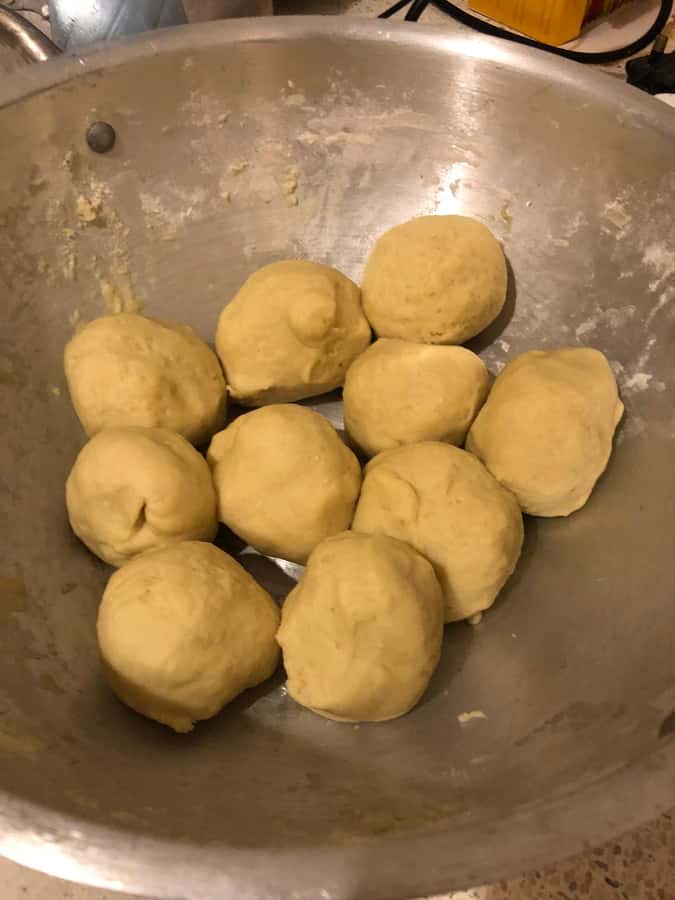
Cooking classes can be hit or miss. Some are mostly for show. Others are technical but forget that you’re on vacation. This one is built around the practical stuff: you learn Ugali, you learn chapati, and you eat the result.
From the positive feedback, the standout advantage is Jonathan’s hospitality. People mention being welcomed like family, learning a lot, and having plenty of laughs. That matters because cooking is easier when you feel relaxed, not judged.
And because the lesson has a location option, you can tailor how “local” you want it to feel. Village option if you want the cultural setting. In-resort option if you want learning without disruption.
Practical Tips So Your Class Runs Smoothly
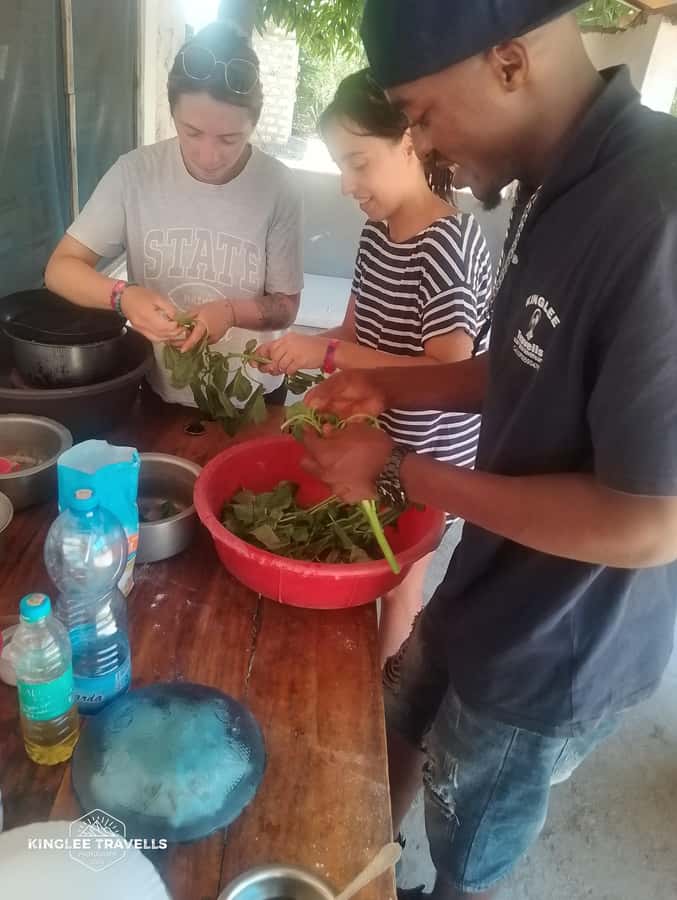
You’ll enjoy this more if you treat it like a hands-on food workshop, not a casual walking tour.
- Wear something comfortable and breathable. You are cooking.
- Be ready to get a little involved, because the point is learning by doing.
- If you have dietary concerns or preferences, message the provider in advance so you can plan around what the meal might include that day.
- Pick the location that matches your energy level. Village for maximum local context, on-site for maximum convenience.
Also, since the class is 2 hours, show up on time. The flow is designed so you progress from ingredients to cooking to eating without dragging.
Should You Book This Watamu Kenyan Cuisine Lesson?
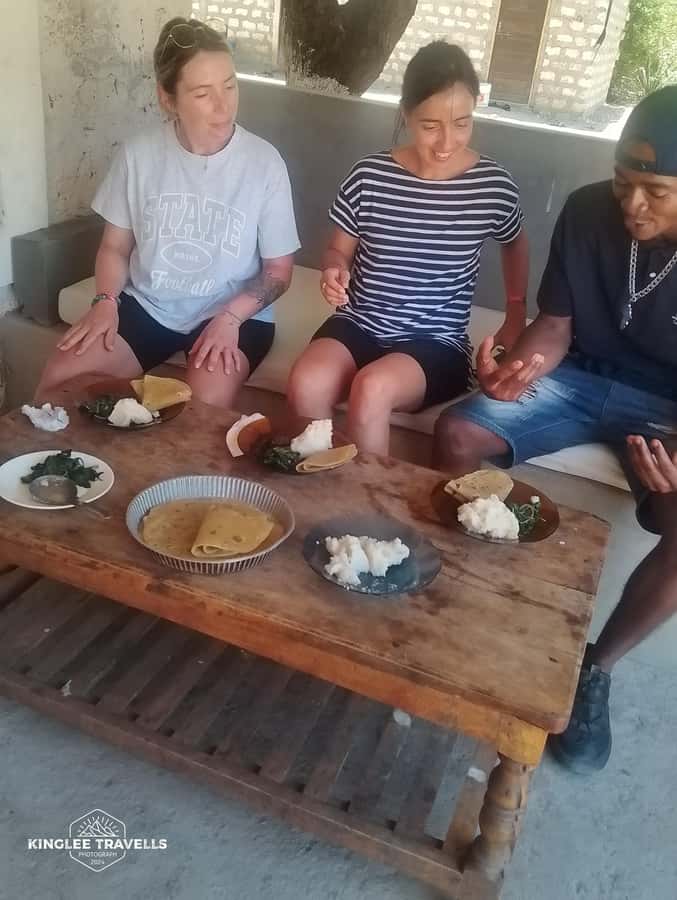
Book it if you want a real Kenyan cooking experience in Watamu that feels friendly, practical, and personal. This is especially worth your time if:
- You like learning by doing
- You want to eat what you cook
- You’d enjoy a village visit or a smaller, more customized experience
- You prefer a short class that fits easily into a travel schedule
Skip it only if you are looking for a long, deep, multi-session food course, or if you strongly dislike hands-on cooking environments. At 2 hours, you’ll leave with core skills and a great meal, not a massive library of recipes.
If you’re deciding between “another tour” and “a skill you can repeat at home,” this one is a strong pick. Ugali and chapati are the kind of foods you can recreate, and Jonathan’s teaching style seems to make that possible, even when you’re not fluent in Swahili.
FAQ
How long is the cooking class in Watamu?
The class lasts 2 hours.
Is this a private experience or a group tour?
It is a private group experience.
How many people can be in the class?
The class can be private for groups up to 10 people.
What dishes will I learn to cook?
You will learn to cook Ugali and Chapati. The experience also mentions samosas as part of the cooking instruction.
Will I eat what I cook?
Yes. The plan is to cook together and then eat the meal together.
Where does the class take place?
You can choose. Jonathan can teach in his village, or you can arrange for the class at your house or resort.
Does the price include transportation?
Yes. Private transfer is included, and pickup is part of the experience.
What cooking materials are provided?
Cooking materials are included.
What languages are supported during the class?
The host or greeter supports English, Italian, and Swahili.
Is it wheelchair accessible and can I cancel if plans change?
It is listed as wheelchair accessible. Free cancellation is available up to 24 hours in advance for a full refund, and you can reserve now and pay later.
More Tour Reviews in Kenya






The Coast Above Kilifi


Everything else we hold on Kenya
- Shimba hills tropical rain forest day trip★ 4.6 · 3 reviews
- From Nairobi: Day Tour to Mount Longonot (Private)★ 4.6 · 3 reviews
- 4 Days wildebeest lake nakuru masai mara safari★ 5.0 · 3 reviews
- From Nairobi: Masai Mara 3-day Camping Safari by Jeep★ 4.0 · 3 reviews
- 12 Days wildebeest migration Masai Mara Nakuru Uganda gorilla trekking safari★ 4.5 · 3 reviews
- 12 Days Samburu Ol-pejeta lake Nakuru Masai Mara lake Naivasha Amboseli safari★ 5.0 · 3 reviews
Watamu and Malindi Tours, compared.
 ★ 4.3From Mombasa/Mtwapa/Diani/Tiwi: Tsavo East Full-Day SafariFrom $200130 reviews
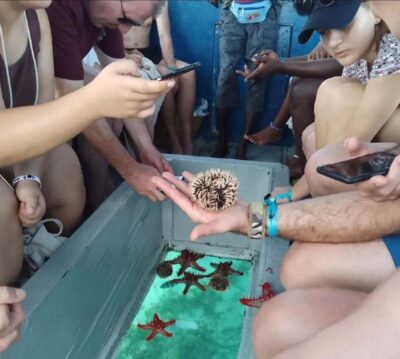 ★ 4.6Diani Beach: Glass Boat Cruise to Robinson IslandFrom $4269 reviews
 ★ 4.5Watamu Marine Park & Sudi Island Mangrove Forest Canoe Ride.With sea food lunchFrom $10131 reviews
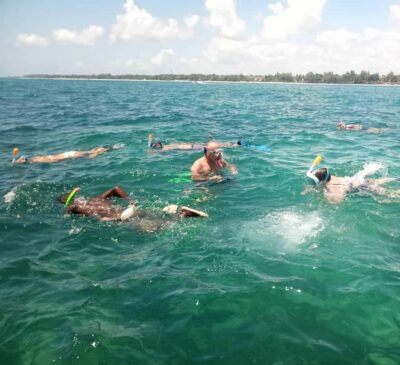 ★ 4.4Diani Beach: Glass-Bottom Boat Cruise to Robinson IslandFrom $3522 reviews
 ★ 5.0ROBINSON ISLAND/MARAFA HELL’s KITCHENFrom $8715 reviews
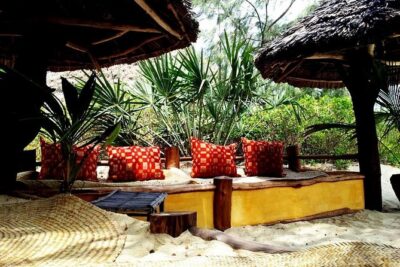 ★ 5.0Tour Malindi & Robinson Island & Marafa Hell’s KitchenFrom $13111 reviews
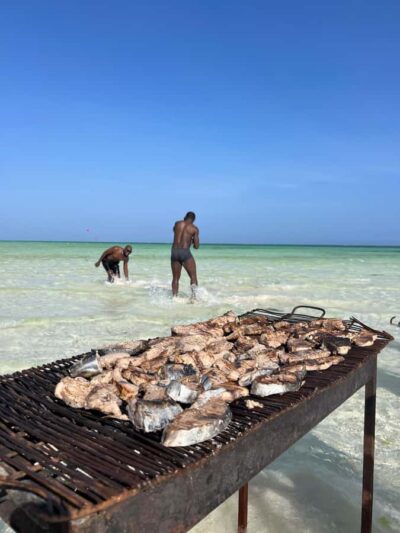 ★ 4.5WATAMU: MALINDI: SARDEGNA ISLAND & MALINDI MARINE PARKFrom $1009 reviews
 ★ 4.8From Mombasa: Watamu Marine Park & Sudi Island ExcursionFrom $1188 reviews
Appears in these lists