
REVIEW · KIBERA COMMUNITY TOURS
Memorable Daily KIBERA Slums/Toi Market Tour with Locals (2 hours)
Kibera is a real neighborhood, not a photo stop. This 2-hour walk with a local youth guide gives you an on-the-ground look at daily life in Nairobi’s biggest informal settlement, plus how local projects aim to improve housing, education, and health. I like that it is led by people connected to the community, not outsiders dropping in with a script.
Two things I really liked: you get direct context on the informal economy and community resilience, and you also learn how NGO projects tackle practical problems inside Kibera. One thing to consider first: this is a walking experience in a crowded, everyday place, so you need respectful behavior and sturdy shoes.
Key points at a glance
- Local youth guidance inside Kibera so you’re not just observing, you’re understanding
- Focus on real systems like housing, education, health, and the informal economy
- Small-group feel with a maximum of 50 people for the activity
- Support built into the tour model via local hiring and the MAKLWETA charity link
- A strong ending at Olympic Primary School that ties education to what you saw outside
- Simple logistics with a mobile ticket and a set meeting point at Olympic Primary School
In This Review
- First Impressions at Olympic Primary School in Nairobi
- Kibera Slum Walking Tour: What You’re Really Seeing
- Respect, Safety, and Camera Etiquette in a Home
- The Informal Economy Lesson You Can’t Fake
- NGO Projects, Housing, Education, and Health: The Practical Side
- Guide Connections That Make the Day Feel Human
- Why DALA? Local Hiring and the Charity Angle
- Olympic Primary School: Education as a Real Anchor
- Timing, Group Size, and Getting the Most Out of 2 to 3 Hours
- Price and Value: What $25 Covers, and Why It Can Be Worth It
- Who This Tour Fits Best
- Should You Book Kibera With DALA Tours?
- FAQ
- How long is the Kibera Slums and Toi Market style tour?
- What does the tour cost?
- Where does the tour start and end?
- Is lunch included?
- What is included in the price?
- Do I need to tip?
- Are service animals allowed?
- How far in advance should I book?
- What is the cancellation window?
First Impressions at Olympic Primary School in Nairobi
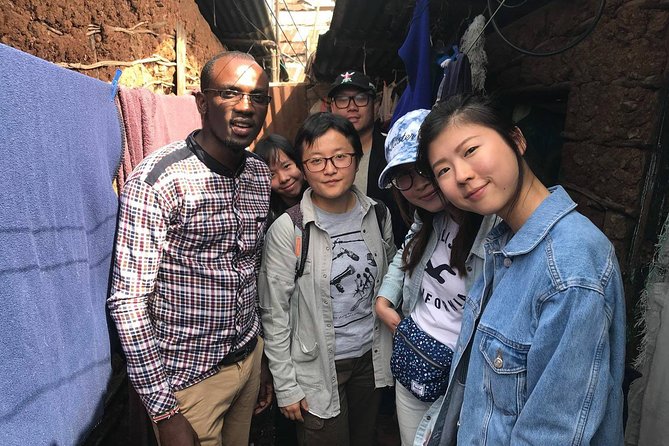
Your tour day starts at Olympic Primary School in Nairobi, and it also ends there. That matters more than you might think. It keeps the experience anchored in something concrete and local, rather than feeling like a random pickup and drop-off into unfamiliar streets.
You’ll be with a local youth guide, and you should expect a more personal pace than a standard “see the sights” walk. Kibera is East Africa’s largest informal settlement, with around one million people living in a space of about 2.5 square kilometers, so the tour is designed to help you read what you’re seeing as you go, not just snap pictures and move on.
If you’re hoping for a casual, low-effort outing, this one might not match your style. It asks for attention and respect from the first minute.
Kibera walks guided by residents of the settlement
Kibera Slum Walking Tour: What You’re Really Seeing
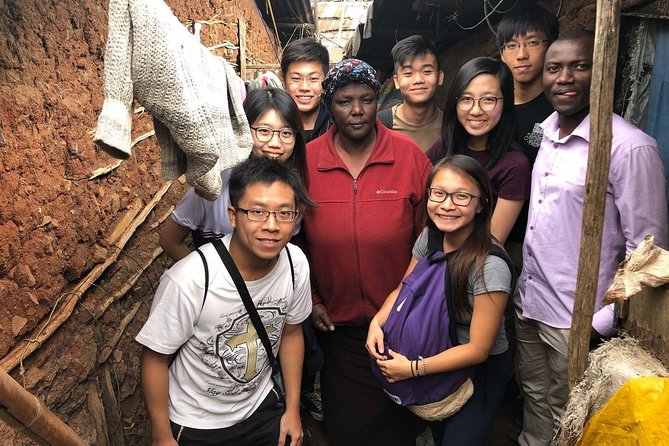
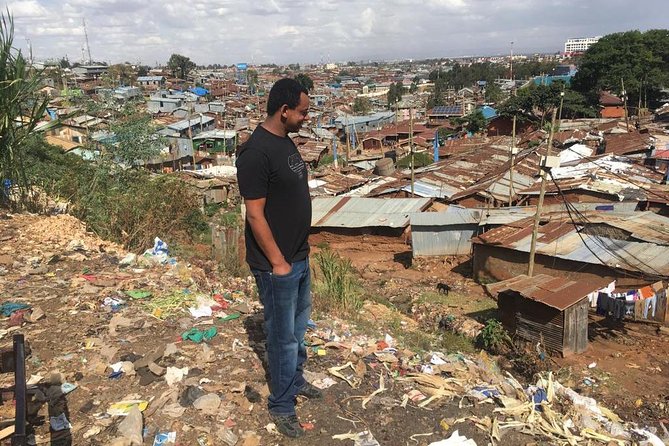
Kibera is often described as a “slum,” but on the ground it feels like a place where life is happening constantly. The guide frames it as a community with history, neighbors, and daily routines, not a single dramatic viewpoint. The point of the walk is to help you understand how people adapt, build systems, and keep going amid serious constraints.
The tour is about 2 hours of time in Kibera with your guide, and you’ll likely cover areas that show how housing and daily living work when resources are tight. You’ll hear how residents manage basic needs and navigate a dense environment where “space” is a major currency.
One of the most meaningful parts is the shift from “this looks difficult” to “this is how people function.” That comes through when your guide explains what you see, why it is arranged the way it is, and how the informal economy supports everyday survival.
Respect, Safety, and Camera Etiquette in a Home
This is a place where people live. That simple fact changes how you should behave. Keep your camera low unless you’ve been invited to take photos, and treat the walk like you’re visiting a neighborhood, not sightseeing from a distance.
Safety on this kind of walk largely comes from the guide leading the way. In the experiences I’m drawing from, guides with personal ties to Kibera set the tone early, keep you comfortable, and know the local social map. When the guide knows people, the whole day feels more grounded and less tense.
You should also dress for the reality of the ground. Even when roads look passable, conditions can get muddy or wet, and you’ll be on your feet for a while. Plan on sturdy shoes that can handle rough surfaces.
The Informal Economy Lesson You Can’t Fake
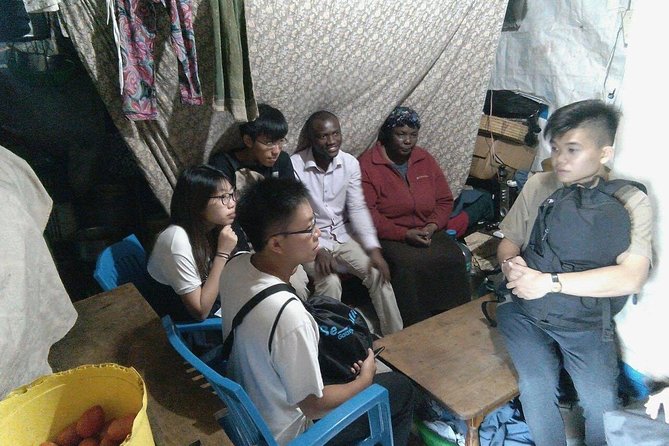
A big part of why this tour works is that it doesn’t treat poverty like a single story. It explains how daily life gets organized through unofficial work, neighbor-to-neighbor solutions, and small businesses that keep the community moving.
As you walk, you’ll learn how residents create income and services outside formal systems. You’ll also hear about the challenges that come with that, like instability and the constant pressure to cover basic needs.
This is also where “resilience” becomes more than a word. You start to notice how community members solve problems in real time, and how even limited resources get used with serious creativity.
If you’re used to Nairobi neighborhoods with space, sidewalks, and predictable services, this part of the tour can feel like a fast reality check. The value is that the guide gives you a framework so your impressions make sense.
NGO Projects, Housing, Education, and Health: The Practical Side

The tour includes a strong thread about NGO projects and what they’re trying to change. You’re not just hearing general statements. You’ll get a sense of what kinds of improvements are being targeted, especially around housing, education, and health.
This matters because it’s easy to arrive with questions like “Who helps here?” and “Does anything work?” The guide helps you see that solutions are active, but outcomes can be complicated. You’ll hear about projects that focus on long-term community needs, not only quick photo opportunities.
One of the best outcomes of this part of the tour is that it gives you better judgment afterward. Instead of feeling helpless or shocked and leaving with no next thought, you understand the kinds of support that are being attempted and why.
Other Nairobi bookings that survived the same scrutiny
Guide Connections That Make the Day Feel Human
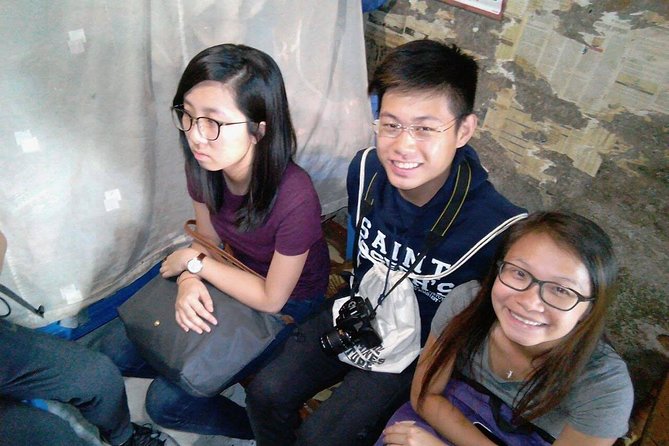
What makes this tour different from the usual walking experience is the guide’s personal connection. Some guides grew up in Kibera, moved away over time, and still maintain close ties to people inside. That kind of connection tends to change the whole vibe.
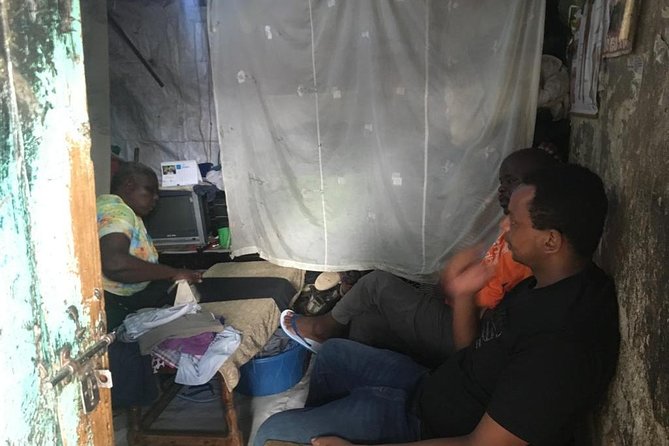
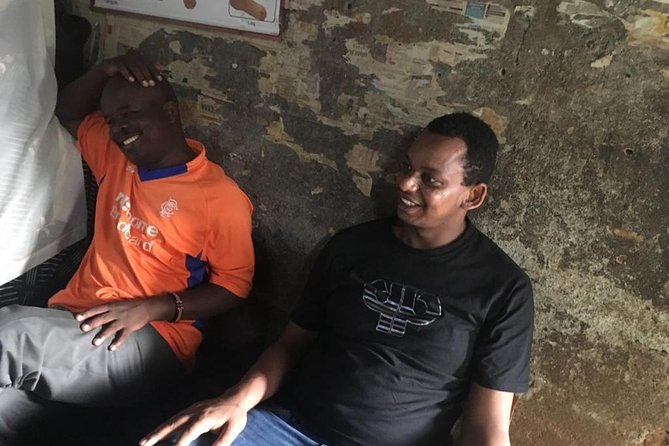
In the experiences I’m working from, guides did more than point. They answered questions directly, guided you through what buildings and areas meant to residents, and in some cases even showed you places connected to their own lives or invited you to see a friend’s home.
That can be powerful, but it also means you should go in with humility. Your role is to listen, ask respectful questions, and accept that this is someone’s daily environment.
Why DALA? Local Hiring and the Charity Angle
After the Kibera walk, you’ll hear about why this tour is run the way it is. The “Why DALA” part of the experience is tied to local employment and a message that the tour should support youth locally rather than treat the community as a product.
DALA’s approach includes employing local youths, with the added point that Kenya has a youth unemployment rate above 50%. The company also frames itself as an indigenous firm and emphasizes a less complicated booking and payment style, including a pay-as-you-go policy that avoids asking for money in advance.
There’s also a charity component linked to MAKLWETA, which supports rural girl child education. Part of the proceeds from bookings supports that effort, and the tour connects your visit to a bigger “do something” idea rather than keeping it all inside the day.
Even if you don’t want to donate, this section helps you answer the practical question: what is the tour doing while you’re learning?
Olympic Primary School: Education as a Real Anchor
One of the tour’s strengths is that it doesn’t end with “poverty.” It ends with a visit to Olympic Primary School, the largest public primary school in Kenya. The school is presented as an important part of lifting families out of poverty, and it gives your day a more hopeful frame.
You’ll have time at the school to connect education to what you saw outside. If you remember what the guide explained about housing, health, and day-to-day survival, the education focus starts to feel like one of the clearest long-term levers.
This ending is also a mental reset. After walking through heavy realities, the school visit helps you land the experience with less emotional whiplash and more clarity about what meaningful support can look like.
Timing, Group Size, and Getting the Most Out of 2 to 3 Hours
The tour runs about 2 to 3 hours, and you’ll stay close to the same meeting point at Olympic Primary School. That makes it easier to fit into your Nairobi schedule, whether you’re doing safari prep days or you want one grounded cultural experience between longer excursions.
The maximum group size is 50 people, which is fairly large in theory, but your ability to ask questions and stay connected still depends heavily on your guide and the group flow.
The practical advice is to arrive early enough to meet the guide comfortably at Olympic Primary School. Bring your patience, not because this is disorganized, but because community-based tours move at a human pace.
Price and Value: What $25 Covers, and Why It Can Be Worth It
The cost is $25 per person, and the experience includes all fees and taxes. Admission tickets are included in the activity details, and you also have round-trip transfers from the designated meeting point.
For Nairobi, $25 is not a “budget only if it’s perfect” price. It’s more like a fair local experience fee that pays for guiding, time in the community, and the education-school tie-in.
Value is not just the cost. Value is whether you leave with understanding and context. This tour aims at that by pairing your walk with explanations about community systems and NGO projects, plus a school visit that helps you think beyond the moment.
If you want a quick photo stop, you might feel it’s overpriced. If you want an informed look with a human guide, it starts to make sense quickly.
Who This Tour Fits Best
This is a good fit if you want:
- A walking tour with a local youth guide who can answer questions and guide behavior
- An experience focused on how communities work, not only what looks hard
- A day that includes both the reality of Kibera and an education-focused ending
It may not be for you if you’re looking for a relaxing sightseeing loop, or if you get uncomfortable in environments where people are living their normal routines.
Also, since service animals are allowed and most people can participate, it’s built to be accessible for a wide range of visitors, as long as you can manage walking in a neighborhood setting.
Should You Book Kibera With DALA Tours?
Yes, I’d consider booking if you want a structured, local-guided understanding of Kibera that includes the context behind housing, education, and health efforts, plus a real ending at Olympic Primary School. The guiding style and youth connection are major reasons to choose this format over a generic drive-by.
Book with confidence, but go in prepared. Treat Kibera as a home. Wear sturdy shoes, keep your phone habits respectful, and plan to listen more than you talk.
If you’re tight on time, this still fits because it’s just a few hours and starts and ends at Olympic Primary School. If you’re seeking a light, entertainment-first day, then you might want a different Nairobi plan.
FAQ
How long is the Kibera Slums and Toi Market style tour?
It runs about 2 to 3 hours.
What does the tour cost?
The price is $25.00 per person.
Where does the tour start and end?
It starts and ends at Olympic Primary School (same meeting point).
Is lunch included?
Lunch and drinks are not included. You can visit local restaurants if you want.
What is included in the price?
The tour includes all fees and taxes, and an admission ticket is included as part of the activity.
Do I need to tip?
Tips are not included.
Are service animals allowed?
Yes, service animals are allowed.
How far in advance should I book?
On average, it is booked 11 days in advance.
What is the cancellation window?
You can cancel for a full refund up to 24 hours in advance. After that point, the amount is not refunded.
More Tours in Nairobi





More Tour Reviews in Nairobi


Walking Kibera Again





Everything else we hold on Nairobi
- 7 Days Private 4 star lodges Safari by LandCruiser from Nairobi★ 5.0 · 3 reviews
- 5 Days/4 Nights Kenya Safari★ 4.5 · 3 reviews
- Safari Park Hotel Show & Dinner Experience In Nairobi Tour★ 3.6 · 3 reviews
- Day safari to Olpejeta Rhino conservancy★ 5.0 · 3 reviews
- 7 Days Breathtaking Kenya Wildlife Private Safari★ 5.0 · 3 reviews
- Overnight Amboseli National Park Safari from Nairobi★ 5.0 · 3 reviews
Kibera Community Tours, compared.
 ★ 4.9Nairobi: Explore Kibera Slum with Local GuidesFrom $15365 reviews
 ★ 5.0Kevins Kibera Slum ToursFrom $65213 reviews
 ★ 5.0Nairobi: Kibera Slum storytelling tour with a LocalFrom $20185 reviews
 ★ 5.0Kibera Slum Tour with LucasFrom $35119 reviews
 ★ 5.0Nairobi: Kibera Slum Tour with Local Social EntrepreneursFrom $40107 reviews
 ★ 4.5See Kibera with a Non-Profit LeaderFrom $30107 reviews
 ★ 5.0Private Tour in Kibera the Largest SlumFrom $1554 reviews
 ★ 5.0Ismael’s Kibera Slum TourFrom $6542 reviews
Appears in these lists