

REVIEW · KIBERA COMMUNITY TOURS
Ismael’s Kibera Slum Tour
Life in Kibera feels close-up and real. This private half-day tour in Nairobi pairs you with a born-and-bred guide from the community, Ismael, for an inside look at everyday life and how residents turn challenges into small, working solutions. You’ll spend time at an African bone workshop, see what home life looks like block by block, and visit a children’s home and rescue centre tied to the 2007 to 2008 post election violence in Kenya.
I like that the tour runs as a private experience (not a cattle-call) and that it includes hotel pickup and drop-off within Nairobi. The tour is also designed for context, not shock, so you’re not just looking at buildings, you’re understanding people and projects. A possible drawback: because it’s a real community visit, the experience depends on conditions like good weather, and some parts are emotionally heavy.
In This Review
- Key things to know before you go
- Why a Kibera Tour Needs a Local Guide Like Ismael
- Price, time, and why this half-day can feel like more
- Hotel pickup and drop-off within Nairobi: small comfort, big payoff
- Stop One at Ismael’s Kibera Slum Tours: the bone workshop and the craft behind survival
- Home visits: what you should expect and how to behave
- Children’s home and rescue centre: why this stop matters
- Stop Two in Nairobi: Maasai market time and Mamba Village
- What makes the tour feel personalized
- The best fit: who should book this tour
- What to bring and how to prepare
- Ratings and what they usually signal
- Should you book Ismael’s Kibera Slum Tour?
- FAQ
- How long is Ismael’s Kibera Slum Tour?
- What does the tour cost?
- Is hotel pickup and drop-off included?
- Is this tour private or shared?
- Is a mobile ticket used?
- Are admission tickets included for the stops?
- When does the tour operate?
- How far in advance should I book?
- What is the cancellation policy if plans change?
Key things to know before you go

- Private guiding with Ismael: the owner and accredited guide handles pickup, drop-off, and the tour itself
- African bone workshop stop: watch artisans make items like bottle openers, wrist bands, finger rings, wooden crafts, brass crafts, and necklaces
- Home visits on the route: you’ll see how housing actually looks in day-to-day reality
- Children’s home and rescue centre: a focused visit connected to children who lost parents during the 2007 to 2008 violence
- Nairobi add-on time: time in the Nairobi region includes a Maasai cultural village market stop and Mamba Village
- Admission tickets listed as free: the tour indicates admission tickets are free for both main stops
Kibera walks guided by residents of the settlement
Why a Kibera Tour Needs a Local Guide Like Ismael
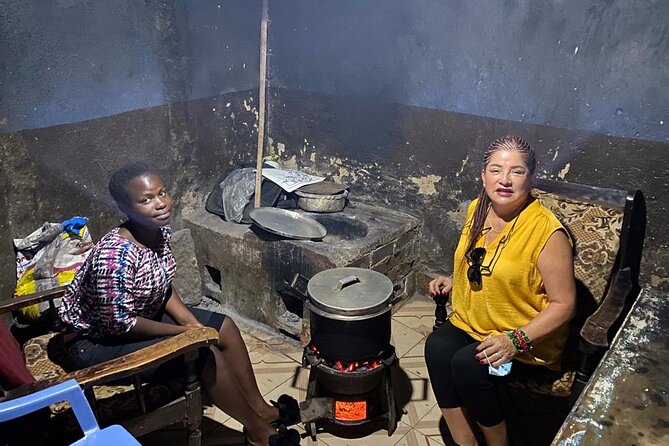
Kibera is one of the biggest informal settlements in the world, and it moves fast. Without a local guide, it’s easy to get lost, miss context, or accidentally show up in places where your presence does not help anyone. That’s why I appreciate tours that treat local guiding as the main event, not a side perk.
Here, the guiding is personal. Ismael runs the tour company and also guides the group himself, which changes the feel right away. You’re not just passing through an area, you’re being taught how to read what you’re seeing, from the workshop work to what daily life looks like at home.
Price, time, and why this half-day can feel like more
The price is $65 per person for about 3 to 4 hours. That sounds simple, but the value comes from what’s included: hotel pickup and drop-off within Nairobi, private time with your guide, and visits that are more “people and projects” than “checklist landmarks.”
This also helps you plan your day in Nairobi. A half-day format means you can pair it with other activities without losing a full afternoon. And since the tour is commonly booked in advance (about 54 days on average), it’s smart to lock your date early, especially if you’re traveling around weekends or peak seasons.
Hotel pickup and drop-off within Nairobi: small comfort, big payoff
Logistics matter more than people think, especially for a tour like this. The included free pickup and drop-off inside Nairobi means you can focus on the visit instead of hunting for transport or trying to time buses and taxis while you are already nervous or tired.
It also tends to make the schedule more predictable. When a guide controls timing, you get a smoother flow between the workshop, the home visits, and the children’s home, instead of everything feeling rushed.
Stop One at Ismael’s Kibera Slum Tours: the bone workshop and the craft behind survival
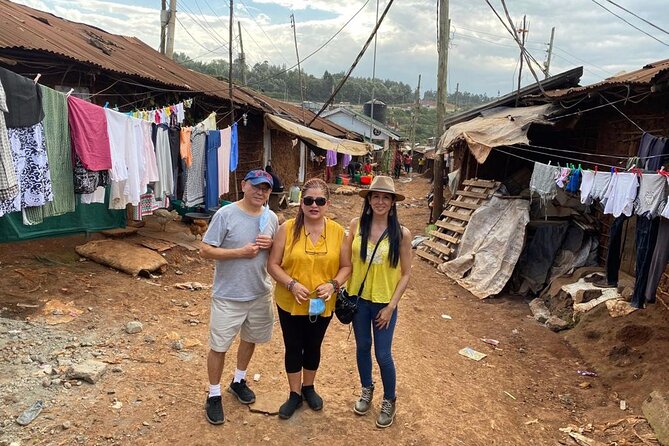
The first stop is Ismael’s Kibera tour base, and the route is built around learning. One of the best parts is the African bone workshop. You’ll see residents using domestic animal bones to make handmade products, including bottle openers, wrist bands, finger rings, wooden crafts, brass crafts, and necklaces.
This is not just a craft stop. It’s a window into how people create income with what they can access. In a place where formal employment can be out of reach, skills like carving and metalwork can become a survival system. When you watch someone work, you also understand what the workshop means beyond the items in a display. It’s time, effort, and knowledge turned into something that can support a family.
A practical note: craft workshops are active places. Bring patience, slow down, and take cues from your guide on what is appropriate to ask and photograph.
Home visits: what you should expect and how to behave
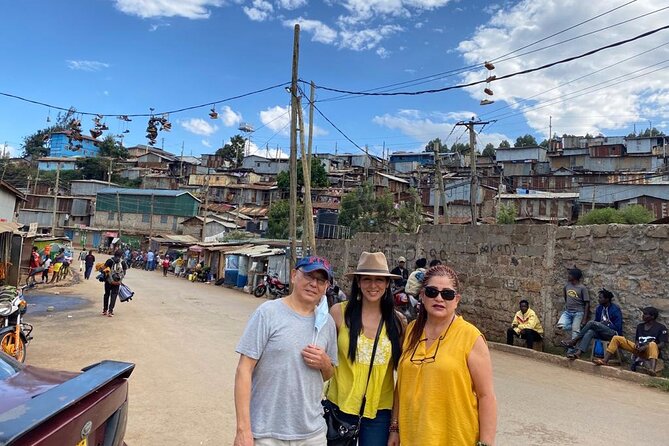
After the workshop, you’ll do home visits to see how the slum houses look in real life. This is the part of the day that turns the tour from “interesting” into “unforgettable,” because you’re seeing living space, routines, and the realities people manage every day.
In one review, the experience stood out for the way it felt personal, including time spent in the guide’s home with his wife. That kind of connection is the point, but it also means you need to be respectful with your attention. You’re not there to judge, collect stories, or treat people like a photo project.
If you want this portion to go well, keep these habits:
- Ask your guide what you should do before entering homes
- Keep your voice calm, and avoid touching things unless invited
- Listen more than you ask, especially when people are busy
This is also where having Ismael as a local guide matters. He can explain what you’re seeing and help you avoid awkward moments that can happen when visitors do not understand local boundaries.
Children’s home and rescue centre: why this stop matters
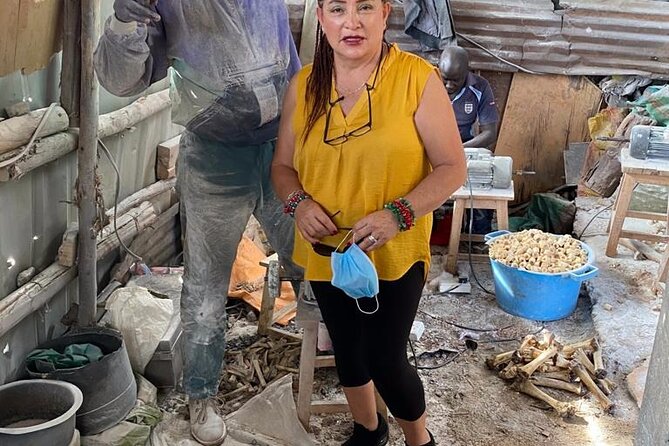
The tour also includes a visit to a children’s home and rescue centre for rescued street children and orphaned kids. The information you’ll hear includes that many of these children lost their parents during the 2007 to 2008 post election violence in Kenya.
This stop is emotional, and that is not a bad thing. It’s part of why the tour can feel like education, not just sightseeing. You’re seeing how community-focused care continues even after major trauma. And you’re learning that local programs do more than house children, they try to create stability and a path forward.
Because the setting involves kids and sensitive circumstances, follow your guide’s lead on interaction. If you’re not sure what is okay, you can stay close, watch, and let Ismael guide you through what to do.
Stop Two in Nairobi: Maasai market time and Mamba Village

After Kibera, the tour shifts to the Nairobi region with additional stops. You’ll spend time at a Maasai cultural village market in Nairobi. That’s a chance to see regional crafts and trading culture outside of the Kibera context.
The second named stop is Mamba Village. The tour description frames it as a Nairobi stop that lets you experience the city further. The key for you is to treat these as bonus cultural stops that round out the day, not as the main event.
This pacing also helps. After walking through Kibera and hearing heavy context, you get a change of rhythm. You go from learning about life under strain to seeing how people sell goods and celebrate identity in a more typical market setting.
What makes the tour feel personalized

This is a private tour/activity, so it’s only your group. That changes how questions get handled and how long you can spend looking at what matters to you. If you want more detail about the workshop process, you can ask. If you want context about home life, your guide can focus there.
You also get a guide who adjusts to your pace. With tours like this, pace is everything. Too fast and you miss meaning. Too slow and you overwhelm people. With Ismael guiding, you can expect the day to run in a human way, not a stopwatch way.
The best fit: who should book this tour
This is a strong choice if you want:
- A context-first Kibera visit with community guiding
- A private setup where you can ask questions calmly
- Craft and daily-life learning, not just photos
It may be less ideal if you want a light, casual outing. Home visits and the children’s rescue centre involve serious realities. Even when the tone is respectful and educational, you should be ready for emotions.
Also, this tour suits you best if you like meeting people and hearing firsthand explanations. If you are the type who gets impatient with nuance, you’ll need to slow down here.
What to bring and how to prepare
The tour data points to a need for good weather, so check conditions before you go. If rain threatens, plan on waiting for the alternative date or a refund offer depending on how it is handled.
For your day pack, keep it simple:
- A light layer for Nairobi weather changes
- Water
- Solid shoes for walking in uneven areas
- Any small questions you want to ask your guide ahead of time
For the emotional side, mentally prepare. This is education through lived reality. The more open you stay, the more you’ll get out of it.
Ratings and what they usually signal
The tour is rated highly, with a perfect score and strong recommendation. One standout detail from a review is the feeling of connection during time at the guide’s home, which included meeting his wife. Another is the sense of a self-sustaining ecosystem and strong community.
You should treat those comments as signals, not guarantees. Still, they match what the itinerary is designed to do: show you how multiple small efforts add up to stability. When that works, you leave with a better mental model of the place.
Should you book Ismael’s Kibera Slum Tour?
Book it if you want a Kibera visit led by someone from the community, with time for real places like the bone workshop, home visits, and a children’s rescue centre. The inclusion of hotel pickup and drop-off within Nairobi also makes it easy to do without stress.
Skip it if you want a purely recreational outing or if you know you cannot handle emotionally heavy stops. Also consider the weather dependence, since the tour requires good weather.
If you’re looking for value, this one makes sense because the price buys more than access. You’re paying for local context, private guiding with Ismael, and structured visits that explain what you’re seeing while you’re there.
FAQ
How long is Ismael’s Kibera Slum Tour?
The tour runs about 3 to 4 hours.
What does the tour cost?
The price is $65.00 per person.
Is hotel pickup and drop-off included?
Yes, pickup and drop-off within Nairobi are offered free of charge.
Is this tour private or shared?
This is a private tour/activity. Only your group will participate.
Is a mobile ticket used?
Yes, the tour includes a mobile ticket.
Are admission tickets included for the stops?
Admission tickets are listed as free for the main stops.
When does the tour operate?
The tour is listed as available daily, Monday through Sunday, 12:00 AM to 11:59 PM.
How far in advance should I book?
On average, it’s booked about 54 days in advance.
What is the cancellation policy if plans change?
You can cancel for free up to 24 hours in advance of the experience for a full refund. The experience requires good weather, and if it’s canceled due to poor weather, you’ll be offered a different date or a full refund.
More Tours in Nairobi






More Tour Reviews in Nairobi


Walking Kibera Again






Everything else we hold on Nairobi
- 7 Days Private 4 star lodges Safari by LandCruiser from Nairobi★ 5.0 · 3 reviews
- 5 Days/4 Nights Kenya Safari★ 4.5 · 3 reviews
- Safari Park Hotel Show & Dinner Experience In Nairobi Tour★ 3.6 · 3 reviews
- Day safari to Olpejeta Rhino conservancy★ 5.0 · 3 reviews
- 7 Days Breathtaking Kenya Wildlife Private Safari★ 5.0 · 3 reviews
- Overnight Amboseli National Park Safari from Nairobi★ 5.0 · 3 reviews
Kibera Community Tours, compared.
 ★ 4.9Nairobi: Explore Kibera Slum with Local GuidesFrom $15365 reviews
 ★ 5.0Kevins Kibera Slum ToursFrom $65213 reviews
 ★ 5.0Nairobi: Kibera Slum storytelling tour with a LocalFrom $20185 reviews
 ★ 5.0Kibera Slum Tour with LucasFrom $35119 reviews
 ★ 5.0Nairobi: Kibera Slum Tour with Local Social EntrepreneursFrom $40107 reviews
 ★ 4.5See Kibera with a Non-Profit LeaderFrom $30107 reviews
 ★ 5.0Private Tour in Kibera the Largest SlumFrom $1554 reviews
 ★ 4.9vibrant kibera slum tourFrom $2240 reviews
Appears in these lists