

REVIEW · KIBERA COMMUNITY TOURS
Kibera Slum Tour with Lucas
Kibera is not a postcard. A private half-day with Lucas is about moving through real streets, meeting everyday life, and learning why many call it the City of Hope. I like that the tour mixes clear orientation with hands-on stops like Toi Market and a community center, not just a quick walk-through, and I also like the safety-first approach that keeps the group together on narrow lanes.
One thing to consider is that this is still a walking tour on uneven, sometimes muddy ground, so you should plan for good shoes and a pace that can be adjusted.
In This Review
- Key Things That Make This Tour Worth Your Time
- Why Kibera Is Called the City of Hope
- Meeting Lucas and Getting Oriented in Nairobi
- Toi Market: Where Everyday Work Becomes Understandable
- Kibera Centre: Seeing Community Services in Action
- A Home Visit: Respect, Pace, and the Human Side of the Tour
- What to Bring: Shoes, Candies, and Sensible Money
- Price and Value: Is $35 Fair for This Kind of Tour?
- Safety, Comfort, and Who Should Book
- Should You Book the Kibera Slum Tour with Lucas?
- FAQ
- How long is the Kibera Slum Tour with Lucas?
- How much does the tour cost?
- Is this tour private or shared?
- Where do you meet and where does the tour end?
- What stops are included during the tour?
- Do I get a ticket, and is it digital?
- What should I wear or bring for this walking tour?
- What happens if weather is bad?
Key Things That Make This Tour Worth Your Time
- Private guide and your group only, so you get more time for questions and a calmer route through tight alleys
- Toi Market and Kibera Centre included, which gives context beyond one neighborhood street
- A chance to visit a home and see daily routines, with real conversation rather than staged photo ops
- Built-in storytelling, including why people call Kibera the City of Hope
- Plenty of kids encounters, with practical advice to bring small treats like lollipops or candies in advance
- Lucas stands out in feedback for being welcoming, compassionate, and careful about making you feel secure
Kibera walks guided by residents of the settlement

Why Kibera Is Called the City of Hope

Kibera is East Africa’s largest informal settlement, and it can feel heavy just hearing that. But this tour is built to help you understand the other side: the daily problem-solving, the creativity, and the determination that keep communities functioning even when resources are limited.
The phrase City of Hope is not just a slogan. On this tour, you’ll hear stories that connect history, hardship, and practical ingenuity. That matters because you want more than visuals. You want context you can carry after the walk ends.
I also like how the itinerary is structured to show multiple “versions” of Kibera life in a few hours: work in the market area, education and community services at Hope and Shine Kibera Centre, and daily routines inside a home. It’s a reminder that an informal settlement is not a single story. It’s many lives overlapping.
Meeting Lucas and Getting Oriented in Nairobi

You’ll start at Greenhouse Mall, Kilimani (Ngong, Kenya). The tour ends at Equity Bank Kibera (Nairobi), so you’re not doing a full loop back to the first door. That one-way flow is useful because it saves time and lets the route focus on what you came to see.
The experience is private, meaning only your group participates. That helps a lot here. In places with narrow paths and crowds of daily activity, a one-group-at-a-time approach keeps things from turning chaotic, and it helps your guide manage when to slow down, when to pause, and when to move on.
You’ll also have a mobile ticket, which is a simple win when you’re managing transit in Nairobi. And the tour is scheduled as a 3 to 4 hour half-day, which is just long enough to feel real, without burning your entire day in logistics.
One more practical point: the tour is said to work for most participants, but it’s still walking. If you’ve got mobility limits or you’re traveling with someone who needs a steady pace, plan to communicate that early. One of the strongest themes in feedback is that the guides adapt pace and help people over uneven sections.
Toi Market: Where Everyday Work Becomes Understandable
A highlight stop is Toi Market. Markets like this are not just shopping spots. They are information hubs. You’ll see how commerce runs, how people move goods, and how daily schedules shape the street outside your comfort zone.
This is where the tour often shifts from “observing” to “understanding.” Instead of thinking of Kibera as a single place defined by poverty, you start noticing systems that keep life running: who does what, how people gather, and how community members build livelihood inside tight spaces.
If you plan to take photos, do it with intention. The itinerary includes time to take pictures, but your guide will set boundaries based on what’s appropriate and what the moment allows. The best approach is to ask first, then shoot quickly and respectfully. You’ll get better images, and you’ll avoid awkward pauses.
Also, keep your expectations about interaction realistic. Some people will greet you, some conversations will be brief, and that can still be meaningful. This tour aims for connection without turning anyone into a prop.
Kibera Centre: Seeing Community Services in Action
Next up is Hope and Shine Kibera Centre. This stop is important because it shows where energy goes beyond survival mode. It’s where education and youth programs can take form, and it helps you connect the dots between what you see outside and what people are trying to build for the next generation.
In experiences like this, you may also be invited to participate in something small related to the center. For example, there can be an invitation to sign a guest book and make a donation that gets documented. If that’s your style, bring a little extra cash for that moment. If it’s not your style, you can still learn from what you see and just stay in observer mode.
I think this is one of the best “value” elements of the tour. It’s easy to be moved by hardship, but it’s more useful to see how people respond to it. A center like this gives you a direct answer to the question people quietly carry: What happens next?
A Home Visit: Respect, Pace, and the Human Side of the Tour

The itinerary includes experiencing life inside a slum home. This is usually the most emotional part, for both the warm moments and the reality check moments. The goal is not pity. It’s understanding and relationship.
Because homes are private, you should treat this as a visit, not a spectacle. When you enter, your behavior matters. Keep your voice steady. Don’t crowd people. Let your guide lead. If someone offers you a seat, take it. If a child runs up, respond gently and then let your guide handle the conversation.
Photography can be part of this section, and the tour includes time for pictures, but follow the guide’s cues. If you get a chance to photograph, do it quickly and respectfully. If you don’t, accept that too. The point is connection, not a folder of proof.
Pacing also matters here. One of the standout details from feedback is that guides keep people safe over uneven ground and adjust the pace for older visitors. That means you should wear shoes with strong grip, expect stops, and don’t treat this as a power walk.
What to Bring: Shoes, Candies, and Sensible Money
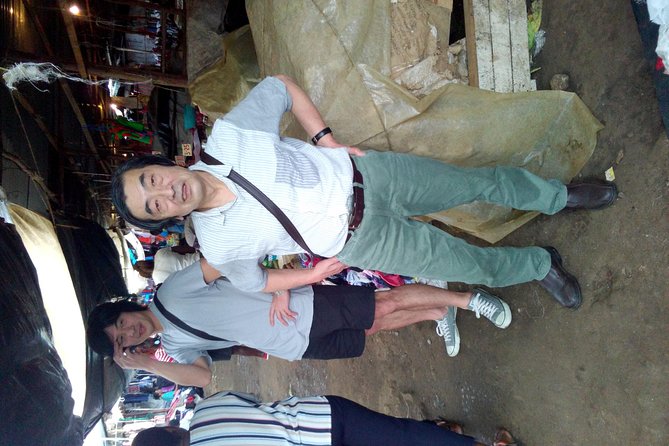
This tour is described as walking, and the ground can be rough. Plan for proper walking shoes. If you have hiking boots or shoes with good traction, use them. Mud and slick patches can happen, so think grip and ankle support.
Then there’s the kid-factor. You may meet many children during the route and possibly at a school or community setting connected to the center. A very practical suggestion from prior visitors is to buy in advance at least 3 to 4 bags of candies or lollipops so you’re not scrambling on the street. If you do bring treats, hand them out calmly and in a respectful way, not like you’re running a giveaway line.
On the money side, the core tour price is $35 per person and admission is marked as ticket free. That’s the baseline. Some people also report separate charges if they add transfers. If you’re choosing between meeting at the start point versus paying extra for hotel pick-up, compare options. Local taxis or ride-hailing apps can be cheaper for the same goal: getting to Greenhouse Mall and ending near Equity Bank Kibera.
Also, if you’re the donation type, keep a little cash ready for center-related requests. You’ll know what’s being asked at the moment, and you can decide what feels comfortable.
Price and Value: Is $35 Fair for This Kind of Tour?

At $35, this is not a “luxury” tour. But it is also not priced like a simple city walk. The value comes from three things you actually get in those 3 to 4 hours:
First, you get a private guide who helps you move through unmarked areas and narrow lanes without turning it into guesswork.
Second, you get multiple stops that teach different layers: Toi Market, Hope and Shine Kibera Centre, and a home visit. A lot of tours stop after one angle. This one keeps going.
Third, you get safer logistics and better timing. Even when you’re curious, you still need the route to make sense. Paying for guidance here can save you from the awkward parts of going alone, like not knowing where it’s appropriate to pause, what to ask, and how to avoid accidental disrespect.
A final value point: this tour is often booked ahead (around 15 days is the average). If your dates are tight, don’t wait. The half-day format can fill up when people want an on-the-ground Nairobi experience without losing the whole day.
Safety, Comfort, and Who Should Book

Safety comes up repeatedly in how people describe their experience. The strong theme is feeling completely safe when the guide is present and the group stays together. In a place with narrow paths and constant movement, your best safety tool is a guide who knows the flow and keeps you on a planned route.
That said, you still need to take care of basic comfort:
- Wear traction shoes
- Plan for walking on uneven surfaces
- Keep your phone secure and your attention on the guide when paths narrow
- Go with a calm, respectful mindset at home and center visits
Who is this for? It suits people who like direct, human-scale travel. If you want air-conditioned museum time, this might not match your style. If you want to understand daily life, and you can handle emotion and realism, this is a strong fit.
Who should consider skipping? If walking for several hours on uneven ground is a deal-breaker, or if you know you cannot handle crowded, child-heavy moments, then look for a different format. The tour is described as doable for most people, but your body still sets the limits.
Should You Book the Kibera Slum Tour with Lucas?
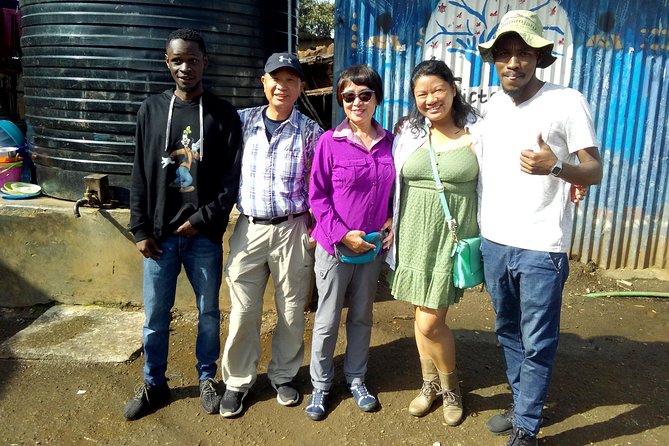
If you want a structured, respectful half-day that takes you beyond Nairobi’s usual tourist bubble, I’d book this. The best reasons are practical: the private format, the stop variety, and the focus on safety and real conversation, not just photos.
Book it if you:
- Want context for why people call Kibera the City of Hope
- Enjoy learning through everyday places like markets and community centers
- Are okay walking and showing up with good shoes
Skip or reconsider if you:
- Cannot handle uneven walking conditions
- Prefer a strictly observational experience with minimal interaction
When you go, go with your best manners, your most comfortable shoes, and a little flexibility. This tour works best when you treat it as a relationship, not a checklist.
FAQ
How long is the Kibera Slum Tour with Lucas?
The tour runs about 3 to 4 hours.
How much does the tour cost?
It costs $35.00 per person.
Is this tour private or shared?
It is private, meaning only your group participates.
Where do you meet and where does the tour end?
The start point is Greenhouse Mall in Kilimani, Ngong. The tour ends at Equity Bank Kibera in Nairobi.
What stops are included during the tour?
The tour includes exploring Kibera, visiting Toi Market, visiting Hope and Shine Kibera Centre, taking pictures, and experiencing life inside a slum home.
Do I get a ticket, and is it digital?
Yes, it uses a mobile ticket.
What should I wear or bring for this walking tour?
Wear proper shoes, since you will be walking on uneven ground. It can also be helpful to bring small candies or lollipops in advance for children you may meet.
What happens if weather is bad?
The experience requires good weather. If it is canceled due to poor weather, you will be offered a different date or a full refund.
More Tours in Nairobi






More Tour Reviews in Nairobi


Walking Kibera Again






Everything else we hold on Nairobi
- 7 Days Private 4 star lodges Safari by LandCruiser from Nairobi★ 5.0 · 3 reviews
- 5 Days/4 Nights Kenya Safari★ 4.5 · 3 reviews
- Safari Park Hotel Show & Dinner Experience In Nairobi Tour★ 3.6 · 3 reviews
- Day safari to Olpejeta Rhino conservancy★ 5.0 · 3 reviews
- 7 Days Breathtaking Kenya Wildlife Private Safari★ 5.0 · 3 reviews
- Overnight Amboseli National Park Safari from Nairobi★ 5.0 · 3 reviews
Kibera Community Tours, compared.
 ★ 4.9Nairobi: Explore Kibera Slum with Local GuidesFrom $15365 reviews
 ★ 5.0Kevins Kibera Slum ToursFrom $65213 reviews
 ★ 5.0Nairobi: Kibera Slum storytelling tour with a LocalFrom $20185 reviews
 ★ 4.5See Kibera with a Non-Profit LeaderFrom $30107 reviews
 ★ 5.0Nairobi: Kibera Slum Tour with Local Social EntrepreneursFrom $40107 reviews
 ★ 5.0Private Tour in Kibera the Largest SlumFrom $1554 reviews
 ★ 5.0Ismael’s Kibera Slum TourFrom $6542 reviews
 ★ 4.9vibrant kibera slum tourFrom $2240 reviews
Appears in these lists