
REVIEW · KIBERA COMMUNITY TOURS
Nairobi: Kibera Slum Tour with Local Social Entrepreneurs
Kibera is not a postcard. This short, social-enterprise tour takes you into daily life in Kibera, Africa’s largest slum, with stops that connect people to places and purpose, not just poverty. I like that it’s guided by Luke, a local born in Kibera with a degree, and that the itinerary is tight enough to feel doable in a busy Nairobi schedule.
What I like most is the human access you get. You visit a children’s home that supports kids with food, shelter, and education, and you also see the school side with a stop at Fairview Academy, where children learn despite limited resources. I also love the practical, non-preachy way the tour shows work and creativity, from Uweza’s art center to Victorious Bone Craft’s recycling workshop.
One thing to consider: this is an emotional neighborhood. If you want a relaxed, purely sightseeing outing, you might find parts of the children’s home and school visits heavy, even when everyone you meet is warm and hopeful.
In This Review
- Key Highlights That Make This Tour Worth Your Time
- Where the 3-Hour Kibera Experience Starts: Greenhouse Mall to Olympic Estate
- The Money Part: 30% Back to Kids and School Support
- Toi Market: Second-Hand Clothes and the Local Economy You Can Actually See
- Children’s Home Visit: Care, Food, Shelter, and Education in One Place
- Uweza Art Gallery: When Talent Becomes a Platform
- The Aerial View at Kibera View Point: Understanding Scale Without Guessing
- A Rare Look Inside a Local 4m x 4m Home
- Fairview Academy: Learning With Limited Resources
- Victorious Bone Craft Workshop: Recycling That Creates Jobs
- Getting the Most Out of It: How to Be a Good Guest Here
- Safety, Comfort, and Realistic Expectations
- Price and Value: Is $40 a Fair Deal?
- Should You Book This Kibera Tour With Luke and Local Social Entrepreneurs?
- FAQ
- How long is the Kibera slum tour?
- Where do I meet my guide in Nairobi?
- What stops are included during the tour?
- What is the cost and what is included in the price?
- What does the tour support with the revenue?
- What languages is the tour offered in?
- Who should avoid this tour due to age?
- What happens at the end of the tour?
Key Highlights That Make This Tour Worth Your Time

- 30% revenue support for a children’s home and local school, including stationeries and school items
- Local guide Luke (born in Kibera, degree holder) plus a friendly support network
- Toi Market stop focused on real second-hand trade for everyday life
- Uweza Art Gallery showing how art becomes a platform for kids and local artists
- Kibera View Point aerial look near the old Kenya-Uganda Railway line
- Victorious Bone Craft recycling turning cow bones, horns, brass padlocks, and more into ornaments and jobs
Kibera walks guided by residents of the settlement
Where the 3-Hour Kibera Experience Starts: Greenhouse Mall to Olympic Estate
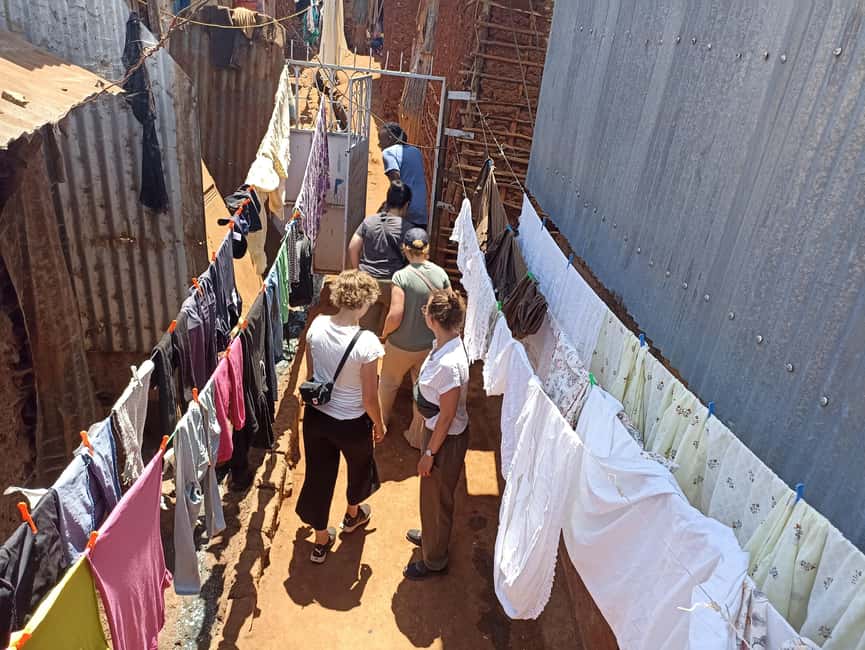
The tour runs a maximum of 3 hours, which matters in Nairobi. You get enough time to see several meaningful stops without feeling like you have to clear an entire day. It also makes it easier to pair with other plans, like a museum, a food stop, or a second neighborhood walk.
You meet at the Greenhouse Mall, off Ngong Road at Adams Arcade, near the security checkpoint. Your guide will message you on WhatsApp, and the whole flow is interactive with plenty of in-depth stories from someone who grew up there. The tour is offered in English and Swahili, so you can follow the narrative even if you are not fluent.
The route ends at Olympic Estate, where you can order a taxi like Uber or Bolt for your next destination. That little detail is more helpful than it sounds, because it reduces the stress of figuring out transport after you leave the area.
The Money Part: 30% Back to Kids and School Support
At $40 per person, the value here is not just the visits. It’s what the tour is designed to fund. The tour states that 30% of the revenue goes back to support a children’s home and local school, including stationeries and other school items.
That matters for you because you are not just paying for access. You are supporting education and care that can be hard to sustain through short donations. And the best part is how the tour keeps it practical, not performative. You see the impact in real places, then you can decide how you want to participate.
It also helps that many guides on these tours, including Luke, are clear about what is supported and why. A few visits even include personal touches like meeting caregivers or families connected to the work. Just keep in mind that your job as a guest is to be respectful and human, not to treat kids like props for your photos.
Toi Market: Second-Hand Clothes and the Local Economy You Can Actually See

One stop is Toi Market, described as Nairobi’s second-largest open-air market for second-hand clothes sold to locals, including people from Kibera. This is not a curated shopping stop. It’s a window into the supply chain that shapes daily life, from where items come from to how they get worn, repaired, and reused.
As you walk through, you’ll notice how trade creates jobs and movement. People talk, negotiate, and plan around what they can find and afford. If you like understanding cities as systems, this stop gives you that. If you dislike markets because of crowds, go slow and let your guide steer you.
A practical tip: bring small bills if you think you might want something, since it’s a market. The tour does include bottled water, but you may still want local snacks or extras depending on how you feel that day.
Children’s Home Visit: Care, Food, Shelter, and Education in One Place
The children’s home visit is the heart of the tour. The tour explains that the home supports needy and vulnerable children from the slum, including some who are total orphans and others who are rescued from the streets. The support includes food, shelter, and education.
In particular, some visits include meeting caregivers like Mama Paschalia, who is described as looking after around 18 orphans. You should treat these meetings with care. Say hello first. Ask your guide what is appropriate. Don’t rush, and don’t assume that a child wants to talk just because you are curious.
What makes this stop valuable is the way it reframes your thinking. You do not just see hardship. You see what people build to fight it. The goal of the visit is connection and understanding, not pity.
If you get emotional, that’s normal. A lot of people do. The key is to let the emotion make you respectful, not controlling. Watch how staff and caregivers handle things day to day, and listen to the stories your guide shares.
Uweza Art Gallery: When Talent Becomes a Platform

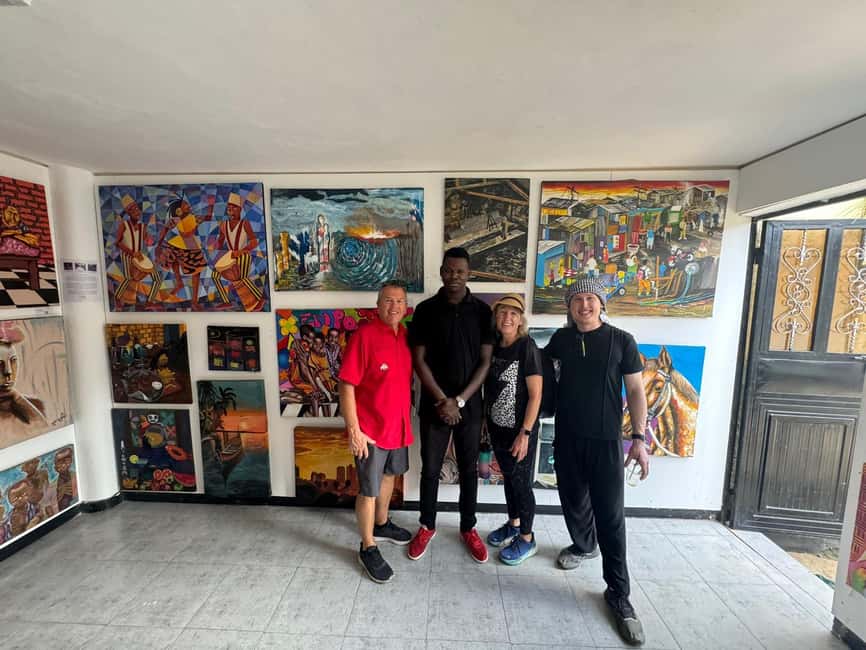
Next comes Uweza Art Gallery, an art center that supports kids and artists from the slum with a platform to explore creativity. Many of the pieces of art shown there are described as impressive, and the gallery experience often turns into a meaningful conversation about what art means when resources are limited.
This stop is a strong balance to the earlier visits. Instead of focusing only on what’s missing, you get to focus on what’s growing. Art becomes a form of identity, and also a way to create income or recognition for local creators.
If you are the type who only wants to see “culture” as a concept, this will change your mind. You’ll likely leave thinking about art as work, not just decoration. You can also ask your guide what specific artists or pieces represent, since the tour format is built around storytelling.
The Aerial View at Kibera View Point: Understanding Scale Without Guessing

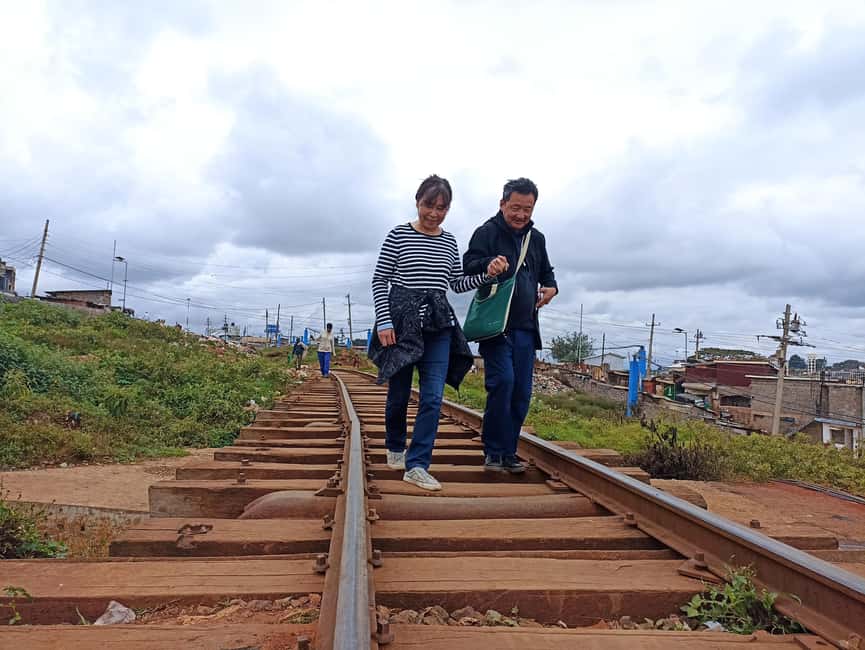
The tour includes a Kibera View Point stop for an aerial look at part of the neighborhood near Kibera Town Centre, close to the old Kenya-Uganda Railway line. From above, the scene can be startling, but it is also clarifying.
This is the moment where you stop making assumptions. Up close, Kibera reads as streets, homes, and everyday movement. From above, you get a sense of density and how much space people make a life within. It helps you interpret what you saw earlier: why schools, markets, and workshops are essential services inside a tight geography.
It’s also an easy photo moment, as long as you follow your guide’s cues about where it’s appropriate. Bring a phone battery charger if you rely heavily on your camera.
A Rare Look Inside a Local 4m x 4m Home

One of the most memorable parts is the home visit. You get to see a local house with dimensions described as 4m x 4m, which is an incredible contrast to how many visitors imagine “housing.” You also get to interact with the family and learn how the space is arranged and lived in.
This stop can be a reality check, but it is not meant to be a shock tactic. The point is to help you understand how people handle constraints through routines, shared living, and practical choices.
In some cases, guides may also introduce you to their own family at the end of the tour, including meeting parents. That personal element can deepen the meaning, because it turns the visit from a one-way tour into a relationship moment.
Fairview Academy: Learning With Limited Resources
The tour then moves to Fairview Academy, a local school where you can see children learning despite hardships and limited resources. This is a crucial stop if you care about education as the long game.
Pay attention to the classroom energy. Even when supplies are scarce, kids still focus. Your guide’s stories often connect school to everything else you saw: why markets exist, why recycling workshops matter, and why families prioritize education even when it feels like a long uphill climb.
If you are traveling as a student of development studies or you simply like facts, ask questions. The tone here tends to be grounded. You are not going to get slogans, you’ll get day-to-day explanations.
Victorious Bone Craft Workshop: Recycling That Creates Jobs
The tour ends with a stop at Victorious Bone Craft, a local workshop that recycles cow bones, cow horn, used brass padlocks, and camel bone into ornaments. The workshop approach is tied to job creation and also to reducing pollution.
This is one of those stops that makes you rethink what “poverty” means. You don’t just see survival. You see skill, materials, and production. You see a supply chain of local waste turned into usable items.
From a visitor perspective, this is where you can ask smarter questions. What materials are most common? How do workers sell? How does demand change? Your guide can usually connect the workshop to broader issues like employment and waste management.
Just remember, products you may want to purchase are not included in the tour. If you want to buy something, do it because you truly like the work, not because you feel pressured to pay back what you saw.
Getting the Most Out of It: How to Be a Good Guest Here
This is an interactive tour, full of stories and questions. You’ll do best if you treat it like a conversation with someone who lives the reality, not like a documentary with a set script.
A few practical ways to make the experience smoother:
- Ask your guide what is appropriate before taking photos, especially around children.
- Wear comfortable, modest clothing, since you’ll be walking through local areas and buildings.
- Keep an open mind. The tour shows both challenges like water, waste, health, housing, and unemployment, and also what people create to solve problems.
- Use the language your guide offers. Some guides share basic Swahili phrases so you can be more approachable, and that small effort can change how people respond.
Also, be ready for flexibility. Some guides adapt the walk based on your interests, like swapping in time to connect with volunteers or spend a moment with kids, depending on the situation. That flexibility can make the tour feel more personal and less like a checklist.
Safety, Comfort, and Realistic Expectations
Many visitors say they felt safe during the tour, and that makes sense when your guide is local to Kibera and knows the people and the flow of the area. Luke and local support people, like his childhood friend Clement, or other guides like Samuel or Sammy and Victor, often help create a calm, organized experience.
Still, don’t expect hotel comfort. This is a walk-based neighborhood experience. You will be standing, moving, and entering local spaces. The best mindset is: come curious, listen carefully, and follow your guide’s lead.
Emotionally, you should also expect contrast. You will see real hardship, then you’ll see creativity, community, and school lessons continuing anyway. That mix is part of the point.
Price and Value: Is $40 a Fair Deal?
For a maximum of 3 hours, $40 is not a bargain in the sense of being random sightseeing. But it can be fair value because you get a guided, structured introduction to several key community pillars: market life, child care, art and expression, education, local housing, a panoramic view, and recycling-based jobs.
Most importantly, 30% returns to kids and school support. That is the piece that makes the math make sense. You are paying for access, storytelling, and a clear support pathway, not just a photo stop.
If you are on a tight budget, think about what else you could do in Nairobi for the same money. Most “tour” time will not connect you to local education and job-creating workshops in such a direct way.
If you want a gentle, low-impact experience, this may still feel intense. But if you can handle a humane, respectful visit, it’s one of the more meaningful half-day activities in Nairobi.
Should You Book This Kibera Tour With Luke and Local Social Entrepreneurs?
I’d book it if you want more than sightseeing. You’ll like this tour if you care about how communities work, how education keeps going, and how creativity and recycling create jobs. It’s also a strong choice if you like asking questions and hearing detailed explanations from a local guide like Luke.
I would not rush to book it if you want a casual afternoon where nothing feels heavy. The children’s home and school stops can bring up real feelings, even when the tone stays respectful and hopeful.
If you are deciding, here’s a simple test: Are you coming with humility and a willingness to learn? If yes, this tour is a smart way to spend a few hours in Nairobi.
FAQ
How long is the Kibera slum tour?
The tour is scheduled for a maximum of 3 hours.
Where do I meet my guide in Nairobi?
You meet at the entrance of Greenhouse Mall, off Ngong Road at Adams Arcade, and your guide contacts you on WhatsApp.
What stops are included during the tour?
The tour includes Toi Market, a children’s home visit, a local house visit, Uweza Art Gallery, a Kibera View Point aerial view, Fairview Academy (local school), and the Victorious Bone Craft recycling workshop.
What is the cost and what is included in the price?
The price is $40 per person. Included are the guide fee, bottled water, and the listed visits (market, children’s home, local house, art centre, recycling workshop, and school). Products you might want to purchase are not included.
What does the tour support with the revenue?
The tour states that 30% of revenue goes back to support a children’s home and a local school, including stationeries and other school items.
What languages is the tour offered in?
The tour is offered in English and Swahili.
Who should avoid this tour due to age?
It is not suitable for children under 7 years, babies under 1 year, or people over 95 years.
What happens at the end of the tour?
The tour ends back near the meeting area, and you also have a last stop at Olympic Estate where you can order a taxi like Uber or Bolt for your next destination.
More Tours in Nairobi






More Tour Reviews in Nairobi


Walking Kibera Again





Everything else we hold on Nairobi
- 7 Days Private 4 star lodges Safari by LandCruiser from Nairobi★ 5.0 · 3 reviews
- 5 Days/4 Nights Kenya Safari★ 4.5 · 3 reviews
- Safari Park Hotel Show & Dinner Experience In Nairobi Tour★ 3.6 · 3 reviews
- Day safari to Olpejeta Rhino conservancy★ 5.0 · 3 reviews
- 7 Days Breathtaking Kenya Wildlife Private Safari★ 5.0 · 3 reviews
- Overnight Amboseli National Park Safari from Nairobi★ 5.0 · 3 reviews
Kibera Community Tours, compared.
 ★ 4.9Nairobi: Explore Kibera Slum with Local GuidesFrom $15365 reviews
 ★ 5.0Kevins Kibera Slum ToursFrom $65213 reviews
 ★ 5.0Nairobi: Kibera Slum storytelling tour with a LocalFrom $20185 reviews
 ★ 5.0Kibera Slum Tour with LucasFrom $35119 reviews
 ★ 4.5See Kibera with a Non-Profit LeaderFrom $30107 reviews
 ★ 5.0Private Tour in Kibera the Largest SlumFrom $1554 reviews
 ★ 5.0Ismael’s Kibera Slum TourFrom $6542 reviews
 ★ 4.9vibrant kibera slum tourFrom $2240 reviews
Appears in these lists