

REVIEW · KIBERA COMMUNITY TOURS
Nairobi: Kibera Slum storytelling tour with a Local
Stories beat postcards in Kibera. This 3-hour Kibera Slum storytelling tour is led by people from inside the community, and it focuses on resilience, everyday problem-solving, and why Kibera is nicknamed the City of Hope. I especially like how the route mixes real places you can point to, like Toi Market and the Hope and Shine Kibera Centre, with human stories from guides such as Elijah, Lucas, Peter, and Effie. One drawback to keep in mind: the walk goes through unmarked streets and narrow alleys, so it is not a good fit if you have mobility limits.
If you’re worried about safety, the tour sets a serious tone up front. Guides repeatedly emphasize that you stay together and follow local guidance, and even when the walk runs later and parts are in the dark, groups report feeling safe and welcome. Still, because this is a live neighborhood, you need good weather for the best experience, and the route is not suitable for people with back or heart problems.
In This Review
- Key things that make this tour worth your time
- Meet at Greenhouse Mall, then head into a real neighborhood
- Toi Market and Hope and Shine: how the City of Hope story is told
- A note on shopping and souvenirs
- The maze of narrow alleys: what the walking part teaches you
- Inside a slum home: the part that changes your perspective
- School visit at a Kibera center: education as the clearest “what your money does”
- Ending near Equity Bank Kibera: wrap-up with a calm landing
- How long, how much, and why the value feels fair
- Who should book this tour, and who should skip it
- Small practical tips that make the experience smoother
- Should you book? My quick decision guide
- FAQ
- Where do I meet for the Kibera slum storytelling tour?
- How long is the tour?
- What language is the live guide, and are audio guides available?
- Is this a private tour?
- What is included during the tour?
- Is smoking allowed?
Key things that make this tour worth your time

- Local guides from Kibera tell the story from lived experience, not secondhand facts
- Toi Market gives you a fast look at how commerce works in the neighborhood
- Hope and Shine Kibera Centre shows how community support and education are organized
- A home and a Kibera school visit add a human scale to what you see outside
- Small group, private setup keeps the pace manageable on narrow paths
Kibera walks guided by residents of the settlement

Meet at Greenhouse Mall, then head into a real neighborhood
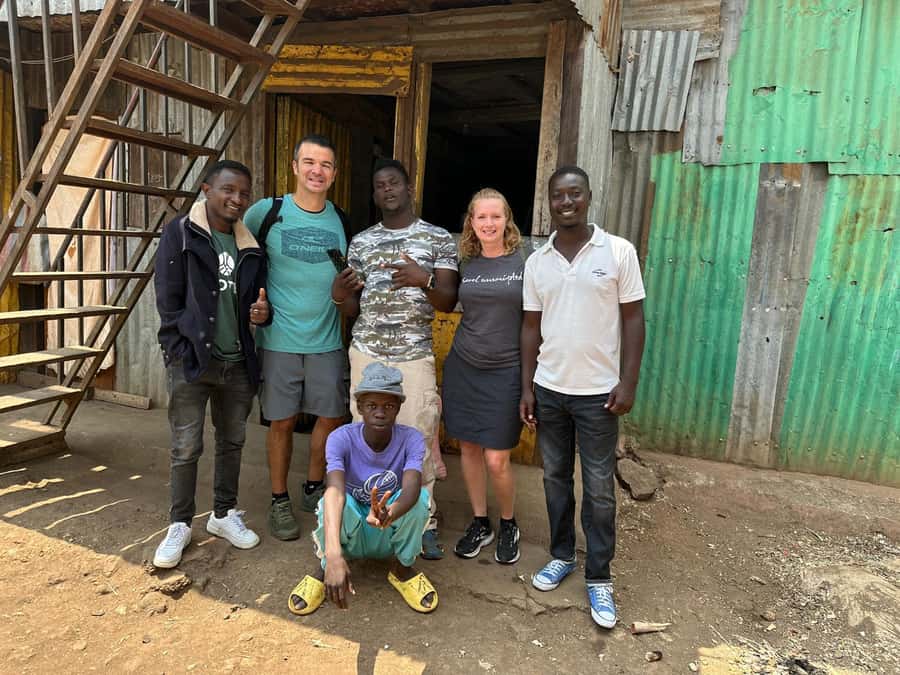
Most Nairobi sightseeing zooms past neighborhoods. This one asks you to slow down and meet people where they live. Your starting point is the entrance of Greenhouse Mall in Kilimani, a simple, easy-to-find marker. If you arrive early, there’s a bench near the fountain on the ground floor where you can wait.
The best way to think about the first minutes is as a setup for the whole day. You get oriented, you meet your guide, and you learn the tone: this is not a sad-movie tour, it is a how-the-community-adapts tour. You’ll hear about the resilience and ingenuity that residents use to solve daily challenges, and you’ll get context for the nickname City of Hope before you move deeper into Kibera.
Because the tour is private, the guide can answer your questions as you go. That matters, because Kibera is not one single scene. It’s a maze, with its own logic and landmarks, and the guide helps you connect what you see to what it means for daily life.
Toi Market and Hope and Shine: how the City of Hope story is told
After you head into Kibera, two stops do a lot of the heavy lifting: Toi Market and the Hope and Shine Kibera Centre.
At Toi Market, you get a feel for movement, bargaining, and local trade. It’s also the kind of place where your questions make sense fast. Want to know how people access essentials? Curious about how day-to-day buying and selling works in an informal settlement? Your guide can explain it on the spot, because this is their environment.
Then you visit Hope and Shine Kibera Centre, a community center focused on support and education for residents. This stop is powerful because it turns an abstract concept, like help for the community, into something you can actually see in action. The center gives you a concrete reason people talk about hope, beyond just the word itself.
Photography is part of the tour, and you’ll have chances to take pictures of the colorful community areas around these stops. Just remember: this is not a theme park. The guide’s job is to keep the flow respectful and safe while you observe.
A note on shopping and souvenirs
You can expect shopping time, especially around market areas. Many visitors suggest bringing some cash, because you may find handmade items like beads and jewelry, plus opportunities to support local organizations through small purchases. It’s the rare souvenir situation where the transaction is not just about “buying a memory,” it’s about backing the work happening nearby.
The maze of narrow alleys: what the walking part teaches you

The heart of this tour is the walking. You go through a sprawling network of unmarked streets and narrow alleys, guided at a pace that keeps you oriented rather than lost. In a place like Kibera, streets are the map. Your guide helps you read it.
This is also where the tour becomes more than sightseeing. After a short while, you start noticing patterns: where people gather, how paths connect, and how everyday life works around limited space. You may also see practical community infrastructure points during the walk. Some groups report stops that can include facilities and landmarks such as public washing areas and other local gathering points, depending on the route that day.
There’s a practical side too. Comfortable footwear matters, and good weather makes a big difference. The tour notes that it requires good weather, and if it’s canceled due to poor conditions, you’ll be offered another date or a full refund.
Inside a slum home: the part that changes your perspective
One of the tour’s most talked-about moments is the visit to a local home, where you can experience what daily life inside a slum home looks like. This is the stop that turns statistics into texture.
You should expect a guided conversation rather than a quick photo sprint. The guide explains what you’re seeing and answers questions, so you don’t just stare. You learn how residents adapt their homes and routines to space, resources, and community support.
This is also where people often feel the strongest mix of emotions. Many first-timers come in thinking they’ll feel only sadness. Instead, the common takeaway is often something closer to awe at creativity and mutual support, even amid hardship. The tone of the home visit is part of why the tour earns so many top scores.
If you’re traveling with someone who worries about safety, this is another reason to book with a local team. Groups report that guides keep things controlled, and the tour remains organized even when routes get tight or the light changes late in the day.
School visit at a Kibera center: education as the clearest “what your money does”
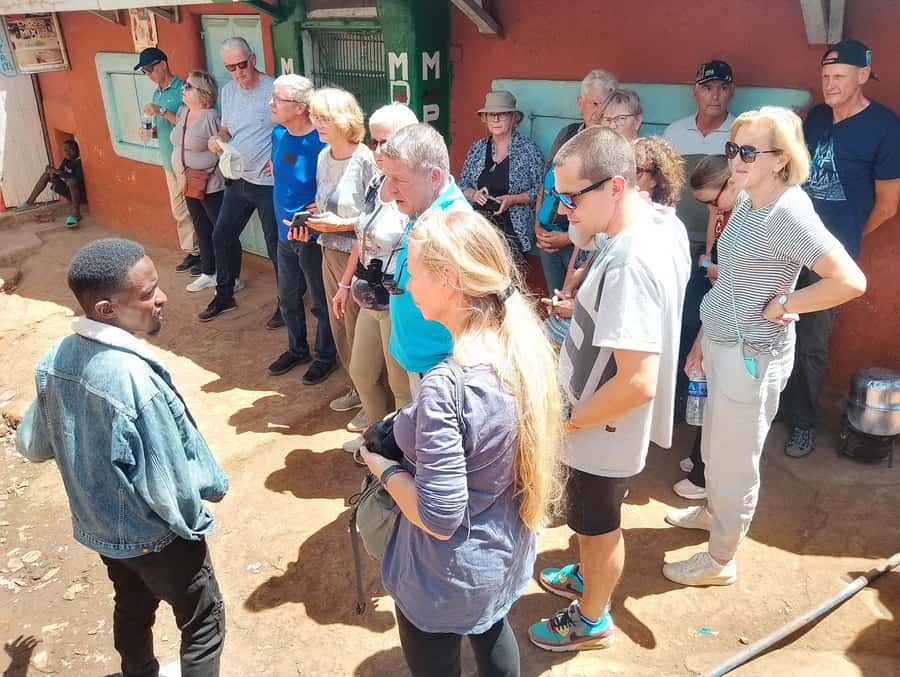
The tour includes a visit to a Kibera school. In practical terms, this is a direct look at education and support. In emotional terms, it’s often the stop people remember longest, because you see children in a learning environment rather than only viewing the neighborhood from the outside.
From the tour format, the school visit fits naturally with the earlier community center stop. Together, they show a theme: residents and local partners don’t just cope with problems, they build solutions. Many visitors highlight that the tour experience supports local education initiatives, and that it feels like your visit has a real purpose.
You also get a sense of how community initiatives keep expanding. In the school environment, you can see the focus on children who need access to learning and support.
Some visitors also bring small items to share, like biscuits or candy. If you want to do that, follow your guide’s direction. This kind of sharing works best when it’s coordinated and respectful.
Ending near Equity Bank Kibera: wrap-up with a calm landing

The tour ends after your final neighborhood experiences, with your guide taking you to Equity Bank Kibera, where the tour finishes. That matters more than you might think. You get a clear endpoint in a known place instead of being left to figure out the next step on your own.
Because the tour is described as providing safety throughout, and because guides repeatedly emphasize staying together and moving with purpose, the ending point gives you a clean wrap-up after a walk that can include darker stretches, depending on the time of day.
How long, how much, and why the value feels fair

You’re looking at 3 hours total. That’s long enough to get the feel of the neighborhood and visit multiple key stops, but not so long that you spend the entire time walking without context.
Pricing is listed at $20 per group up to 1. Since this is a private group experience, the value comes from the guide’s time and the specific stops included, not from “group sightseeing” efficiency. Even if you’re traveling solo, you’re paying for a local perspective that connects markets, a community center, a school, and a home visit. That combination is the main reason visitors rate it so highly.
Also, the tour is designed around the guide’s knowledge of Kibera. You’re not just buying entry to a place, you’re buying the explanation of what it means.
Who should book this tour, and who should skip it
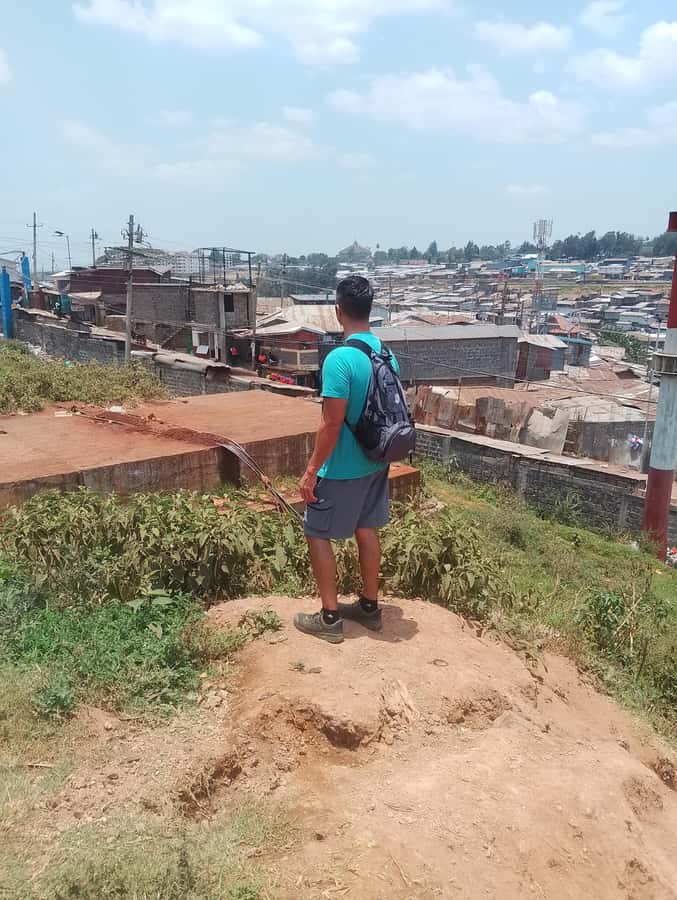
This is a great fit if you want a Nairobi experience that’s not just about big attractions. You should book if you like meaningful conversation, you want to see how daily systems work in informal neighborhoods, and you want to understand why residents talk about hope while dealing with real constraints.
It’s less suitable if you have back problems or heart problems, since the walking is central to the tour. It also depends on good weather, and smoking is not allowed during the experience.
If you need a trip that is mostly seated, this probably won’t satisfy you. But if you’re okay with a guided walk and you want your time in Nairobi to feel more human and less polished, this is the kind of tour that can reframe how you see the city.
Small practical tips that make the experience smoother

Here’s what will help you get the most out of the day, based on how the tour is structured and what visitors repeatedly point out:
- Dress for walking on uneven, narrow paths. Some visitors recommend not wearing your nicest shoes, because you’re moving through alleys and market areas.
- Bring some cash if you want to shop at Toi Market or buy small handmade items.
- If you plan to bring sweets or small treats for kids, coordinate with your guide rather than handing things out randomly.
- Wear weather-appropriate clothing. The tour depends on good weather.
Should you book? My quick decision guide
Book this tour if you want Nairobi in a human scale: a guided walk through Kibera’s streets, a market visit, a community center stop, a school visit, and a home visit. The most praised parts are the local guides, the sense of safety, and the way the tour turns hardship into stories of ingenuity and community support.
Skip it if you’re not comfortable walking through narrow, unmarked alleys, or if you have health limitations like back or heart problems. Also, if the weather is poor on your dates, be ready to reschedule, since the tour needs good conditions.
If you’re looking for one experience in Nairobi that feels like it connects you to real daily life, this is often the one people say they carry with them long after they leave.
FAQ
Where do I meet for the Kibera slum storytelling tour?
You meet at the entrance of Greenhouse Mall in Kilimani. If you arrive early, there’s a bench near the fountain on the ground floor where you can wait.
How long is the tour?
The duration is 3 hours.
What language is the live guide, and are audio guides available?
The live guide is English. An audio guide is included with options for French, Spanish, German, and Chinese.
Is this a private tour?
Yes, it is a private group tour, so only your group participates.
What is included during the tour?
It includes all fees and taxes, safety throughout the tour, a visit to a Kibera school, and the guided stops in Kibera including Toi Market and the Hope and Shine Kibera Centre, plus a local home visit. The tour ends at Equity Bank Kibera.
Is smoking allowed?
No, smoking is not allowed during the experience.
More Tours in Nairobi






More Tour Reviews in Nairobi


Walking Kibera Again






Everything else we hold on Nairobi
- 7 Days Private 4 star lodges Safari by LandCruiser from Nairobi★ 5.0 · 3 reviews
- 5 Days/4 Nights Kenya Safari★ 4.5 · 3 reviews
- Safari Park Hotel Show & Dinner Experience In Nairobi Tour★ 3.6 · 3 reviews
- Day safari to Olpejeta Rhino conservancy★ 5.0 · 3 reviews
- 7 Days Breathtaking Kenya Wildlife Private Safari★ 5.0 · 3 reviews
- Overnight Amboseli National Park Safari from Nairobi★ 5.0 · 3 reviews
Kibera Community Tours, compared.
 ★ 4.9Nairobi: Explore Kibera Slum with Local GuidesFrom $15365 reviews
 ★ 5.0Kevins Kibera Slum ToursFrom $65213 reviews
 ★ 5.0Kibera Slum Tour with LucasFrom $35119 reviews
 ★ 5.0Nairobi: Kibera Slum Tour with Local Social EntrepreneursFrom $40107 reviews
 ★ 4.5See Kibera with a Non-Profit LeaderFrom $30107 reviews
 ★ 5.0Private Tour in Kibera the Largest SlumFrom $1554 reviews
 ★ 5.0Ismael’s Kibera Slum TourFrom $6542 reviews
 ★ 4.9vibrant kibera slum tourFrom $2240 reviews
Appears in these lists