
REVIEW · SHOPPING TOURS
Nairobi Cultural Shopping Experience
Shopping in Nairobi without the guesswork. This convenient route lines up a few top craft stops, with a driver who can help translate so you can ask questions without getting stuck in the language maze. I like the hotel pickup and drop-off and the fact that Kazuri shows you how jewelry and pottery start from clay, not just what the finished products look like.
The main thing to keep in mind is time. You have about 4 to 5 hours, so if you love slow browsing and deep comparison, you might feel a little rushed at the market stop where bargaining can take extra minutes.
In This Review
- Key Highlights Worth Your Time
- Why This Nairobi Craft Route Feels Effortless
- The Utamaduni Craft Centre Stop: Artisan Market Energy in Langata
- Kazuri Beads Factory: From Clay to Beads, With a Real Social Mission
- Galleria Mall and the Galleria Maasai Market: Souvenir Shopping With Bargaining Practice
- Price and Timing: Does It Feel Like Good Value?
- Who This Tour Fits Best, and Who Might Want Something Different
- Practical Tips That Make the Day Smoother
- Should You Book This Nairobi Cultural Shopping Tour?
- FAQ
- What is the duration of the Nairobi cultural shopping experience?
- What time does the tour start in Nairobi?
- What stops are included on this tour?
- What is included in the price?
- Is admission included at the craft stops?
- Can I cancel and get a full refund?
Key Highlights Worth Your Time
- A guided souvenir shortlist so you do not waste a half-day figuring out where to go
- Driver translation help when you want details about materials, meaning, or pricing
- Utamaduni Craft Centre in Langata for a focused, artisan-market feel
- Kazuri Beads Factory and hands-on clay craft with a social mission behind the work
- Galleria Mall Maasai market where you can practice bargaining in a more structured setting
- Pickup, drop-off, and no heavy-bag stress so you shop smarter and travel lighter
Other Nairobi bookings that survived the same scrutiny
Why This Nairobi Craft Route Feels Effortless
Nairobi souvenir shopping can be a little like ordering food in a new language, even when you know what you want. This tour removes the hardest part: the planning. You get a clear route, guided stops, and a driver who can help translate when you need it.
The value is not just convenience. It is that the tour pushes you toward places with a clear story. You are not only buying stuff. You are seeing how that stuff gets made and who it supports. That matters if you want souvenirs that feel meaningful instead of random.
You also get logistics that make shopping easier. There is hotel pickup and drop-off, plus the driver helps you move around without lugging heavy bags on your own. That is a small detail that really adds up when you end up with multiple items.
The trade-off is focus. This is a half-day, not a full day. You get a solid hit of craft and shopping, but you will not have unlimited time at every stall.
The Utamaduni Craft Centre Stop: Artisan Market Energy in Langata
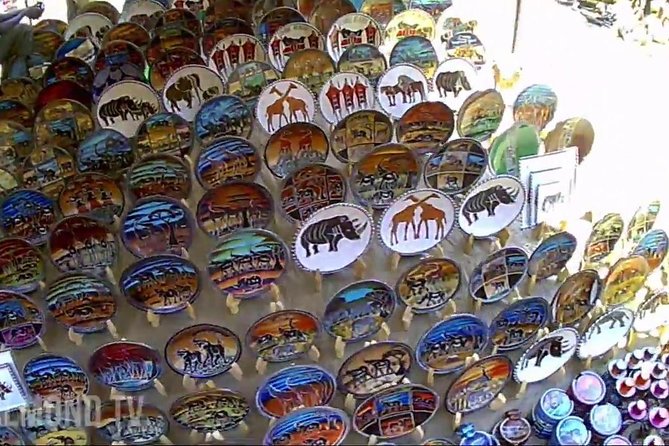
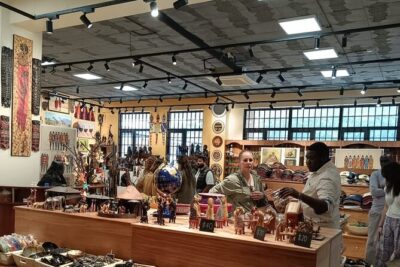
Your first stop is Utamaduni Craft Centre, located in Langata, a leafy suburb that feels calmer than the busy core areas. The tour positions it as a leading artisan market in Nairobi, and the vibe matches that idea: it is a shop you can step into quickly and start browsing right away.
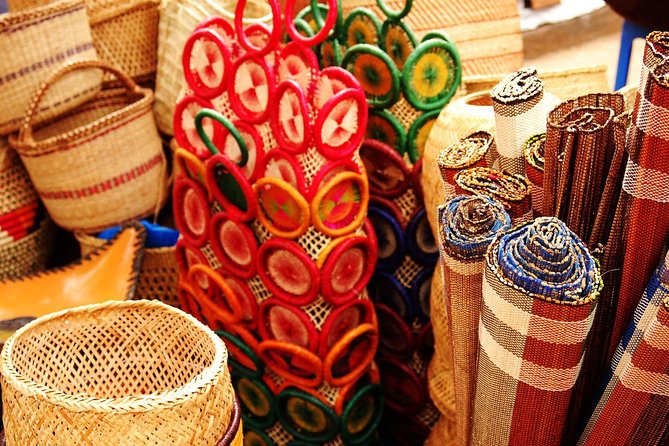
Plan on about an hour here. That is enough time to get oriented, look at different categories, and pick a couple of pieces without feeling like you must buy immediately. Admission is free on this experience, which means you can spend your budget on actual souvenirs instead of extra entry fees.
What you are likely to find during that hour:
- Traditional African fabrics and textiles
- Ornaments and small decorative items
- Sculptures and artwork, depending on what is on display
- Craft pieces that reflect Kenya’s many cultural traditions
One practical tip: if you see something you like, ask what it is made of and how to care for it. Even when you cannot read every label, your driver’s translation support can help you confirm details before you commit.
Kazuri Beads Factory: From Clay to Beads, With a Real Social Mission
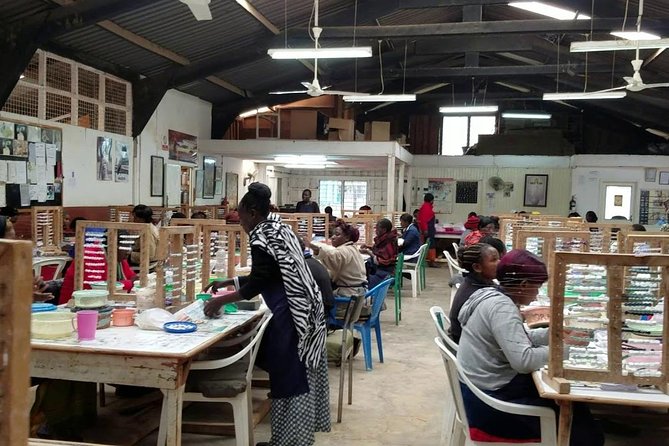
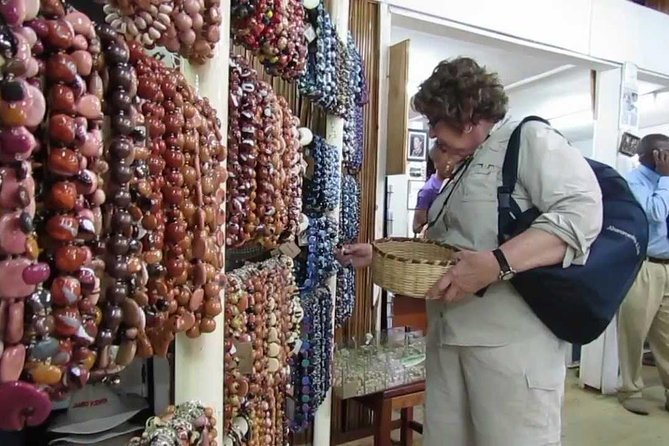
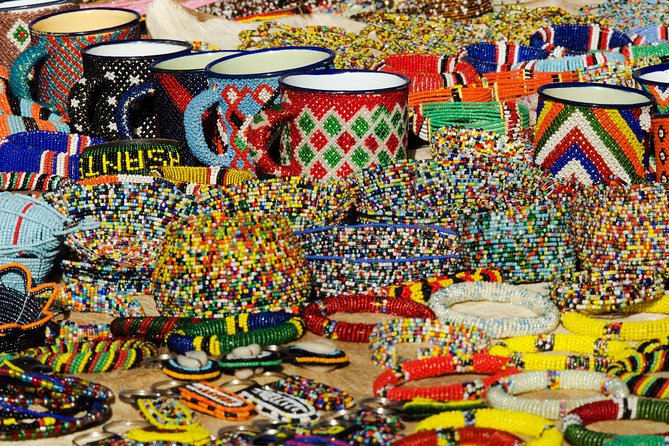
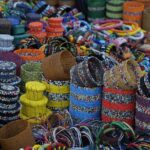
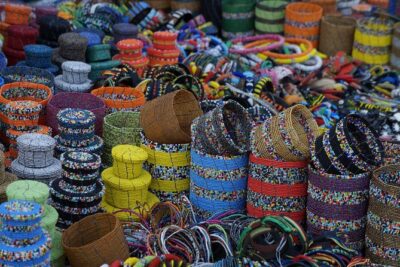
Kazuri Beads is the kind of stop that makes your shopping feel grounded. Kazuri started in 1975 as a small workshop experimenting with hand-crafted ceramic beads. The name, small and beautiful, comes from Swahili, and it is a fitting description once you start noticing the variety in shapes and finishes.
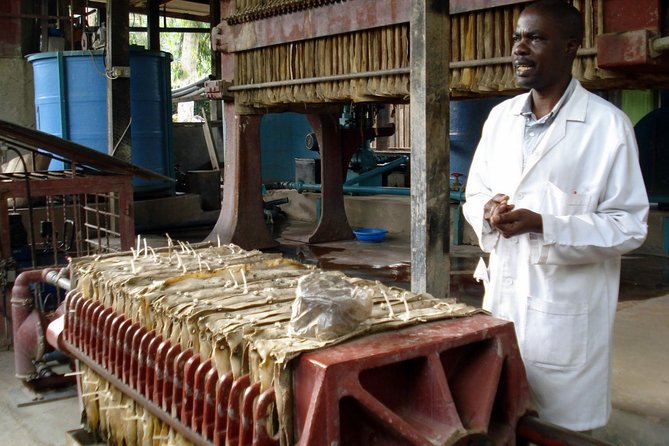
On this tour, you spend about an hour at the factory, and admission is free. The experience is built around learning to make jewelry and pottery from clay. That hands-on element matters. It turns your shopping from, I like this, into, I understand the process.
Here is the part that gives the factory real weight. Kazuri grew from a tiny workshop into a broader network that created steady employment. The origin story is tied to two single motherhood women, and then expanded to other women in villages around Nairobi who needed regular work. So when you buy a bead necklace or a clay piece, you are supporting a system that provides livelihoods.
A detail from the guide-led cultural feel: you may also see or learn about performances, including dancing and singing connected to the people who make the beaded jewelry. Because the tour data does not guarantee a specific show time, treat that as a bonus if it happens during your visit.
What I think you should prioritize while you are there:
- Look for the pieces that match your style, not just the most eye-catching ones
- Ask how the items are made and what makes them durable
- If you are buying gifts, pick earlier in the hour, so you are not rushing at the end
Also, consider size and weight. Ceramic and handcrafted items can be heavier than you expect, even when they look small. The driver helping you manage bags means you are less stressed, but you still want to stay smart with what you carry.
Galleria Mall and the Galleria Maasai Market: Souvenir Shopping With Bargaining Practice
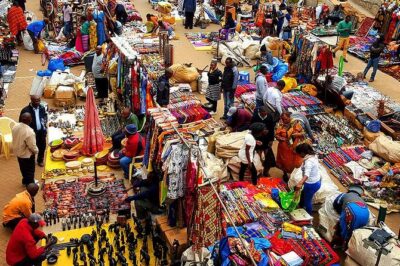
The final stop is at Galleria Mall, where the Maasai market shopping happens. You get about an hour here, and admission is free. This is the place where you can switch from craft-story mode to classic souvenir-buying mode.
The Maasai market setting is useful for two reasons. First, it gives you variety in what you can buy. Second, it is a more structured environment for bargaining practice. If you have ever avoided markets because bargaining feels awkward, this kind of stop can help. You are not wandering alone, and your driver can help you communicate.
What to expect from your browsing time:
- Ornaments and accessories
- Craft items linked to Maasai-inspired design styles
- Artwork and decorative souvenirs
- More price-shopping moments, where you can compare options
Bargaining tip, the practical way: start by asking questions before you negotiate. Clarify what something is made of, how long it takes to make, and whether there are variations. Then negotiate respectfully. If you rush straight into price, you miss the chance to understand the value behind the item.
Also, watch for repeat items across stalls. If you love a certain look, compare materials and finishing. Small differences can be the difference between a souvenir that lasts and one that looks tired after a few trips.
Price and Timing: Does It Feel Like Good Value?
At $25.65 per person, this is priced like a practical add-on, not a big splurge. The key to value is what is included. You get a driver/guide plus hotel pickup and drop-off. You also get admission-free entry at the first two craft stops, Utamaduni Craft Centre and Kazuri Beads Factory.
So you are paying mostly for:
- Time saved versus planning the route yourself
- Guided help with translation and navigating the stops
- A curated sequence that mixes crafts, process, and shopping
The total duration is about 4 to 5 hours, starting at 9:00 am. That timing is convenient if you want shopping done before dinner plans. It is also booked on average 17 days in advance, which suggests it is a popular way to handle Nairobi souvenirs in limited time.
Not included are drinks and beverages, plus the souvenirs themselves, which is normal for a shopping-focused experience. Plan to bring or buy water if you need it. Also, set a realistic souvenir budget before you go in. When you see well-made items and good stories, it is easy to get carried away.
Who This Tour Fits Best, and Who Might Want Something Different
This tour is a strong fit if:
- You want a simple plan for Nairobi souvenir shopping
- You are worried about language barriers and want translation help
- You want crafts with a clear process and social background, especially at Kazuri
- You want to avoid hauling heavy bags around the city
It might not be perfect if:
- You want hours of free roaming at one big market
- You love bargaining as a sport and want maximum time to negotiate and compare
- You are shopping with a very strict, narrow list and need ultra-focused searching
Because the stops are timed, it is best for people who want a smart hit of Nairobi culture without turning the day into a logistics project.
Practical Tips That Make the Day Smoother
Here are a few things that make a noticeable difference on a craft-and-market day in Nairobi.
Bring a simple shopping plan
- Decide what categories you want first, fabric, beads, ornaments, artwork
- Set a rough budget for each category so you do not get swept up
Ask before you buy
- At craft stops, ask how items are made and what materials are used
- At the market stop, compare finishing and sizes, even when items look similar
Stay comfortable for movement
- Wear comfortable shoes, since you will likely browse and move between areas
- If you are sensitive to sun or heat, plan for it
Use the driver help
- If you want explanations on meaning or technique, ask early
- If you have gift sizes in mind, tell the driver so you can shop with that goal
If you end up with many small items
- Keep lighter, fragile items on top so you do not crush them
- Pay attention to how you carry bags, even with help available
Should You Book This Nairobi Cultural Shopping Tour?
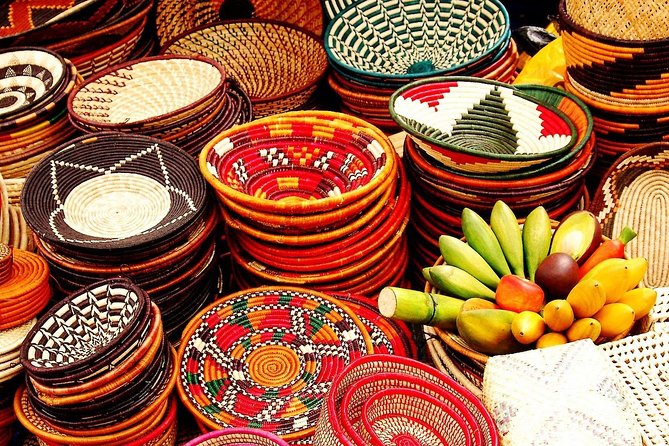
Book it if you want a guided, efficient way to shop for authentic Kenyan crafts, with translation support and a lineup that includes Utamaduni Craft Centre and Kazuri Beads Factory. The biggest strength is that it saves you time while still giving you a reason for buying, not just a pile of souvenirs.
Skip it or consider a different option if you need long, unstructured market time. This experience is built around hitting key spots in about 4 to 5 hours. You get variety and context, but not endless browsing.
If you are doing Nairobi for a short stay and you want souvenirs that feel tied to people and process, this is a solid, straightforward choice.
FAQ
What is the duration of the Nairobi cultural shopping experience?
The experience runs for about 4 to 5 hours.
What time does the tour start in Nairobi?
The start time is 9:00 am.
What stops are included on this tour?
The tour includes Utamaduni Craft Centre, Kazuri Beads Factory, and the Galleria Mall, Maasai market area.
What is included in the price?
The price includes a driver/guide and hotel pickup and drop-off.
Is admission included at the craft stops?
Admission is free at Utamaduni Craft Centre and Kazuri Beads Factory on this experience.
Can I cancel and get a full refund?
Yes. Free cancellation is available, and you can cancel up to 24 hours in advance for a full refund. If you cancel less than 24 hours before the start time, the amount paid is not refunded.
More Shopping Tours in Nairobi



More Tour Reviews in Nairobi






Everything else we hold on Nairobi
- 7 Days Private 4 star lodges Safari by LandCruiser from Nairobi★ 5.0 · 3 reviews
- 5 Days/4 Nights Kenya Safari★ 4.5 · 3 reviews
- Safari Park Hotel Show & Dinner Experience In Nairobi Tour★ 3.6 · 3 reviews
- Day safari to Olpejeta Rhino conservancy★ 5.0 · 3 reviews
- 7 Days Breathtaking Kenya Wildlife Private Safari★ 5.0 · 3 reviews
- Overnight Amboseli National Park Safari from Nairobi★ 5.0 · 3 reviews
Shopping Tours, compared.
 ★ 5.0Traditional Kenyan Cooking Class & Local Market TourFrom $50129 reviews
 ★ 5.0Nairobi souvenir Shopping and Historical Half day TourFrom $7061 reviews
 ★ 5.0Memorable Daily KIBERA Slums/Toi Market Tour with Locals (2 hours)From $2529 reviews
 ★ 4.8Mombasa City Tour,Fortjesus,Oldtown,Tusks and Spice Market.From $4519 reviews
 ★ 5.0Half-Day Nairobi National Park and Maasai Market with Pick upFrom $18016 reviews
 ★ 5.0Nairobi cultural souvenir shopping tour with a localFrom $6012 reviews
 ★ 4.0Nairobi Guided Cultural Shopping Experience Day TourFrom $9012 reviews
 ★ 5.0Authentic Kenyan Cooking Class & Market Tour in NairobiFrom $6412 reviews
Appears in these lists