
REVIEW · SHOPPING TOURS
Nairobi Guided Cultural Shopping Experience Day Tour
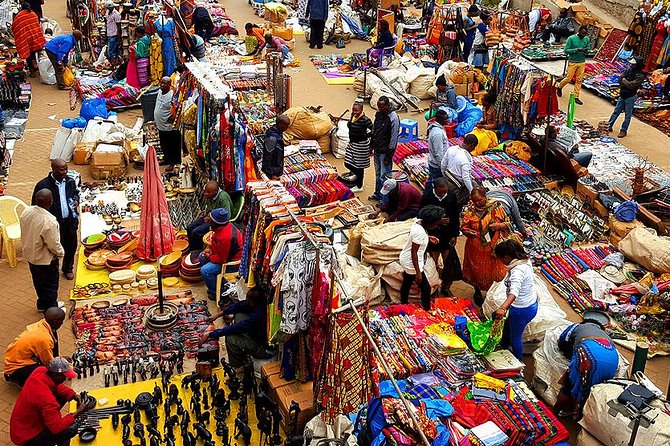
Nairobi shopping can be chaos, this tour fixes it. I like that you get door-to-door pickup and a small group pace, so shopping feels planned instead of rushed. I also like the mix of maker stops, from Kazuri Beads to craft centers, so you can buy with context. One thing to know up front, the Maasai Market stop only happens if it’s operating that day.
A good shopping guide changes everything here. When I hear about guides like Stephen, the common theme is patient guidance, especially for people shopping on their own who do not want to feel pushed. Still, you are in Kenya, so bargaining exists, and you should treat prices as a conversation, not a battle.
In This Review
- Key points to know before you go
- How a Nairobi shopping guide saves you from souvenir traps
- Price and value: what $90 buys in an 8-hour craft and market day
- Door-to-door pickup and a group of up to 7
- Stop 1: African Heritage House Museum at the Carnivore grounds
- Stop 2: Utamaduni Craft Centre, shopping under one roof
- Stop 3: Kazuri Beads Factory in Karen for handmade ceramics and jewelry
- Stop 4: Nairobi City Market, bargaining in a former hangar
- Stop 5: Maasai Market when it’s operating, direct selling and beadwork
- What to buy for quality, not just for souvenirs
- A gentle warning about shopping style, especially in markets
- Timing, transport, and comfort for an 8-hour loop
- Who this tour fits best
- Should you book this Nairobi guided cultural shopping day tour?
Key points to know before you go
- Small group pace (up to 7 people) keeps the day manageable and lets your guide answer questions.
- Door-to-door hotel transfers save time and reduce stress in a city that can feel big and busy.
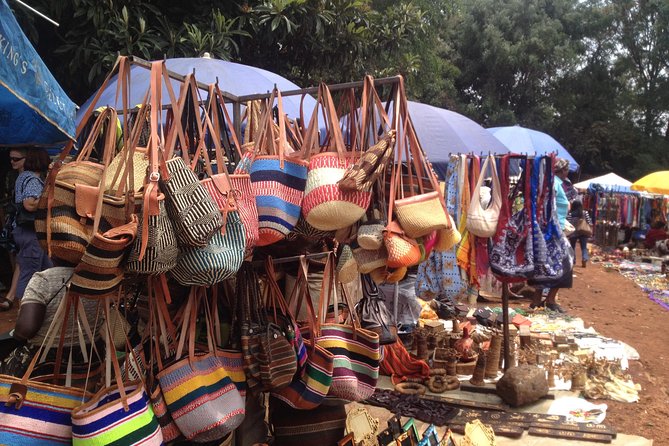
- Maker stops plus market time helps you spot what you are buying, from ceramics and beads to general souvenirs.
- Free entry at the stops listed means your money goes toward shopping, not tickets.
- Maasai Market depends on opening so you should be flexible with expectations.
Other Nairobi bookings that survived the same scrutiny




How a Nairobi shopping guide saves you from souvenir traps
Nairobi shopping can be surprisingly tricky. You will see lots of items that look similar from stall to stall, and it can be hard to tell what is well made versus what is mass produced. A guided day tour helps because the route is designed for quality stops, not just quick photo ops.
I like how this experience is built around a straightforward idea: go where items are made or sold directly through focused craft spaces, then finish with time in a market setting where you can bargain if you want. You still get freedom to browse, but your guide nudges you toward quality, better pricing, and more realistic expectations.
One practical bonus is the tone your guide can set. If you are not in the mood for aggressive negotiation, you can lean toward places with clearer pricing and more structured displays. If you enjoy bargaining, the market stop gives you that cultural part of the experience without you having to start from scratch.
Price and value: what $90 buys in an 8-hour craft and market day

At $90 per person for about 8 hours, you are paying for three main things: a professional guide, round-trip hotel transfers, and time saved by having the itinerary stitched together for you.
Most of the scheduled stops are listed as free admission, which matters. It means the money you spend is more likely to go toward the things you actually want to bring home, like jewelry, carvings, textiles, beads, and ceramics. Lunch is not included, so you should plan on either buying something simple near the route or choosing a meal when the day gives you that option.
The real value is less about “getting in somewhere” and more about “getting it right.” Nairobi has plenty of souvenir choices. This tour helps you shop in the places where the product stories make sense, and your guide can help you compare materials, finishes, and general quality while you are standing in front of the items.
Door-to-door pickup and a group of up to 7
Logistics can make or break a shopping day. The hotel pickup and drop-off here is not a small detail. It reduces the time you would otherwise spend figuring out rides and navigating traffic, and it keeps the day from feeling like you are just hopping between random storefronts.
The small group matters too. With a maximum of 7 people, you usually get a rhythm that is more like a shared errand with guidance than a fast-moving bus trip. That is especially helpful when you want to ask questions about materials, sizes, or how items are made.
You also get a “door-to-door loop” feel, which is ideal if this is your first day in Nairobi or if you are short on time and still want a serious shopping outing.
Stop 1: African Heritage House Museum at the Carnivore grounds
The day starts at African Heritage House Museum, where you begin in the African Heritage Gallery at the Carnivore grounds. This is a calmer intro compared with the busier market scenes later.
What I like about this start is the framing. Instead of jumping straight into piles of souvenirs, you get a chance to look at textiles, sculpture, and handicraft through the African Trader Gallery concept. It sets a baseline for what you are aiming for, visually and quality-wise.
The time here is about an hour. That is long enough to browse without turning it into a marathon. It is also the kind of place where you might feel more comfortable if you want advice on what is worth paying extra for.
Other Nairobi bookings that survived the same scrutiny
Stop 2: Utamaduni Craft Centre, shopping under one roof
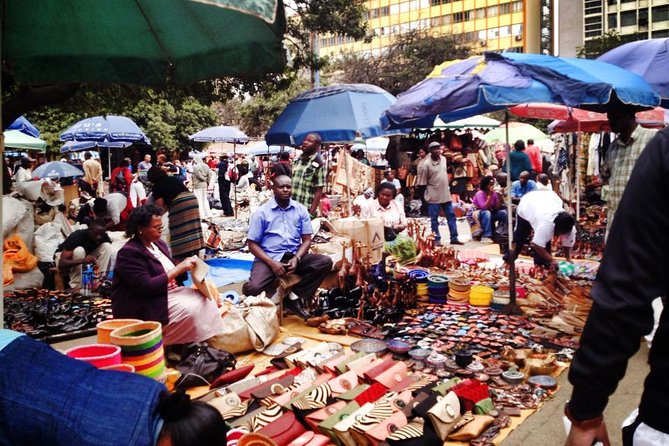
Next up is Utamaduni Craft Centre, where you can find a lot of different categories in one location. Think masks, rugs, furniture, jewelry, dolls, and various textiles and accessories like safari clothes, kikoy, and sarongs. It is designed so you can compare styles and materials without spending the whole day switching locations.
The “one roof” design is a big deal for shopping. It cuts down on decision fatigue. You can walk through, check options side by side, and ask your guide questions while you are still in the same atmosphere.
This stop can also be a good place to build your shopping plan. If you see something you like but you are unsure about price, materials, or size, you can note it and keep browsing within the same center. That way, you do not lose momentum or waste energy.
Potential drawback here: with so much under one roof, it is easy to overbuy. If you are trying to stick to a budget or to a specific gift list, I recommend choosing one category first, then only branching out once you feel confident about what good looks like to you.
Stop 3: Kazuri Beads Factory in Karen for handmade ceramics and jewelry
Kazuri Beads Factory is a highlight on this route, and for a good reason. It is focused on handmade ceramic beads, jewelry, and pottery, and it is located in Karen, near Karen Blixen Museum.
The word Kazuri means small and beautiful in Swahili, and that name fits the product style you will see. This is a stop where shopping feels more purposeful because you are connected to the making side of the craft, not just the final shelf.
The time here is also about an hour, which is enough to browse beads and finished pieces and get a feel for what is handmade. If you like detailed jewelry or you want gifts that feel personal, this is usually the kind of stop where those items come from.
If you are not sure what to buy, ask your guide for suggestions based on what you like visually, then narrow it down by weight, bead size, and how the piece looks up close. Handmade items tend to vary slightly, and that can be a feature, not a flaw.
Stop 4: Nairobi City Market, bargaining in a former hangar

Then you shift gears at Nairobi City Market on Muindi Mbingu Street. This is the market stop where bargaining is part of the experience. It is described as a sprawling complex originally an aircraft hangar, which you can almost feel in the layout.
The big advantage of including City Market in a guided day is that your guide can help you shop with fewer blind spots. You can ask for what makes an item good, and you can avoid overpaying simply because you are new to the rhythm.
You will likely find curios and other souvenirs here, plus food vendors. The market setting is more chaotic than the craft center stops, so it helps to go in with a plan: decide what you are shopping for, set a rough budget, and focus on items that you can check carefully (materials, details, and condition).
Also, if you get tired quickly, markets can wear you out fast. The allotted time is about an hour, which is a good balance. You still get the cultural bargaining vibe without turning the day into a full afternoon of browsing.
Stop 5: Maasai Market when it’s operating, direct selling and beadwork
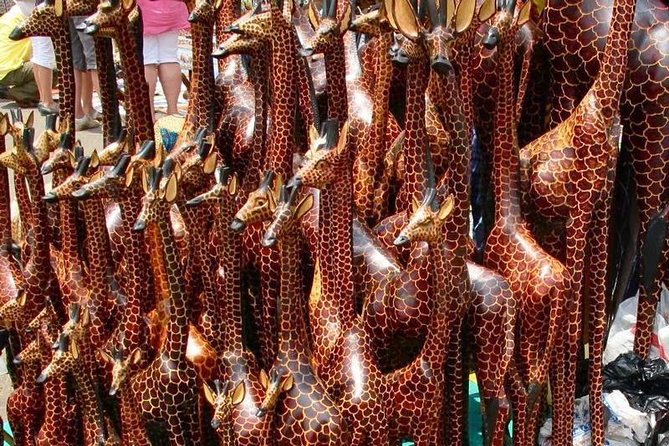
If the Maasai Market is open on your day, you will get an extra shopping stop. The idea here is that Maasai women started the market to sell directly to visitors, and it has grown since then.
This stop is usually where people find arts and crafts, wooden carvings, and beadwork. The direct-to-visitor angle often makes the experience feel more personal, because you are more likely to see items tied closely to how they are made and styled.
Important note: the tour includes this stop only if it’s open. That is not a problem, but it does mean you should not plan your entire shopping list around this one option.
If you do end up with Maasai Market time, pay attention to what you buy beyond just looks. Look for beadwork quality, how pieces are finished, and whether the patterns and colors match what you actually want to live with at home.
What to buy for quality, not just for souvenirs
Shopping is half instinct, half technique. A guided route helps you slow down and compare. Here is how I would steer your shopping so you leave with pieces that will still make you smile months later.
For jewelry and beads, focus on detail and wearability. Check the clasp or fastening, how components sit together, and whether the piece feels sturdy enough for daily life. If you want beadwork, consider whether you want a statement item or something smaller and versatile.
For wood carvings and masks, consider craftsmanship and finish. Ask yourself if the carving has crisp edges and consistent detailing. If it looks rushed or poorly finished, it is usually not worth the shipping hassle back home.
For textiles like sarongs and kikoy, feel the fabric and check how the pattern looks up close. You do not need to become an expert in textile production, just use your eyes and hands. Good fabric feels good.
For ceramics and pottery, look at how the surface looks and how uniform the glaze appears. Handmade pieces will not be identical, but they should look intentional.
The best part is that you have multiple stops to compare styles and materials. Use your guide’s advice to shorten the trial-and-error phase.
A gentle warning about shopping style, especially in markets
One theme that came up in feedback about the experience is that some people felt uncomfortable with overly personal questions from a guide or driver in the past. I cannot predict how your day will go, but it is smart to go in prepared.
If you prefer a shopping-only conversation, you can steer it quickly. A simple, polite boundary like I am here to shop, thank you can reset the tone. Good guides want you comfortable enough to enjoy the time.
Also, remember that bargaining is part of City Market and many other sales settings. Keep it friendly and short. If the price and quality do not match, walk away. Your time is worth more than squeezing out a few extra dollars.
Timing, transport, and comfort for an 8-hour loop
Eight hours sounds like plenty, but shopping days move fast. You will be on the go between stops, and you will spend time browsing and asking questions.
The good news is the route is tight: you return to your hotel after the final stop. The door-to-door setup also helps you avoid the “where do I go next” problem mid-day.
Wear comfortable shoes. Even with a guide, you will be walking through stores and market areas, and sometimes the ground and layouts are not ideal for long stretches. Bring light layers too, because indoor craft centers and outdoor market areas can feel different in temperature.
If you plan to buy heavier items, think ahead about how you will carry them during the day. Smaller beadwork and jewelry are easier to manage, while furniture or larger homewares can become a logistics issue fast. The tour is about shopping, but your personal carrying plan still matters.
Who this tour fits best
This is a strong fit if you:
- Want a guided shopping day focused on crafts, jewelry, ceramics, and homewares
- Appreciate small-group pacing and a guide who can help you compare quality
- Would rather do a structured route than hunt for shops on your own
- Like the idea of starting at a museum-style gallery and then transitioning to market bargaining
It may be less ideal if you:
- Only want markets and no craft centers
- Get stressed when a stop depends on whether it is open (like the Maasai Market)
- Do not want any personal conversation at all, since the day involves direct interaction with your guide
Should you book this Nairobi guided cultural shopping day tour?
If your goal is to come away with gifts that actually feel tied to Kenya, I think this is worth considering. The mix of museum-style browsing, craft centers, and a focused maker stop (Kazuri) helps you shop with more confidence than random wandering. The small group size and door-to-door pickup are also practical value, especially if Nairobi is new to you.
Book it if you want a guided plan that balances structure with time to browse. Skip it or adjust your expectations if your shopping style is very specific, like you only want one kind of item, or if you are counting on the Maasai Market stop without flexibility.
If you do go, go with a short list. Decide in advance what categories you want, set a budget range, and let your guide help you pick pieces you will still love after the excitement of the market fades.
More Guided in Nairobi






More Tours in Nairobi






More Tour Reviews in Nairobi


Everything else we hold on Nairobi
- 7 Days Private 4 star lodges Safari by LandCruiser from Nairobi★ 5.0 · 3 reviews
- 5 Days/4 Nights Kenya Safari★ 4.5 · 3 reviews
- Safari Park Hotel Show & Dinner Experience In Nairobi Tour★ 3.6 · 3 reviews
- Day safari to Olpejeta Rhino conservancy★ 5.0 · 3 reviews
- 7 Days Breathtaking Kenya Wildlife Private Safari★ 5.0 · 3 reviews
- Overnight Amboseli National Park Safari from Nairobi★ 5.0 · 3 reviews
Shopping Tours, compared.
 ★ 5.0Traditional Kenyan Cooking Class & Local Market TourFrom $50129 reviews
 ★ 5.0Nairobi souvenir Shopping and Historical Half day TourFrom $7061 reviews
 ★ 5.0Memorable Daily KIBERA Slums/Toi Market Tour with Locals (2 hours)From $2529 reviews
 ★ 5.0Nairobi Cultural Shopping ExperienceFrom $2521 reviews
 ★ 4.8Mombasa City Tour,Fortjesus,Oldtown,Tusks and Spice Market.From $4519 reviews
 ★ 5.0Half-Day Nairobi National Park and Maasai Market with Pick upFrom $18016 reviews
 ★ 5.0Nairobi cultural souvenir shopping tour with a localFrom $6012 reviews
 ★ 5.0Authentic Kenyan Cooking Class & Market Tour in NairobiFrom $6412 reviews
Appears in these lists