
REVIEW · COOKING CLASSES
Authentic Kenyan Cooking Class & Market Tour in Nairobi
Food in Nairobi feels personal here. This experience combines a local market tour with cooking in a real home on Nairobi’s outskirts, starting from the K-MALL Komarocks parking lot. You’ll get the feel of daily life as you shop for ingredients, then cook and eat together in a secure neighborhood setting.
I especially like the way the day mixes hands-on cooking with local conversation, because the lessons are taught by a friendly host and you actually help. I also like the focus on classic dishes, from Kachumbari salad to Sukuma Wiki, Ugali, chapati, pilau, and kienyeji chicken.
One thing to consider: the kitchen space is limited, so you may not have a chance to do every single step the entire time. Also, it’s not suitable for people with food allergies.
In This Review
- Key things to know before you go
- K-MALL Komarocks to the market, where the day really starts
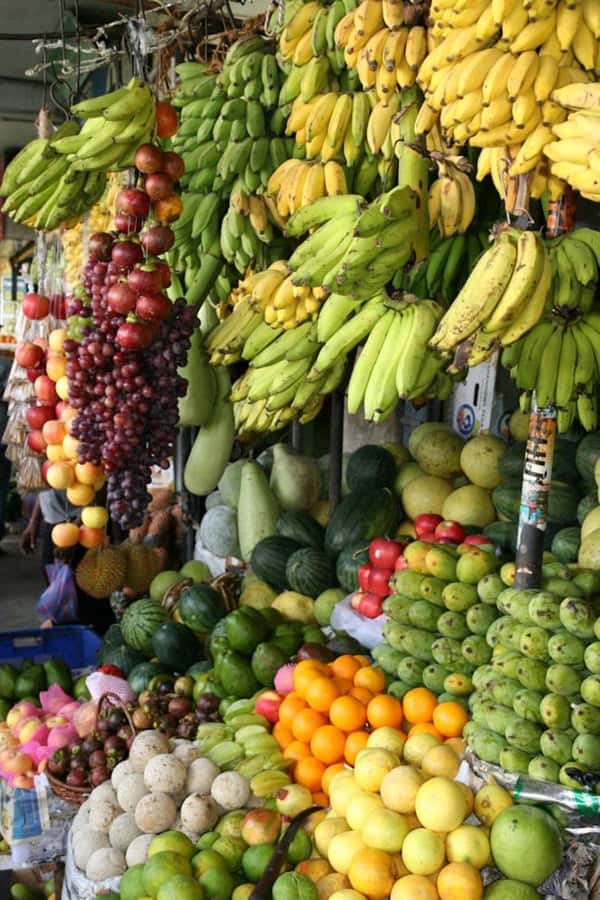
- The market tour: shopping with locals, not just watching
- Cooking in a home on Nairobi’s outskirts: the class part you actually remember
- What you’ll cook: the Kenyan comfort-food lineup
- Lunch you share: more than a meal, it’s part of the lesson
- Transportation and timing: a smooth half day, not an all-day production
- Price and value: is $64 per person worth it?
- Who this Nairobi cooking class fits best
- Practical tips that make the day easier
- Should you book this Nairobi cooking class?
- FAQ
- Where is the meeting point for the market tour?
- What is included in the price?
- What dishes will I learn to cook?
- What should I bring with me?
- Is the tour suitable for people with food allergies or for elderly travelers?
- Can I cancel and get a refund?
Key things to know before you go
- Market tour first: shop for ingredients in the middle of Nairobi’s everyday rhythm.
- Cooking in a local home: you’ll learn from your host in a more personal setting than a restaurant classroom.
- Classic Kenyan dishes: expect Kachumbari salad, Sukuma Wiki, Ugali, chapati, pilau, plus kienyeji chicken.
- Limited space: you’ll get plenty to do, but the kitchen is not huge.
- Lunch included: you eat what you help prepare, along with tea, soda, and water.
- English and Swahili guide: guidance is available in both languages.
Other Nairobi bookings that survived the same scrutiny


K-MALL Komarocks to the market, where the day really starts
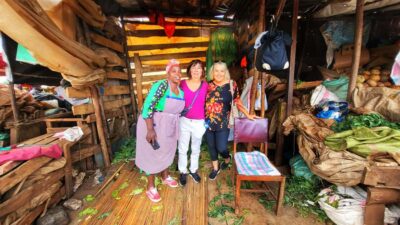
The day kicks off at the K-MALL Komarocks parking lot, so you have a clear, easy place to anchor your arrival. From there, you move into the market area with your live guide in English and Swahili, and the whole experience quickly shifts from tourist mode to daily-life mode.
What I like about this start is that it sets the pace. Instead of meeting you in a kitchen and talking food theory, you begin with what people actually buy. You’ll see how ingredients look, how vendors present them, and how the host helps you navigate the place without turning it into a stressful free-for-all.
There’s also a practical angle: transport to and from the market is included. That matters in Nairobi, where traffic and routing can eat time. If you’re staying in town, this structured “meet here, then go” plan keeps your half day feeling like a real activity rather than a scramble.
The market tour: shopping with locals, not just watching
A market tour can be either sightseeing or learning. This one is built to be more active, because you’re there to pick up ingredients you’ll later cook. The guide helps you interact with locals, and the tone stays friendly and grounded.
Expect plenty of motion. Markets are busy by nature, and you’ll want comfortable shoes so you can keep your footing and stay present. A camera helps too, but go easy on snapping every second. The host will likely steer the attention toward what matters for cooking, not just photo angles.
One nice detail: people are in your orbit. In a setting like this, you can feel like you’re borrowing space. The host’s calm approach helps you blend in instead of feeling like you’re constantly getting pulled into directions you can’t understand.
Cooking in a home on Nairobi’s outskirts: the class part you actually remember
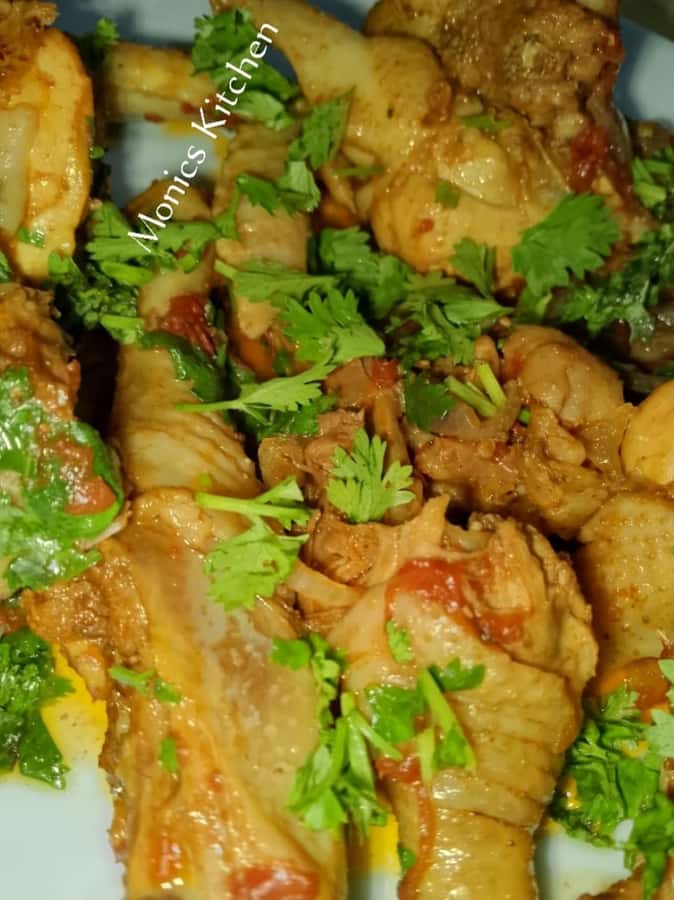
After the market, you head to the host’s home on the outskirts of Nairobi. This is where the experience stops being “a class” and turns into something more human: conversation, shared meals, and real hospitality.
A highlight is the chance to spend time in the home, chat with the household, and eat together. The day isn’t only about recipes. It’s also about how Kenyan families think about food, timing, and everyday life. The host is described as welcoming, and multiple guests pointed out the warmth of the home setup and the ease of conversation.
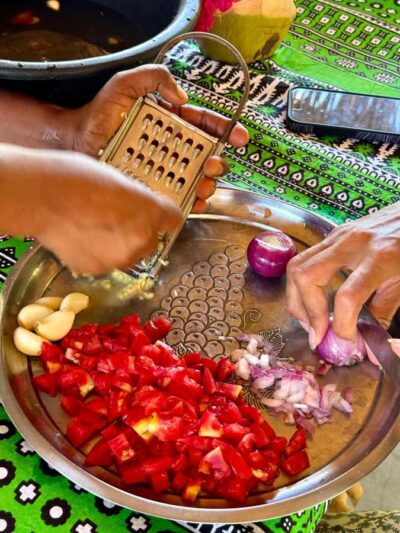
The cooking itself is hands-on. You’ll learn how to prepare Kenyan traditional dishes, with plenty of chances to help out and taste as you go. Space is limited, so the host will have a practical rhythm, but you shouldn’t feel like you’re just standing around. You’re part of the process.
If you’re the type of traveler who likes learning through doing, this is the sweet spot. You get both the “how” and the “why it matters” that you often miss in a quick restaurant meal.
What you’ll cook: the Kenyan comfort-food lineup
The menu is the main reason people book this class, because it’s not one dish and done. You’ll cover a lineup that gives you a broad sense of Kenyan everyday cooking.
Here are the dishes included in the experience:
- Kachumbari salad
- Sukuma Wiki
- Ugali
- Chapati
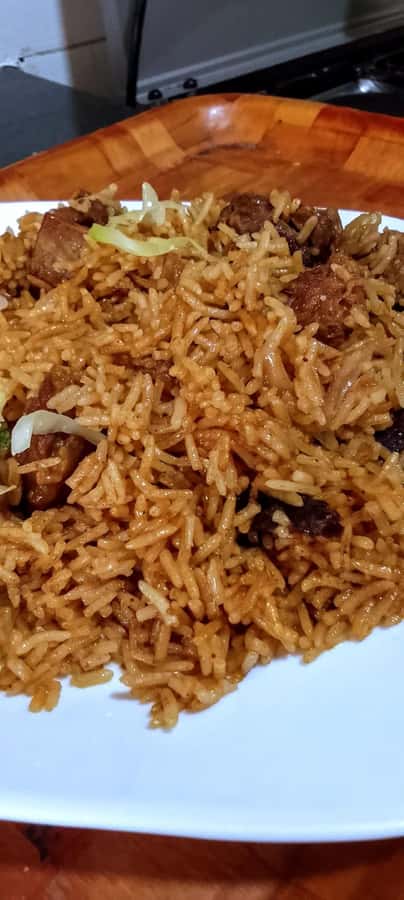
- Pilau
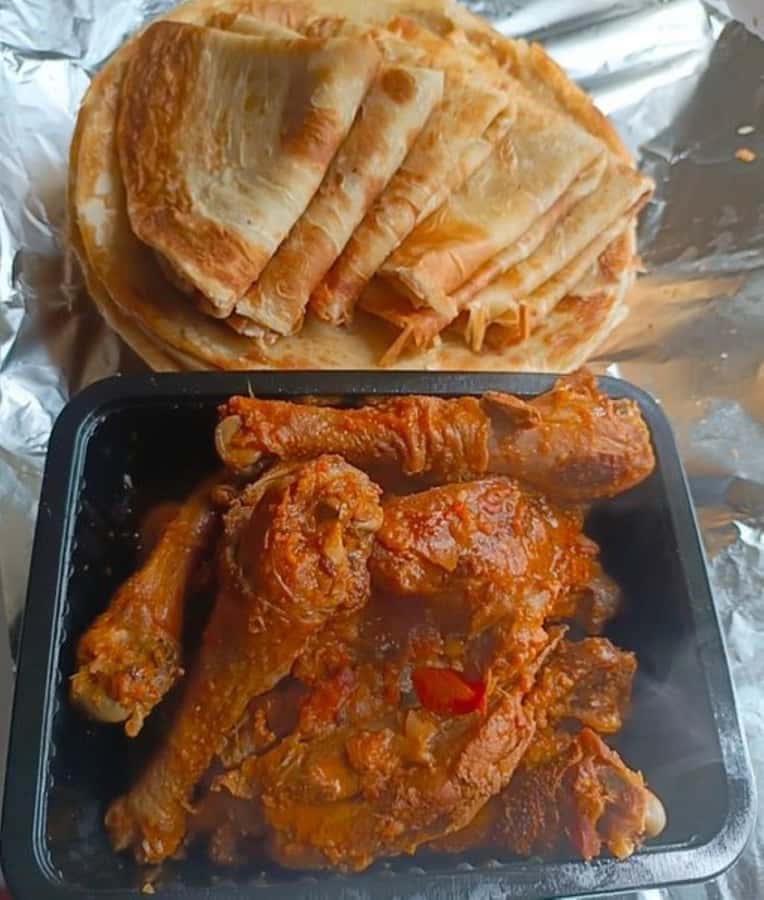
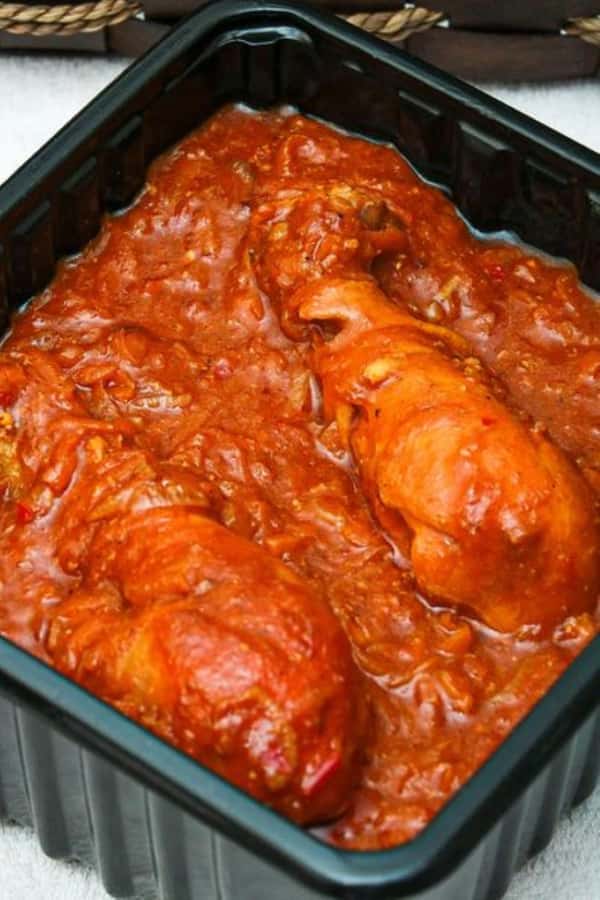
- Kienyeji chicken
The broader teaching plan also mentions additional staples such as mukimo and githeri, plus kuku kienyeji. Even if your exact final plate depends on timing and household flow, you can expect a mix that includes both vegetables and hearty staples, plus the chicken dish that many people associate with Kenyan home cooking.
What I think is valuable here is the variety. You’ll see how different dishes play different roles in a meal. You also learn how flavors and textures work together, not just as separate items but as a full lunch. And since you taste along the way, the cooking isn’t abstract.
One more practical note: the experience is not suitable for people with food allergies. That’s important because you’ll be cooking and sharing food in a home environment.
Other Nairobi bookings that survived the same scrutiny
- Half-Day Nairobi National Park and Maasai Market with Pick up
- Authentic Kenyan Cooking Class & Market Tour in Nairobi
- Nairobi: Hop on Hop off and Maasai market Collections Visit
- Explore local Market matatu ride & Make Kenyan Cuisines with a home cook
- Market Tour and Traditional Kenyan Cooking Class in Nairobi
Lunch you share: more than a meal, it’s part of the lesson
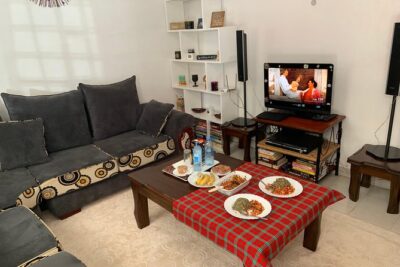
Lunch is included, and it follows the cooking. So you don’t just cook for a photo, then leave hungry. You sit down and eat in the home, with soda, water, and tea provided.
This is a big value point because meals are often the hidden cost in food experiences. Here, lunch is built into the program. It also keeps you in the same social rhythm as the cooking lesson, which means the conversation can continue naturally while you eat.
In a home setup, lunch also tends to feel slower and more comfortable. People described chatting with the host and her family, and that interaction is a core part of the day, not an extra. If you like asking questions, you’ll get plenty of real talk about daily life and food routines.
Transportation and timing: a smooth half day, not an all-day production
The total duration is 4 hours. That’s an ideal length for many visitors, because it fits into a Nairobi itinerary without swallowing an entire day.
Transportation is arranged for convenience, and transport to and from the market is included. That reduces the mental load. You don’t need to manage directions, wait times, or finding your way back after the market gets busy.
Also, the meeting point is fixed at K-MALL Komarocks parking lot. For travelers who don’t want to guess their way through Nairobi streets, that clarity is reassuring. You can plan your pickup or meeting without last-minute stress.
If you’re building a schedule, think of this as a compact cultural experience with a clear arc: market first, cooking second, lunch third. You’ll leave with both food knowledge and a stronger sense of what daily life looks like beyond the usual tourist stops.
Price and value: is $64 per person worth it?
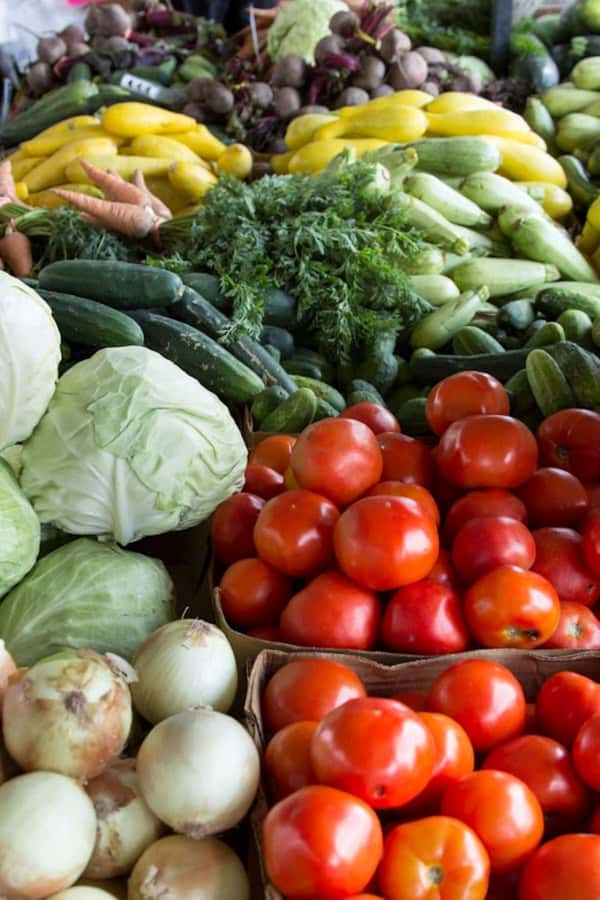
At $64 per person for 4 hours, this isn’t a budget-only activity, but it also isn’t priced like a big-ticket tour. The value comes from several combined pieces that are hard to replicate cheaply:
- Market shopping plus guided interaction, not just a cooking class.
- A hands-on cooking session in a private home, which is typically more personal than classroom setups.
- Lunch included, with drinks (tea, soda, and water).
- A host who guides you through both ingredients and the social side of Kenyan hospitality.
When you price out alternatives, cooking classes alone can cost a similar amount, and you still might end up paying extra for food. Here, you’re getting the meal as part of the program. You’re also paying for transportation to and from the market, which matters in a city where time is expensive.
Is it a bargain? If you compare to a simple street food snack stop, sure, it costs more. But if you want a real learning experience that ends with a shared lunch in a home, the price makes sense for a half-day program.
Who this Nairobi cooking class fits best
This is best for you if you:
- Want a market-to-table experience instead of just cooking in isolation.
- Enjoy learning through hands-on participation.
- Like conversation and the social side of travel, not only the food photos.
- Prefer a smaller, home-based setting rather than a large group venue.
It’s also a good match if you want to get away from noise and into daily life. The descriptions focus on quiet friendliness, chatting, and feeling welcomed into the home, which is exactly what many people look for when they’re tired of standard sightseeing.
Who should skip it:
- If you have food allergies, because it’s not suitable for that.
- If you’re very elderly, since it’s not suitable for people over 95 years.
- If you dislike active participation. The kitchen is hands-on, and even though space is limited, you’ll still be involved.
Kids under 10 get free entrance, which can be helpful for families. Just keep expectations realistic: it’s still a cooking and market flow, so comfort and attention matter.
Practical tips that make the day easier
A few small things will help you enjoy the experience more.
Bring:
- Comfortable shoes for market walking
- A camera if you want photos
- Comfortable clothes for a home and cooking activity
- Cash
Plan around the reality that it’s a home setting. You might get splashes, cooking smells, and quick cleanups. Comfortable clothes win.
Also, note what’s not allowed: weapons or sharp objects. It’s one of those standard safety rules, but it’s good to be aware.
If you’re thinking about drinks, alcohol isn’t included. Tea, soda, and water are included, and that’s what you should plan on during the session.
Should you book this Nairobi cooking class?
I’d book it if your idea of a great Nairobi day is simple: shop with care, cook with help, eat what you made, and talk with people who treat food like part of life, not just a product. The combination of local market interaction and the home cooking experience is what makes this stand out as a meaningful half day.
Skip it if you need a fully allergy-safe menu, or if you can’t manage a home kitchen with limited space and active participation. Also, if you want an all-day tour with lots of sightseeing stops, this is shorter and meal-focused by design.
If you want Nairobi beyond the usual routes, this is one of the more direct ways to do it. You’ll come away knowing how to prepare key Kenyan dishes, but you’ll also leave with stories, not just recipes.
FAQ
Where is the meeting point for the market tour?
The meeting point is the K-MALL Komarocks parking lot so you can proceed to the market.
What is included in the price?
The price includes local host services, transport to and from the market, cooking lessons, lunch, and beverages (soda, water, and tea).
What dishes will I learn to cook?
You’ll focus on Kenyan traditional dishes such as Kachumbari salad, Sukuma Wiki, Ugali, chapati, pilau, and kienyeji chicken. The lesson plan also mentions mukimo and githeri.
What should I bring with me?
Bring comfortable shoes, a camera, comfortable clothes, and cash.
Is the tour suitable for people with food allergies or for elderly travelers?
It is not suitable for people with food allergies. It is also not suitable for people over 95 years.
Can I cancel and get a refund?
Yes. Free cancellation is available up to 24 hours in advance for a full refund.
More Shopping Tours in Nairobi




More Tours in Nairobi






More Tour Reviews in Nairobi


Everything else we hold on Nairobi
- 7 Days Private 4 star lodges Safari by LandCruiser from Nairobi★ 5.0 · 3 reviews
- 5 Days/4 Nights Kenya Safari★ 4.5 · 3 reviews
- Safari Park Hotel Show & Dinner Experience In Nairobi Tour★ 3.6 · 3 reviews
- Day safari to Olpejeta Rhino conservancy★ 5.0 · 3 reviews
- 7 Days Breathtaking Kenya Wildlife Private Safari★ 5.0 · 3 reviews
- Overnight Amboseli National Park Safari from Nairobi★ 5.0 · 3 reviews
Cooking Classes, compared.
 ★ 5.0Traditional Kenyan Cooking Class & Local Market TourFrom $50129 reviews
 ★ 5.0Private Traditional Kenyan Cooking Class with Lunch in NairobiFrom $6010 reviews
 ★ 4.8Market Tour and Traditional Kenyan Cooking Class in NairobiFrom $556 reviews
 ★ 5.0Local Market Tour and Traditional Meal Cooking ClassFrom $644 reviews
 ★ 5.0Malindi : Kenyan Cooking Class with Campfire MealFrom $253 reviews
 ★ 5.0Private Kenyan Cooking Class in Nairobi with a LocalFrom $763 reviews
Appears in these lists