
REVIEW · COOKING CLASSES
Local Market Tour and Traditional Meal Cooking Class
Fresh market smells beat any souvenir. This Nairobi experience pairs a local market tour with a hands-on Kenyan cooking class so you learn the food culture, not just watch it from the sidelines. You’ll shop for real ingredients, then cook and sample a Kenyan traditional meal with a small group and a local guide.
The main thing to plan around is logistics at the home cooking stop. The apartment is on the 4th floor with stairs only, so stair-only access could be tough if mobility is limited.
In This Review
- Key Points You Should Know
- Westlands Meet-Up to Market Walk: The Flow That Makes It Feel Local
- Shopping at the Local Farmers Market: What You Learn Beyond the Shopping List
- Matatu Ride Like a Local (Optional), and Why It Fits the Food Theme
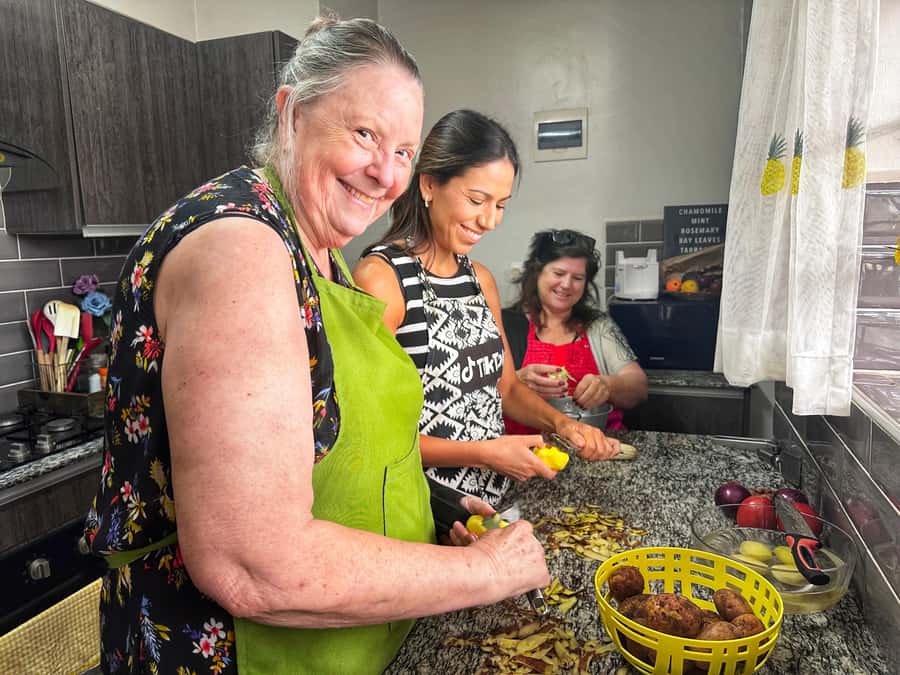
- Cooking in a Local Home: A Real Kitchen, Not a Demo Stage
- What You’ll Cook and Eat: Kenyan Traditional Meals That Work for Any Diet
- Guides, Conversation, and That Hands-On Warmth People Keep Mentioning
- Price and Time: Is $64 Good Value for This 3-Hour Format?
- Who This Tour Fits Best, and Who Should Rethink It
- Ending at Waiyaki Real Gardens: Relax, Then Get Back Easily
- Should You Book This Nairobi Market and Traditional Cooking Class?
- FAQ
- Where is the meeting point?
- What time does the experience start?
- How long does the tour last?
- What’s included in the price?
- Is hotel pickup or drop-off included?
- Can the meal be vegan or vegetarian?
- Is there WiFi and a washroom at the home?
- What should I bring and wear?
- Is the tour wheelchair accessible?
- Can I cancel for a refund?
- Is the experience suitable for animal allergies?
Key Points You Should Know
- Market walk for real ingredients you shop like a local and learn what matters in Kenyan cooking
- Hands-on cooking time you’re actively helping, not just standing by
- Matatu public transport option a classic Nairobi experience built into the day
- All-diet meal flexibility the class can fit vegan, vegetarian, pescatarian, and meat-eaters
- Small group of up to 6 so you get conversation and attention at the market and at home
- Clean washroom and WiFi on site practical comforts during a short, focused 3 hours
Other Nairobi bookings that survived the same scrutiny


Westlands Meet-Up to Market Walk: The Flow That Makes It Feel Local

This tour starts in Westlands Square, with the guide waiting at the entrance to the Java cafe. If you’re trying to feel how Nairobi actually works, this is a smart starting point, since Westlands is a real hub and not a tourist bubble.
From there, you head toward the market area, with a short transfer (about 10 minutes by coach, then more walking and shopping). The pacing is simple and human sized, which matters for a 3-hour experience, because you get time to eat and talk instead of rushing between stops.
One nice detail is that the day is designed around your senses. You’re not just told what to buy, you see, touch, and ask questions while you’re shopping. That turns ingredients into a story you can remember when you’re back home planning your own Kenyan-style meals.
Shopping at the Local Farmers Market: What You Learn Beyond the Shopping List
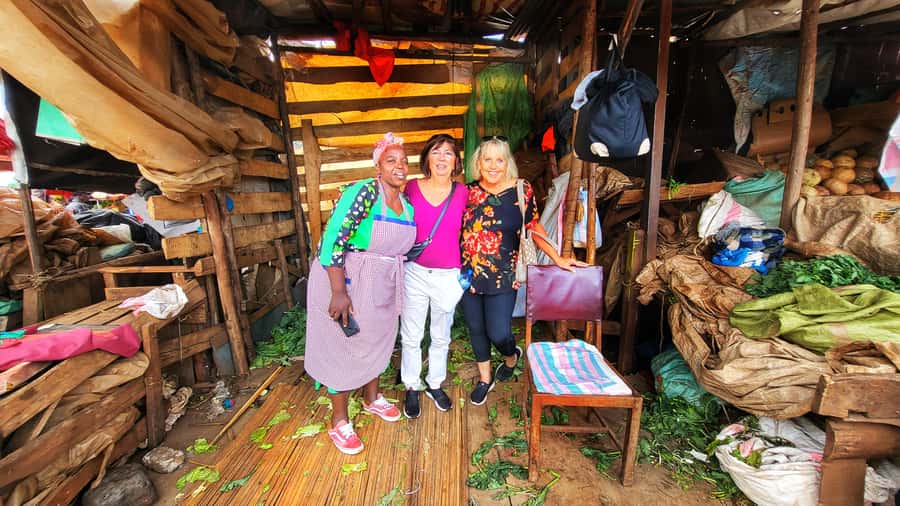
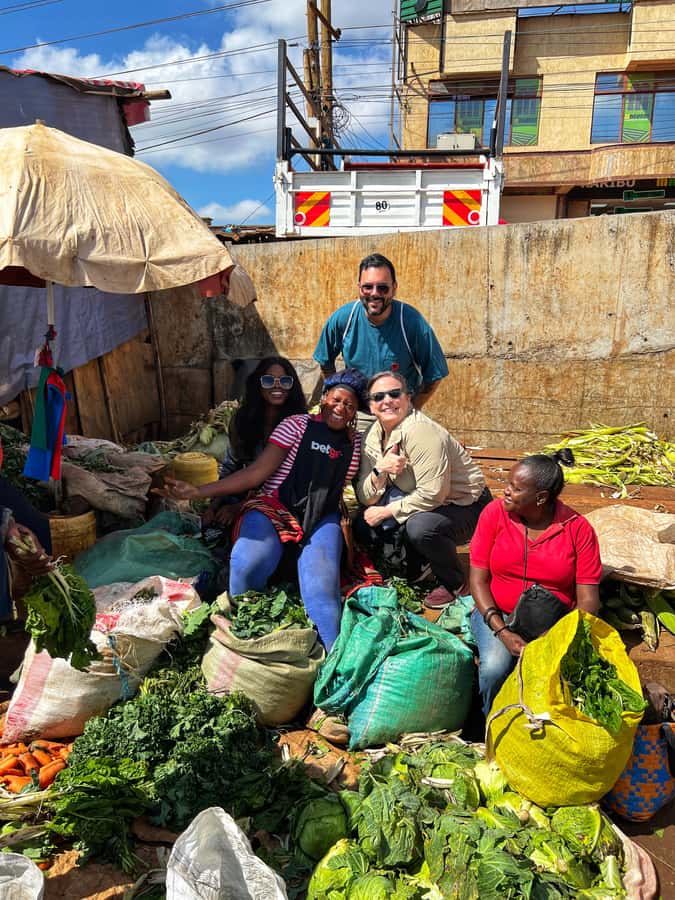
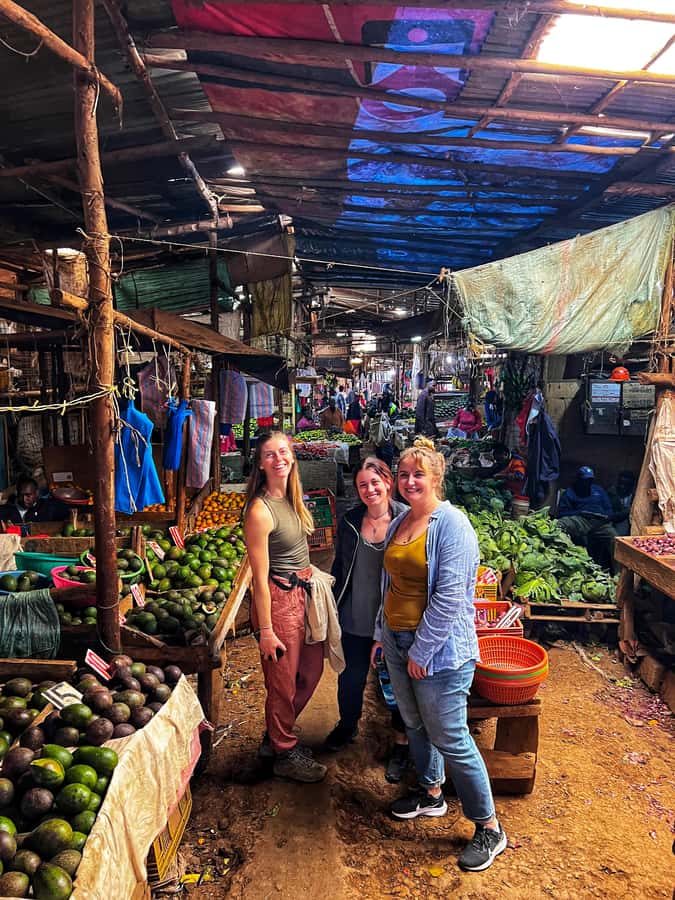
The heart of the experience is the walk through an African fresh market where you shop for groceries with your guide. You’ll do the kind of ingredient gathering locals do every week, and you’ll hear how different foods are used in Kenyan cooking.
What I like about this part is that it teaches decision-making. Markets reward curiosity, and your guide can help you understand why certain items show up in particular dishes or how freshness affects flavor. It’s also where you’ll pick up small cultural cues, like how people talk, bargain, and organize their shopping.
A bonus here is the feeling of community. You’re not performing a checklist. You’re watching normal life, then carrying those ingredients into the next step, cooking them with your hands.
If you have dietary needs, this market time is still useful. You’re learning what ingredients look like in real settings, and that makes it easier to understand substitutions later if you eat vegetarian, vegan, or pescatarian.
Matatu Ride Like a Local (Optional), and Why It Fits the Food Theme
You may also get the chance to ride a matatu, which is Nairobi’s shared public transport. The tour includes it as an optional public transport experience, so it’s there if you want the full local flavor, not forced on you.
Why it works with a cooking class: transportation is part of the food story here. You’re moving through everyday neighborhoods to reach the market and then returning to cook at home. Even the simple act of getting around becomes a lesson, not an awkward transfer.
Practical tip: keep your phone secure and your expectations realistic. Matatus are lively, and traffic can affect timing, which is why the next leg to the home is described as depending on traffic.
Cooking in a Local Home: A Real Kitchen, Not a Demo Stage
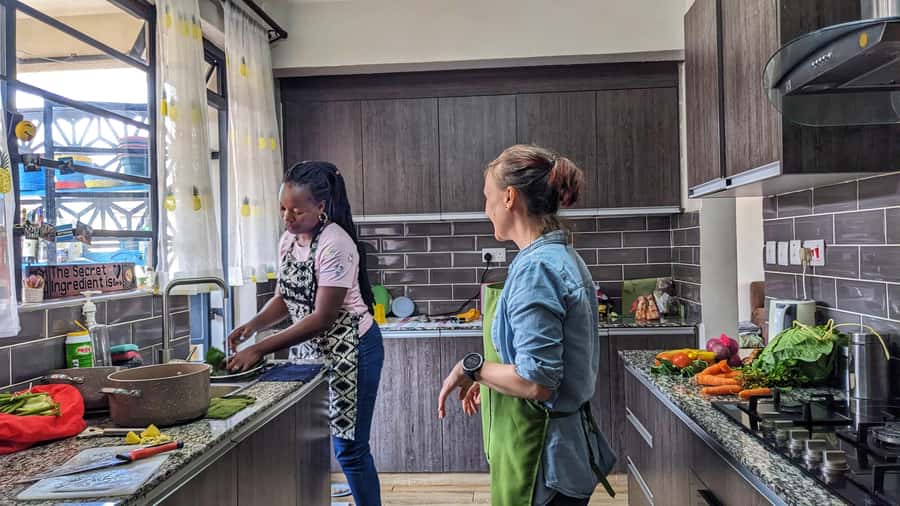
After the market, the group heads to the guide’s home, roughly 10 minutes away from the market, depending on traffic. This is where the experience becomes personal, because you stop observing and start doing.
You’ll arrive to a home setting with some basics that make the experience comfortable: WiFi and a clean washroom are provided. The space is an apartment on the 4th floor with a nice view, but there are only stairs and no lifts, so plan for that when you’re packing and dressing.
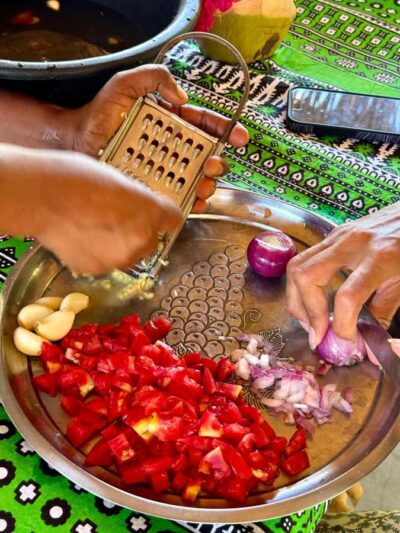
The cooking segment starts with a short reset and refreshments, then you begin the cooking together. This is where the tour is very different from a restaurant cooking class, because you’re part of the process, not just watching someone else work.
Small group size also matters here. With a limit of 6 participants, you get enough room to participate, ask questions, and actually learn steps instead of simply following along.
Other Nairobi bookings that survived the same scrutiny
What You’ll Cook and Eat: Kenyan Traditional Meals That Work for Any Diet
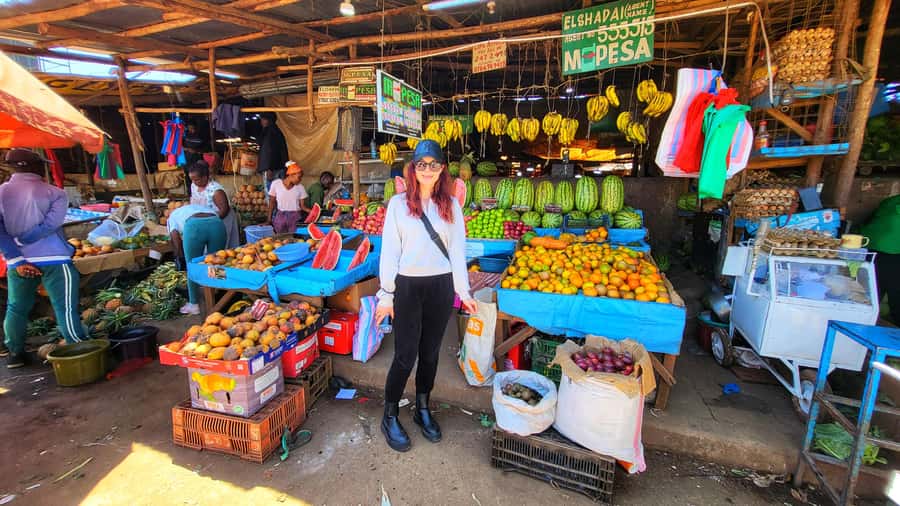
The class focuses on Kenyan traditional and national meals, made from fresh and organic local ingredients. You’ll cook together, then you’ll eat and sample the food you helped make, which is where the lessons really stick.
The diet flexibility is a key selling point. The tour states that the meals fit pescatarian, vegan, vegetarian, and meat-eaters. That means you’re not left with a token side dish if your eating style is plant-based or seafood-based. You should still communicate your needs ahead of time, but the structure is designed to handle different preferences.
Another subtle benefit is that you learn how Kenyan dishes are built, not just what they taste like. Even without specific dish names in the details, the market-to-cooking connection helps you understand ingredient logic. That’s the kind of knowledge you can use later when you cook again.
For anyone who wants to understand food culture, sampling is the right way to do it. You get to taste what you cooked, then ask about flavors and techniques while the memory is fresh.
Guides, Conversation, and That Hands-On Warmth People Keep Mentioning
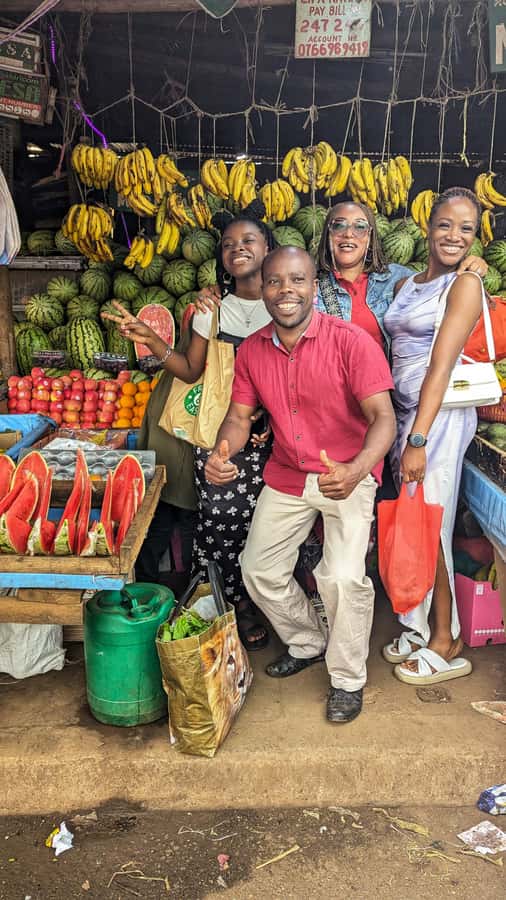
The tour is led by a live guide in English and Swahili, and the group stays small. That combination matters because food isn’t only ingredients and steps, it’s stories, habits, and practical tips.
In the feedback, a theme stands out: the hosting is professional and focused on keeping things smooth. Mentions like security and careful preparation, plus calm guidance in both cooking and presenting food, point to a structured experience where you’re comfortable enough to learn.
You’ll also get the chance to talk about Nairobi life. One of the most memorable parts is the real conversation that comes naturally when you’re walking a market and then working side-by-side in a kitchen. It’s the difference between a food lesson and a lived-in experience.
You can expect a friendly tone and an emphasis on doing. The tour repeatedly frames the goal as getting your hands dirty, and that’s exactly what makes cooking classes worth it.
Price and Time: Is $64 Good Value for This 3-Hour Format?
At $64 per person for about 3 hours, this tour is priced like a serious cultural experience, not a quick bite-and-bounce activity. The value comes from four things you get in one block: the market tour, a chance to ride a matatu (optional but included), the hands-on cooking class, and sampling a Kenyan traditional meal.
If you were to do these separately, market tours plus a cooking session with meal service can add up fast. Here, the planning is already done, and you get the same guide to connect the dots between ingredients, techniques, and taste.
The short duration is also a plus. Nairobi is busy, and a 3-hour window helps you fit this around sightseeing and rest. You still get enough time to shop, cook, and eat, but you avoid a half-day that steals your energy.
My advice is to treat it as a “food focus” block. If you want a pure sightseeing tour, this isn’t that. But if you want authentic Kenyan food culture in one concentrated session, the time and price line up well.
Who This Tour Fits Best, and Who Should Rethink It
This is a great fit if you:
- Want a market-to-table experience in Nairobi
- Prefer hands-on learning over food theatre
- Like conversation and cultural context as part of travel
- Need a class that can handle vegan, vegetarian, pescatarian, and meat-eater preferences
- Enjoy public transport experiences like the matatu ride (optional)
It may not be ideal if you:
- Have animal allergies, since the activity is listed as not suitable for people with animal allergies
- Need step-free access. The home is on the 4th floor with stairs only and no lifts
Also, plan your clothing accordingly. You’ll be asked to dress decently, ideally trousers or a long skirt, and skip crop tops or shorts. Wear closed, flat, comfortable shoes, since you’ll do market walking and kitchen work.
Finally, note the simple rule: nudity isn’t allowed.
Ending at Waiyaki Real Gardens: Relax, Then Get Back Easily
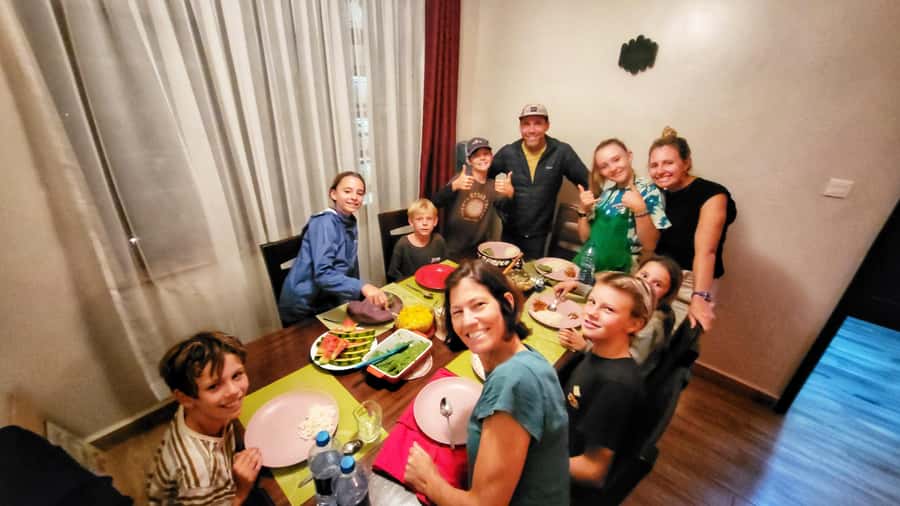
After the cooking and meal, the tour wraps up so you can relax a bit. When you’re ready, you can get a taxi from the home, and the guide can help request an Uber at your own cost back to your hotel.
This is a helpful finishing rhythm. You’re not rushed out right after eating, and you get a clear path to return without stress.
One more practical note: the apartment is described as having a view, but you should still plan for stairs on the way in and out. It’s part of the experience setup.
Should You Book This Nairobi Market and Traditional Cooking Class?
Yes, if your goal is to learn Kenyan food culture in a way that feels real. This tour scores high on hands-on participation, a guided market walk for ingredients that make sense in context, and a meal you actually help prepare and sample. The small group size and the focus on diet flexibility make it feel welcoming across different eating styles.
I would skip it only if stairs are a dealbreaker for you or if animal allergies make the setting unsafe. If neither applies, it’s a smart way to spend a few hours in Nairobi while you eat something you’ll remember, and you’ll understand why it tastes the way it does.
FAQ
Where is the meeting point?
You meet at Westlands Square, at the mall entrance where there is a cafe called Java.
What time does the experience start?
The tour starts at 11:30am or 5pm, depending on availability.
How long does the tour last?
The experience lasts 3 hours.
What’s included in the price?
Included activities are the local farmers market tour, an optional matatu ride for the public transport experience, a hands-on cooking class, and sampling Kenyan traditional meals.
Is hotel pickup or drop-off included?
No, hotel pickup and drop-off are not included.
Can the meal be vegan or vegetarian?
Yes. The meals are described as fitting pescatarian, vegan, vegetarian, and meat-eaters.
Is there WiFi and a washroom at the home?
Yes. Amenities include WiFi and a clean washroom.
What should I bring and wear?
Bring comfortable shoes and comfortable clothes. You may also want a light jacket and, during the rain season, an umbrella or rain coat. Dress decently, preferably a trouser or long skirt, and avoid crop tops or shorts.
Is the tour wheelchair accessible?
It is listed as wheelchair accessible, but the home has no lift and only stairs. That means access could still be limited depending on your mobility needs.
Can I cancel for a refund?
Yes. Cancel up to 24 hours in advance for a full refund.
Is the experience suitable for animal allergies?
No. It is listed as not suitable for people with animal allergies.
More Shopping Tours in Nairobi



More Tours in Nairobi






More Tour Reviews in Nairobi


Everything else we hold on Nairobi
- 7 Days Private 4 star lodges Safari by LandCruiser from Nairobi★ 5.0 · 3 reviews
- 5 Days/4 Nights Kenya Safari★ 4.5 · 3 reviews
- Safari Park Hotel Show & Dinner Experience In Nairobi Tour★ 3.6 · 3 reviews
- Day safari to Olpejeta Rhino conservancy★ 5.0 · 3 reviews
- 7 Days Breathtaking Kenya Wildlife Private Safari★ 5.0 · 3 reviews
- Overnight Amboseli National Park Safari from Nairobi★ 5.0 · 3 reviews
Cooking Classes, compared.
 ★ 5.0Traditional Kenyan Cooking Class & Local Market TourFrom $50129 reviews
 ★ 5.0Authentic Kenyan Cooking Class & Market Tour in NairobiFrom $6412 reviews
 ★ 5.0Private Traditional Kenyan Cooking Class with Lunch in NairobiFrom $6010 reviews
 ★ 4.8Market Tour and Traditional Kenyan Cooking Class in NairobiFrom $556 reviews
 ★ 5.0Malindi : Kenyan Cooking Class with Campfire MealFrom $253 reviews
 ★ 5.0Private Kenyan Cooking Class in Nairobi with a LocalFrom $763 reviews
Appears in these lists