
REVIEW · COOKING CLASSES
Market Tour and Traditional Kenyan Cooking Class in Nairobi
Your dinner starts before the stove. This Nairobi experience pairs a market walk with a home-cooking lesson, so you see the ingredients first and then learn how they turn into classic Kenyan plates like ugali and chapati. I like that the session is built around real everyday food, not just a staged performance.
You also get one-to-one style guidance in a private group, with English and Swahili support from your host, Evaline Mbugua. One heads-up: because the home kitchen is tight, the host does most of the cooking, so your hands-on time can feel more like helping and learning than fully running the show.
In This Review
- Key Things I’d Watch For
- From K Mall Komarock to the Market: how this 4-hour plan flows
- Nairobi market shopping: picking ingredients like a home cook
- The home kitchen lesson: ugali, chapati, pilau, and curry flavors
- Hands-on time vs. host-led cooking in a small space
- What you eat: a full home meal with drinks and fruit
- Price and value: is $55 fair for Nairobi?
- Who should book this cooking and market class?
- Should you book this Nairobi cooking class?
- FAQ
- Where is the meeting point?
- How long is the experience?
- Is this a private tour?
- What languages are spoken?
- What will we cook?
- What’s included in the price?
- Are Uber rides included?
- Do I need to know the exact start time?
- Is there free cancellation?
Key Things I’d Watch For

- Market-first shopping means you learn ingredients before you cook them.
- Ugali and chapati lessons put Kenya’s comfort food at the center of the experience.
- Private session format gives you more attention than a large class.
- Host-led cooking may limit how much you personally cook at once.
- Kenyan and Indian-influenced flavors show up through curries and spice use.
Other Nairobi bookings that survived the same scrutiny


From K Mall Komarock to the Market: how this 4-hour plan flows
The day starts at the K Mall Komarock parking lot, where you meet up and head out together. From there, the main focus is simple: you go to the market to buy the supplies, then you return to the host’s home to cook and eat.
This matters because Nairobi food culture is mostly about decisions made in the market, then executed at home. You get to see that link. It also keeps the timeline tight and practical, since the whole experience runs about 4 hours from start to finish.
Since the session includes transport to and from the market, you are not relying on hailing a ride for the key move. Still, if you are coming from farther away, you might want to plan how you will reach K Mall Komarock in the first place, since Uber fees are not included.
Nairobi market shopping: picking ingredients like a home cook
The market part is where you start understanding what Kenyan home cooking actually depends on. You’re meant to buy fresh local ingredients for your meal, which is a big deal for flavor and texture. Even if you’ve cooked before, seeing how ingredients are selected in a local market changes how you think about cooking.
This stop also helps you learn basic context quickly. You’ll get familiar with common staples used for Kenyan dishes, and you’ll likely notice how spices, grains, and vegetables are treated as everyday essentials rather than special-occasion ingredients.
If you enjoy food markets and want your cooking lesson to feel grounded, this is one of the strongest parts of the experience. If you are expecting a long wandering tour with lots of sightseeing, you may find this portion more focused and time-efficient.
Practical tip: wear comfortable shoes. Markets can mean uneven ground and lots of close movement, and you will be standing and walking before you sit down to eat.
The home kitchen lesson: ugali, chapati, pilau, and curry flavors
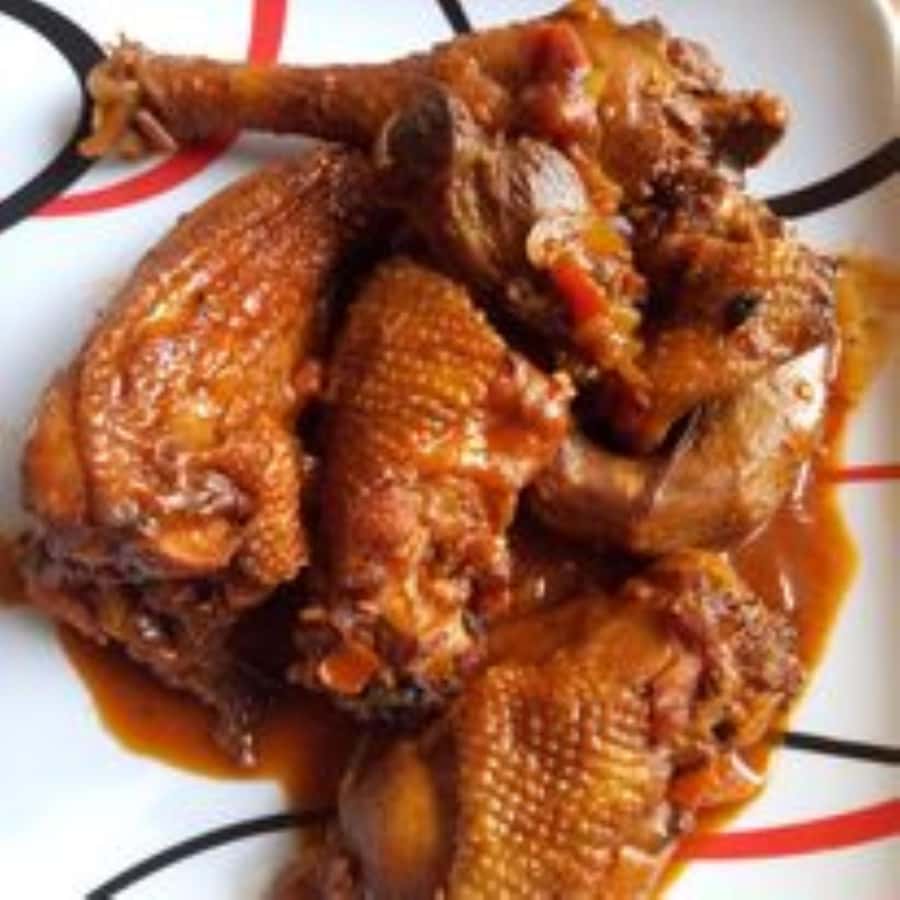
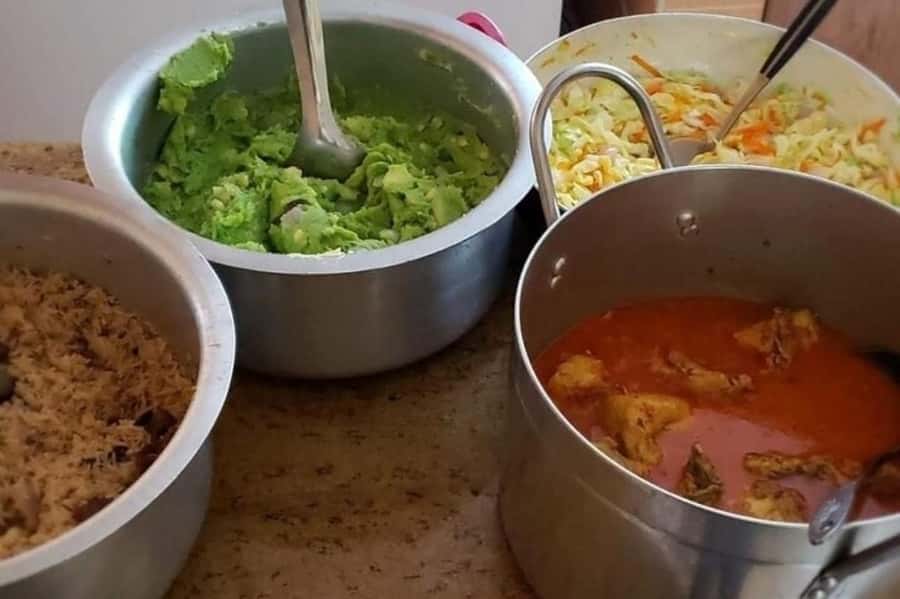
Once you get back to the host’s home, the cooking lesson starts from scratch. You’ll learn and help as the meal comes together, guided by your host. The dishes highlighted include ugali (cornmeal), chapati, and meals with Kenyan and Indian influences, including curries and pilau.
That mix is worth paying attention to. Kenya’s food culture reflects layers of contact and local adaptation. When you taste curries alongside chapati and ugali, you see how spice and starch work together in many home meals, not just in restaurants.
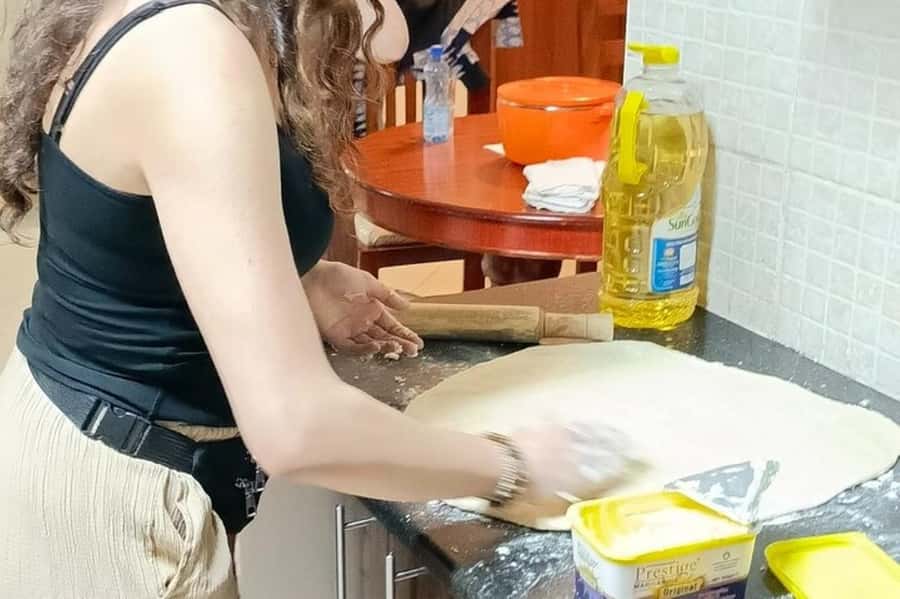
Chapati is the star for a lot of people because it looks simple but demands practice. In a home setting, the lesson focus makes more sense: you learn how to handle the dough and how texture changes with method. The ugali lesson is different. It’s less about shaping and more about getting the right consistency, so you learn how cornmeal thickens and how to judge when it’s ready.
If you like cooking lessons where you actually understand the why, pay close attention to the small steps. The difference between good and great usually comes down to timing, heat control, and how the ingredients behave once they meet.
Hands-on time vs. host-led cooking in a small space
Here’s the key detail to plan around: due to space constraints, the host will do most of the cooking. You still get to help, but the kitchen setup can mean you are assisting more than driving every step.
This is not automatically a bad thing. In a compact kitchen, it can actually mean better results. You’re learning the process while a skilled cook manages the parts that need fast, precise movement. You can ask questions, follow along, and handle the tasks you can do safely and confidently.
Still, if your dream class is one where you personally cook every element start to finish, you might want to set expectations now. Think of it like a guided lesson with hands-on moments, rather than a full workshop where you take complete control of the stove.
Other Nairobi bookings that survived the same scrutiny
- Half-Day Nairobi National Park and Maasai Market with Pick up
- Authentic Kenyan Cooking Class & Market Tour in Nairobi
- Nairobi: Hop on Hop off and Maasai market Collections Visit
- Explore local Market matatu ride & Make Kenyan Cuisines with a home cook
- Market Tour and Traditional Kenyan Cooking Class in Nairobi
What you eat: a full home meal with drinks and fruit
At the end, you eat what you helped create. The included meal is built around the dishes you cook, with food, soda, fruits, and water included.
This is a good value setup. Many cooking classes teach skills but leave you hungry or only serve small portions. Here, you get a proper meal and the drinks that go with it, so you can treat this as a half-day food experience instead of just a demo.
Also, eating in a home setting changes the pacing. There’s less performance energy and more normal-meal comfort. You’ll likely get conversational time as well, which can be just as enjoyable as the cooking itself, especially if you want to compare notes about your own life back home.
Price and value: is $55 fair for Nairobi?
At $55 per person for about 4 hours, this lands in the mid-range for Nairobi food experiences, and the value comes from three practical things.
First, it includes the market ingredient sourcing and the meal outcome. You are not paying only for a recipe booklet, you are paying for fresh shopping, cooking instruction, and the actual food to eat.
Second, you get a private-group experience. Private sessions usually cost more than group classes, but here you’re paying for attention, conversation, and a smoother flow than a crowded room.
Third, the package includes transport to and from the market, plus water and soda. Even if you plan to use Uber for your own transit to the meeting point, you are not stacking extra local transport costs onto the meal part.
If you want a cooking class mainly to take photos, you might feel the price is harder to justify. If your goal is to learn real dishes and eat well in the same sitting, it tends to feel like a fair deal.
Who should book this cooking and market class?
This is a strong match if you:
- Want a market-to-home experience, where ingredients come from a local buying trip.
- Are interested in Kenyan classics like ugali plus bread skills like chapati.
- Prefer a private session with English and Swahili support.
- Like comfort-food meals with Kenyan and Indian-influenced flavors, including curries and pilau.
You might skip it if:
- You specifically want a large, talkative group class with lots of people moving through stations.
- You expect to do the majority of cooking yourself from start to finish.
- You want a sightseeing-heavy program rather than a food-centered half day.
Should you book this Nairobi cooking class?
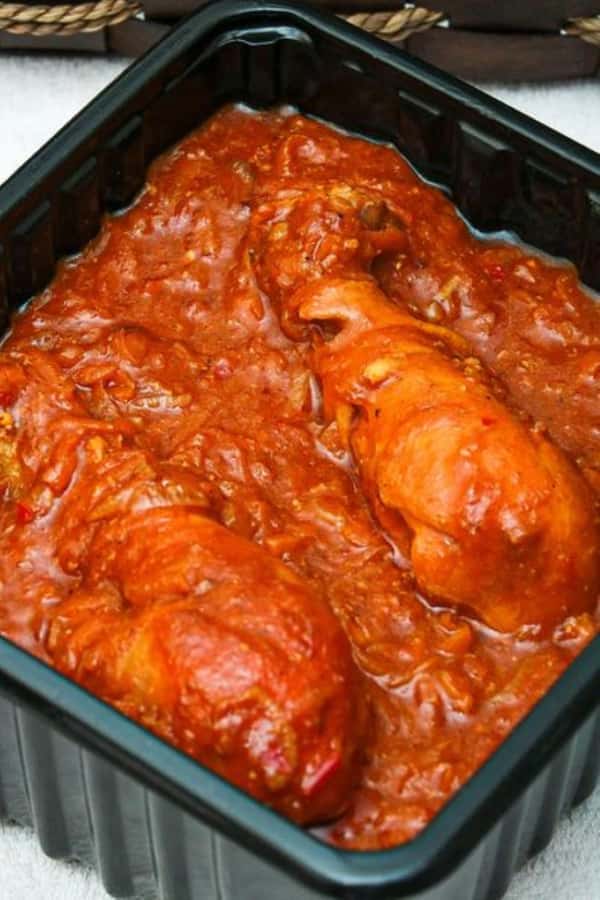
If you care about eating real Kenyan food and you like learning by doing, I think this is an easy yes. The market stop gives the lesson credibility, and the home-cooked meal makes it feel like you actually participated, not just watched.
The only reason not to book is expectation mismatch. Because the kitchen is small, the host does most of the cooking. If you come hungry to fully run the process yourself, you may feel limited. If you come to learn, taste, ask questions, and enjoy a proper meal, this format fits well.
FAQ
Where is the meeting point?
You meet at the K Mall Komarock parking lot, then you go to the market together.
How long is the experience?
The total duration is 4 hours.
Is this a private tour?
Yes, it’s a private group session for just your party.
What languages are spoken?
The live guide is available in English and Swahili.
What will we cook?
You will learn and help prepare Kenyan dishes such as ugali (cornmeal), chapati, and meals with curry flavors, including pilau.
What’s included in the price?
Food, soda, fruits, water, and transport to and from the market are included.
Are Uber rides included?
Uber fees are not included.
Do I need to know the exact start time?
The experience lasts 4 hours, and you should check availability to see starting times.
Is there free cancellation?
Yes. You can cancel up to 24 hours in advance for a full refund.
More Shopping Tours in Nairobi





More Tours in Nairobi






More Tour Reviews in Nairobi


Everything else we hold on Nairobi
- 7 Days Private 4 star lodges Safari by LandCruiser from Nairobi★ 5.0 · 3 reviews
- 5 Days/4 Nights Kenya Safari★ 4.5 · 3 reviews
- Safari Park Hotel Show & Dinner Experience In Nairobi Tour★ 3.6 · 3 reviews
- Day safari to Olpejeta Rhino conservancy★ 5.0 · 3 reviews
- 7 Days Breathtaking Kenya Wildlife Private Safari★ 5.0 · 3 reviews
- Overnight Amboseli National Park Safari from Nairobi★ 5.0 · 3 reviews
Cooking Classes, compared.
 ★ 5.0Traditional Kenyan Cooking Class & Local Market TourFrom $50129 reviews
 ★ 5.0Authentic Kenyan Cooking Class & Market Tour in NairobiFrom $6412 reviews
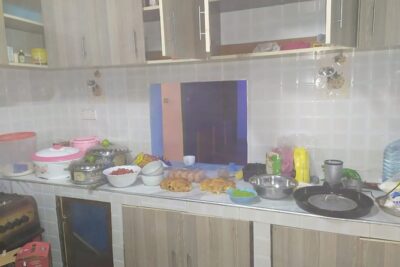 ★ 5.0Private Traditional Kenyan Cooking Class with Lunch in NairobiFrom $6010 reviews
 ★ 5.0Local Market Tour and Traditional Meal Cooking ClassFrom $644 reviews
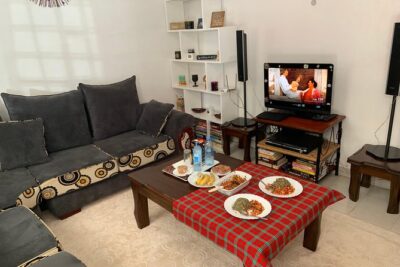 ★ 5.0Private Kenyan Cooking Class in Nairobi with a LocalFrom $763 reviews
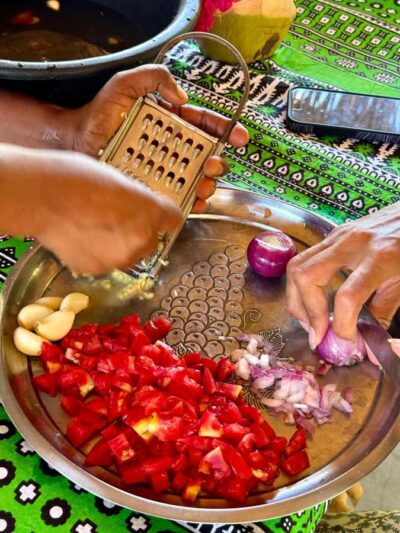 ★ 5.0Malindi : Kenyan Cooking Class with Campfire MealFrom $253 reviews
Appears in these lists