
REVIEW · COOKING CLASSES
Private Kenyan Cooking Class in Nairobi with a Local
Ugali is comfort food with a story. In Nairobi, this private class with Grace turns your lunch plans into a real home-cooking experience, where you learn a traditional Kenyan menu and hear the family tales behind it. I love the warm welcome and the way Grace explains what she is doing as she goes, and I also love how the focus lands on mukimo and ugali, not just vague sampling.
The only thing to consider is the kitchen size. Grace’s space is very small, so much of the cooking is a demonstration, with you helping when it’s possible and practical.
In This Review
- Key Points You Should Know Before You Go
- Planning Your 11:00 am Cooking Workshop in Nairobi
- Grace’s Small Kitchen: What You’ll Really Do (and Watch)
- The Kenyan Menu You’ll Learn: Mukimo, Ugali, Pilau, and Vegetables
- Mukimo: Mashed Potatoes and Greens
- Ugali: Mashed Corn Flour Mixed with Water
- Pilau: Spiced Rice With Kenyan Flavor
- Local Vegetables as a Side Dish
- How the Cooking Demo Turns Into a Real Meal
- Grace’s Stories, Including a Grandmother’s Mukimo
- Price and Value: What $76 Buys in a Nairobi Home
- Who This Cooking Class Suits Best (and Who Might Hesitate)
- Small Logistics That Matter on Cooking Days
- Should You Book Grace’s Private Kenyan Cooking Class in Nairobi?
- FAQ
- What Kenyan dishes will I learn to make?
- Is this experience fully hands-on?
- How long is the class?
- Where does it take place, and does it end where I start?
- Is this a private experience?
- Can I cancel for a full refund?
Key Points You Should Know Before You Go
- Private, local-home setting: Only your group participates, so questions are easy and you can set a comfortable pace.
- Real Kenyan dishes from scratch: You’ll focus on mukimo, ugali, pilau (spiced rice), plus local vegetables.
- More demo than full hands-on: Expect watching and learning, with help when the kitchen allows.
- Family stories as part of the meal: Grace shares stories about her grandmother making mukimo over 100 years ago.
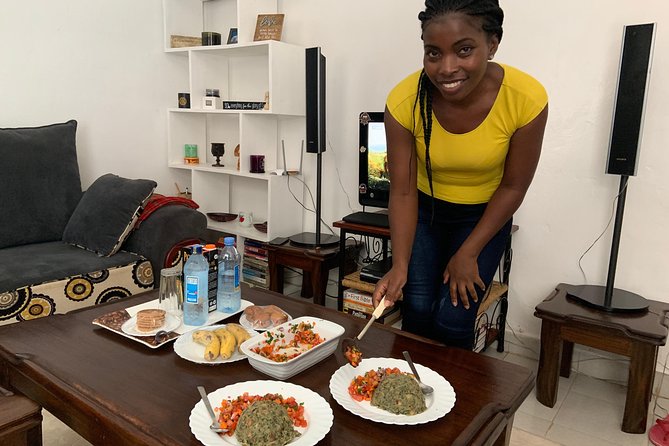
- You eat what you cook: The class ends with a shared home-cooked meal, so nothing feels like a snack demo.
Other Nairobi bookings that survived the same scrutiny




Planning Your 11:00 am Cooking Workshop in Nairobi
This experience runs about 3 hours, starting at 11:00 am in Nairobi, and it ends back at the meeting point. That timing is handy if you want a cultural activity that still leaves you time for evening plans in the city. It’s also booked fairly far ahead on average, about 18 days in advance, so if your dates are fixed, it’s smart to lock it in early.
Because it’s a private activity, you won’t be squeezed into someone else’s group rhythm. You’ll go with your own small party, and that matters for a food lesson, since cooking questions often come up mid-step: Why this texture? Why that order? How does the seasoning behave?
Transportation is described as near public transportation, so you should be able to plan your arrival without needing a complicated transfer. And if you travel with a service animal, service animals are allowed.
Grace’s Small Kitchen: What You’ll Really Do (and Watch)
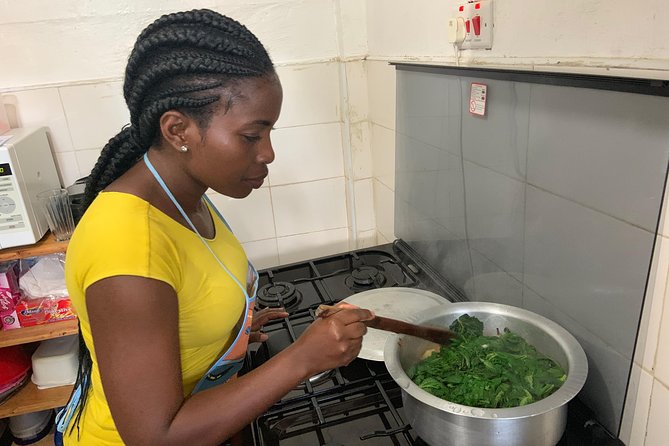
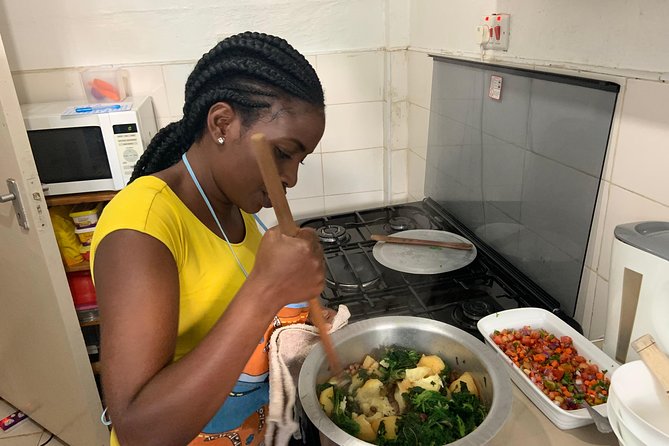
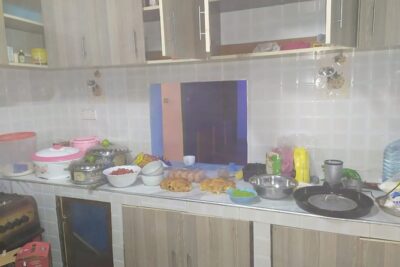
Here’s the truthful setup: Grace’s kitchen is modest and compact. That means this is more of a cooking demonstration than a fully hands-on class in the way you might imagine from big studio kitchens.
In practice, that still can be great. You’ll see how mukimo, ugali, and pilau come together step by step, and Grace will have you help whenever possible. So you get the best of both worlds: you learn the method by watching closely, and you also get chances to participate, ask questions, and understand the texture and timing you’re aiming for.
If you are the type who learns best by doing, you may need to adjust your expectations. But if you want to understand the logic of Kenyan home cooking and then recreate it later, this format is actually ideal. You’ll pay attention to what the cook is doing, taste and observe results, and get guidance you can use at your own stove.
The Kenyan Menu You’ll Learn: Mukimo, Ugali, Pilau, and Vegetables
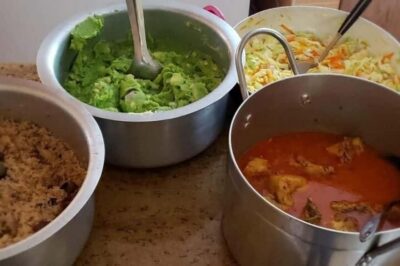
The menu is the star, and it’s also built for recreating at home. You’ll focus on a traditional set of dishes that show the range of Kenyan comfort food, from starchy staples to spiced rice and vegetable sides.
Mukimo: Mashed Potatoes and Greens
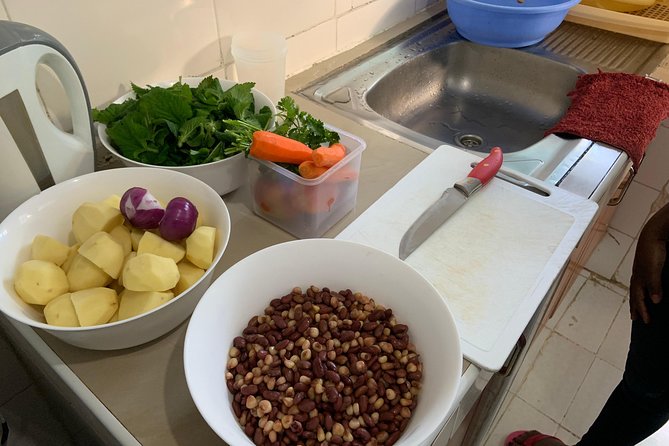
Mukimo is one of those dishes that sounds simple until you make it and realize texture is everything. In this experience, Grace teaches you how to make mukimo from the core idea: mashed potatoes combined with greens. She also shares variations you can make later, including options that use pantry ingredients.
What to listen for while you cook: how the greens are treated so they blend well, and how the final mash should feel. The goal is not watery, not stiff, but cohesive. That balance is usually where most home cooks miss it, and seeing the method live helps you correct quickly.
Other Nairobi bookings that survived the same scrutiny
Ugali: Mashed Corn Flour Mixed with Water
Ugali is Kenya’s go-to staple, and it’s a practical lesson because it teaches you one of the most important kitchen skills: controlling thickness by adjusting water and mixing until the texture changes.
Grace will show you how ugali is built from corn flour and water, then guide you through the feel of it. This is especially useful if you are intimidated by starch-based staples. Ugali is forgiving if you pay attention to the consistency as it thickens.
Pilau: Spiced Rice With Kenyan Flavor
You’ll also cook spiced rice, described as pilau in the experience. Pilau is about layering flavor through spice, and the big win of learning it here is context. You’re not just dumping seasoning into rice and hoping for the best. You’ll see how the dish is approached, which is exactly what you need to recreate it without copying someone else’s kitchen.
If you like meals that smell good the moment you start cooking, pilau is that meal.
Local Vegetables as a Side Dish
Vegetables here are not an afterthought. You’ll learn how local vegetables fit into the menu. Even better, the food is described as tasty, and one of the highlights people keep coming back to is how flavorful the vegetables turn out, including how simple seasoning can still taste complete.
You might notice that Kenyan home cooking often relies on smart seasoning rather than complicated steps. That’s great news if you cook at home and want flavor without turning dinner into a project.
How the Cooking Demo Turns Into a Real Meal
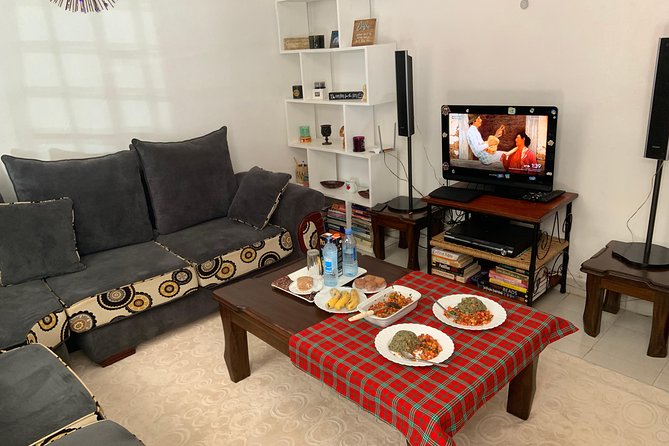
The day is structured around an authentic cooking demonstration. The experience information specifically points to a one-hour Kenyan cooking demonstration, which covers the key dishes: mukimo, ugali, pilau, and local vegetables. Then you shift into eating together.
That transition is important for two reasons.
First, it lets you taste what you just learned and understand the difference between raw method and finished result. You also get to adjust your understanding on the spot. If your mash seems off, you can ask a question and connect it to texture or ingredient timing.
Second, sharing the meal is part of the cultural exchange. This isn’t food talk from the sidelines. You sit down and eat what Grace prepared with you and her guidance. That makes the whole lesson stick in your memory, because you’re not only watching, you’re experiencing.
Grace’s Stories, Including a Grandmother’s Mukimo
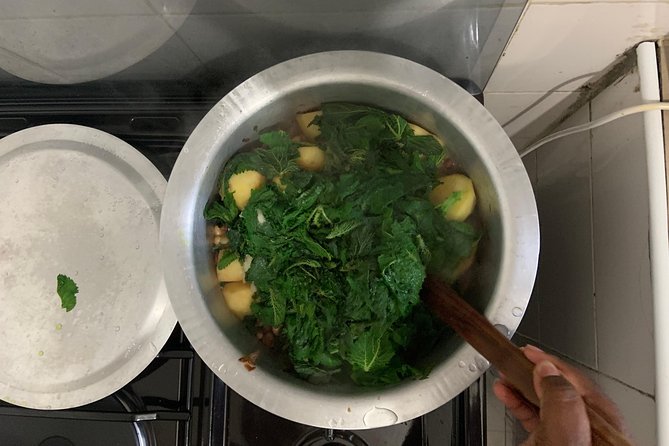
Food lessons become special when the cook shares meaning, not just instructions. Grace’s stories are a key part of this experience, especially her grandmother’s history with mukimo.
Grace shares that her grandmother, who is over 100 years old, made mukimo for the family and has multiple variations of how it can be prepared. That detail does more than sound charming. It connects the dish to long-term practice, and it explains why the method matters. It also hints at what you should take home: not just a recipe, but a way of thinking.
You’ll also hear guidance tied to real pantry options. The idea is that once you learn the underlying logic, you can adapt it at home with what you can realistically find. That turns your Nairobi meal into a repeatable cooking skill, not a one-off memory.
Price and Value: What $76 Buys in a Nairobi Home

At $76 per person for about 3 hours, this isn’t a budget snack. You are paying for three things that are hard to replicate on your own:
- A private, local-home setting
This is not a restaurant cooking show. You’re in a household kitchen with a local host.
- Instruction tied to the exact dishes you’ll eat
Learning mukimo, ugali, pilau, and vegetable sides matters more because it ends in a shared meal. You see the outcome and learn how to get there.
- A relationship-based host experience
Grace is described as welcoming and personable, with lots of explanation and room for questions. That kind of hosting is part of the value, not extra.
If you compare this to paying for a formal class plus a separate meal, the deal feels clearer. You’re getting a real food experience with a cultural connection, and the “course” ends with the food actually in front of you.
Who This Cooking Class Suits Best (and Who Might Hesitate)
This is best for you if:
- You want a food-forward cultural experience that feels personal rather than touristy.
- You like learning specific Kenyan dishes, especially mukimo and ugali.
- You want a cooking lesson you can realistically repeat later at home, with pantry-friendly variations.
It might not be ideal if:
- You expect a large-scale, fully hands-on cooking session where you do most of the cutting and stirring start to finish. Grace’s kitchen is small, so much of the work happens as a demonstration.
If you fall in the middle, you’ll likely be fine. The best mindset here is curiosity. Focus on learning technique and understanding texture.
Small Logistics That Matter on Cooking Days

A few practical notes will help your day run smoothly.
Start time is 11:00 am. Plan to arrive on time so Grace isn’t rushed, especially with a small kitchen. Wear comfortable clothes you don’t mind getting splashes or smells from cooking, since this is cooking in a home environment.
Because the area is near public transportation, you can likely plan your arrival without only relying on private rides. And since the activity is private, it’s just your group, not a rotating lineup of strangers, which usually makes question time feel easy.
You also receive confirmation within 48 hours of booking, subject to availability, so if your schedule is tight, keep an eye on that message.
Should You Book Grace’s Private Kenyan Cooking Class in Nairobi?
I’d book it if your idea of a great Nairobi day is simple: meet a local host, learn real dishes, and eat what you make. The biggest reasons to choose this are the welcoming home experience and the menu that is both iconic and practical, mukimo, ugali, pilau, and vegetables. The possible drawback is the cooking space limits the hands-on time, but Grace’s approach helps you learn anyway by turning the demo into a conversation.
If you want a shortcut to understanding Kenyan comfort food, this is a strong pick.
FAQ
What Kenyan dishes will I learn to make?
You’ll learn to cook mukimo (mashed potatoes and greens), ugali (mashed corn flour mixed with water), spiced rice (pilau), and local vegetables.
Is this experience fully hands-on?
Because the kitchen is very small, much of the cooking is a demonstration. Grace will have you help whenever possible, but expect more watching than full control over every step.
How long is the class?
It lasts about 3 hours.
Where does it take place, and does it end where I start?
It starts in Nairobi and ends back at the meeting point.
Is this a private experience?
Yes. It’s private, so only your group participates.
Can I cancel for a full refund?
Yes. Free cancellation is available. You can cancel up to 24 hours in advance of the experience’s start time for a full refund. If you cancel less than 24 hours before, the amount paid is not refunded.
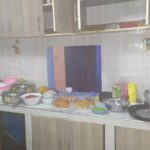
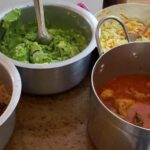
Inside Kenyan Kitchens

More Private in Nairobi






More Tour Reviews in Nairobi






Everything else we hold on Nairobi
- 7 Days Private 4 star lodges Safari by LandCruiser from Nairobi★ 5.0 · 3 reviews
- 5 Days/4 Nights Kenya Safari★ 4.5 · 3 reviews
- Safari Park Hotel Show & Dinner Experience In Nairobi Tour★ 3.6 · 3 reviews
- Day safari to Olpejeta Rhino conservancy★ 5.0 · 3 reviews
- 7 Days Breathtaking Kenya Wildlife Private Safari★ 5.0 · 3 reviews
- Overnight Amboseli National Park Safari from Nairobi★ 5.0 · 3 reviews
Cooking Classes, compared.
 ★ 5.0Traditional Kenyan Cooking Class & Local Market TourFrom $50129 reviews
 ★ 5.0Authentic Kenyan Cooking Class & Market Tour in NairobiFrom $6412 reviews
 ★ 5.0Private Traditional Kenyan Cooking Class with Lunch in NairobiFrom $6010 reviews
 ★ 4.8Market Tour and Traditional Kenyan Cooking Class in NairobiFrom $556 reviews
 ★ 5.0Local Market Tour and Traditional Meal Cooking ClassFrom $644 reviews
 ★ 5.0Malindi : Kenyan Cooking Class with Campfire MealFrom $253 reviews
Appears in these lists