
REVIEW · MARKETS
Explore local Market matatu ride & Make Kenyan Cuisines with a home cook
A bus ride turns into dinner lessons. This is a private, one-to-one Kenyan home-cooking experience in Nairobi that starts with a matatu ride to the local market, then moves to your host Josephine Rukaria’s home for a hands-on lesson and a five-course Kenyan and Indian-influenced meal.
I especially like the undivided attention you get in a private session, and how you don’t just watch cooking. You shop with your guide, interact with vendors, then roll up your sleeves and learn spice and technique step by step.
One thing to consider: there is no hotel pick-up or drop-off, so you’ll want to plan transport to the meeting point around Westlands and back afterward.
In This Review
- Key takeaways before you go
- A matatu ride that makes the cooking feel real
- Westlands to the local market: shopping with purpose
- The cooking at Josephine Rukaria’s home: hands-on, step by step
- What you’ll actually cook: five courses with ugali and curries
- Eating in a Kenyan home: privacy and hospitality
- Price and logistics: what $60 buys you in Nairobi
- Who this Nairobi market and cooking session suits best
- Should you book this private matatu market and cooking class?
- FAQ
- How long is the cooking experience?
- Is this a private tour or a group activity?
- Where does the experience start and where does it end?
- Do I need to bring ingredients or cooking supplies?
- What is included in the meal and drinks?
- Is hotel pick-up and drop-off included?
- Are there any food limits I should tell the host about?
- Can I cancel and get a refund?
Key takeaways before you go
- Matatu ride as the warm-up that shows you real neighborhood life.
- Market shopping first, so your meal starts with fresh produce and choices you help make.
- Private, one-to-one teaching with Josephine Rukaria, not a big group scramble.
- Hands-on cooking where you get involved from ingredients to plating.
- A five-course feast that blends Kenyan staples like ugali with curries and Indian influences.
- An authentic home setting where the meal is eaten privately with your group.
Other Nairobi bookings that survived the same scrutiny

A matatu ride that makes the cooking feel real
This experience is built around one clever idea: start with the way people actually buy food, then cook the way people actually eat. You begin around Mall Westlands, head to a local market, and during the trip you get to ride a matatu and chat with vendors. It is not just sightseeing. It’s your first taste of Nairobi daily rhythm.
The matatu part matters more than it sounds. It gets you out of the “tour vehicle” bubble and gives you context for what you will cook. You see how locals move through the city, and you learn to pay attention to practical details like where people queue, how they bargain, and what looks fresh right now. Then, when you’re later choosing produce for your meal, it feels grounded.
And because it is private, you are not competing for attention. Josephine Rukaria can slow down when you need clarity and push you forward when you are confident. That personal pace is a big part of why this style of class works for first-timers.
Westlands to the local market: shopping with purpose
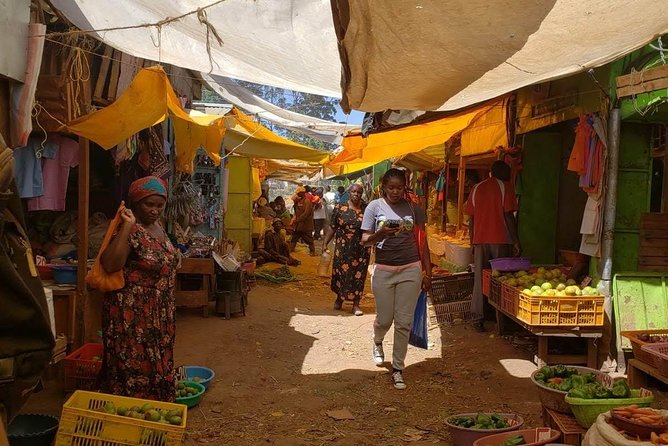
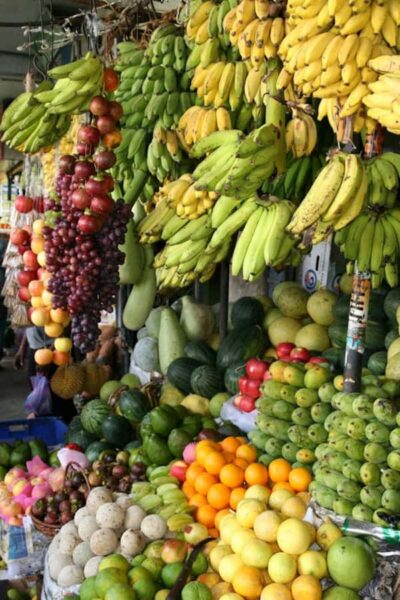
After meeting, you move from Mall Westlands to the local market. The goal is simple: buy fresh ingredients that will become your food, not generic items from a stall that never changes. You’ll have time to browse, then select what will go into your lesson menu.
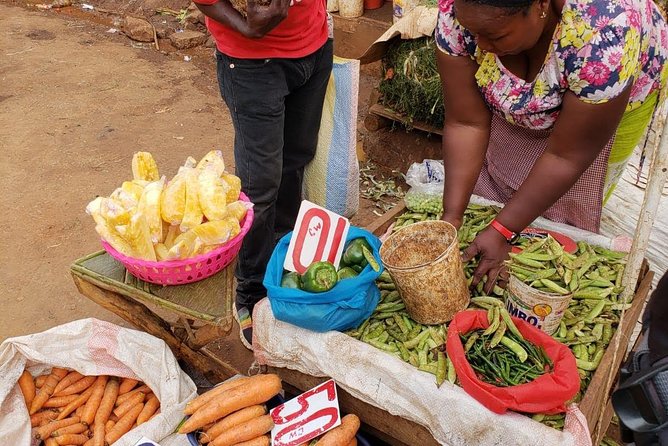
What I like here is the blend of structure and freedom. You get guidance on what to choose, but you also get to interact with the vendors. You can ask questions and learn what different ingredients are used for, especially in Kenyan and Indian-influenced dishes. That turns shopping into learning.
This is also where you get a small preview of the flavors you’ll be working with later. Spices smell different in real life than they do in a jar. Fresh produce has stronger colors and textures. And once you see how ingredients are chosen for everyday meals, the cooking steps feel more logical.
One practical note: markets involve motion, standing, and close-up time with food. Wear comfortable shoes and plan for some dust or light mess. You will be cooking afterward, and the experience hints that you should be ready to get your hands dirty.
The cooking at Josephine Rukaria’s home: hands-on, step by step
Next you head to Josephine Rukaria’s home. You ride from the market to the house by matatu, so the experience stays connected from start to finish. Once you arrive, the lesson becomes very personal and home-style, in a calm space where your group can relax.
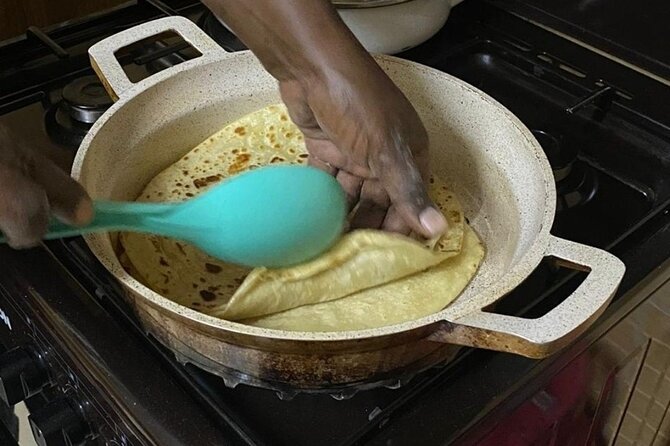
This is not a lecture class. You cook a five-course meal, and the teaching is described as step by step, with guidance on spice techniques you use right in the moment. That matters because Nairobi home cooking uses flavor building in real time: tasting, adjusting, and moving between ingredients and heat until it works.
Josephine’s teaching style comes through in the way people describe her. In particular, she is patient and takes time to explain, which is exactly what you want if you are cooking for the first time. The class is also family-minded, and one review specifically notes she was great with kids. So if you’re traveling with family, this can feel more like cooking with a friendly local than joining a strict classroom.
You do not have to bring equipment. Cooking equipment is included, and you also get ingredients provided. That lowers friction for travelers who packed light or are not sure what utensils they might need. The only thing you really need is curiosity and the willingness to try.
What you’ll actually cook: five courses with ugali and curries
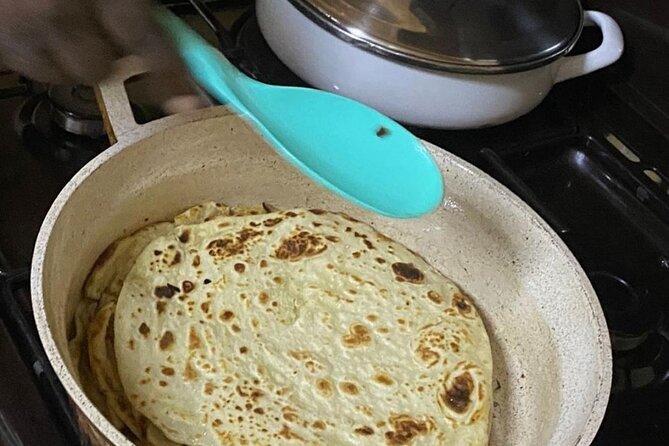
The menu is described as Kenyan and Indian influences, with dishes such as curries and ugali (cornmeal) being part of what you’ll make. Even if you have never cooked ugali before, the lesson structure helps. You are shown what to do, you practice, and you eat what you made.
Why this matters for value: ugali is one of the clearest “identity foods” in Kenya. It is everyday, it is filling, and it pairs well with spiced sauces and curries. When you learn it hands-on, you understand why meals in Kenya can be both simple and deeply satisfying.
Curries also bring a strong Indian influence, which Nairobi has absorbed over time through everyday cooking styles. The practical upside for you is that curries are flexible. Once you understand the spice approach and how the dish comes together, you can recreate the method later even if you are away from Nairobi.
Because this is a five-course meal, you’re not just doing one dish. You get multiple steps, multiple flavor combinations, and a fuller sense of what a Kenyan home meal can look like in sequence. The included lunch and the meal you feast on after the class means you’re not paying just to learn theory.
Other Nairobi bookings that survived the same scrutiny
Eating in a Kenyan home: privacy and hospitality
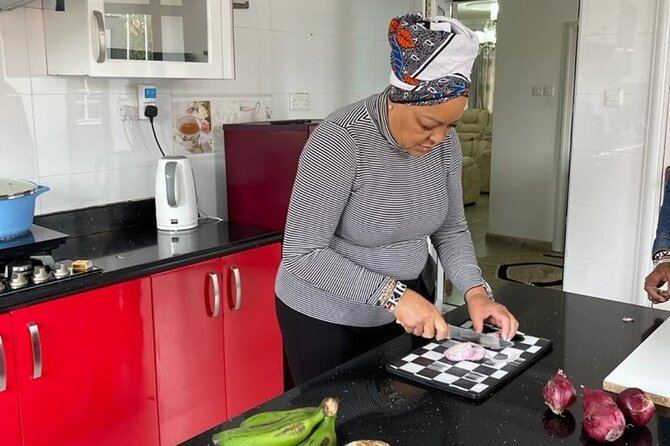
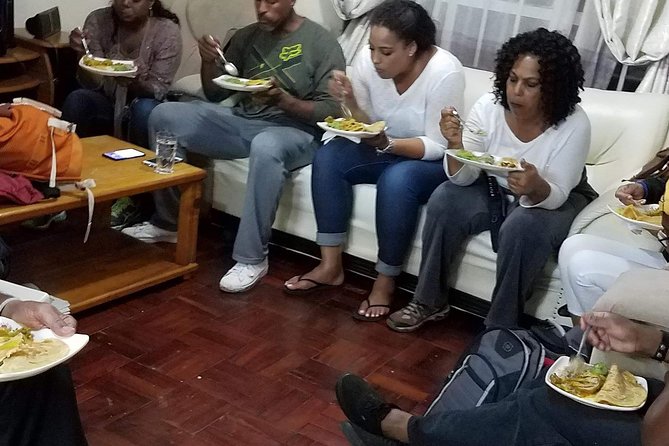
After cooking, you enjoy the meal in the privacy of your host’s home. The experience is described as peaceful and tranquil, and it is meant for your party only, not mixed with strangers. That makes a difference if you want a cultural meal without the noise level of larger group tours.
This is also where Kenyan hospitality shows up in a more natural way. You’re not herded through a script. You eat with the people hosting you, and the space is presented as welcoming for travelers from all over the world. You can ask questions, share your own travel stories, and settle into the slower pace of a home meal.
One more detail I appreciate: the experience includes fruits and water, plus coffee and/or tea with your meal. That sounds small, but it helps you stay comfortable during the market portion and the cooking portion, especially in Nairobi where you can feel sun and movement on a half-day outing.
Price and logistics: what $60 buys you in Nairobi
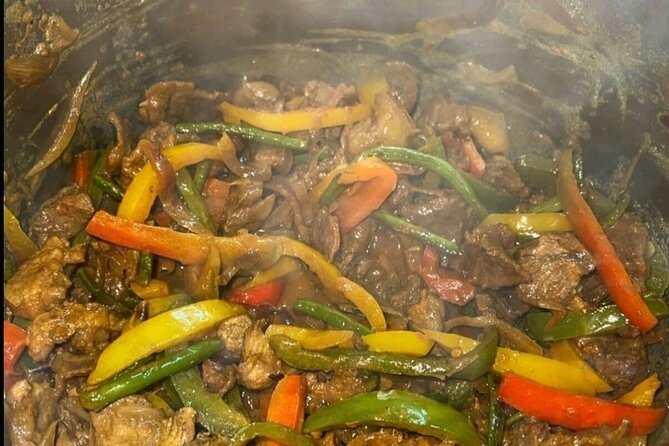
At $60 per person for about 4 hours, this sits in a price band that can feel fair or steep depending on what you compare it to. If you compare it to a standard group cooking class, it might feel higher. If you compare it to a private host, market shopping time, matatu transport, ingredients, and a full multi-course meal, it starts to look like good value.
Here is what you get that reduces hidden costs:
- Ingredients provided, so you do not waste money buying supplies you will not use again.
- Cooking equipment included.
- Transportation to and from the market included.
- A meal that functions as lunch, plus coffee and/or tea.
- Bottled water and water included during the experience.
The main practical trade-off is logistical: there is no hotel pick-up or drop-off. That means the real cost is not dollars, it is time and planning. If your hotel is far from Westlands or you dislike navigating local transport, you may spend extra effort getting there.
Still, the private structure is the big reason this price can feel reasonable. You’re paying for one host, one teaching style, and one cooking table. If you like personal travel, that is exactly what you want.
Also note booking timing. It is often booked about 18 days in advance on average. So if you’re set on a date, plan earlier rather than later.
Who this Nairobi market and cooking session suits best
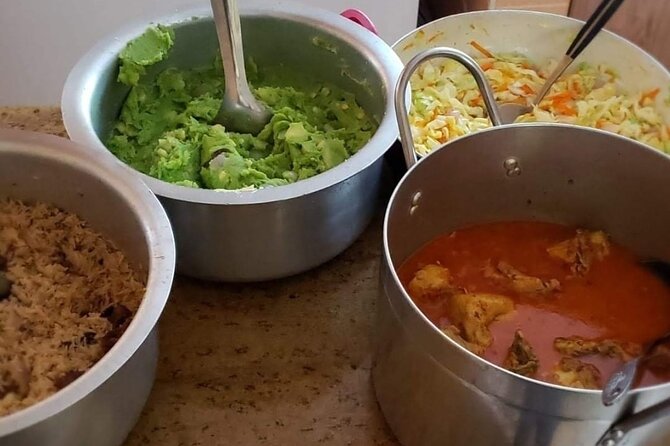
This is a strong fit if you like food travel that is hands-on, practical, and grounded in daily life. You’ll enjoy it most if you want more than a tasting. You want to learn why ingredients matter, then apply that knowledge with your own hands.
It is also a smart choice if you value privacy. The experience is for your party only, and the home setting makes it feel intimate without feeling like a formal dinner event.
Families can also be a good match. One review highlights that Josephine was great with kids, and Josephine’s family experience likely helps her keep things friendly and manageable.
If you are someone who hates mess or finds cooking steps stressful, this may feel like a lot. The experience even suggests you should be prepared to get your hands dirty. But if you can handle a little grime and focus on learning, that is also the fun part.
Should you book this private matatu market and cooking class?
Book it if you want:
- A private Nairobi cooking lesson with real one-to-one teaching.
- A market stop with vendor interaction, not just a quick photo break.
- A meal you can eat right away, including Kenyan staple ugali and curries with Indian influence.
- A more local, home-style way to spend a half-day.
Skip it if:
- You cannot easily handle getting to the meeting point and back, since hotel pick-up and drop-off are not included.
- You prefer observation over participation, because you will be cooking step by step and expected to get involved.
If your goal is to understand Kenyan food through the full chain, from choosing ingredients to cooking spices to eating together, this is one of those experiences that actually teaches you something you can use later.
FAQ
How long is the cooking experience?
It runs for about 4 hours.
Is this a private tour or a group activity?
It is private. Only your group participates.
Where does the experience start and where does it end?
It starts at P.O. Box 66283, Nairobi, Kenya, and ends at David Osieli Road, Nairobi, Kenya.
Do I need to bring ingredients or cooking supplies?
No. Ingredients are provided, and cooking equipment is included.
What is included in the meal and drinks?
You get a five-course Kenya and Indian meal, lunch, fruits, bottled water, and coffee and/or tea.
Is hotel pick-up and drop-off included?
No. Hotel pick-up and drop-off are not included.
Are there any food limits I should tell the host about?
Yes. If you have any food intolerance, you should let them know.
Can I cancel and get a refund?
Yes, cancellation is free. You can cancel up to 24 hours in advance for a full refund. If you cancel less than 24 hours before the start time, there is no refund.
Kenyan Market Mornings


More Shopping Tours in Nairobi


More Tour Reviews in Nairobi






Everything else we hold on Nairobi
- 7 Days Private 4 star lodges Safari by LandCruiser from Nairobi★ 5.0 · 3 reviews
- 5 Days/4 Nights Kenya Safari★ 4.5 · 3 reviews
- Safari Park Hotel Show & Dinner Experience In Nairobi Tour★ 3.6 · 3 reviews
- Day safari to Olpejeta Rhino conservancy★ 5.0 · 3 reviews
- 7 Days Breathtaking Kenya Wildlife Private Safari★ 5.0 · 3 reviews
- Overnight Amboseli National Park Safari from Nairobi★ 5.0 · 3 reviews
Markets, compared.
 ★ 5.0Traditional Kenyan Cooking Class & Local Market TourFrom $50129 reviews
 ★ 5.0Memorable Daily KIBERA Slums/Toi Market Tour with Locals (2 hours)From $2529 reviews
 ★ 4.8Mombasa City Tour,Fortjesus,Oldtown,Tusks and Spice Market.From $4519 reviews
 ★ 5.0Half-Day Nairobi National Park and Maasai Market with Pick upFrom $18016 reviews
 ★ 5.0Authentic Kenyan Cooking Class & Market Tour in NairobiFrom $6412 reviews
 ★ 3.5Nairobi: Hop on Hop off and Maasai market Collections VisitFrom $9810 reviews
 ★ 3.5The Nairobi Skyline & Maasai Market!From $766 reviews
 ★ 4.2Diani: Market and Street Food Walking TourFrom $306 reviews
Appears in these lists