
REVIEW · DIANI BEACH TOURS
Diani: Market and Street Food Walking Tour
Diani can be beach-first, but this walk adds real market life with tastings, so you leave with flavors, not just photos. I like that the guide explains how trading works and shares the market’s history, and I especially like the stop-and-sample format, from Swahili porridge to palm wine.
One thing to plan for: this is a hot, walking-based experience, and the meals and bar setting are very local, so it is best if you are comfortable with that kind of casual dining.
In This Review
- What You’re Signing Up For, Starting at Tsunami Garden Cafe
- Key Points to Know Before You Go
- Why This Tour Works: Food, People, and a Short Walkable Plan
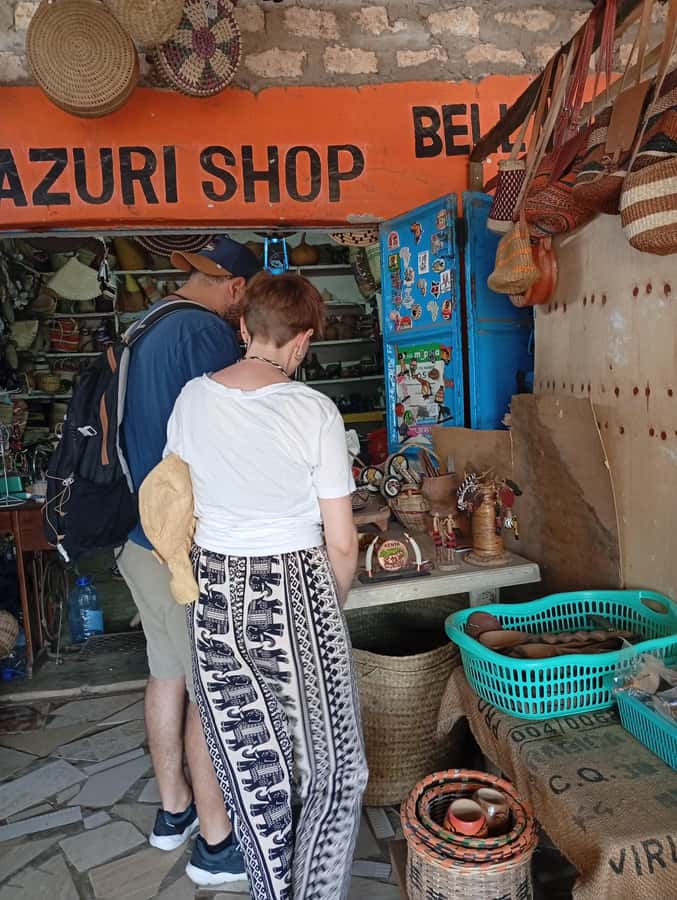
- Entering Ibiza Market: How Trading Shows Up in Everyday Life
- The small shop stops you will notice
- Practical reality check
- The Food Tasting Portion: Classic Swahili Flavors, Not Just Snacks
- Starter: Swahili porridge with warm spices
- Main plates: balancing carbs, greens, and coastal richness
- Finish: Viazi Karai snack
- What I’d recommend if you have picky tendencies
- Trying a Traditional Swahili Dress: Small Culture Stop, Real Learning
- Palm Wine Tasting at a Local Bar: What to Expect and How to Approach It
- Why this stop matters
- Consideration if you want a quieter vibe
- Logistics That Actually Matter: Pacing, Footwear, and Group Size
- What to bring, straight from what works best
- Language and guiding style
- Price and Value: Why $30 for a Market Walk Can Be a Smart Buy
- Who gets the best value
- Who This Tour Suits Best, and Who Should Skip It
- Quick Should You Book This? My Practical Verdict
- FAQ
- How long is the Diani Market and Street Food Walking Tour?
- How much does it cost?
- What food and drinks are included?
- Where do I meet the guide?
- Is the tour in English?
- How big is the group?
- What should I bring and wear?
- Who is this tour not suitable for?
What You’re Signing Up For, Starting at Tsunami Garden Cafe
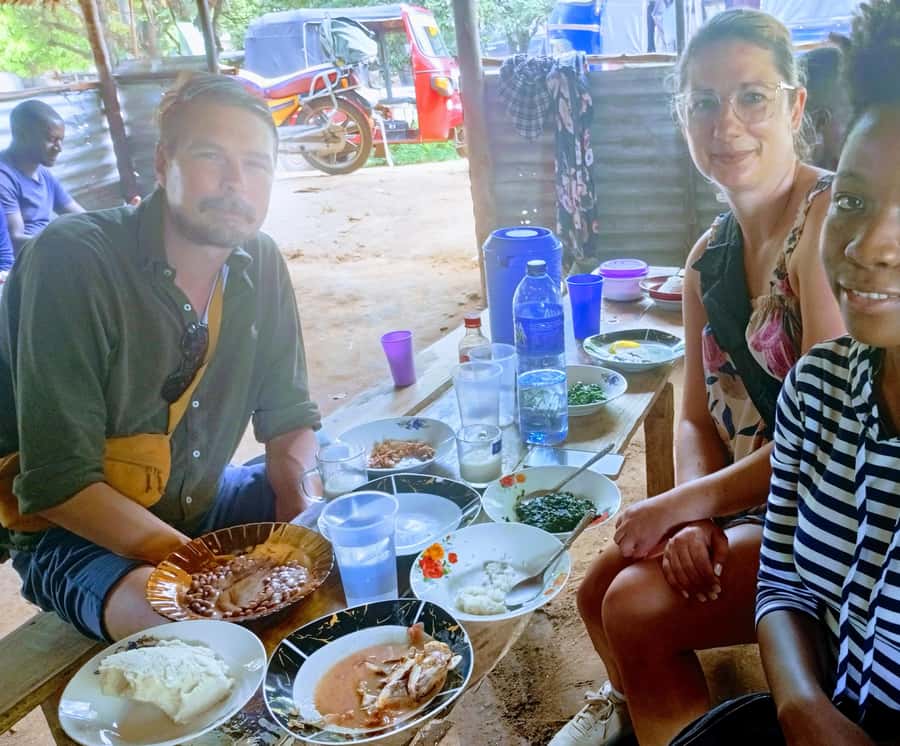
You meet at Tsunami Garden Cafe, then you head out with an English-speaking guide in a small group limited to 10 people. The structure is simple, market first, then food tastings, then a palm wine tasting, and you finish back where you started. It is also a tour where you get small cultural extras, like trying on a traditional Swahili dress and learning what goes into the tailoring process.
Before you go, wear comfortable shoes and bring water, because you will be walking in changing weather and you will likely want to stay hydrated. A camera helps too, since you will pass through everyday stalls and small shops.
What else gets booked out of Diani

Key Points to Know Before You Go
- Start at Tsunami Garden Cafe for an easy, clear meeting point and a quick tour briefing
- Ibiza Market visit gives you a real look at how people trade day to day
- Street food tastings cover classic flavors like ugali with sukumawiki and chapati or coconut rice
- Swahili dress and tailoring stop lets you sample deras and see how it starts
- Palm wine tasting happens at a local bar, not a tourist-style venue
- Small group size (up to 10) keeps the pacing friendly and questions easy
Why This Tour Works: Food, People, and a Short Walkable Plan
A 90-minute food tour can feel either too short to matter or too long to keep it fun. This one nails the middle ground because it is built around clear, high-payoff moments: a market walk, multiple tastings, and a palm wine stop. You are not just eating. You are learning what you are eating and how the market connects to daily life in Diani.
I also like the way it mixes everyday routines with small cultural details. The tailoring stop is not a random souvenir moment, it is connected to traditional dressmaking and the idea behind the deras you can sample. That makes the whole tour feel less like a checklist and more like a guided walk with context.
And since it is a small group, you are less likely to get stuck behind someone the whole time or lose the guide to a crowd.
Entering Ibiza Market: How Trading Shows Up in Everyday Life
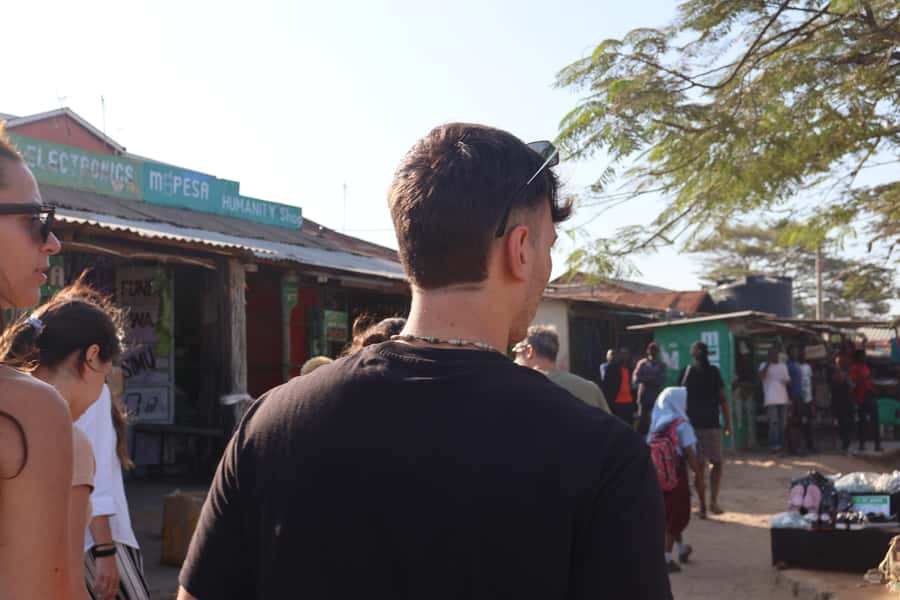
The first major stretch is a market visit in Diani, where you walk through the food and goods stalls and get a guided explanation of local trading. This is the heart of the experience, because the market is where you see the pace of commerce in real time.
You also learn about the history of the market and the people who trade there. That matters because when you understand the human side, the food tastings stop feeling like random samples and start feeling like part of a system. The guide’s job is not just to point and name, it is to connect what you see to how people earn a living.
The small shop stops you will notice
As you move through the area, you will pass a souvenir shop and a tailoring shop. This is your chance to slow down a bit and look at how local businesses operate around the market. Even if you do not buy anything, it helps you understand how the market environment supports both everyday needs and culture-related crafts.
A standout here is the tailoring stop. You can sample deras, including traditional female Swahili dresses, and you learn how the work starts. If you like craft processes, this is one of the most memorable parts of the walk.
Practical reality check
This is not a shaded mall walk. You should expect sun and heat, so build this into your day with timing in mind. Bring water, and give your feet credit for the fact that you will be moving for about 90 minutes total, with focused segments along the way.
The Food Tasting Portion: Classic Swahili Flavors, Not Just Snacks
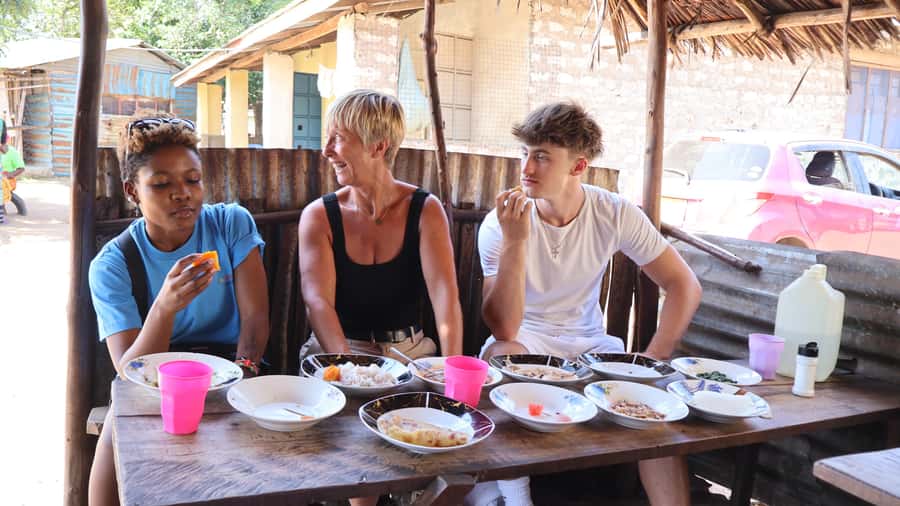
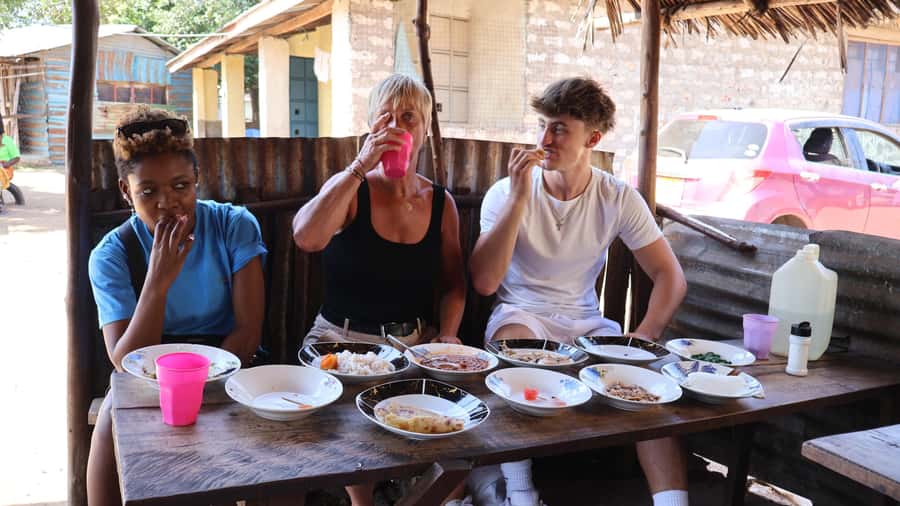
The food part is set up as a tasting sequence, which is ideal because you can sample more variety without committing to one big meal that might not match your tastes. You try a starter, then you move into main dishes, and you end with a snack.
Starter: Swahili porridge with warm spices
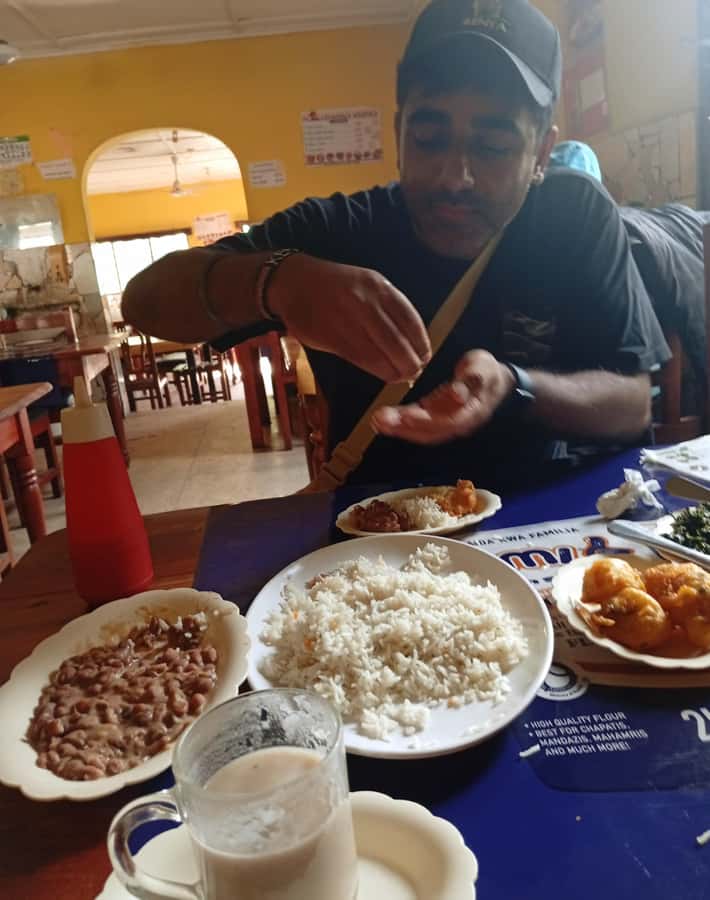
You start with a cup of Swahili porridge made of wheat, cardamom, and coconut milk. This is the kind of dish that is comforting but still clearly Kenyan and coastal in feel. The cardamom gives it a fragrant edge, and the coconut milk helps round out the flavor.
If you are the type who likes understanding ingredients, this starter is a good warm-up. It sets the tone for the day, so your later tastings make more sense.
Main plates: balancing carbs, greens, and coastal richness
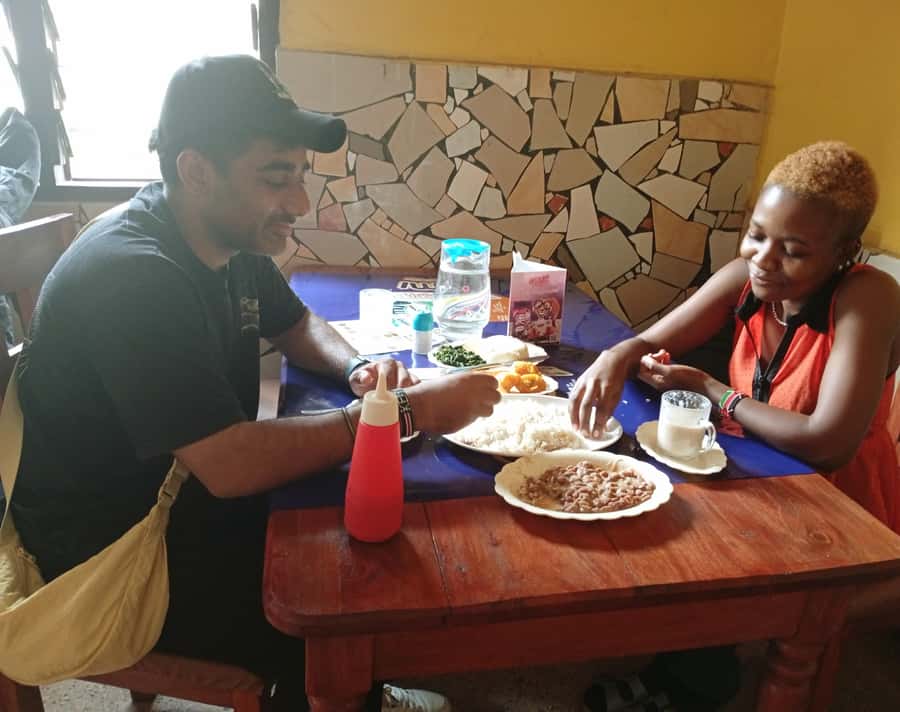
Next comes your main meal options. You will try combinations like chapati and coconut rice with coconut beans, plus ugali with sukumawiki. Each choice represents something you will see often around the coast.
- Chapati or coconut rice brings a carb base that is satisfying and familiar in style, but with coconut notes that feel local
- Coconut beans add depth and a slightly fuller, more savory profile
- Ugali with sukumawiki is a classic pairing, where ugali works like a neutral base for the greens
If you worry about whether street food tastings will be filling, this is the part where your appetite gets handled. The pacing is designed so you are not only tasting bites, you are getting actual meal components.
Finish: Viazi Karai snack
To close out the food segment, you get a snack called Viazi Karai. It is a strong ending because it is meant to feel like a treat, not a final “last bite because the tour ends” situation. It also gives you a chance to taste something that feels more like street-style snacking.
What I’d recommend if you have picky tendencies
If you are very sensitive to strong spice or coconut flavor, it helps to know the tour includes cardamom in the porridge and coconut in multiple dishes. You can still go, but expect those flavors to show up throughout.
Trying a Traditional Swahili Dress: Small Culture Stop, Real Learning
One of the more human touches is the moment where you try on a traditional Swahili dress and learn about tailoring. The tour includes a stop where you can sample deras and hear how the tailoring work started and how it connects to the maker’s process.
This is valuable for two reasons. First, it gives you a quick, practical understanding of how garments are made and why traditional designs matter. Second, it turns a photo opportunity into a conversation. Instead of only looking at fabric and colors, you learn about the craft behind it.
If you like cultural context, you will probably appreciate this segment as much as the food.
Palm Wine Tasting at a Local Bar: What to Expect and How to Approach It
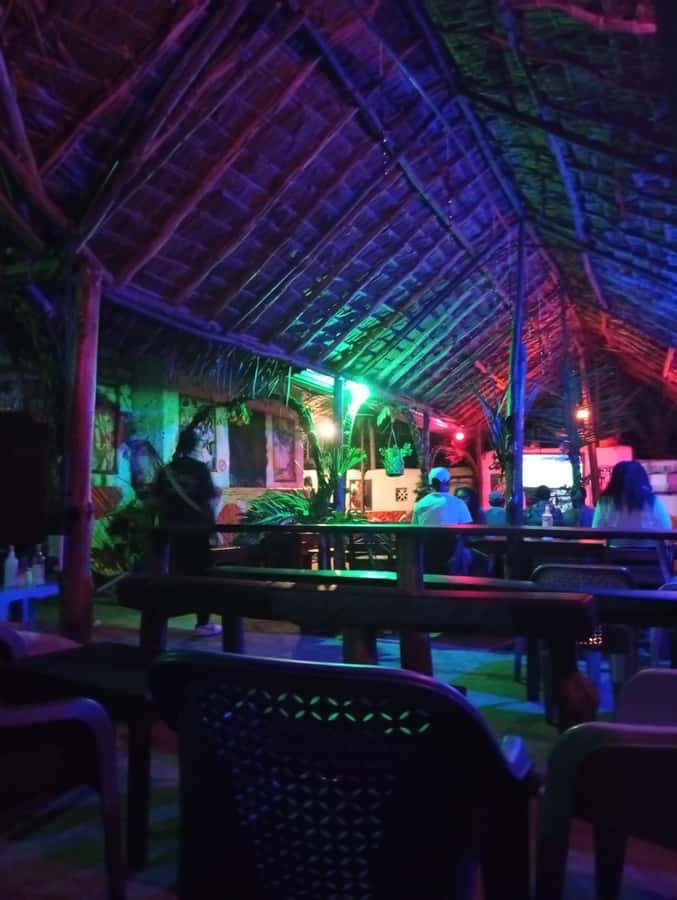
After the market and tastings, the tour shifts to a local bar for palm wine tasting. This is a great contrast point because you go from stalls and food tables to a social drink setting.
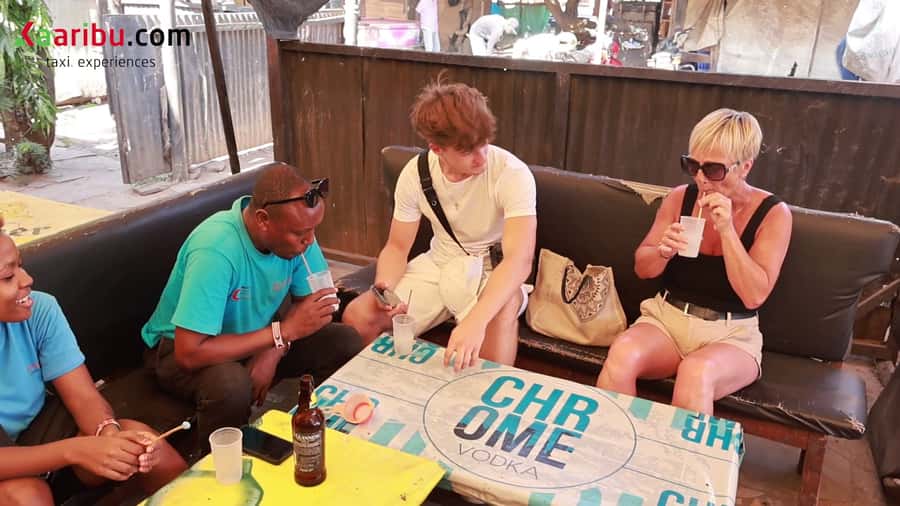
Palm wine is a traditional drink, and the tour includes the tasting. If you end up purchasing more after the tasting, that is optional, but the tasting itself is part of the experience.
Why this stop matters
A market teaches you commerce, but a local bar teaches you social rhythm. It is where you see how people relax after work and share time in a casual environment. It also makes the overall tour feel more complete, because it covers both what people eat and how they unwind.
Consideration if you want a quieter vibe
This is described as an extremely local bar setting. If you prefer a calm, low-stimulation atmosphere, go in knowing it may be lively and less polished than what you might find in higher-end venues. You can still enjoy it, just manage your expectations.
Also note that smoking and alcohol and drugs are not allowed on the tour, which is a good thing to keep the experience safe and respectful.
Logistics That Actually Matter: Pacing, Footwear, and Group Size
This tour is built for movement and short time blocks. You walk from the meeting point to the market, you taste at a local restaurant, and then you finish at the local bar for palm wine. The total duration is about 90 minutes, which is short enough to do even on busy beach days.
The small group size, limited to 10 participants, is more than a nice detail. It helps the guide pace the walking, keep questions from getting lost, and make sure everyone gets to taste what is on offer.
What to bring, straight from what works best
Bring:
- Comfortable shoes (this is the big one)
- Sun hat (weather can vary, but sun is common)
- Camera
- Water
If you only remember one thing, make it water and shoes.
Language and guiding style
The tour runs with a live guide in English, so you will not have to guess what you are looking at. And based on guide feedback you can expect clear explanations. One guide name that stands out is Tina, who has been praised for being friendly and for explaining the market and tastings in a way that makes the whole tour feel more meaningful.
Price and Value: Why $30 for a Market Walk Can Be a Smart Buy
At $30 per person for 90 minutes, the price is fair when you look at what is included. You are not just paying for walking. You get:
- a local guide
- street food tasting
- palm wine tasting
- a market visit (including Ibiza Market)
- souvenir shopping opportunity
That combination matters because multiple tastings and a beverage can easily add up if you were to try to reproduce this on your own. Plus, you get someone who can connect the dots about the market and tailoring stop.
Who gets the best value
You will feel the value most if:
- you like guided context, not just eating
- you want a variety of dishes in one go
- you are okay with an outdoor, sun-exposed walk
- you want a taste of daily life without spending half a day
Who This Tour Suits Best, and Who Should Skip It
This is a great fit for adults and older teens who like food, markets, and cultural details, and who can handle casual, local settings. It is also a good choice if you want something you can finish without feeling wrecked afterward, because it stays within 90 minutes.
It is not suitable for:
- wheelchair users
- children under 3 years
- babies under 1 year
- people with food allergies
If you have allergies, this is a big deal because the tour includes multiple dishes and local bar tastings, and the provided data does not specify allergy accommodations.
Quick Should You Book This? My Practical Verdict
Book this tour if you want a short, guided taste of Diani that goes beyond beach scenery. The market and food stops hit the best value zones, especially the chance to try classic Swahili flavors and then get a palm wine tasting at a local bar. You also get the tailoring moment with deras, which adds culture in a way that feels connected, not staged.
Skip it if heat and walking are a problem for you, or if you need a quiet, upscale dining environment. Also skip if you have food allergies, since suitability is explicitly limited.
FAQ
How long is the Diani Market and Street Food Walking Tour?
The tour lasts about 90 minutes.
How much does it cost?
It costs $30 per person.
What food and drinks are included?
The tour includes street food tasting and a palm wine tasting, plus tastings like Swahili porridge, chapati or coconut rice with coconut beans, ugali with sukumawiki, and Viazi Karai.
Where do I meet the guide?
Meet at Tsunami Garden Cafe. A lady will greet you in front of the cafe and meet you by name.
Is the tour in English?
Yes, the live tour guide speaks English.
How big is the group?
The group is small, limited to 10 participants.
What should I bring and wear?
Wear comfortable shoes, and bring a sun hat, a camera, and water.
Who is this tour not suitable for?
It is not suitable for wheelchair users, children under 3 years, babies under 1 year, and people with food allergies.
More Tours in Diani





More Tour Reviews in Diani




Booked Out of Diani

Everything else we hold on Diani
- Mombasa: Snorkeling, Dolphin watching, seafood lunch.★ 4.5 · 3 reviews
- Diani: Wasini Island Dolphin Watching and Snorkeling Tour★ 4.2 · 3 reviews
- Diani Beach: Sunset Dhow Cruise with Dinner★ 3.5 · 4 reviews
- From Diani or Mombasa: Tsavo East National Park Day Trip★ 5.0 · 4 reviews
- mangrove tour★ 4.2 · 4 reviews
- Diani: Full day Guided tour in Tiwi beach & Diani★ 5.0 · 5 reviews
Diani Beach Tours, compared.
 ★ 4.3From Mombasa/Mtwapa/Diani/Tiwi: Tsavo East Full-Day SafariFrom $200130 reviews
 ★ 4.6Diani Beach: Glass Boat Cruise to Robinson IslandFrom $4269 reviews
 ★ 4.8Diani: Sunset Canoe Tour along the River with MangrovesFrom $2865 reviews
 ★ 4.7Diani Beach: Private African Pool Map Guided TourFrom $3552 reviews
 ★ 5.02 Days Tsavo East National Park Tour From Mombasa/Diani (1 Night)From $50650 reviews
 ★ 4.7Diani Beach: Kongo River Estuary Sundowner Boat TourFrom $4239 reviews
 ★ 4.9Overnight Tsavo East Safari From Mombasa/Diani (Private)From $50739 reviews
 ★ 4.6Diani: Giriama Cultural Dance Show and Local Village TourFrom $3532 reviews
Appears in these lists