
REVIEW · DIANI BEACH TOURS
Diani: Giriama Cultural Dance Show and Local Village Tour
A village visit beats the hotel version of Kenya. I love the real back-and-forth with Giriama families, and I especially liked the traditional healer (Mganga) visit, which goes beyond the usual “see it from outside” feeling. One drawback to plan for: the dance arena part is the highlight for many people, but it can feel a bit shorter than you might expect if you’re hoping for an extended show.
This is a 3-hour, $35-per-person day that moves at a human pace, with English or German guiding and photos taken using your own phone or camera. Guides like Samson, and drivers like Salim, show up in bookings as key to making the whole thing feel smooth, friendly, and worth the money.
Come prepared to participate, not just watch. If you bring small school supplies or simple gifts for kids, you’ll get more warmth and conversation in return, because the village visits are built around interaction and laughter, not staging.
In This Review
- Quick takeaways before you go
- Diani to the Giriama village: what makes it feel different
- Price and logistics from Diani: the real value math
- Stop 1: Ibiza Market, your first taste of coastal daily life
- Stop 2: Local school under a giant baobab tree
- Stop 3: Madafu, coconut harvesting, and the cooking moments
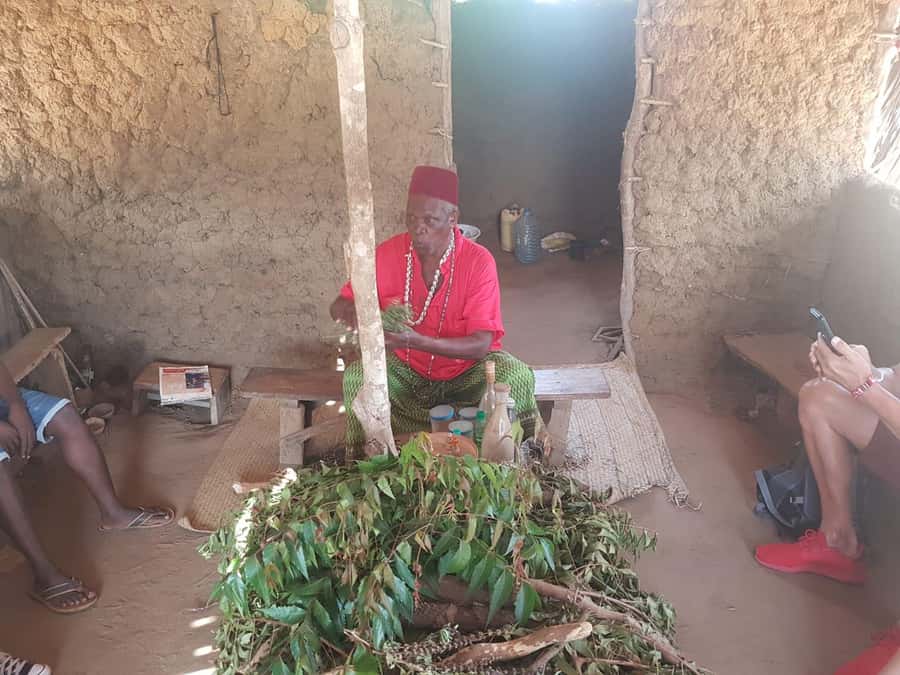
- Stop 4: Meeting the traditional healer (Mganga)
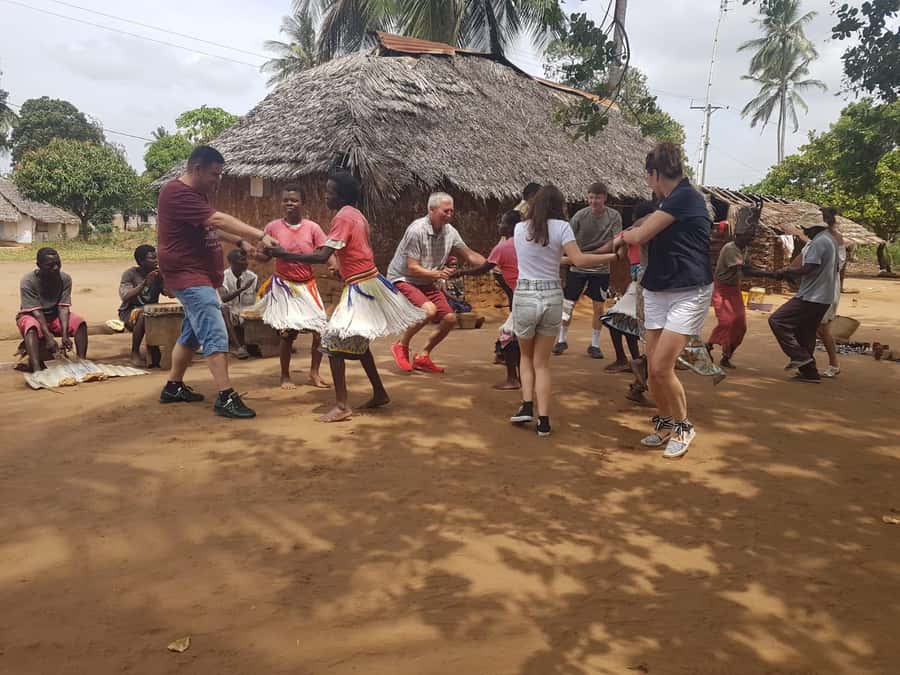
- Stop 5: The dance arena, with 12 Giriama dancers telling stories
- Village walk and home visits: where the day becomes personal
- Photos you didn’t have to chase
- What to bring, and what to avoid
- Who this tour suits best in Kenya’s Coast Province
- Should you book the Diani Giriama Cultural Dance Show and Local Village Tour?
- FAQ
- How long is the Diani Giriama cultural dance and village tour?
- What languages are the tour guide and tour support available in?
- What’s included in the $35 per person price?
- Are food and drinks included?
- Do I need to pay extra for hotel pickup and transport?
- Can I bring gifts for children at the school?
- Is the tour wheelchair-friendly?
Quick takeaways before you go
- A natural, village-first experience with the feeling of a real day, not a scripted performance
- School visit under a giant baobab tree, with chances to greet students and share simple gifts
- Madafu (coconut water) stop plus possible cooking like ugali or cashew prep, depending on timing
- Traditional healer (Mganga) visit focused on indigenous herbs and how knowledge is passed along
- Dance arena with 12 dancers who perform stories tied to weddings, celebrations, and farewells
- Bring extras for the village, since people may ask about supporting school needs and you might want small cash
What else gets booked out of Diani
Diani to the Giriama village: what makes it feel different
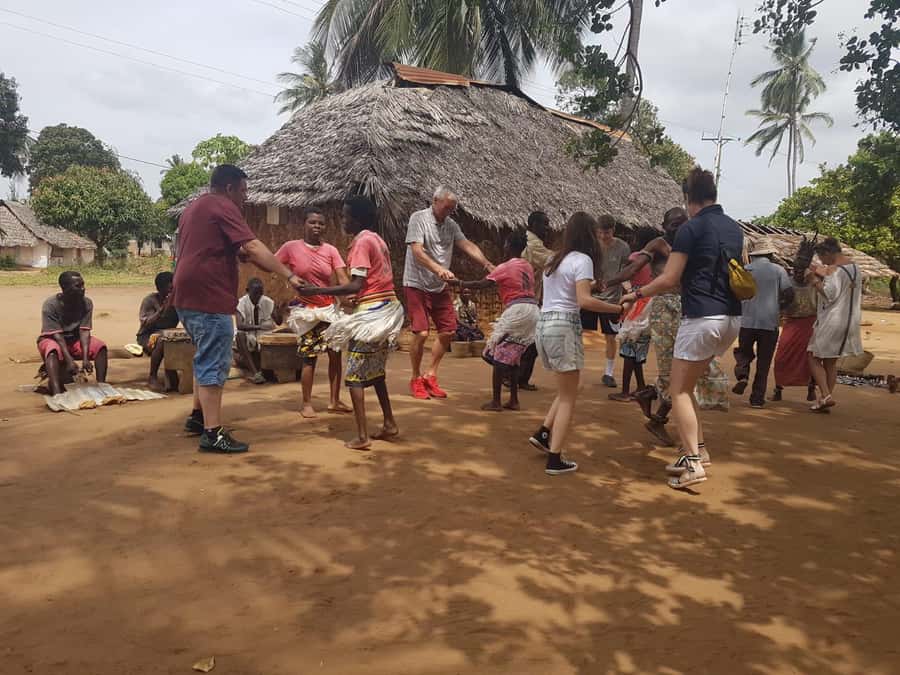
This tour is designed for people who feel a little tired of the “tourist version” of Africa. Instead of just watching from a distance, you walk through daily life, meet people, and join in whatever is going on, from greetings to simple activities.
The Giriama are one of the Mijikenda sub-tribes in Kenya’s coastal region. That matters because this doesn’t feel like a generic cultural dance night. You’re seeing how coastal communities organize their day, use local knowledge, and share celebrations and routines.
I also like that it’s not rushed and not over-commercialized. That gives you time to ask questions and actually listen, especially during the village walk and home visit parts.
Price and logistics from Diani: the real value math
The tour price is $35 per person for a 3-hour experience. On paper, that sounds simple, but the value depends on one big variable: getting there and back.
You do need a vehicle to pick you up from your hotel, drive you through the village, and return you after the tour. The transfer cost is not included, and it varies by hotel location, with the provider discussing options after you book. In practice, that means your final total may change, so ask upfront so you can budget without surprises.
What you do get inside the tour price is the core cultural content: the village tour, the healer visit, palm wine tasting, traditional dances, and traditional attire. You also get professional photos using your equipment, which can be a real convenience if you don’t want to spend the day chasing the perfect angle.
Tip: If you’re budgeting, treat $35 as the base, then add your expected transfer cost. It’s still usually a solid deal because the day includes multiple stops, not one single show.
Stop 1: Ibiza Market, your first taste of coastal daily life
You start at the Ibiza Market, an open-air trading hub where locals sell everyday items. It’s the kind of place where you understand a community quickly, because trade is part of how people organize their day.
This stop helps you get oriented before you enter the village lanes. You see what’s moving through the community, what people buy, and how the market rhythm works before the tour shifts into quieter, more personal moments.
Expect lively energy, lots of walking, and conversations that might take your brain a second to catch up. If you’re the type who likes to ask questions with your eyes and body language first, this is a good place to start.
Stop 2: Local school under a giant baobab tree
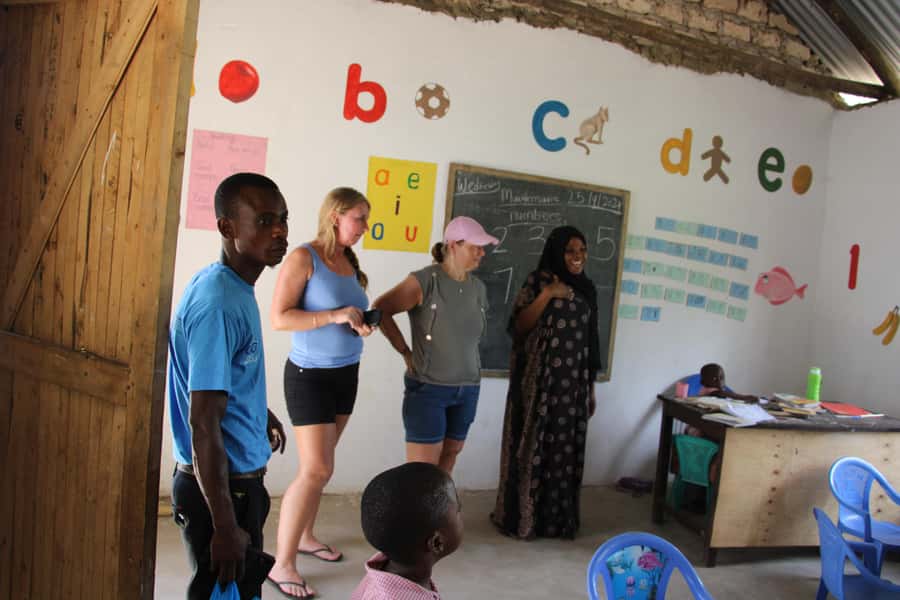
Next comes the community school, shaded by a giant baobab tree. This is one of those stops that tends to hit people emotionally, because it’s direct, human, and focused on real faces rather than distant scenery.
Depending on the time of day, you’ll interact with cheerful students. The tour encourages you to bring small gifts like toys, balls, sweets, clothes, or school supplies.
A practical way to think about this: if you bring gifts, you’re not buying a souvenir moment. You’re giving kids a reason to smile right then, and you’re also showing respect for the school community. Several bookings highlight that the smiles from children are often the best part of the day.
One more thing to keep in mind: you may also hear requests for support beyond gifts, like helping with school needs. Bring small cash or be ready to discuss support calmly.
Stop 3: Madafu, coconut harvesting, and the cooking moments
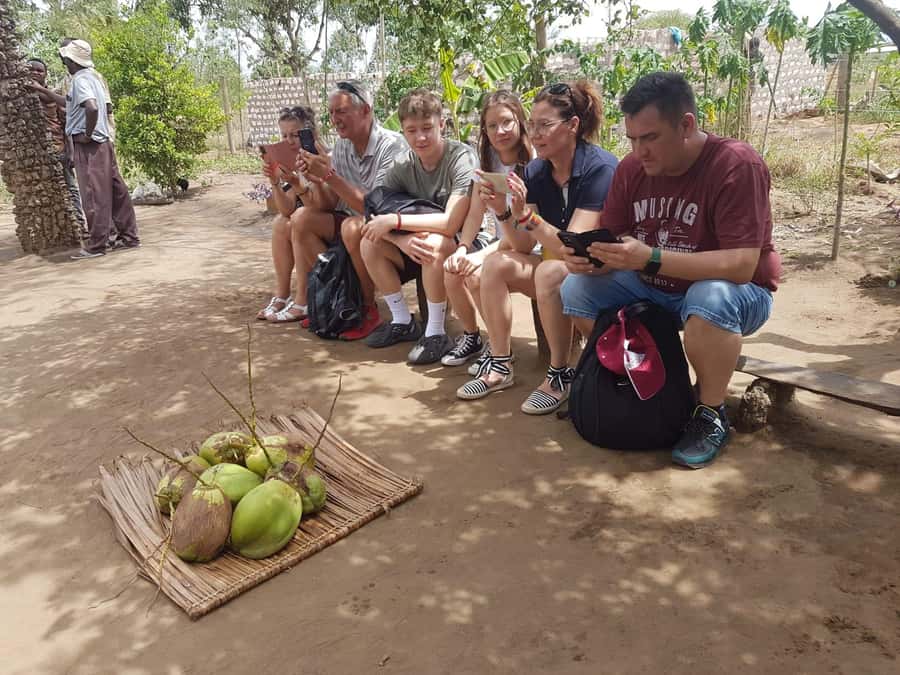
At a local homestead, you’ll start with madafu, coconut water, and learn about its health benefits as the host explains it. This stop is not just about drinking something cold and refreshing, it’s about how people understand ingredients and use them in daily life.
You’ll watch a coconut harvesting demonstration, including techniques related to palm wine tapping. If you like hands-on learning, this is a good moment because it shows skill and patience, not just a narrated fact.
If time allows, you may also join preparations for cashew nuts or ugali, which is a staple coastal dish. Even when cooking is limited by timing, the overall vibe is that you’re watching and participating, not being served a pre-made show.
Food note: food and drinks are listed as not included. Still, you may be offered what the household prepares as part of interaction. If you care about whether a full meal is part of your experience, confirm before you go so you’re not caught off guard.
Stop 4: Meeting the traditional healer (Mganga)
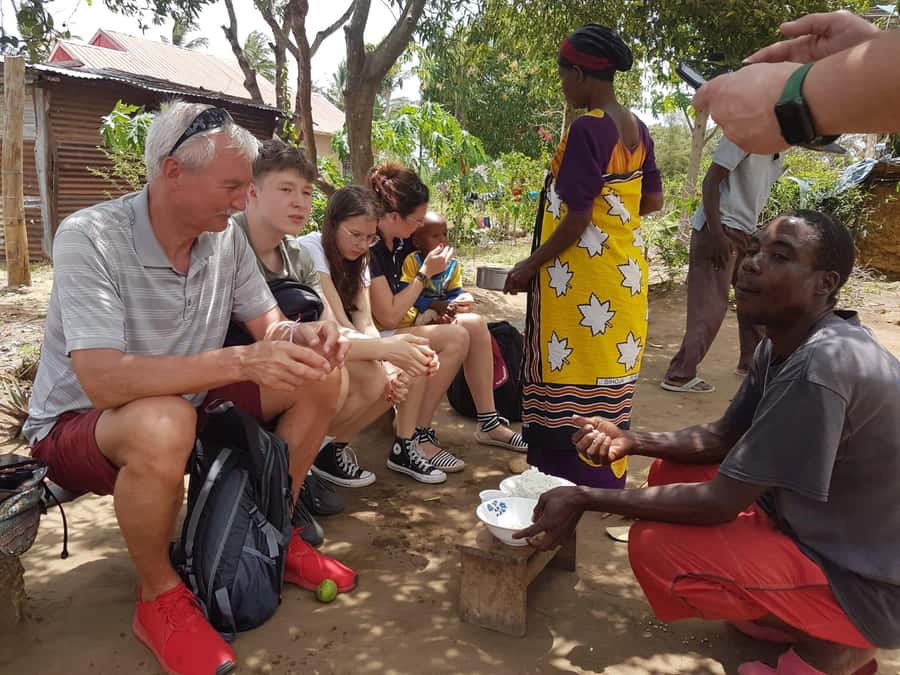
This is the part that often makes the whole day feel like more than a cultural performance. You visit a traditional healer, called a Mganga, who uses indigenous herbs to treat different ailments.
You learn how remedies are prepared and how this knowledge has been preserved and passed down through generations. Even if you don’t fully agree with every health approach, you’ll understand something important: local medicine is rooted in observation, community trust, and long-term tradition.
The best way to enjoy this stop is with curiosity and respect. Ask simple questions, listen carefully, and remember this isn’t a lecture. It’s a living practice inside the village setting.
Also, don’t expect it to function like a clinic tour. The value here is understanding worldview and tradition, not collecting scientific lab details.
Stop 5: The dance arena, with 12 Giriama dancers telling stories
The day ends at the dance arena, reached by walking through narrow village lanes. This is where you see the traditional Giriama dances performed by a group of 12 dancers in harmony.
Each dance tells a story tied to real life events like weddings, celebrations, or farewells. You’re invited to join in, and the goal is laughter and rhythm, not just polite applause.
In multiple bookings, the dance performance is highlighted as a major draw. Still, one caution from the feedback is that the dance segment may not satisfy everyone if you’re hoping for a longer, more extended show. If dance is your top reason for booking, consider that this is part of a multi-stop village day, not a standalone dance marathon.
If you get offered traditional attire, take the moment seriously. Wearing it, moving with it, and taking photos in context helps the day feel more like participation than consumption.
Village walk and home visits: where the day becomes personal
Between the healer and dance, and sometimes alongside the homestead portion, you’ll do a village walk and may get welcomed into homes. This is where you see how people live, how spaces are used, and what everyday routines look like from inside the community.
Many bookings mention glimpses into kitchens and shared time around household life. That’s a big part of why this tour feels therapeutic for some people: you get fresh air, small interactions, and a slower pace than typical “point-to-point” tours.
You also get conversations that work in the local way. Sometimes that’s language barriers, sometimes it’s smiles and gestures. The more you lean into that, the more rewarding the day becomes.
Photos you didn’t have to chase
One practical inclusion people tend to appreciate: professional photos using your own equipment. That means you don’t have to choose between having the tour experience and trying to manage your camera settings all day.
It also helps during the dance arena and attire moments, where poses happen fast. You’ll likely come away with clearer shots than you would on your own, especially if your phone is trying to focus on movement and low-light conditions.
What to bring, and what to avoid
Wear comfortable shoes. You’ll be walking around markets, lanes, and village paths, and you’ll want your feet to feel good.
Bring small school supplies or simple gifts for kids if you can. Toys, balls, sweets, clothes, pencils, crayons, notebooks, and stickers are all mentioned in bookings as items that kids really enjoy.
Bring a bit of small cash too. The reason is simple: villages put effort into hosting, and you might be asked about supporting school needs or you might want to buy a small item while you’re there.
Rules are also clear: alcohol and drugs are not allowed. Since the tour includes palm wine tasting, follow the guide’s lead and avoid bringing extra alcohol yourself.
Who this tour suits best in Kenya’s Coast Province
This works best if you want more than a performance. If you care about village life, school visits, and traditional knowledge like herbal medicine, you’ll likely enjoy the structure because each stop adds a different layer.
You’ll also like it if you enjoy conversation and don’t mind being part of the action. The best moments are often when you’re laughing with people, joining a routine, or asking the kind of questions that turn into real dialogue.
If you’re only interested in a long, choreographed dance show, you may find the schedule mixes in too much walking and interaction. And if you’re uncomfortable with the idea of giving gifts or being asked about school support, you’ll want to go in with a calm, respectful mindset.
Accessibility note: the materials mention wheelchair accessibility, and also separately say it’s not suitable for wheelchair users. Because village lanes and walking are part of the experience, I’d confirm with the provider before booking if mobility is a concern.
Should you book the Diani Giriama Cultural Dance Show and Local Village Tour?
I’d book it if you want a short, focused village experience that feels authentic and personal, not a rushed stop with a staged show. The combination of the school visit, the Mganga healer stop, and the dance arena with 12 dancers gives you a fuller picture of coastal Giriama life in just 3 hours.
Skip it, or at least ask extra questions first, if you mainly want a long entertainment-only dance performance, or if you strongly dislike the idea of contributing to community needs with gifts or small cash.
If you do book, one smart move is to contact the provider about any add-ons like the free walking tour on Tuesdays and Thursdays. Another is to show up with comfortable shoes and a gift plan. That’s the difference between watching culture and actually sharing a moment.
FAQ
How long is the Diani Giriama cultural dance and village tour?
It runs for 3 hours. Starting times depend on availability.
What languages are the tour guide and tour support available in?
The live tour guide offers English and German.
What’s included in the $35 per person price?
The included items are the village tour with a traditional healer visit, palm wine tasting, traditional dances by villagers, traditional attire, professional photos taken using your equipment, and a free walking tour provided by the provider on Tuesdays and Thursdays (you need to communicate with the provider).
Are food and drinks included?
Food and drinks are not included. Palm wine tasting is included as part of the experience.
Do I need to pay extra for hotel pickup and transport?
A vehicle is required to pick you up from your hotel, drive through the village, and return you afterward, but the transfer cost is not included and will be discussed after booking. Sedan transport is listed as $40 extra, and a tuktuk is listed as $25 extra.
Can I bring gifts for children at the school?
Yes. You’re encouraged to carry small school supplies or simple gifts for children during the village and school visit, such as toys, balls, sweets, clothes, pencils, crayons, stickers, or notebooks.
Is the tour wheelchair-friendly?
The details provided include both a wheelchair accessibility note and a separate note that it is not suitable for wheelchair users. Because the tour involves walking through village areas, confirm with the provider before booking.
More Tours in Diani

More Tour Reviews in Diani



Booked Out of Diani
Everything else we hold on Diani
- Mombasa: Snorkeling, Dolphin watching, seafood lunch.★ 4.5 · 3 reviews
- Diani: Wasini Island Dolphin Watching and Snorkeling Tour★ 4.2 · 3 reviews
- Diani Beach: Sunset Dhow Cruise with Dinner★ 3.5 · 4 reviews
- From Diani or Mombasa: Tsavo East National Park Day Trip★ 5.0 · 4 reviews
- mangrove tour★ 4.2 · 4 reviews
- Diani: Full day Guided tour in Tiwi beach & Diani★ 5.0 · 5 reviews
Diani Beach Tours, compared.
 ★ 4.3From Mombasa/Mtwapa/Diani/Tiwi: Tsavo East Full-Day SafariFrom $200130 reviews
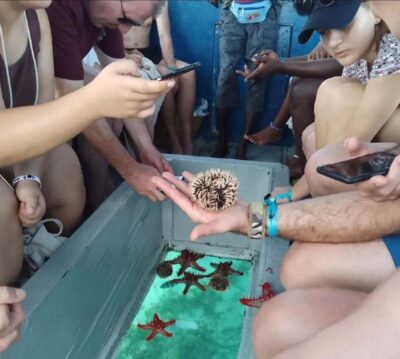 ★ 4.6Diani Beach: Glass Boat Cruise to Robinson IslandFrom $4269 reviews
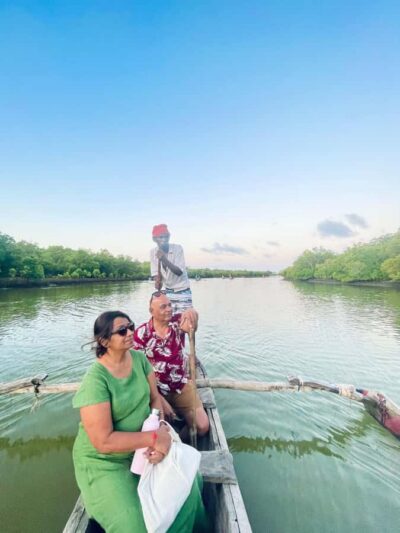 ★ 4.8Diani: Sunset Canoe Tour along the River with MangrovesFrom $2865 reviews
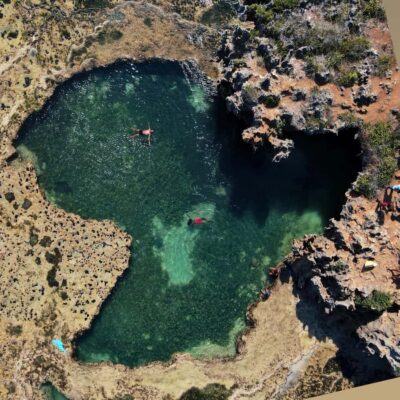 ★ 4.7Diani Beach: Private African Pool Map Guided TourFrom $3552 reviews
 ★ 5.02 Days Tsavo East National Park Tour From Mombasa/Diani (1 Night)From $50650 reviews
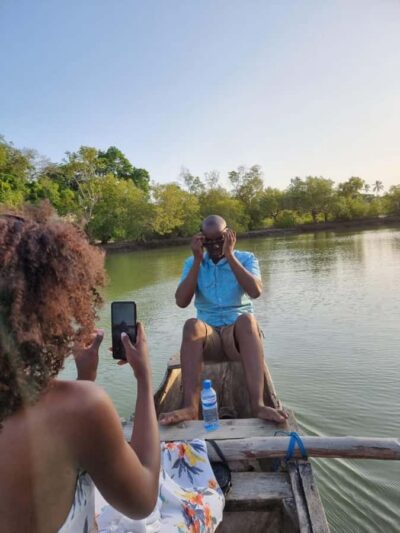 ★ 4.7Diani Beach: Kongo River Estuary Sundowner Boat TourFrom $4239 reviews
 ★ 4.9Overnight Tsavo East Safari From Mombasa/Diani (Private)From $50739 reviews
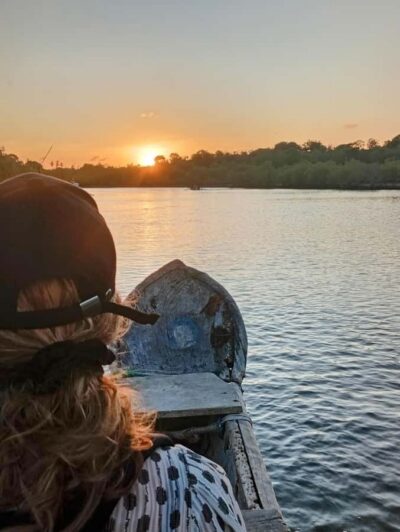 ★ 4.4Diani Beach: Kongo River Sunset Experience in a canoeFrom $3231 reviews
Appears in these lists