
REVIEW · MARKETS
Nairobi: Explore Maasai Market for Unique Souvenirs
Shopping in Nairobi can feel personal fast. A local guide turns Maasai Market into more than a browse, with real bargaining tips and practical help choosing what’s worth your money. I also like that you get time to meet the artisans and social impact entrepreneurs behind the crafts, so the items come with stories, not just price tags.
One thing to think about first: this is a hands-on shopping walk. You’ll be deciding, comparing, and negotiating in a crowded open-air market, so you need comfortable shoes, a calm head, and tight control of your belongings.
In This Review
- Why a Maasai Market Shopping Tour Beats DIY in Nairobi
- Key Points You Should Know Before You Go
- Meeting at Hilton Arcade: Your Quick Start in Central Nairobi
- The $10 Question: Is This Good Value for 2 Hours of Shopping Help?
- City-Center Craft Shops First: Why You Should See the Prices Early
- Entering Maasai Market: Handmade Goods You Can Actually Identify
- Bargaining Without the Awkwardness: The Tips That Make It Feel Fair
- Meeting Artisans Up Close: When Gifts Become Stories
- Shopping Beyond One Stop: Optional Production Centers and More City Time
- What to Bring and How to Shop Smart in a Crowded Market
- What You’ll Walk Away With: Souvenirs That Mean Something
- A Balanced Reality Check: The Main Considerations
- Should You Book This Maasai Market Shopping Tour?
- FAQ
- How long is the tour?
- Where do I meet the guide?
- Is the guide available in English?
- What kinds of items will I see at Maasai Market?
- Do I need cash for purchases?
- Does the tour include help with bargaining and language?
- Is the route flexible?
- Are there any restrictions during the tour?
Why a Maasai Market Shopping Tour Beats DIY in Nairobi
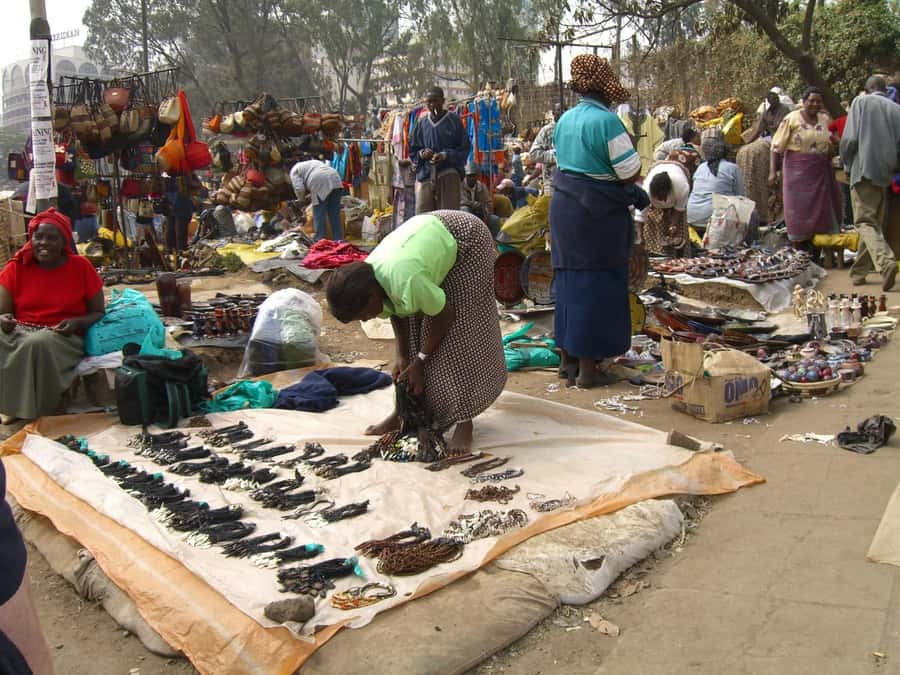
If you’ve ever wandered through a craft market and felt like everyone is talking at you, you’ll understand the big win here. The guide doesn’t just point out shops, they help you read the situation fast. That means less time guessing, less risk of overpaying, and more time actually enjoying the shopping.
The other advantage is culture that you can see in the objects. You’re not only looking at jewellery and beadwork, you’re learning how items are made and why specific designs matter. That turns souvenirs into gifts you can explain, and it helps you buy with confidence.
From the reviews and the tour setup, one name comes up again and again, Erick. People describe him as attentive, careful, and tuned into what you want. That matters in markets where the pace can feel intense.
Other Nairobi bookings that survived the same scrutiny
Key Points You Should Know Before You Go
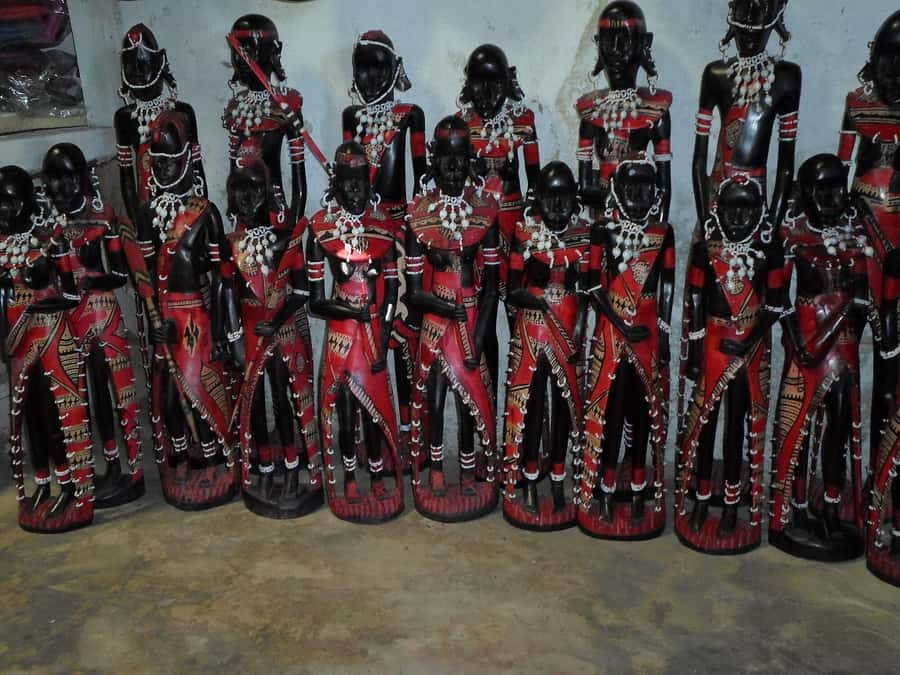
- Erick’s help with language and negotiation so you can bargain with clarity instead of stress
- Meet artisans and social impact entrepreneurs behind the jewellery, textiles, carvings, paintings, and beadwork
- Quality checking guidance to help you spot better-made items
- Bargaining is taught, including how to talk about price confidently
- City-center craft and gift shops first, so you get a price sense before you hit the main market
Meeting at Hilton Arcade: Your Quick Start in Central Nairobi
Your tour begins at Hilton Arcade along Mama Ngina Street. It’s a practical meeting point, right in the city center, where you can get your bearings quickly and avoid the start-of-day confusion that often kills market time.
You’ll be walking, and the overall duration is listed as 2 hours. That doesn’t mean you rush blindly. It means the guide plans a route that fits real shopping energy, with stops where you can look closely, ask questions, and decide without feeling trapped in a long tour.
Also, keep this in mind: the market experience is outdoors and weather matters in Nairobi. The tour notes recommend being ready with a hat and sunscreen for sunny conditions, or a light jacket if it turns cooler. Pack for comfort, not for style.
The $10 Question: Is This Good Value for 2 Hours of Shopping Help?
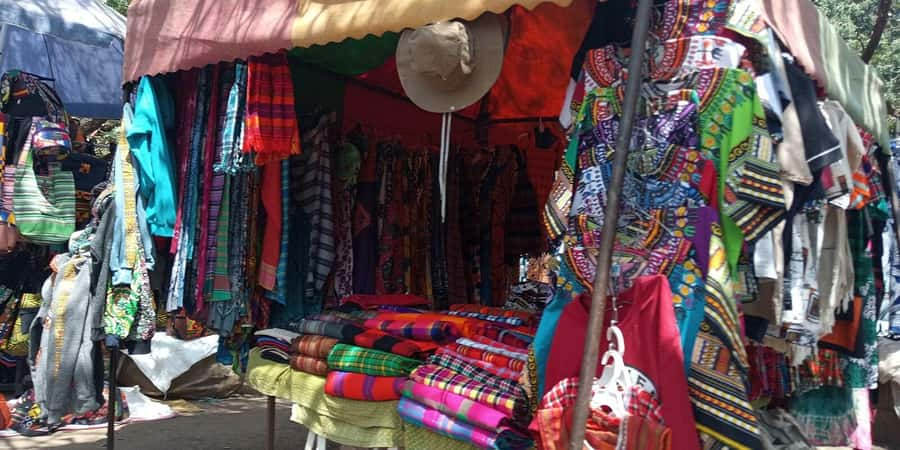
At $10 per person, this is positioned as a low-cost way to get high-use support. The value isn’t the price alone. It’s what you get for that money, including guided walk-through shopping, local bargaining tips, translation assistance, quality checking help, and recommendations from a trusted local.
Here’s the honest way to judge value for yourself. If you only want a single small souvenir and you already feel confident bargaining, you might shop on your own. But if you want several gifts, or you want to buy ethically and avoid getting steered, the guide’s support can easily outweigh the cost.
The best value sign is practical: you get help carrying heavy or bulky shopping after you buy. That small detail matters more than people think when you’re hauling bags through crowded stalls and city sidewalks.
City-Center Craft Shops First: Why You Should See the Prices Early
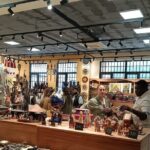
The flow is smart. You start with gift and craft shops in the city center before heading to the Maasai market.
That first phase does two useful things for you:
- It helps you understand the price range before the market crowding starts.
- It gives you time to learn what “good” looks like, so you’re not trying to learn bargaining while also making final choices.
You also get a chance to meet different artisans and social impact entrepreneurs across multiple stops. That variety can help you compare styles and workmanship, which is where your money decisions become easier.
One review also points to a wholesale-style shop stop, where items can feel very inexpensive compared to what you might see in more tourist-heavy settings. Even if you don’t plan on buying wholesale, it helps you calibrate your expectations.
Other Nairobi bookings that survived the same scrutiny
- Half-Day Nairobi National Park and Maasai Market with Pick up
- Authentic Kenyan Cooking Class & Market Tour in Nairobi
- Nairobi: Hop on Hop off and Maasai market Collections Visit
- Explore local Market matatu ride & Make Kenyan Cuisines with a home cook
- Market Tour and Traditional Kenyan Cooking Class in Nairobi
Entering Maasai Market: Handmade Goods You Can Actually Identify
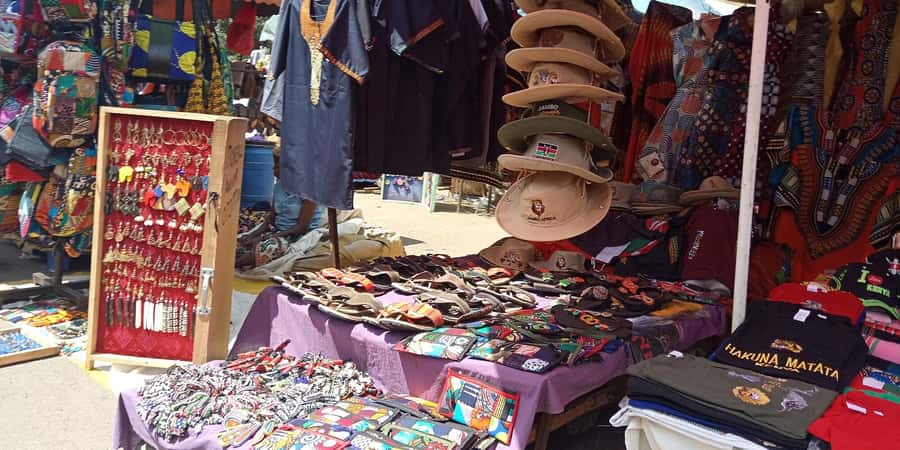
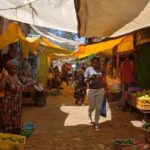
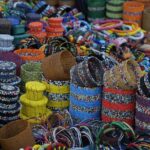
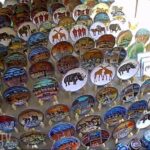
The Maasai market is described as a large open-air bazaar, full of artisans showing handmade items. Expect to see jewellery, textile goods, carvings, paintings, and beadwork. This is the part where you can slow down and look closely, especially if you’re shopping for gifts that need real meaning behind them.
What makes the guide step matter here is quality and storytelling. You’re not just choosing the prettiest item. You’re learning how each item is made and what cultural meaning is attached to certain designs. That helps you ask better questions, and it helps you avoid buying something you don’t fully understand.
A small but important detail from the reviews: the market can change location depending on the day, staying on weekdays and shifting away on weekends. Your guide, Erick, knows the pattern and helps you find the right setup when you go. That’s a real advantage over DIY planning.
Bargaining Without the Awkwardness: The Tips That Make It Feel Fair
Bargaining is the skill most visitors want, and most don’t feel confident doing. This tour is built to fix that.
You’ll get local bargaining tips and translation help, plus feedback on price-setting. The goal is not to “win” a negotiation. The goal is to talk in a way that makes sense locally, then agree on a fair price based on quality.
Here’s what you should do when you’re in the thick of it:
- Look at the craft first, not the price tag.
- Ask questions about materials or the making process.
- Use your guide to check quality, then negotiate from informed ground.
Also, your guide can help prevent the classic mistake of buying the first item that catches your eye. When you’re learning price ranges while shopping, you tend to make more confident decisions.
Meeting Artisans Up Close: When Gifts Become Stories
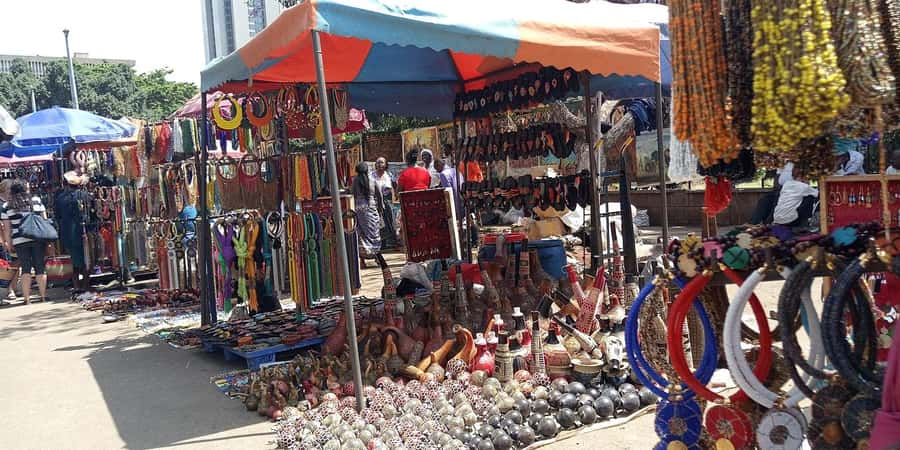
One of the most praised parts of this experience is meeting and chatting with the people who make the crafts. You’re not only buying from a stall, you’re meeting artisans and entrepreneurs who put work into each item.
That changes the way you shop. You start to notice:
- The difference between mass-produced looks and careful craftsmanship
- How designs connect to cultural meaning
- Whether a seller can explain what you’re holding
Reviews also highlight that the guide prepares you for what to expect, which makes interactions feel more comfortable. And for anyone shopping as a pair, it’s worth noting that at least one review mentions feeling safe and supported while exploring.
Shopping Beyond One Stop: Optional Production Centers and More City Time
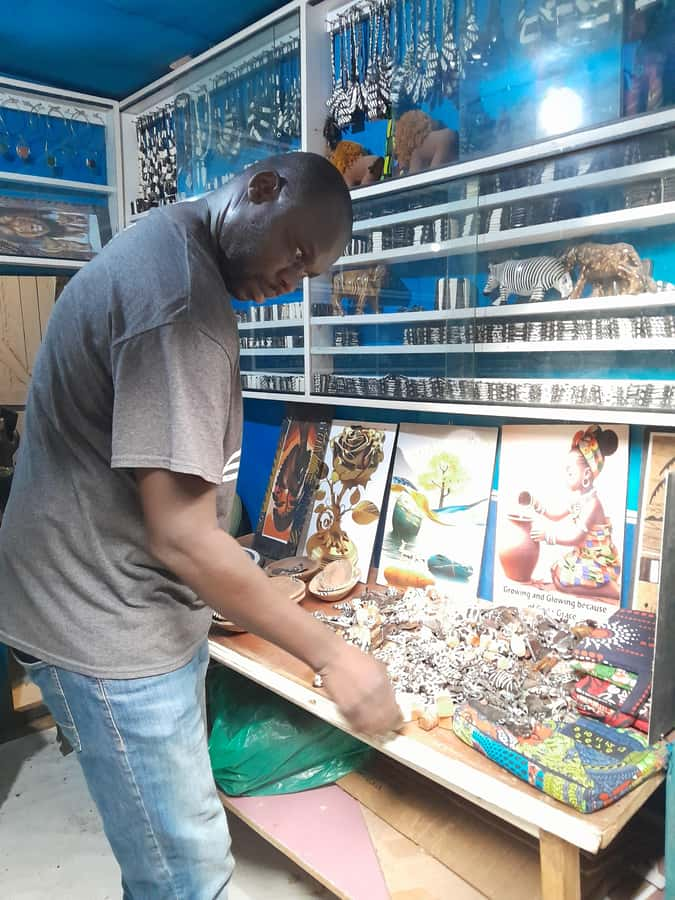
After the Maasai market, you can go further if you still want more.
The tour notes say the plan can include additional craft production and selling centers if you want more shopping or exploration. It’s also flexible, meaning you can personalize the experience around your interests rather than follow a rigid script.
There’s also an optional short walking tour and some city-center sightseeing after you’ve shopped. This is a nice “reset” if you’ve been focused on market choices for a while. You get a chance to stretch your legs, look around, and see more of central Nairobi without turning it into a full day.
What to Bring and How to Shop Smart in a Crowded Market
The tour advises you to bring cash, because not all vendors may accept credit cards. So plan your budget ahead of time. Withdraw only what you need so you don’t feel pressured to overspend.
Comfort matters too. Wear comfortable shoes. The market and city sidewalks mean a lot of walking. Add in crowd density, and your feet will tell you quickly if your shoes are wrong.
And please treat your belongings like you would in any busy market. The tour warns that crowded market areas can be a pickpocket target. Keep bags zipped, keep valuables secure, and don’t leave anything tempting lying around.
If you’re planning multiple gifts, think about weight early. The tour includes help carrying heavy or bulky shopping, which means you’re not stuck dragging everything behind you.
What You’ll Walk Away With: Souvenirs That Mean Something
This tour is best if you want gifts that feel personal, not generic.
You’re looking at items like:
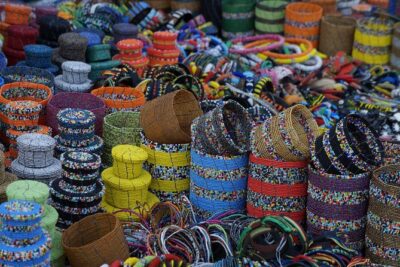
- Handmade jewellery where beadwork and detail are part of the value
- Textile and garment pieces where patterns can connect to identity and tradition
- Carvings and paintings that reflect local creative styles
- Beadwork where design choices show craftsmanship
The real win is that you can explain your purchases. When you know how something is made and what it represents, giving it later feels warmer and more thoughtful.
Also, your guide can help you identify higher quality souvenirs. That doesn’t mean the cheapest item is always wrong, but it does mean you’re less likely to get sold something that looks right from a distance but falls apart in the details.
A Balanced Reality Check: The Main Considerations
This tour is strong for shopping, but it’s not a “sit and relax” outing.
Here’s what might not fit your style:
- If you hate bargaining or don’t want to make buying decisions, you could find the market intensity tiring.
- If you’re expecting a long sightseeing day, the tour is only listed as 2 hours, and the focus stays on shopping.
- If you only want one tiny souvenir, the guide’s value might feel less obvious.
Still, for most people shopping for several gifts, the guide support is exactly what turns a confusing market into a satisfying one.
Should You Book This Maasai Market Shopping Tour?
I’d book this if you want more than souvenirs. You want a smoother shopping experience with translation help, bargaining guidance, and a better chance of buying quality items for fair prices. Starting at Hilton Arcade is convenient, and the added city-center shop phase helps you understand pricing before you commit.
Skip it if you already have a strong bargaining routine and you’re happy shopping alone with no quality checks or cultural context.
If you’re somewhere in the middle, this is a very reasonable way to get your feet on the ground, meet the makers, and leave with gifts that come with real meaning.
FAQ
How long is the tour?
It runs for 2 hours.
Where do I meet the guide?
You meet at Hilton Arcade along Mama Ngina Street.
Is the guide available in English?
Yes, the live tour guide speaks English.
What kinds of items will I see at Maasai Market?
You can expect handmade items such as jewellery, textiles, carvings, paintings, and beadwork, plus other local craft and gift shops.
Do I need cash for purchases?
Bring cash, since not all vendors may accept credit cards.
Does the tour include help with bargaining and language?
Yes. You get local bargaining tips and assistance with language barriers, plus help with price negotiation and quality checking.
Is the route flexible?
Yes, you can personalize the experience, and the tour can include additional craft production and selling centers if you want more shopping.
Are there any restrictions during the tour?
Smoking is not allowed, and you also should not have food or alcoholic drinks in the vehicle.
Kenyan Market Mornings


More Shopping Tours in Nairobi
More Tour Reviews in Nairobi






Everything else we hold on Nairobi
- 7 Days Private 4 star lodges Safari by LandCruiser from Nairobi★ 5.0 · 3 reviews
- 5 Days/4 Nights Kenya Safari★ 4.5 · 3 reviews
- Safari Park Hotel Show & Dinner Experience In Nairobi Tour★ 3.6 · 3 reviews
- Day safari to Olpejeta Rhino conservancy★ 5.0 · 3 reviews
- 7 Days Breathtaking Kenya Wildlife Private Safari★ 5.0 · 3 reviews
- Overnight Amboseli National Park Safari from Nairobi★ 5.0 · 3 reviews
Markets, compared.
 ★ 5.0Traditional Kenyan Cooking Class & Local Market TourFrom $50129 reviews
 ★ 5.0Memorable Daily KIBERA Slums/Toi Market Tour with Locals (2 hours)From $2529 reviews
 ★ 4.8Mombasa City Tour,Fortjesus,Oldtown,Tusks and Spice Market.From $4519 reviews
 ★ 5.0Half-Day Nairobi National Park and Maasai Market with Pick upFrom $18016 reviews
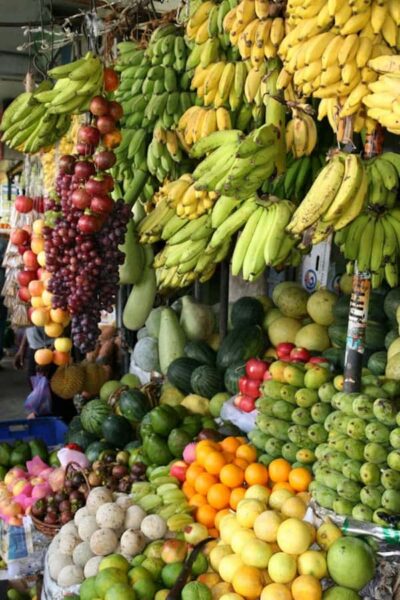 ★ 5.0Authentic Kenyan Cooking Class & Market Tour in NairobiFrom $6412 reviews
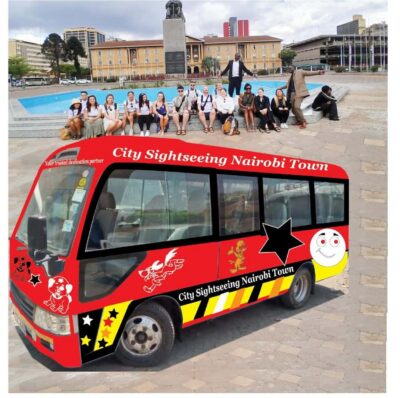 ★ 3.5Nairobi: Hop on Hop off and Maasai market Collections VisitFrom $9810 reviews
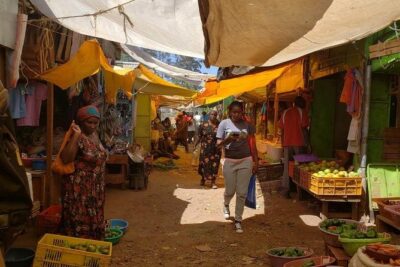 ★ 5.0Explore local Market matatu ride & Make Kenyan Cuisines with a home cookFrom $608 reviews
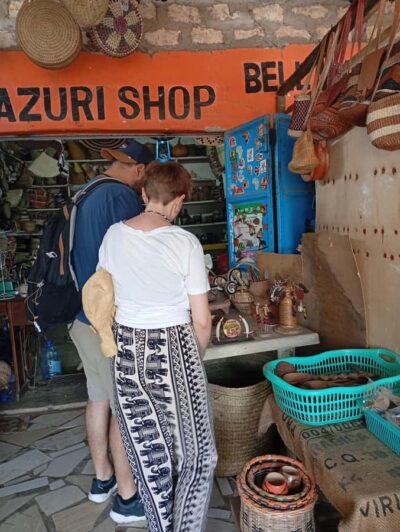 ★ 4.2Diani: Market and Street Food Walking TourFrom $306 reviews
Appears in these lists