

REVIEW · KIBERA COMMUNITY TOURS
Kibera Chocolate City Tour
This tour changes how you see Nairobi. In Kibera Town Centre, you walk with local guides and learn what daily life looks like, starting at markets and ending with a wider view near the historical railway. It is designed to break stereotypes and challenge the usual, one-note stories.
I love the local perspective that comes from guides like Collins, who grew up in Kibera and clearly cares about the community’s future. I also love that the tour includes the Agape school and library, where children get education and a chance to play with friends.
One consideration: this is real, on-the-ground walking in a busy neighborhood, and the experience requires good weather. You’ll want to dress for the conditions and follow your guide closely.
In This Review
- Key highlights you’ll feel on the ground
- Why the Kibera Chocolate City Tour feels different
- Price and group size: what $22 covers in real terms
- Meeting at Kibera Town Centre: how to start without the panic
- Stop by stop: what you actually do and what it teaches you
- Kibera Town Centre and getting your bearings in the real neighborhood
- Toi Market: small businesses, hands-on interaction, and how people earn
- Victoria Bones Craftshop: turning craftsmanship into livelihood
- Agape school and library: education and play where you can see it
- Walking by the historical railway: a wider view of Kibera
- Duration, weather, and when to fit it into your Nairobi schedule
- How to interact respectfully (and feel safer)
- Is it worth your time? Who should book this tour
- Should you book the Kibera Chocolate City Tour?
- FAQ
- How much does the Kibera Chocolate City Tour cost?
- How long is the tour?
- Where does the tour start and end?
- What ticket format do I receive?
- Is the tour offered on specific days and times?
- What is the maximum group size?
- What if the weather is bad?
- Can I cancel for free?
- Are service animals allowed?
Key highlights you’ll feel on the ground

- Local-led route through Kibera Town Centre, with context that goes beyond what you see from a distance
- Toi Market stop, built around everyday small business life
- Victoria Bones Craftshop visit, a chance to see how crafts connect to local livelihoods
- Agape school and library time, focused on education and kids’ play
- Historical railway walk-by, giving you a bigger mental map of the area
Kibera walks guided by residents of the settlement
Why the Kibera Chocolate City Tour feels different
Kibera can sound like a headline, but this tour keeps bringing you back to people, routines, and choices. The goal is not to treat the neighborhood like a spectacle. Instead, you get a guided, respectful look at how community members live and survive, plus how they build resilience and community spirit.
I like that the tour is framed around breaking stereotypes. That matters, because Nairobi is full of easy assumptions if you only skim the surface. A local guide can show you what you would miss in photos, like how the economy really functions block by block, and how neighbors create support without waiting for outsiders.
The feel also depends on who is guiding your group. In past tours, guides such as Collins, Allan, and Rama have led people through Kibera with confidence and warmth. Collins in particular stands out in the stories people share, because he is from the community and explains it like he is talking to family, not like he is performing for strangers.
Price and group size: what $22 covers in real terms
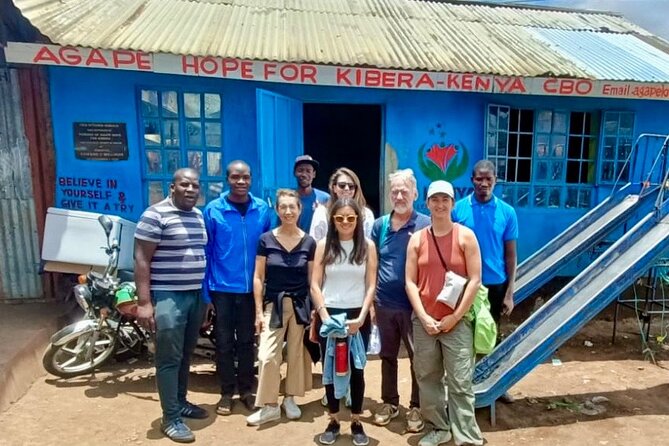
The price is $22 per person, and the tour runs about 2 to 3 hours. That length is a sweet spot. Long enough to learn names, see how the neighborhood works in motion, and visit key places. Not so long that you feel worn out before you finish.
It also has a maximum group size of 30. For a tour like this, smaller is always nicer, but capped groups help keep the pace manageable. You’re not just trying to get through a checklist. You want time to ask questions and interact with locals in a way that feels human.
You’ll also get a mobile ticket. No paper fuss. When you travel with phones, it’s one less thing to manage.
Now for the value question. Yes, $22 is low compared to many “culture tours” in major cities. But what makes it good value is the structure of the experience: the route is built around places tied to daily life, plus an education stop at the Agape school and library. In the guide stories people share, the money you pay is described as going toward supporting children, and that lines up with why the tour includes that school visit.
Meeting at Kibera Town Centre: how to start without the panic
The tour begins at Kibera Town Centre, at Kamukunji Grounds, Nairobi. It ends back at the same meeting point. That simple “in and out” plan is helpful, especially for a first visit, because you don’t have to worry about ending up in an unfamiliar part of town.
Because the tour operates daily between 8:00 AM and 6:00 PM, you can usually pick a time that matches your Nairobi day. If you’re pairing it with other activities, try to schedule it when you can stay present. Two to three hours can move fast once you’re walking and talking.
Also note that the activity is listed as near public transportation. That helps you build an itinerary without needing a complicated ride plan just for this segment.
Stop by stop: what you actually do and what it teaches you

Other Nairobi bookings that survived the same scrutiny
Kibera Town Centre and getting your bearings in the real neighborhood
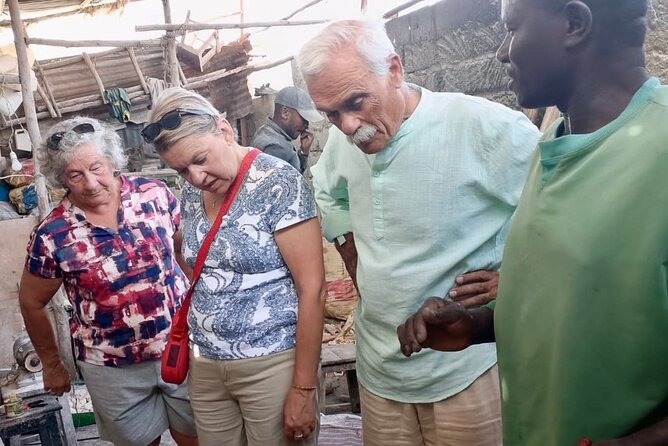
You start at Kibera Town Centre, and the point of the opening minutes is orientation. Your guide helps you understand how people live in Kibera, not as a dramatic story, but as an everyday system. You also get the tour’s bigger message early: challenge the stereotypes, see the resilience, and recognize the community’s creativity and connection.
This part is where you’ll benefit most from asking questions. If you keep your mind open and your tone respectful, the conversation can quickly turn into something more useful than sightseeing, like learning how work, family networks, and local routines support life.
One drawback you might notice here: if you’re expecting smooth sidewalks and easy walking, you may feel surprised. This is a neighborhood, not a theme park. Go in mentally prepared for uneven ground and a more active street environment.
Toi Market: small businesses, hands-on interaction, and how people earn

Next you’ll visit Toi Market, where local businesses are located. This stop is practical. Markets are where economies show themselves, and in Kibera the market experience can explain a lot of what you otherwise would not understand.
You’ll get to see transactions and daily commerce at work. More importantly, you get context from your guide, who can explain what you’re seeing beyond the surface. That can turn browsing into real learning.
If you’re the type who likes to chat, this is your moment. When your guide sets the tone, you can interact with locals more naturally, ask about what’s sold, and learn what matters to the people running the stalls.
A helpful mindset: try to treat this as an encounter, not a photo hunt. Even if you don’t buy anything, the respect is the point.
Victoria Bones Craftshop: turning craftsmanship into livelihood

After the market, you’ll visit Victoria Bones Craftshop. A craftshop might sound like a souvenir stop, but in this context it serves a different function. It connects what you just saw in the market to the people making and sustaining those products.
You’re not only looking at items. You’re learning how local skills link to income and community survival. If you like buying gifts that carry meaning, this is usually where you can find something more personal than a generic postcard.
Also, you’ll likely get a better sense of what local creativity looks like up close. That matters because stereotypes often flatten creativity into “survival only.” Craftwork reminds you that life includes making, design, and pride, even in hard conditions.
Agape school and library: education and play where you can see it

The tour includes a visit to a school and library connected with Agape, specifically described as a place where children of Agape get education and play with friends.
This stop has a different emotional rhythm from the market and craftshop. It is still guided and informational, but the purpose is clearer: you’re seeing education in action, not just hearing about it.
In the stories people share, the tone can be joyful. On certain dates, children have been playing in visible, normal ways, and that changes how the whole neighborhood feels. It’s a reminder that childhood continues, even when the surroundings are tough.
What to do with that moment:
- Listen first. Let your guide explain the setting and the role of the school and library.
- If you’re asked to participate or interact, do it gently and follow the lead of the staff and guide.
- Keep your expectations grounded. This is not a performance. It’s a place where kids live their day.
This is also one reason the tour works as “value.” You’re not paying for a distant viewing. You’re supporting an experience designed around education and community care, and you get direct contact with the idea in practice.
Walking by the historical railway: a wider view of Kibera
Finally, you’ll walk by the historical railway. This is a “zoom out” moment. Up to now, you’re moving through specific places: market, shop, education space. The railway walk gives your guide a chance to explain broader geography and how people relate to the layout of the neighborhood.
This is helpful for your mental map. After you’ve seen a few landmarks, the railway becomes an anchor point. Suddenly it’s easier to connect streets and spots, and your understanding shifts from “places I visited” to “a neighborhood with a structure.”
If you like photos for context, this is a good place to capture a sense of place. Just make sure you follow your guide’s pace and instructions.
Duration, weather, and when to fit it into your Nairobi schedule
The tour runs 2 to 3 hours. It’s listed as operating Monday through Sunday, 8:00 AM to 6:00 PM. The experience also requires good weather. That’s important because the walking portion and street conditions depend on it.
Plan for this: if rain is in the forecast, don’t stack your day so tightly that you’re trapped in a schedule. The operator notes that if the tour is canceled due to poor weather, you’ll be offered a different date or a full refund. Having some flexibility around your Nairobi plans will make everything easier.
Also remember: you’re moving in a working neighborhood. Wear comfortable shoes and dress for the conditions. Light layers help, because Nairobi days can shift.
How to interact respectfully (and feel safer)
This tour is designed for engagement: you’ll interact, talk, and learn from locals. That can be rewarding, and it can also require you to adjust your behavior from typical sightseeing mode.
Here’s what works well based on how the guides are described:
- Expect a warm, family-like tone from guides such as Collins. That doesn’t mean you ignore boundaries. It means the guide will likely introduce you in a way that keeps you respectful and welcomed.
- Ask questions with curiosity, not interrogation. Your guide can translate what you see into meaning.
- Follow the guide’s lead on where to stand, how to move, and when to pause.
Safety is not promised in a blanket way, but the structure helps. A local guide, a clear starting point, and a planned route reduce confusion. Plus, when a guide is from the community and treats people like family, the tone tends to be grounded and calm.
Is it worth your time? Who should book this tour
This experience is marked as suitable for most people, and it allows service animals. It also fits well if you want an honest look at Nairobi beyond the obvious tourist lanes.
You’ll especially enjoy it if you:
- Want a local-led understanding of Kibera, not just a quick stop.
- Like meeting guides who can explain the “why” behind what you see.
- Care about education and community resilience, since the tour includes the Agape school and library.
If you’re someone who needs lots of privacy, or you strongly prefer sanitized settings, this tour may feel intense. It’s real street life. The right move is to adjust your expectations before you go.
You can also request a private tour or focus on specific topics and places of interest. If you’re traveling with friends and want more room for questions, that option can be a great fit.
Should you book the Kibera Chocolate City Tour?
If your goal is to understand Kibera from the inside, this is a strong booking choice. The route is built around meaningful stops, from Toi Market to the Agape school and library, and the guidance from people like Collins, Allan, and Rama has been highlighted for trust and care. The $22 price also makes it easier to justify, since you’re not paying just for access. You’re paying for context and community connection.
That said, I’d book it when you can handle the walking and you can stay respectful and open-minded. Choose a clear-weather time. Wear good shoes. Keep your questions thoughtful. If you do those things, you’ll come away with a much clearer picture of what Kibera life looks like day to day, and why community members keep building their future.
FAQ
How much does the Kibera Chocolate City Tour cost?
It costs $22.00 per person.
How long is the tour?
The tour lasts about 2 to 3 hours.
Where does the tour start and end?
It starts at Kibera Town Centre, Kamukunji Grounds, Nairobi, Kenya, and ends back at the same meeting point.
What ticket format do I receive?
You get a mobile ticket.
Is the tour offered on specific days and times?
Yes. It is listed as running Monday through Sunday from 8:00 AM to 6:00 PM, within the overall availability dates shown for the activity.
What is the maximum group size?
The tour has a maximum of 30 travelers.
What if the weather is bad?
The experience requires good weather. If it is canceled due to poor weather, you will be offered a different date or a full refund.
Can I cancel for free?
Yes. Free cancellation is available up to 24 hours in advance for a full refund.
Are service animals allowed?
Yes, service animals are allowed.
More Tours in Nairobi






More Tour Reviews in Nairobi


Walking Kibera Again






Everything else we hold on Nairobi
- 7 Days Private 4 star lodges Safari by LandCruiser from Nairobi★ 5.0 · 3 reviews
- 5 Days/4 Nights Kenya Safari★ 4.5 · 3 reviews
- Safari Park Hotel Show & Dinner Experience In Nairobi Tour★ 3.6 · 3 reviews
- Day safari to Olpejeta Rhino conservancy★ 5.0 · 3 reviews
- 7 Days Breathtaking Kenya Wildlife Private Safari★ 5.0 · 3 reviews
- Overnight Amboseli National Park Safari from Nairobi★ 5.0 · 3 reviews
Kibera Community Tours, compared.
 ★ 4.9Nairobi: Explore Kibera Slum with Local GuidesFrom $15365 reviews
 ★ 5.0Kevins Kibera Slum ToursFrom $65213 reviews
 ★ 5.0Nairobi: Kibera Slum storytelling tour with a LocalFrom $20185 reviews
 ★ 5.0Kibera Slum Tour with LucasFrom $35119 reviews
 ★ 5.0Nairobi: Kibera Slum Tour with Local Social EntrepreneursFrom $40107 reviews
 ★ 4.5See Kibera with a Non-Profit LeaderFrom $30107 reviews
 ★ 5.0Private Tour in Kibera the Largest SlumFrom $1554 reviews
 ★ 5.0Ismael’s Kibera Slum TourFrom $6542 reviews
Appears in these lists