

REVIEW · KIBERA COMMUNITY TOURS
Full Day Kibera Slum Tour
Kibera is not a postcard neighborhood. This private Nairobi tour takes you through daily life in the area around Toi Market, then into the community-led Hope and Shine Kibera Center, where the day becomes hands-on. I also like that the itinerary includes multiple viewpoints, from market traders to a women’s group conversation, so you get more than one story.
The main drawback to watch for is guide quality. One review flagged a problem with the guide’s knowledge, so I’d plan to go in with questions, and keep expectations realistic about explanations on the day.
In This Review
- Key Things You Should Know Before You Go
- Why This Kibera Slum Tour Feels More Real Than a Checklist
- Getting There: Hotel Pickup, Greenhouse Mall Briefing, and Setting Expectations
- Toi Market: Traders, Sections, and How to Shop Without Turning It Into a Circus
- Hope and Shine Kibera Center: Volunteering, Co-Curriculum Time, and Real Community Support
- Beyond the Center: Bead Shops, Small-Scale Work, and Recycling-Linked Life
- Women’s Group, Youth Group Visits, and the Matatu Ride That Changes Your Perspective
- Price and Value: Is $65 a Good Deal for a 4 to 6 Hour Private Tour?
- How to Prepare: What to Bring, How to Act, and What to Ask
- Who Should Book This Tour, and Who Might Prefer Something Else
- Should You Book the Full Day Kibera Slum Tour?
- FAQ
- How long is the Kibera slum tour?
- Is lunch included?
- Do I get hotel pickup?
- Is this tour private?
- What is included in the price?
- What stops are included during the day?
- Can I cancel for a full refund?
Key Things You Should Know Before You Go
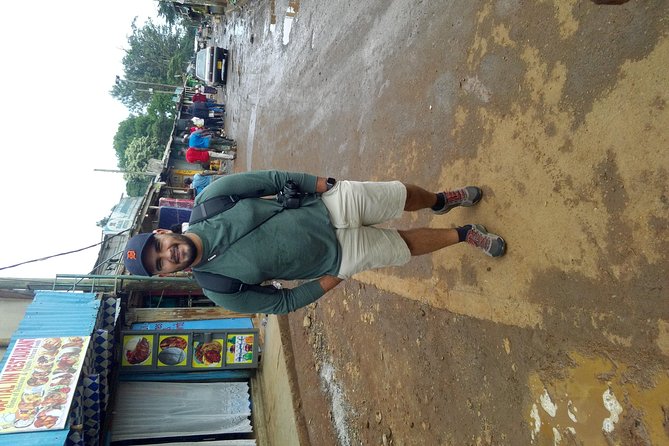
- Private means your group sets the rhythm, and you can go at your own pace.
- Hope and Shine Kibera Center is the core stop, with volunteering and co-curriculum time.
- Toi Market isn’t just shopping, it’s structured to help you understand how traders and sections work.
- Women’s group and youth group chats add context you will not get from photos.
- A matatu experience gives you a quick, real look at everyday transit and local movement.
- $65 covers fees, taxes, and private transportation, with admission included, but lunch is on you.
Kibera walks guided by residents of the settlement
Why This Kibera Slum Tour Feels More Real Than a Checklist

Kibera can feel overwhelming if you only come for photos. What I like about this tour is that it is built around people and routines, not spectacle. You are guided through markets, community projects, and small businesses, so the day reads like a series of conversations and observations.
Another strong point is how the visit is structured. You start with an orientation at a starting point, then move into the market environment, then into education and community support at Hope and Shine. That flow helps you understand what you are seeing before you rush past it.
One important consideration is that the experience is community-facing. That means you should show up calm, respectful, and ready for a slower pace than a typical city tour. If you are looking for quick, surface-level highlights, this one may feel heavy in a good way, but it is still a community visit.
Getting There: Hotel Pickup, Greenhouse Mall Briefing, and Setting Expectations
You get hotel pickup at your lodging, then a short briefing at the Greenhouse Mall starting point. That first handoff matters, because Kibera can be easier to navigate with a guide who knows the local rhythm and how to introduce you appropriately.
The tour is listed at 4 to 6 hours (and the Kibera portion of the plan is described as about seven hours). Real life timing can shift based on foot traffic and how the community activities run, so I’d give yourself some buffer for the rest of your day.
Also note the practical side: pickup plus private transportation makes this less stressful than trying to piece together transport on your own. You will still want to be ready for busy roads and close quarters, but the transition from Nairobi city to the community is handled for you.
Toi Market: Traders, Sections, and How to Shop Without Turning It Into a Circus
One of the most valuable parts is the time in and around Toi Market. You spend time on the side of the market, learning how traders work and identifying different sections, rather than just walking past stalls. That helps you interpret what you see, and it makes shopping feel more intentional.
Instead of treating it like a generic souk stop, the guide is positioned to explain daily life: what people sell, how trade flows, and how the market functions as a hub. If you take a moment to watch how people move, ask one or two questions, and keep your pace steady, you will come away with real understanding.
If you buy something, consider it part of the experience. But do it like a thoughtful visitor: ask before you photograph, keep your bargaining respectful, and avoid turning one stall visit into a long negotiation if the trader seems busy. Markets are work first, and the best interactions are the ones that respect that.
Hope and Shine Kibera Center: Volunteering, Co-Curriculum Time, and Real Community Support

The day’s emotional and educational center is the Hope and Shine Kibera Center. You join a volunteering element, then learn about children’s daily life and their teacher, and you take part in co-curriculum activities.
This is where the tour shifts from observation to participation. Even if you do not do anything hands-on for long, being present during a learning activity helps you understand the purpose behind the community work. One review highlighted a guide named Lucas who brought a group time into a class setting where children were singing and sharing learning moments. That kind of experience is exactly what makes this stop more than a photo opportunity.
There are also two aerial views of the city of Hope included in the plan. That is a smart touch because it gives you a broader sense of where the community sits in the Nairobi story, rather than only seeing close-up street details.
My advice: treat this stop like a guest. Keep your phone away unless your guide says it is okay, follow local cues, and expect that your presence should support the setting, not disrupt it.
Other Nairobi bookings that survived the same scrutiny
Beyond the Center: Bead Shops, Small-Scale Work, and Recycling-Linked Life
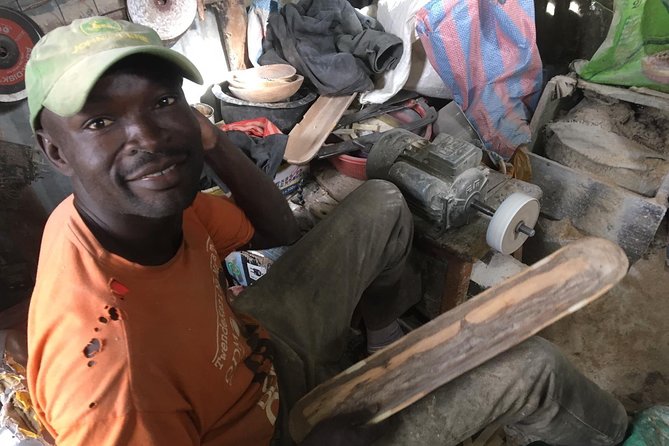
The tour is designed to show practical work in the neighborhood. The broader tour description mentions recycling plants and a bead factory, and the Kibera portion includes bead shops where you can see craft and production up close.
What you are really doing here is learning how income and skill move through the community. Bead work, small manufacturing, and recycling linked activities are often time-sensitive and knowledge-based. When you watch how items are made and how products are sold, you start to understand the difference between seeing people and understanding livelihoods.
This is also a good moment to ask questions about what you are seeing. For example: what is the product used for, who makes it, and how does it get sold? Your guide should be able to connect the dots between the market world and the community work world.
Keep in mind that small businesses operate differently than shops in tourist zones. Staff may be busy, and interruptions can be costly. A calm, respectful approach goes a long way.
Women’s Group, Youth Group Visits, and the Matatu Ride That Changes Your Perspective

A standout feature is direct conversation time. You meet a women’s group and you meet a youth group, so you hear what people do day-to-day and what community challenges are being tackled. This is one of the highest-value parts of the tour because it turns your visit into dialogue.
In the women’s group stop, the goal is not a performance. You are there to listen, learn, and ask thoughtful questions. If you go in with curiosity and avoid interrogating people, you will get much more from the conversation.
Then there is the matatu experience, which is included as part of the day. Matatus are part of daily transit life in Nairobi, and riding one (even for a short stretch) helps you understand how people actually get around. It also helps you connect what you see in the community to the wider city, because transit is how places stay linked.
From a comfort standpoint, expect tight seating and a lively ride. If you have mobility issues or trouble with crowded vehicles, talk to your operator in advance about what the matatu segment will look like for your situation.
Price and Value: Is $65 a Good Deal for a 4 to 6 Hour Private Tour?

At $65 per person, this tour is priced to be accessible, but it is not a free-for-all budget option. You are paying for private transportation, all fees and taxes, and admission ticket coverage, and the structure includes multiple stops and guided explanations.
What that means for value is simple. This is not just a walk with a hand-wavy guide. You get a sequence of community-based visits: market orientation, center time for volunteering and co-curriculum, craft-related stops, and conversation moments with women and youth groups. Those parts are hard to replicate on your own safely and responsibly.
Lunch is not included, so you should plan accordingly. If the tour runs toward the longer end of the time window, you may want to eat before you go or have a snack plan for after the tour.
One more value note: private tour pacing. You go at your own pace, which matters when you are visiting real spaces where people’s schedules and comfort need flexibility.
How to Prepare: What to Bring, How to Act, and What to Ask

For a community-focused visit, you do not need fancy gear. You do need practical basics and a respectful mindset.
Bring:
- A light layer, Nairobi weather can shift and indoor spaces can be cooler
- Comfortable shoes for walking and standing near market areas
- A reusable water bottle if you have access during the day
Act:
- Keep your questions simple and kind. Focus on how daily life works, what people are proud of, and what support looks like.
- Ask before taking photos, especially in learning or conversation settings.
- Avoid treating the center like a museum. You are participating in a community activity.
Ask your guide:
- What is the main goal of the Hope and Shine program right now?
- How do the women’s group and youth group use their time day to day?
- If you buy crafts, what is the best way to support without causing disruption?
And since one review mentioned a miscommunication or knowledge issue with a guide, I’d suggest being proactive. If you want a deeper explanation, ask for it early, not halfway through the day.
Who Should Book This Tour, and Who Might Prefer Something Else
This is a great fit if you want more than sightseeing and you like learning through real community interactions. If you care about education work, local trading systems, or how people organize support networks, you will likely appreciate how the day is assembled.
It is also a strong match for first-time Nairobi visitors who are tired of only high-level museums and hotel districts. The plan gives you a broader Nairobi view without requiring you to navigate alone.
It may feel too intense if you want a strictly upbeat, casual day. Community visits can bring heavy realities into view. If you are sensitive to that, plan the rest of your day gently afterward.
If you have limited mobility or you dislike crowded transportation, confirm details about the matatu segment before booking.
Should You Book the Full Day Kibera Slum Tour?
If you want an authentic, guided day in Nairobi that balances market life with community support, this is a solid choice. The strongest reasons to book are the Hope and Shine Kibera Center volunteering and co-curriculum time, plus the conversations with the women’s group and youth group. Add in the Toi Market orientation and the matatu ride, and you get multiple angles of everyday life.
I would only hesitate if you know you need extremely polished interpretation on every stop, because one review pointed to an issue with a guide’s knowledge. The way to handle that is simple: ask questions early, communicate what you want from the experience, and be ready to learn in a human way, not a scripted one.
FAQ
How long is the Kibera slum tour?
The duration is listed as 4 to 6 hours approximately, and the Kibera portion of the plan is described as about seven hours.
Is lunch included?
No, lunch is not included.
Do I get hotel pickup?
Yes, pickup at your hotel of residence is included.
Is this tour private?
Yes, it is a private tour/activity, so only your group participates.
What is included in the price?
All fees and taxes are included, along with private transportation and admission ticket coverage.
What stops are included during the day?
You will visit areas in Kibera including the Toi Market, the Hope and Shine Kibera Center, bead shops, and experiences like meeting a women’s group, experiencing life inside a matatu, and meeting a youth group. The overall tour description also mentions recycling plants and a kindergarten.
Can I cancel for a full refund?
Yes. You can cancel up to 24 hours in advance for a full refund. If you cancel less than 24 hours before the experience starts, the amount you paid will not be refunded.
More Tours in Nairobi






More Tour Reviews in Nairobi


Walking Kibera Again






Everything else we hold on Nairobi
- 7 Days Private 4 star lodges Safari by LandCruiser from Nairobi★ 5.0 · 3 reviews
- 5 Days/4 Nights Kenya Safari★ 4.5 · 3 reviews
- Safari Park Hotel Show & Dinner Experience In Nairobi Tour★ 3.6 · 3 reviews
- Day safari to Olpejeta Rhino conservancy★ 5.0 · 3 reviews
- 7 Days Breathtaking Kenya Wildlife Private Safari★ 5.0 · 3 reviews
- Overnight Amboseli National Park Safari from Nairobi★ 5.0 · 3 reviews
Kibera Community Tours, compared.
 ★ 4.9Nairobi: Explore Kibera Slum with Local GuidesFrom $15365 reviews
 ★ 5.0Kevins Kibera Slum ToursFrom $65213 reviews
 ★ 5.0Nairobi: Kibera Slum storytelling tour with a LocalFrom $20185 reviews
 ★ 5.0Kibera Slum Tour with LucasFrom $35119 reviews
 ★ 4.5See Kibera with a Non-Profit LeaderFrom $30107 reviews
 ★ 5.0Nairobi: Kibera Slum Tour with Local Social EntrepreneursFrom $40107 reviews
 ★ 5.0Private Tour in Kibera the Largest SlumFrom $1554 reviews
 ★ 5.0Ismael’s Kibera Slum TourFrom $6542 reviews
Appears in these lists