
REVIEW · NAIROBI CITY TOURS
Nairobi Walking Tour, GiraffeCentre & Souvenir Shopping Tour
Nairobi can feel like a city with two speeds, and this half-day tour strings them together in one tidy route. I like the mix of on-foot downtown time with a GiraffeCentre animal visit, because it keeps the day moving without rushing your senses. One thing to consider: shopping is a real part of the plan, and you’ll still want to budget extra for the giraffe sanctuary fee and optional KICC rooftop entry.
My other favorite piece is the way this tour is built for practical sightseeing. You get a panorama moment from KICC, then a structured set of stops for crafts and souvenirs, so you’re not left wandering Nairobi’s markets with no plan.
In This Review
- Key highlights worth your attention
- Nairobi on Foot, KICC Views, and Why This Works as a First Day
- The Downtown Walk: What You’ll Actually See (and How to Make It Meaningful)
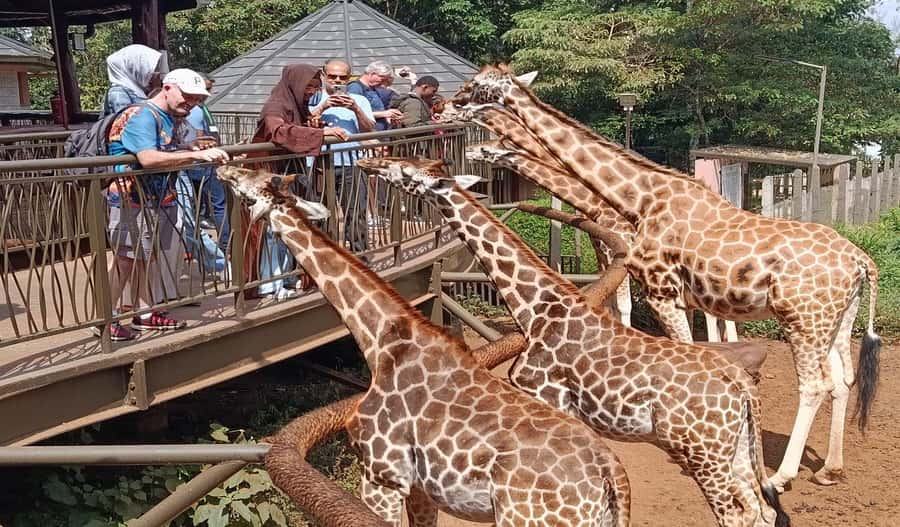
- GiraffeCentre: Feeding Time and the Rothschild (Rootchild) Moment
- Kazuri Beads Factory Stop: Souvenirs That Travel Well
- Golden Eagle Art Gallery and Utamaduni Crafts Centre: Buying With Less Guesswork
- The Maasai Market Moves by Day, Here’s How to Plan
- Price and Fees: Is This Tour Good Value?
- Who Should Book This, and Who Might Prefer Something Else?
- Should You Book This Nairobi Walking Tour Plus GiraffeCentre and Souvenirs?
- FAQ
- How long is the Nairobi Walking Tour, GiraffeCentre, and souvenir shopping experience?
- What does the tour include in the price?
- Are there extra fees not included?
- Is the KICC rooftop included?
- How much time do you spend at GiraffeCentre?
- What shopping stops are part of the plan?
- Where is the Maasai market on Saturdays?
- Where is the Maasai market on Sundays?
- What hours does the Maasai market run?
- Is the tour private and in English?
Key highlights worth your attention
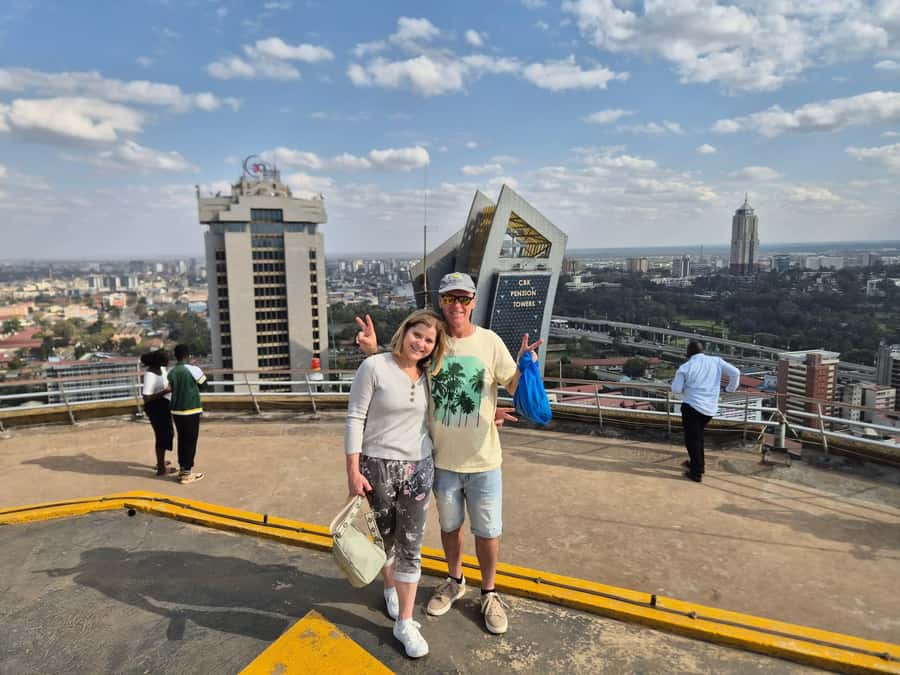
- KICC rooftop panorama for a quick, high-value view of Nairobi’s layout from above
- A focused CBD walking loop around downtown and Kenyatta Avenue, guided so you actually understand what you’re seeing
- GiraffeCentre visit with time to feed giraffes and learn about the Rothschild style, sometimes mentioned as Rootchild
- Kazuri Beads Factory browsing for well-known, giftable handmade bead items
- Utamaduni Crafts Centre stop that’s built for honest, everyday souvenir buying
- A Maasai market stop that changes by day, so you should know which location applies to your tour day
Nairobi covered at street level and by minivan
Nairobi on Foot, KICC Views, and Why This Works as a First Day

This is the kind of Nairobi introduction that makes sense if you only have a half day. You start with a guided walk through central streets, including time around downtown Nairobi and Kenyatta Avenue. Even if you’ve never been to the city, a guide helps you connect the dots, so the walk feels like understanding, not just moving.
The walking segment is also timed well. Two hours is long enough to feel like you explored the center, but short enough that you’re not exhausted before the fun part. I also like that the tour keeps it flexible, because it’s easy to adjust if you’re more interested in photos, a quick coffee stop, or simply getting your bearings.
Then comes the big “get oriented fast” payoff. The tour includes a 360-degree view option by going up to the KICC rooftop. You’ll pay the KICC Roof top fee of about 5 USD separately. It’s a small additional cost that often turns into your best photo from the day, especially when Nairobi traffic and road angles make it hard to picture the city from street level.
Practical tip: if the KICC rooftop fee is worth it to you, plan to keep your camera ready. The view is about layout and getting the sense of distance, not long museum time.
The Downtown Walk: What You’ll Actually See (and How to Make It Meaningful)
Walking in a city center is never just about landmarks. It’s about rhythm: what people are doing, how neighborhoods feel, and how the streets hold everyday life. On this tour, the guide’s role is to explain what you’re passing and why it matters, including local context that helps you read the city better later.
You also get a glimpse of the contrasts that Nairobi is known for. On the route to and from the GiraffeCentre area, the drive may pass by what many people describe as the slump area. Even if you don’t stop, it’s the kind of visual reminder that helps your day feel real, not sanitized.
One drawback, though, is that this kind of city walk can be less satisfying if you prefer only major monuments. If you want postcard-only sights, you might feel the downtown time is more about atmosphere and explanation than big ticket architecture.
If you go in expecting “city sense-making,” you’ll enjoy it much more. Ask your guide questions as you walk. Simple ones like what this street is known for, or what locals do here, usually get better answers than yes-or-no questions.
GiraffeCentre: Feeding Time and the Rothschild (Rootchild) Moment

This is the part of the day that most people remember. The tour heads to GiraffeCentre, with about 20 minutes on-site. That time window is short, so you’ll want to move with purpose: see the animals, spend time feeding if that’s your goal, then take your photos before you’re rushed out by the schedule.
What makes GiraffeCentre special is the hands-on element. The tour is designed so you can feed giraffes and learn about them as part of a guided visit, not just view from behind a fence. The materials also mention a giraffe type called Rootchild, which appears to refer to the Rothschild style. Either way, the point is that you’re meeting a specific giraffe story that’s more personal than a typical zoo stop.
Budget note: the GiraffeCentre fee is about 15 USD, not included. This is a meaningful add-on, so if you’re counting every dollar, decide up front that feeding and learning about the animals is worth it for you. For many people, it is.
A small reality check: with only 20 minutes, you might not get a long, slow experience. If you love animal watching and want time to linger, look for an extended giraffe visit elsewhere. But if you want a fast, memorable break inside a longer sightseeing day, this fits nicely.
Kazuri Beads Factory Stop: Souvenirs That Travel Well

The shopping block isn’t random. One of the first planned stops is Kazuri Beads Factory. You’ll typically have about 30 minutes here, which is enough time to browse, pick a few items, and ask basic questions without turning it into an all-day shopping trip.
Kazuri is well known for beadwork and items that make sense to bring home: bracelets, necklaces, and other small giftables. The value of this stop isn’t only what you can buy, it’s that you can see how the pieces are made before purchasing. Even a quick factory-style visit can help you feel more confident about quality.
What to do during your Kazuri time:
- Set a budget before you start, so you don’t get pulled into expensive impulse buys.
- Focus on items that are easy to pack and unlikely to break, especially if you’re flying home.
- If you’re unsure about sizing, choose adjustable designs or smaller pieces.
If your goal is to avoid shopping entirely, the good news is that you can often treat the time as browsing. One review also suggests shopping is not mandatory if you don’t want it. Still, your schedule is built around stores, so keep your expectations realistic.
Other Nairobi bookings that survived the same scrutiny
Golden Eagle Art Gallery and Utamaduni Crafts Centre: Buying With Less Guesswork

After Kazuri, the plan often includes a shopping stop at the Golden Eagle Art Gallery. You’ll have about 30 minutes there. This is also a place where you can grab lunch if you want, and one review notes a lunch option inside that stop. The food can be pricier than you might expect, so treat it as convenience more than a cheap meal.
Next is Utamaduni Craft Centre, again with about 30 minutes for shopping. This center-style stop is useful because it tends to group crafts in a way that makes comparison easier. When you’re short on time, that matters. You can check quality, styles, and price ranges without spending half the day zigzagging across random stalls.
How I’d approach souvenirs here:
- Decide what category you want, either jewelry, carvings, textiles, or decorative items. Then shop inside that lane.
- Look for consistent finishing. Cheap items often show rough edges or uneven details.
- If you’re bringing gifts to people who care about meaning, ask your guide what the items are commonly associated with locally. You’ll get more satisfying answers than if you shop only by look.
One subtle benefit of having a guide is that you can ask quick questions to reduce confusion. In places like these, you don’t want to spend your money while second-guessing whether something is worth it.
The Maasai Market Moves by Day, Here’s How to Plan

This is the part that can surprise people. The Maasai market stop is described as the biggest Maasai Market, and it moves around Nairobi on different days. It typically runs 8am to 6pm at each location.
Your tour will align with your day, so here’s what the market schedule looks like based on the information provided:
- Saturday: High Court parking lot in the city center, behind the Hilton
- Sunday: Yaya Centre in Hurlingham
If your tour day lines up, you’ll likely get a chance to browse and shop. If it doesn’t, you may still get other craft stops, but the market itself may not be the one on your calendar.
Practical advice:
- If you care about the Maasai market specifically, confirm your tour day and ask your guide which market location you’ll reach.
- Bring small cash if possible, since market shopping often runs on quick transactions.
- Wear shoes that can handle walking. Even short market time adds up fast.
The bigger value of a market stop is sensory. You see how people present items, how buyers browse, and how Nairobi’s craft scene feels in motion. It’s not just shopping, it’s watching culture at work.
Price and Fees: Is This Tour Good Value?

The tour price is about 40 USD per person for a 5-hour half day experience. That includes a driver/guide, hotel pickup and hotel drop-off, and the guided walk and organized stops.
Then come the realistic extras:
- GiraffeCentre fee: about 15 USD
- KICC Roof top: about 5 USD
- Food and drinks: not included
So if you do both the giraffe sanctuary and the KICC rooftop, you’re more like 60 USD total before food. For many people, that’s fair because you’re paying for transportation, a guide, animal access, and structured shopping time.
Where the value shines:
- You get multiple experiences in one tight schedule: city orientation, animal time, and craft shopping.
- You don’t have to plan the shopping stops yourself.
- The private group setup means you can often adapt the shopping amount to your taste.
Where the value can feel weaker:
- If you only want one or two parts, you may feel the rest is extra.
- If you dislike markets and don’t buy souvenirs, you’ll still spend time in shops unless you and your guide adjust the flow.
My suggestion: decide which two things you care about most. If giraffes and city views are your top priorities, this is a strong match. If you want pure sightseeing only, you might want a different Nairobi walking tour.
Who Should Book This, and Who Might Prefer Something Else?
This tour is a great fit for:
- First-time visitors who want a guided city center walk plus a clear highlight like the KICC rooftop view
- People who like souvenirs but don’t want to spend the whole day hunting them down
- Travelers who want at least one animal experience without committing to a full-day safari plan
- Anyone traveling in a private group who values personal pacing
It might be less ideal if:
- You hate shopping and would rather spend that time in museums or other public sights
- You need long, slow time at animals, since the GiraffeCentre portion is about 20 minutes
- You’re budget-tight and don’t plan to pay extra fees
One more practical note: the tour is listed as English-speaking with a live guide, and it’s marked as wheelchair accessible. That can make a big difference for comfort and stress level in a walking-based plan.
Should You Book This Nairobi Walking Tour Plus GiraffeCentre and Souvenirs?
Yes, if you want an efficient Nairobi introduction that combines city views, animals, and craft shopping in one controlled day. The best reason to book is the structure: you get a guided downtown walk, a high-value viewpoint option at KICC, then a memorable GiraffeCentre stop, followed by reputable shopping locations.
I’d book it especially if you like the idea of leaving Nairobi with gifts you understand a bit better, not just random items picked up on the last hour. Just be honest with yourself about the fees and the market time. If you’re okay budgeting for giraffes and a rooftop view, you’ll likely feel like you got your money’s worth.
If you tell me your travel dates and whether you care more about giraffes, views, or shopping, I can also help you decide which parts of the day to prioritize.
FAQ
How long is the Nairobi Walking Tour, GiraffeCentre, and souvenir shopping experience?
It runs for about 5 hours.
What does the tour include in the price?
The tour includes a driver/guide, hotel pickup, and hotel drop-off. A guided Nairobi walking portion and scheduled stops are part of the experience.
Are there extra fees not included?
Yes. The GiraffeCentre fee is about 15 USD, and the KICC rooftop fee is about 5 USD. Food and drinks are also not included.
Is the KICC rooftop included?
No, the KICC rooftop entry fee is listed as not included, so you pay that separately if you want to go up.
How much time do you spend at GiraffeCentre?
The visit is listed at about 20 minutes.
What shopping stops are part of the plan?
The tour includes shopping stops such as Kazuri Beads Factory, Golden Eagle Art Gallery, and Utamaduni Craft Centre, plus a Maasai market stop depending on the day.
Where is the Maasai market on Saturdays?
It is typically at the High Court parking lot in the city center, behind the Hilton.
Where is the Maasai market on Sundays?
It is typically at Yaya Centre in Hurlingham.
What hours does the Maasai market run?
It is typically operating from 8am to 6pm at each location.
Is the tour private and in English?
It is a private group tour and the live guide is English-speaking.
More Tours in Nairobi






More Tour Reviews in Nairobi


Nairobi at Street Level





Everything else we hold on Nairobi
- 7 Days Private 4 star lodges Safari by LandCruiser from Nairobi★ 5.0 · 3 reviews
- 5 Days/4 Nights Kenya Safari★ 4.5 · 3 reviews
- Safari Park Hotel Show & Dinner Experience In Nairobi Tour★ 3.6 · 3 reviews
- Day safari to Olpejeta Rhino conservancy★ 5.0 · 3 reviews
- 7 Days Breathtaking Kenya Wildlife Private Safari★ 5.0 · 3 reviews
- Overnight Amboseli National Park Safari from Nairobi★ 5.0 · 3 reviews
Nairobi City Tours, compared.
 ★ 5.0Nairobi Historical Walking City TourFrom $35258 reviews
 ★ 4.8Nairobi Walking tour:Explore History Culture and TraditionsFrom $22222 reviews
 ★ 4.7Nairobi Downtown Walking TourFrom $27208 reviews
 ★ 5.0Nairobi City Walking Tour with Traditional Kenyan LunchFrom $45106 reviews
 ★ 4.8Nairobi Walking Tour: Downtown & City TourFrom $2032 reviews
 ★ 4.0vibrant nairobi city tourFrom $3522 reviews
 ★ 4.6Nairobi City Orientation Guided Tour with Lunch at CarnivoreFrom $15020 reviews
 ★ 5.0Nairobi city sights, Giraffe Encounters and Bomas Kenya TourFrom $9519 reviews
Appears in these lists