

REVIEW · KIBERA COMMUNITY TOURS
Nairobi: Kibera Street Art Tour with Local Artists
Street art in a place most people misunderstand. On this Kibera street art tour in Nairobi, I love the way guides like Saviour and Tony turn walls into real conversations, not stereotypes. You get to hear what the murals mean from the people who live with them every day, including the education-focused messages painted across the neighborhood.
Two things I like a lot. First, I enjoy the direct access to Sun Valley Art Collective members, a group of about 15 artists who grew up in Kibera, and their hands-on explanations. Second, you get a small-group pace, guided support in English or Swahili, and time to sample street food while you walk.
One consideration: this is a walking experience through active daily life, so you need comfortable, closed-toe shoes and a respectful attitude about photos and personal space.
In This Review
- Key Things You’ll Notice on This Kibera Street Art Walk
- Kibera Street Art With Context, Not a Script
- Where the Tour Starts, and How to Get There Smoothly
- Walking Kibera With Sun Valley Artists (About 2 Hours)
- Photo etiquette is part of the experience
- The 30-Minute Stop: A Closer Look Beyond the Murals
- Street Food Stops That Don’t Feel Like an Afterthought
- Buying Art Directly: How This Tour Creates Value
- The Studio Angle: Hearing How Art Fits Into Life
- Finishing Near Olympic Stage With Easy onward Transport
- Price and Time: Is $45 Good Value for 150 Minutes?
- Who Should Book This Kibera Tour, and Who Might Skip It
- Practical Tips So You Enjoy It Without Getting in the Way
- Should You Book This Nairobi Kibera Street Art Tour?
- FAQ
- Where does the Kibera Street Art Tour start?
- How long is the tour?
- What does the tour cost?
- What languages are the guides?
- Is street food included?
- Can I buy art during the tour?
- Is the tour suitable for wheelchair users or limited mobility?
- What should I bring and what about photos?
Key Things You’ll Notice on This Kibera Street Art Walk
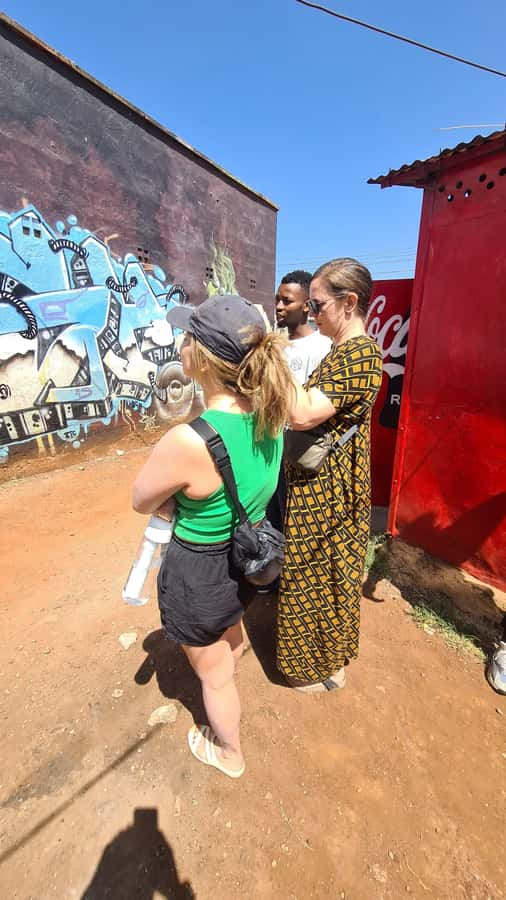
- Stories first, art second: You’ll hear why each mural exists and what it connects to in everyday life.
- Artists who grew up here: Sun Valley Art Collective is made up of about 15 local artists raised in Kibera.
- A studio and collectives stop: You’ll get more than street-level viewing, with time to see works and process.
- Street food along the route: Snacks may be available on request at favorite street vendors.
- Buy from local artists: Art is available to purchase directly during multiple moments on the walk.
Kibera walks guided by residents of the settlement
Kibera Street Art With Context, Not a Script

If you only know Kibera from headlines, this tour is a useful reset. The whole point is to help you see the neighborhood through the eyes of young artists who live there, and to understand why their murals and paintings exist in the first place.
What I appreciate most is the tone. You’re not being asked to perform pity, take quick photos, and move on. Instead, you’re invited to listen, ask questions, and treat the artists as teachers with a stake in the community. That matters because Kibera is Kenya’s largest informal settlement, and the art is part of how people explain life, aspiration, and change.
Where the Tour Starts, and How to Get There Smoothly
You’ll meet outside Gateway Supermarket on Kibera Station Road. This is also described as a safe meeting location, and since there’s no parking, you’ll want to arrive by Uber or taxi rather than trying to drive yourself.
One detail worth planning for: the tour references a meeting outside a shopping centre in Jamhuri estate too. If your organizer shares a map, use it, since it should point you to the same general starting area. I’d also give yourself a little extra buffer time, since you’re going to be entering a neighborhood where directions can be easier when you align with the exact pickup point.
Walking Kibera With Sun Valley Artists (About 2 Hours)

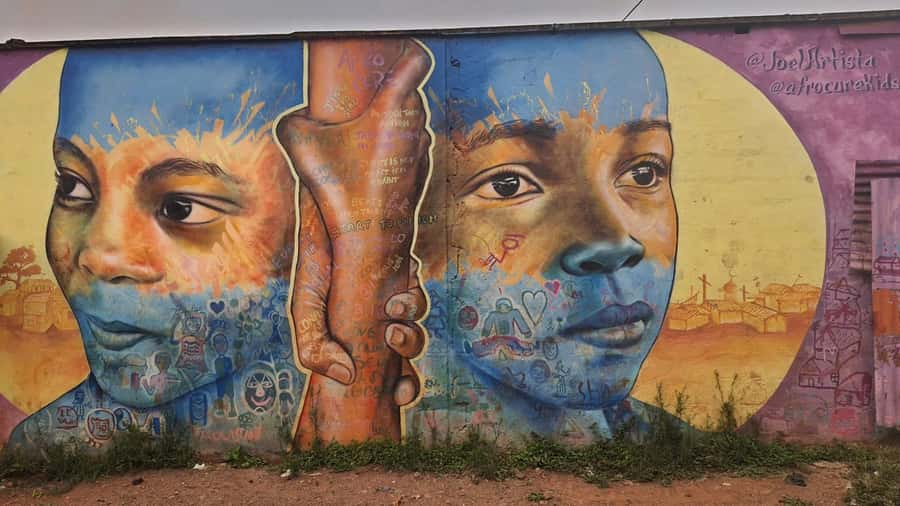
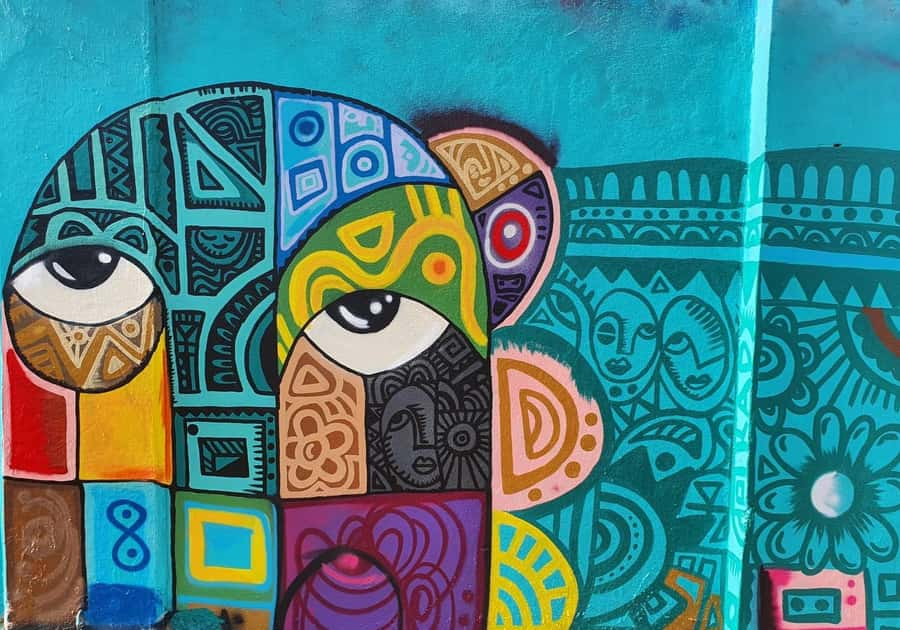
The core of the experience is a guided walking loop through Kibera, typically around two hours. Along the way, you’ll see education murals, urban art, and collaborative works, with stops at murals plus art collectives.
This is where the tour earns its best moments. You don’t just watch paint dry and call it street art. You learn the thinking behind it: how specific pieces connect to community organization, creative programs, and the day-to-day reality people live with. One of the strongest takeaways from recent experiences is how the artists talk about organizing education, healthcare, sports groups, and creativity through their art initiatives.
You’ll also have opportunities to visit artist spaces, including houses and studios. That doesn’t mean it’s a staged museum visit. It’s more like getting a guided look at how art fits into real routines. For a lot of visitors, that shift from viewing to understanding is the whole value of this tour.
Photo etiquette is part of the experience
You’ll be passing people going about daily life. The guides explicitly ask for respectful conduct, and they’ll tell you when it’s appropriate to take photos. Bring your camera, but use it like a guest, not a paparazzo.
The 30-Minute Stop: A Closer Look Beyond the Murals

After the main walking section, there’s a 30-minute special stop on the route. The focus here is usually on seeing art and creative work up close, not just spotting it from a street corner.
In practical terms, expect a pause in the flow where you can slow down, ask questions, and take in what’s happening behind the art. Recent descriptions highlight how other artists and art forms can appear in these stops too, including connections to makers working with recycled materials. If you like craft details and process, this is the moment to lean in.
This is also where a tour like this can feel more personal than standard guided sightseeing. You’re not just collecting facts. You’re building a relationship with the people behind the walls.
Street Food Stops That Don’t Feel Like an Afterthought
One of the highlights is the chance to try street food along the way. Street food samples are listed as available on request, and the tour stops at favorite street vendors during the walk.
What I like about including food here is the pacing. A short snack stop gives your brain a break and gives you a more human rhythm with the neighborhood. Plus, it reinforces the tour’s theme: this is not art floating in a vacuum. It’s part of community life, and food is one of the simplest ways you feel that.
Tip: even though snacks are available on request, bring your own water and a few basic extras. The tour asks for you to bring water and snacks, so plan like the route might not always offer what you expect when your stomach asks first.
Buying Art Directly: How This Tour Creates Value
Multiple opportunities along the walk let you purchase local art. Artworks are not included in the tour price, but the option to buy directly from artists is part of the experience design.
I think this is a smart setup for you as a buyer. Instead of shopping in a generic souvenir store, you can support the people whose stories you heard on the walk. It also helps you avoid that weird feeling of seeing powerful work and then not doing anything with the meaning you just learned.
If you’re the type who wants a long-lasting memory, buying a piece can be a practical choice. One recent highlight notes that a purchased artwork became a reminder back home, which says a lot about how personal the art can feel when you understand the context.
The Studio Angle: Hearing How Art Fits Into Life
A standout element is the chance to visit the tour’s studio and hear the artists’ stories. The description emphasizes their efforts to use art to improve community life, and the guides share a deeply personal relationship with art, described as a life-long love affair.
This part matters because it explains what the murals are doing beyond aesthetics. It’s not only about decoration. The art becomes a platform for expression and a practical tool for building opportunity and connection for young people.
If you enjoy meeting real-world creators, this studio time is often the part that stays with you. You leave with more than images on your phone, you leave with an understanding of why the artists keep working.
Finishing Near Olympic Stage With Easy onward Transport
The tour ends near Olympic stage, with the finish also listed as HOF Gallery Kibera. From here, it’s designed to be easy to continue your day by Uber or taxi, or by taking a matatu to your next stop.
This matters because Kibera tours can sometimes end in the middle of nowhere. Here, the finish point is meant for connectivity, so you can move on without stress. Still, keep it simple: plan your next destination before you start the tour, and confirm which route works best once you’re done.
Price and Time: Is $45 Good Value for 150 Minutes?

At $45 per person for about 150 minutes, the value is less about the clock and more about what you get packed into that time. You’re paying for guided storytelling, a careful route through real community spaces, access to collectives and studios, and opportunities to sample food and buy art.
A key detail is the guide-to-guest setup. The tour includes one tour guide for every two guests, which is a big deal in neighborhoods where crowding can make it harder to ask questions and harder for you to move respectfully. For $45, this small-group ratio is a strong part of the value story.
Also, the tour includes education-focused mural viewing, not just “look at this wall.” That type of explanation is usually what makes street art feel meaningful instead of random.
If you’re the kind of visitor who learns best by talking, and you want art with context, this pricing makes more sense than a generic walking tour.
Who Should Book This Kibera Tour, and Who Might Skip It
This tour is best for you if you like:
- Street art with story and a chance to ask questions
- Meeting local artists directly, especially creative collectives like Sun Valley
- A walking experience where you see murals, collectives, and studios rather than only snapshots
It’s likely not the right fit if you have mobility constraints. The tour is specifically marked as not suitable for people with mobility impairments and not for wheelchair users. Since it’s a walking route through neighborhood spaces, the best match is visitors who can comfortably walk for around two and a half hours.
Also consider your comfort level with being in active community settings. The tour explicitly asks you to be respectful because you’ll be passing people who are going about their daily lives.
Practical Tips So You Enjoy It Without Getting in the Way
Here’s how to set yourself up for a smooth, respectful tour in Nairobi’s Kibera area.
- Wear comfortable, closed-toe shoes. You’ll be walking.
- Bring a hat, camera, water, and snacks. The tour asks for these, so listen to the checklist.
- Plan to travel with a light bag so you can move easily when the group stops.
- Follow the guide’s instructions about when it’s appropriate to take photos. Treat it like a conversation, not a photo safari.
- Don’t litter. It’s listed as not allowed, and it’s the simplest way to show respect.
If you do these things, you’ll likely feel the difference: the tour becomes easier to enjoy and easier for the artists to guide.
Should You Book This Nairobi Kibera Street Art Tour?
I’d book it if you want street art that connects to real people, and if you’re excited to hear stories from artists who grew up in Kibera. The biggest wins for me are the direct artist access and the clear emphasis on meaning, community programs, and education messages painted across the neighborhood.
Skip it if walking is hard for you, or if you prefer tours that move like a museum with minimal contact. This tour is about people and place, so it asks you to slow down and behave like a respectful visitor inside someone’s community.
If you’re ready for that kind of experience, this is a strong way to spend a half-day in Nairobi with art that actually has a voice behind it.
FAQ
Where does the Kibera Street Art Tour start?
You’ll meet outside Gateway Supermarket on Kibera Station Road.
How long is the tour?
The tour runs for about 150 minutes (listed as a 2 to 3 hour tour).
What does the tour cost?
The price is $45 per person.
What languages are the guides?
The live tour guide is available in English and Swahili.
Is street food included?
Street food samples are listed as included on request.
Can I buy art during the tour?
Yes. There are multiple opportunities to purchase local art directly from local artists. Artworks are not included in the tour price.
Is the tour suitable for wheelchair users or limited mobility?
No. The tour is not suitable for people with mobility impairments and wheelchair users.
What should I bring and what about photos?
Bring comfortable shoes, a hat, a camera, snacks, and water, plus closed-toe shoes. You’ll be passing people in daily life, so follow your guide’s directions about when photos are appropriate.
More Tours in Nairobi






More Tour Reviews in Nairobi


Walking Kibera Again






Everything else we hold on Nairobi
- 7 Days Private 4 star lodges Safari by LandCruiser from Nairobi★ 5.0 · 3 reviews
- 5 Days/4 Nights Kenya Safari★ 4.5 · 3 reviews
- Safari Park Hotel Show & Dinner Experience In Nairobi Tour★ 3.6 · 3 reviews
- Day safari to Olpejeta Rhino conservancy★ 5.0 · 3 reviews
- 7 Days Breathtaking Kenya Wildlife Private Safari★ 5.0 · 3 reviews
- Overnight Amboseli National Park Safari from Nairobi★ 5.0 · 3 reviews
Kibera Community Tours, compared.
 ★ 4.9Nairobi: Explore Kibera Slum with Local GuidesFrom $15365 reviews
 ★ 5.0Kevins Kibera Slum ToursFrom $65213 reviews
 ★ 5.0Nairobi: Kibera Slum storytelling tour with a LocalFrom $20185 reviews
 ★ 5.0Kibera Slum Tour with LucasFrom $35119 reviews
 ★ 5.0Nairobi: Kibera Slum Tour with Local Social EntrepreneursFrom $40107 reviews
 ★ 4.5See Kibera with a Non-Profit LeaderFrom $30107 reviews
 ★ 5.0Private Tour in Kibera the Largest SlumFrom $1554 reviews
 ★ 5.0Ismael’s Kibera Slum TourFrom $6542 reviews
Appears in these lists