

REVIEW · KIBERA COMMUNITY TOURS
Nairobi: Kibera Slum Half-Day Guided Tour With Pick-up
Kibera is one of Nairobi’s toughest streets to understand, and also one of the most human. This guided, half-day walk is built around seeing daily life up close, meeting locals, and connecting you to community-led projects that help residents and youth. I especially like that it is structured with a safety briefing and a local guide who frames what you see with the history and challenges of Kibera. One thing to keep in mind is that this is not a quick photo-op, so you should be ready to walk at a local pace and follow your guide’s rules.
What I like most is that the tour focuses on more than poverty. You’ll have time for a community projects visit and also chances to stop by small shops and artisan workshops, where creativity and work go on every day. I also appreciate the practical setup, including hotel pickup and drop-off plus bottled water and portable Wi-Fi, so you are not juggling logistics while you’re trying to pay attention.
The main drawback is simple: this tour shows real life, not a polished attraction. It can feel intense, and meals are not really the point, even if you’ll likely encounter local snacks and street food tasting opportunities.
In This Review
- Key highlights to know before you go
- Kibera in Nairobi, and why a guided walk changes everything
- Where you meet, pickup details, and how to plan the start
- What the guide actually does on this Kibera tour
- Walking the lanes: photo stops, street life, and a safety briefing
- Community projects: schools, youth work, and women’s empowerment groups
- Artisan workshops and small businesses you’ll actually recognize
- Food, snacks, and street food tasting without confusing expectations
- A possible extra stop: seeing daily life at a local home
- Price and value: is $24 a fair deal for Nairobi?
- Language options, group style, and what it means for your experience
- Etiquette that keeps the visit respectful and actually useful
- Who should book this Kibera half-day tour
- Should you book this Kibera slum guided tour?
- FAQ
- Where is the meeting point for the Kibera slum tour?
- How long is the tour?
- Does the tour include pickup and drop-off?
- What languages are the guides available in?
- Is bottled water and Wi-Fi provided?
- What is not included in the tour price?
Key highlights to know before you go

- Local guide quality matters: A reviewer specifically called out a guide named David as a great guide.
- Community projects with a purpose: You’ll visit initiatives that support residents, including youth programs and women’s empowerment groups.
- Street-level walking experience: Expect photo stops, a guided walk, and a safety briefing that keeps things respectful.
- Artisan workshops and small businesses: You’ll see how people earn a living through crafts and everyday trade.
- Food tastings, not a full meal plan: You may get local snacks and street food tastings, but meals and drinks are not listed as included.
- 3 to 4 hours with pickup options: The half-day format is long enough to understand, short enough to keep your Nairobi schedule intact.
Kibera walks guided by residents of the settlement
Kibera in Nairobi, and why a guided walk changes everything
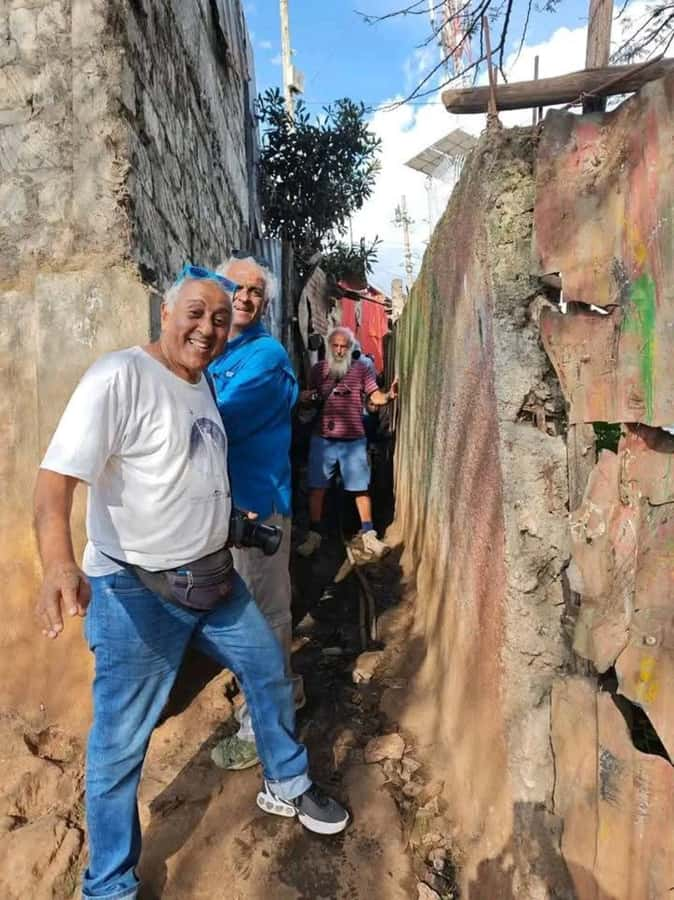
Kibera is Nairobi’s largest informal settlement, and it does not fit into tidy tourist boxes. A good Kibera tour gives you more than a view of crowded lanes. It helps you understand why community projects exist, what residents are working through, and where people find hope in the middle of difficult conditions.
This kind of guided experience is valuable because it turns strangers into listeners. Your guide is there to explain what you are seeing and to help you interact in a respectful, meaningful way. That matters because the difference between a respectful visit and an awkward interruption is huge, especially in a place where day-to-day survival depends on routine.
The big win here is that you are not only watching. You are learning how people organize themselves through schools, youth programs, women’s groups, and other community-led efforts. When a tour connects you directly to those efforts, your time feels useful, not performative.
Where you meet, pickup details, and how to plan the start
You’ll meet at Prestige Plaza Shopping Mall on Ngong Road. Go inside the mall until you find Java House, then meet just outside Java House.
If you want convenience, pickup is available. The tour includes hotel pickup and drop-off, and there is also an optional airport-area pickup fee if you’re arriving by air. The drop-off locations are in Nairobi, including Brides & Maids, so you’ll want to check what that means for your exact lodging.
Practical tip: arrive a few minutes early at Java House. Malls can be busy, and you’ll want to start the walk with everyone coordinated. Because the tour is only 3 to 4 hours, missing the start can squeeze the time you have for the more thoughtful stops.
What the guide actually does on this Kibera tour

A standout guide is not just someone with a route plan. It is someone who helps you connect dots while you’re moving through real neighborhoods.
In this tour style, the guide typically sets the tone right away with context: the history of Kibera, the challenges residents face, and the stories of resilience inside the community. Then, as you walk, they point out local businesses and social spaces, and they manage the pace so your questions do not pile up at the wrong moment.
One past guest specifically named David and said he was a great guide. While you cannot assume the same guide for every booking, it’s a good sign because the experience is clearly built around guided storytelling. If you care about understanding what you see, this tour’s success depends on that front-and-center human element.
Walking the lanes: photo stops, street life, and a safety briefing
The heart of the tour is the walking portion through Kibera, scheduled for about 3 hours. You can expect a mix of:
- a guided walk and sightseeing
- a photo stop
- local snacks and food tasting opportunities
- time to pass by a local food market
You should also expect a safety briefing. That is not small talk. In a setting like this, a briefing helps you understand when to pause, where to keep moving, and how to behave so you do not disrupt work or attract unwanted attention.
What I like about this approach is that it respects your attention. Instead of sprinting for the next viewpoint, you get a slower rhythm that lets you notice small details: everyday commerce, community interactions, and the practical infrastructure that supports daily life.
One consideration: since this is a real neighborhood, street conditions and surfaces can be uneven. Wear closed-toe shoes you can trust for walking, and keep your phone ready but not glued to your hand. That balance makes the experience better for you and easier on the people around you.
Other Nairobi bookings that survived the same scrutiny
Community projects: schools, youth work, and women’s empowerment groups

A key part of this tour is visiting community projects that empower residents and youth. That is where your understanding shifts from seeing poverty to understanding systems of support.
The plan includes stops tied to community-led initiatives, and the tour context specifically mentions schools, youth programs, and women’s empowerment groups. These are not abstract ideas. When a guide explains why these groups exist and what they help with, you start noticing how community life is organized around education, skills, and mutual support.
This is also where the tour’s “support the community” angle becomes more than a slogan. Part of the proceeds go to local projects, so your ticket is tied to outcomes happening on the ground.
A practical note: community project visits can vary based on the day’s activities and access. If you care about seeing specific types of work, ask your guide what you will pass by before the walk moves deeper into the settlement.
Artisan workshops and small businesses you’ll actually recognize
Another strong feature is the chance to explore artisan workshops and small businesses. This is not about buying souvenirs as proof you visited. It’s about seeing how people turn limited resources into real work.
During your walk, you’ll also have time for an arts and crafts market visit and you’ll pass by local businesses that operate as part of daily life. When your guide points out what a craft business provides, you learn why these stops matter. They are livelihoods, not decorations.
If you want to shop, do it thoughtfully. Treat it like supporting a workplace, not like a market browse in your home city. Ask what something is, what it’s made of, and what it costs. Then decide calmly. That keeps things respectful and often leads to the best conversations.
Food, snacks, and street food tasting without confusing expectations

This tour includes local snacks and food tasting as part of the walk, plus a chance to experience street food and pass by a food market. That’s a highlight, because food is one of the fastest ways to understand daily life.
At the same time, meals and drinks are not listed as included. So think of it as small bites and tastings, not a full sit-down lunch that you can plan around. Bring any extra appetite needs you have in mind, or budget for something simple after the tour.
My advice: go hungry enough to enjoy tastings, but not so hungry you expect a full meal. If you have dietary restrictions, you’ll want to be cautious, because the tour data does not specify menu options or ingredient details. Your guide can likely guide you toward safer choices once you’re there.
A possible extra stop: seeing daily life at a local home
Some Kibera tours include visits to local homes, and this one mentions that possibility. The key word is some. That means you should be prepared for either outcome depending on what’s accessible that day.
If the route includes a home visit, the value is clarity. You move from seeing community work to understanding how households function and how family life shapes the neighborhood. It also usually requires extra sensitivity, since your presence can feel intrusive if you are not mindful.
If you get offered the home visit, listen carefully to your guide about what is appropriate. Keep photos minimal and only take them when invited.
Price and value: is $24 a fair deal for Nairobi?

The price is $24 per person for a 3 to 4 hour guided experience, with pick-up and drop-off included. On paper, it looks like a budget outing. In practice, you’re paying for more than a walk. You’re paying for a local guide, context and conversation, bottled water, and portable Wi-Fi, plus the time needed to include community project and market-style stops.
Value is strongest if:
- you want a structured route that prioritizes respectful engagement
- you want help interpreting what you see, not just passing by it
- you prefer not to coordinate transport and meeting logistics yourself
It is weaker if:
- you only want quick sightseeing photos with minimal interaction
- you expect a full meal plan as part of the price
- you want guaranteed access to private spaces like homes
To get the most value at $24, treat this like an education and a conversation. Ask questions, listen, and slow down at the stops that feel meaningful to you.
Language options, group style, and what it means for your experience
The tour offers a live guide in English, French, and Swahili. That matters because with a topic like Kibera, good translation is everything. You want your guide to explain history, community programs, and what daily life looks like, not just point at places.
Group style is listed as private group. That tends to make the experience feel more human and allows your questions to fit the moment. If you’re traveling with family, friends, or you want more control over the pace, a private group setup is a big plus.
One practical tip: if you choose a language you are not fully comfortable with, it can be harder to process emotional or sensitive topics. Pick your strongest language option if you can.
Etiquette that keeps the visit respectful and actually useful
Because this is a real community, your behavior will shape the experience as much as the itinerary. Here’s how to keep it respectful and practical.
- Pay attention to your guide’s safety briefing and instructions. If they say stop, stop. If they say move on, move on.
- Ask before taking photos. Use your guide as the intermediary.
- Keep your tone calm and curious. You’re there to learn, not to test people.
- When you buy crafts, treat it like a fair exchange. Don’t bargain aggressively like it’s a theme market.
- Expect that some interactions are personal. If a conversation gets emotional, give space and thank your guide for translating.
This tour’s success depends on meaningful engagement. When you do it right, you leave with understanding, not just images.
Who should book this Kibera half-day tour
This is a strong fit for you if:
- you want a guided Nairobi experience with context, not random wandering
- you care about community projects and youth or women’s empowerment initiatives
- you like markets, artisan work, and street-level human stories
- you want a half-day format that keeps your day flexible
It may not be the best match if:
- you have limited mobility or you cannot handle uneven walking
- you dislike guided structure and prefer solo sightseeing
- you want a fully polished, comfortable attraction experience
Should you book this Kibera slum guided tour?
If your goal is to understand Kibera through people, projects, and daily life, I think this tour is worth booking. The combination of hotel pickup and drop-off, a guided route, and stops tied to community initiatives makes it practical and purposeful. The fact that a reviewer highlighted a guide named David as great also points to what matters most here, a strong local communicator.
I would book it if you’re ready to treat the day as a learning walk, not a photo mission. Bring respectful curiosity, good walking shoes, and realistic expectations about food. If that sounds like your style, you will likely come away with a clearer view of Nairobi and a better sense of how community resilience works in real life.
FAQ
Where is the meeting point for the Kibera slum tour?
You’ll meet at Prestige Plaza Shopping Mall on Ngong Road. Inside the mall, look for Java House, then meet just outside Java House.
How long is the tour?
The tour runs for about 3 to 4 hours.
Does the tour include pickup and drop-off?
Yes. Hotel pickup and drop-off are included. There are also pickup options around the airport for a fee.
What languages are the guides available in?
The live guide is available in English, French, and Swahili.
Is bottled water and Wi-Fi provided?
Yes. Bottled water and portable Wi-Fi are included.
What is not included in the tour price?
Personal expenses and meals and drinks are not included.
More Tours in Nairobi






More Tour Reviews in Nairobi


Walking Kibera Again






Everything else we hold on Nairobi
- 7 Days Private 4 star lodges Safari by LandCruiser from Nairobi★ 5.0 · 3 reviews
- 5 Days/4 Nights Kenya Safari★ 4.5 · 3 reviews
- Safari Park Hotel Show & Dinner Experience In Nairobi Tour★ 3.6 · 3 reviews
- Day safari to Olpejeta Rhino conservancy★ 5.0 · 3 reviews
- 7 Days Breathtaking Kenya Wildlife Private Safari★ 5.0 · 3 reviews
- Overnight Amboseli National Park Safari from Nairobi★ 5.0 · 3 reviews
Kibera Community Tours, compared.
 ★ 4.9Nairobi: Explore Kibera Slum with Local GuidesFrom $15365 reviews
 ★ 5.0Kevins Kibera Slum ToursFrom $65213 reviews
 ★ 5.0Nairobi: Kibera Slum storytelling tour with a LocalFrom $20185 reviews
 ★ 5.0Kibera Slum Tour with LucasFrom $35119 reviews
 ★ 4.5See Kibera with a Non-Profit LeaderFrom $30107 reviews
 ★ 5.0Nairobi: Kibera Slum Tour with Local Social EntrepreneursFrom $40107 reviews
 ★ 5.0Private Tour in Kibera the Largest SlumFrom $1554 reviews
 ★ 5.0Ismael’s Kibera Slum TourFrom $6542 reviews
Appears in these lists