
REVIEW · NAIROBI CITY TOURS
Nairobi city walking tour
Nairobi on foot feels instantly personal. This central Nairobi walking tour with guide Michael turns landmark stops into real context on how the city grew, who shaped it, and what locals do with those buildings today.
I especially love the safety factor and the calm, confident pace. Michael makes it feel easy to walk the busy center without stress, and he shares Kenya and Nairobi stories in a way you can actually hold onto.
One thing to consider: this is a hands-on walking experience and it is not suitable for wheelchair users or visually impaired people, so it is best if you can comfortably move for a few hours outdoors.
In This Review
- Key points at a glance
- Jeevanjee Gardens to KICC, a route that makes sense
- The landmark stops that turn architecture into stories
- McMillan Memorial Library and Kipande House, two stops with clear purpose
- Soldiers of War, a needed pause for context
- Nairobi Gallery gives the tour a cultural “now”
- City Market and Maasai Market, shopping with guidance
- KICC rooftop time, free moments, and a sunset viewpoint
- Price and value: what you get for about $17
- Who this Nairobi walking tour is best for
- Should you book this Nairobi city walking tour?
- FAQ
- Where does the tour start and end?
- How long is the Nairobi city walking tour?
- What languages is the live guide able to speak?
- Is this tour private or shared?
- What is included in the price?
- What is not included?
- Is the tour suitable for wheelchair users or visually impaired travelers?
- Are strollers or crutches allowed?
- Can I cancel and can I pay later?
Key points at a glance
- Michael’s guiding style keeps you feeling safe while he explains Nairobi and Kenya clearly in English and Swahili
- Jeevanjee Gardens to KICC gives you a strong route with big-picture city views at the end
- Historic landmarks still in use include places tied to colonial-era Nairobi, plus modern everyday functions
- Markets for real shopping at City Market and Maasai Market, with time for browsing and buying handmade items
- Language moments where you learn a few practical Swahili words along the way
- KICC rooftop time includes free time plus a sunset viewpoint (weather permitting)
Nairobi covered at street level and by minivan
Jeevanjee Gardens to KICC, a route that makes sense
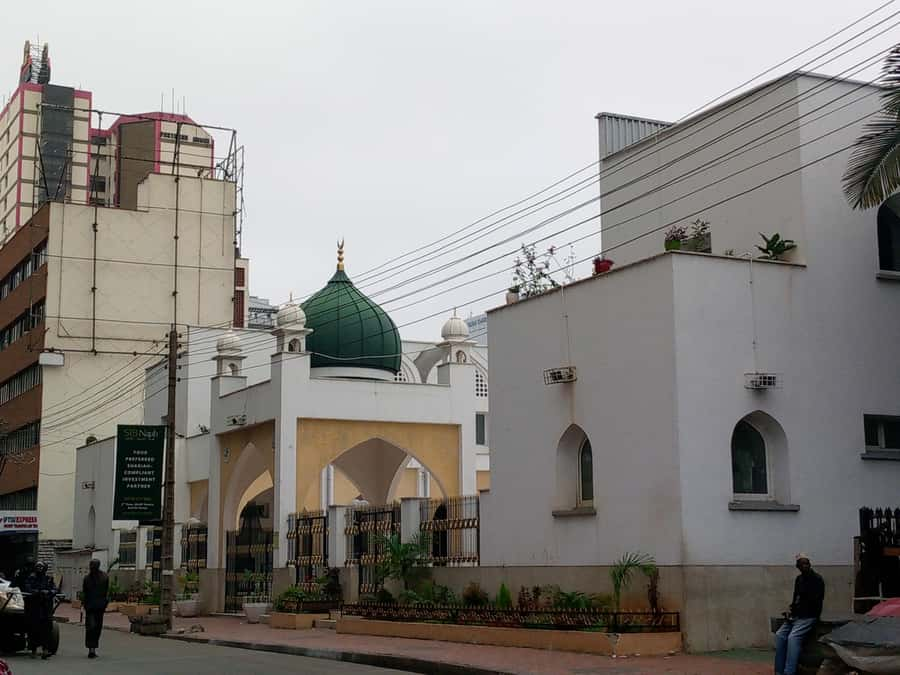
You start at Jeevanjee Gardens, a good launch point because it puts you right in the Nairobi central zone where the story is visible on the street. From there, you walk through the core of the city and connect the dots between older buildings, today’s city life, and the newer identity of Nairobi as a capital.
What I like about the flow is that it ends with a payoff. You do not just look at Nairobi from street level and call it a day. The tour finishes at the top of the Kenyatta International Conference Centre (KICC), so your last moments are about views, photos, and the kind of perspective that makes the earlier streets feel like part of one bigger picture.
This is also a private group tour, so you are not stuck watching a guide talk to dozens of people at once. The pace tends to feel human. If you like asking questions or want a bit more time at a stop to look closely, this format is usually a better match.
The landmark stops that turn architecture into stories
A central walk like this works best when the guide can explain what you are seeing without making it feel like a lecture. With Michael, you get that. He shares how Nairobi grew up into the capital of Kenya, then points out buildings and spots that were left behind by colonial administrators, explaining how those structures are used now by Kenyans.
Some stops are basically made for this kind of explanation. Kipande House is one of them, and it is the kind of place where the building’s purpose and the city’s past connect tightly. You will also visit McMillan Memorial Library, another landmark that helps you understand how the city’s institutions took shape over time.
You will also get time at Nairobi Gallery, which is important because it is not only about old structures. It gives you a sense of how Nairobi expresses culture through art and exhibitions. Even if you do not go deep into the displays, the stop gives your walk a local heartbeat rather than keeping everything stuck in the past.
The practical takeaway: when you walk with a guide who can connect architecture to real use today, you stop seeing buildings as scenery and start seeing them as evidence.
McMillan Memorial Library and Kipande House, two stops with clear purpose

If you want a Nairobi walking tour that feels grounded, these two visits help. McMillan Memorial Library is a real institution stop, so it is not just about a facade. You get a chance to see how the city supports reading, knowledge, and public life through spaces like this.
Then comes Kipande House, which is a name you will remember long after the tour ends. It is tied to how identity and documentation shaped life under different systems. The guide’s job here is to translate that into something you can understand on the sidewalk, not something locked away in a textbook.
In my view, these kinds of stops are the value sweet spot of this tour. You get to learn, but you also get to look around at how the city functions now. That mix is what makes the walk feel honest, not staged.
Tip for you: take a moment at each stop to look beyond the main sign. Notice entrances, the way people move around the building, and what looks active right now. That is often where the story becomes real.
Soldiers of War, a needed pause for context
Not every stop is meant to be a quick photo. Soldiers of War is the kind of stop where you slow down and let the guide put events into perspective. Memorial spaces are often powerful because they remind you that history involves people, not just dates.
On this tour, the context matters. Michael helps you connect what you see to the broader Nairobi story, including why colonial-era history matters, and how those histories echo into the present.
This is also a good checkpoint in the walk. After a few buildings and streets, it gives you a mental breather. You can let the earlier details settle, then keep walking with a clearer sense of the city’s layers.
If you are the type who likes meaningful stops even during a short tour, this one is a strong inclusion.
Other Nairobi bookings that survived the same scrutiny
Nairobi Gallery gives the tour a cultural “now”
A common problem with city walks is that they get trapped in the past. This itinerary avoids that by including Nairobi Gallery. Even if art is not your main travel hobby, the gallery stop is still useful because it shows how Nairobi treats culture as something active.
You get a guided visit, which helps if you would otherwise feel unsure what you are looking at. A guide can point you toward themes and explain what you are likely seeing, without forcing you to pretend you are an art critic.
I like that this stop shifts the tone. You still learn, but the tour starts to feel less like a history route and more like a real city day. It reminds you that Nairobi is not only what it used to be.
City Market and Maasai Market, shopping with guidance
Shopping is part of the fun here, and it is not treated like a random stop. You will get time at City Market, where you can shop for souvenir goods, and also Maasai Market, where you can browse and buy handmade artifacts.
This is where a guide adds real value. Michael can help you navigate the area and keep things comfortable as you look around. And you get practical language moments too, including learning a few Swahili words before or during shopping time. That kind of small effort goes a long way. Even a couple of phrases can make interactions feel warmer.
A practical note for you: markets can move fast. If you want specific items, decide what you are hunting for before you get pulled into interesting displays. Give yourself a budget, and keep your eyes on quality, not just the first good-looking thing you see.
If you enjoy honest souvenir shopping, these market stops are one of the best reasons to pick this tour.
KICC rooftop time, free moments, and a sunset viewpoint
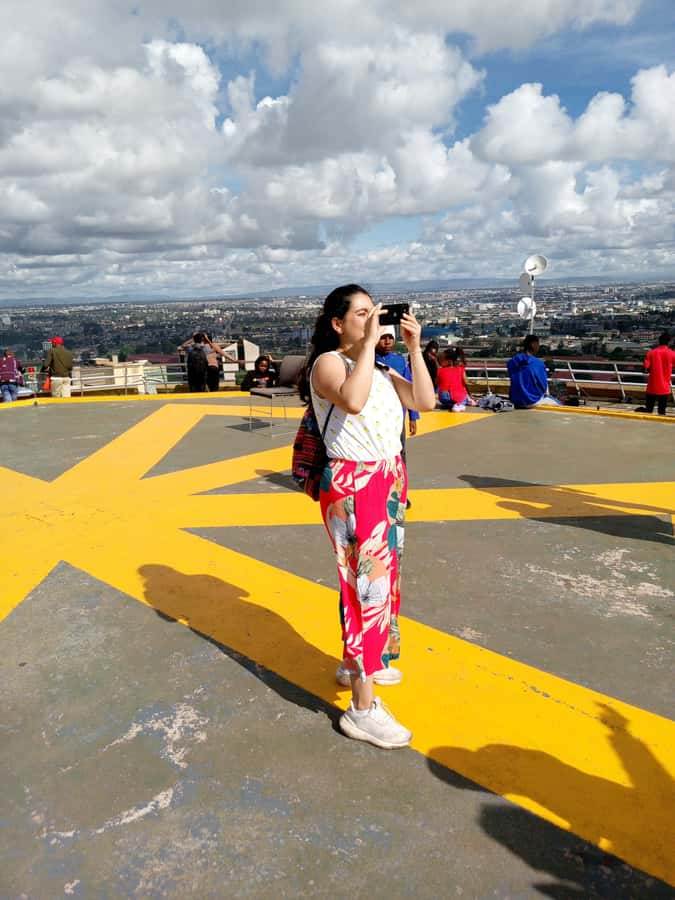
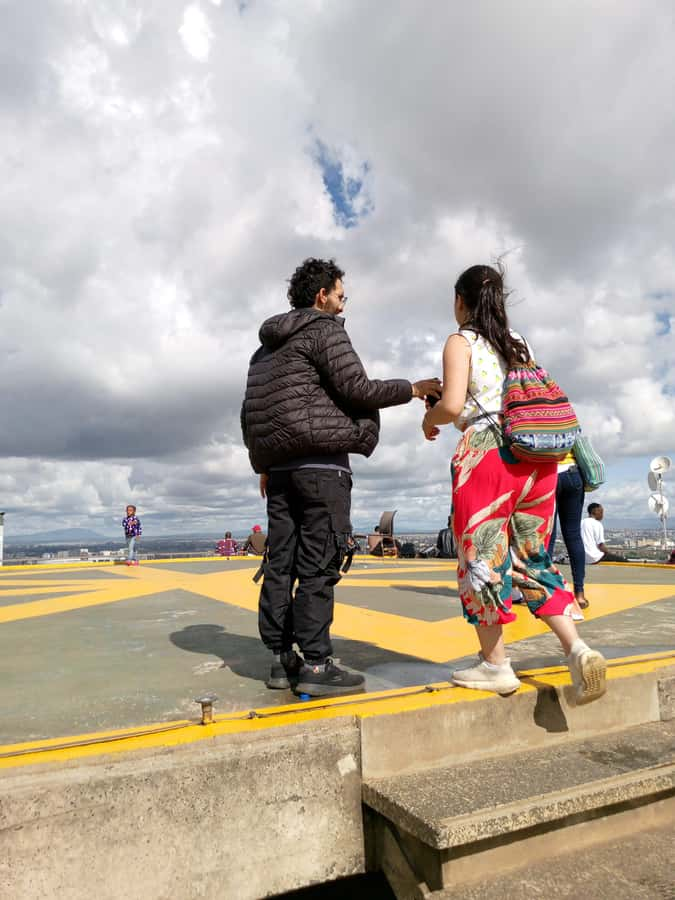
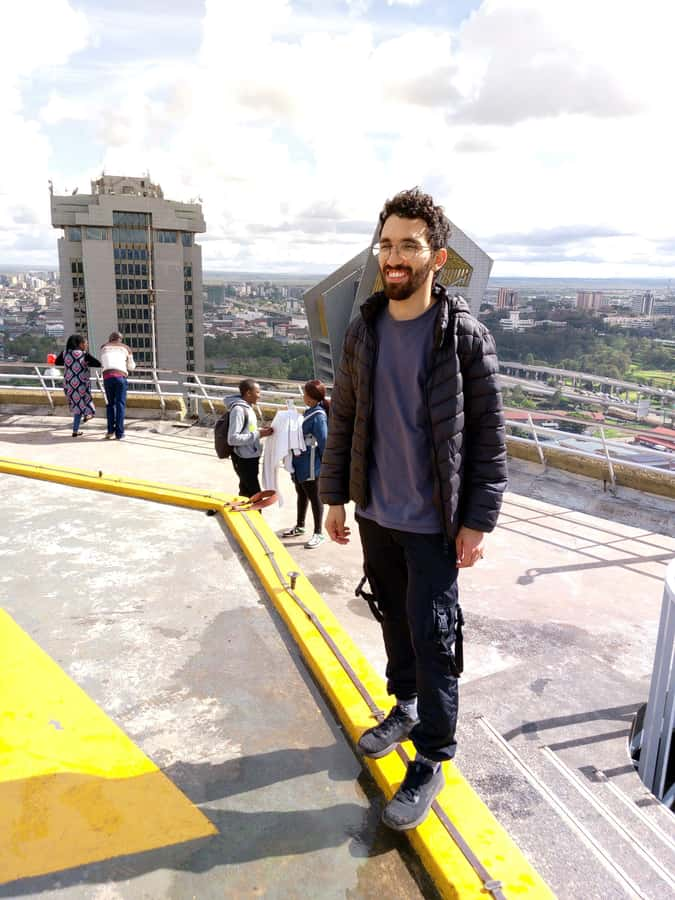
The Kenyatta International Conference Centre (KICC) is the big visual payoff. You get a guided portion, then some free time that lets you look around at your own pace. There is also a scheduled window for a sunset moment. Timing depends on the day, but the idea is clear: end with Nairobi’s skyline and let the view do the talking.
One important detail: the entrance fee at KICC (500 KSH) is not included, and you will want to budget for that. Also, bring patience if you run into the normal flow of visitors and security checks. You are near one of the city’s most recognizable landmarks, so expect it to be active.
Why this ending works: it ties the walk together. Before KICC, you learn how Nairobi’s center formed and how buildings carry stories. At KICC, you look back at the city and realize all those stories are layered in real space.
It is the kind of ending that gives your photos context, not just angles.
Price and value: what you get for about $17
At $17 per person for 3 hours, this tour is priced like a solid city introduction rather than a long, multi-day deep dive. For that money, you are getting more than walking and sightseeing.
You get a local guide plus multiple key stops that would be harder to manage on your own. Included visits cover McMillan Memorial Library, Kipande House, Soldiers of War, Nairobi Gallery, and time at City Market and Maasai Market. That combination matters, because it turns “I walked past some buildings” into “I understood what I saw.”
The main extras to plan for are simple: a bottle of water is not included, and the KICC entrance fee (500 KSH) is extra. If you go in with that in mind, you will not feel surprised.
Value is also about how the tour feels. Michael’s approach, which includes making you feel safe and sharing Kenya and Nairobi history clearly in English and Swahili, is what pushes the experience from typical to genuinely enjoyable.
Who this Nairobi walking tour is best for
This tour fits best if you want a compact Nairobi experience that still feels meaningful. You will likely enjoy it if you:
- like walking tours with clear structure and a real end goal (KICC views)
- enjoy history that connects to everyday buildings and how people use spaces now
- want hands-on shopping at City Market and Maasai Market
- would appreciate learning a few Swahili words without it feeling like a classroom
- prefer a private group format for a calmer pace
It is not a fit if you need wheelchair access or if you are visually impaired. Also, because it is a walking tour, wear comfortable shoes and plan for outdoor time.
And one more practical note: strollers are not allowed, and alcohol and drugs are not allowed. If you are traveling with an open schedule for shopping, this kind of rule set usually keeps the group experience smoother.
Should you book this Nairobi city walking tour?
I think you should book it if you want a smart Nairobi introduction that blends landmarks, culture, and market shopping into one walk, without dragging you through museums all day. The big reasons are the guide, Michael, and the way the route ends at KICC for views and a possible sunset moment.
Skip it if you cannot comfortably do a multi-stop walking tour or if accessibility needs are part of your trip planning. Also, if you hate shopping, be aware that markets are a core part of the experience, not an optional side quest.
If you are aiming for a first time in Nairobi that feels practical, human, and photo-worthy, this one is an easy yes.
FAQ
Where does the tour start and end?
The tour starts at Jeevanjee Gardens and ends back at Jeevanjee Gardens, with the walking route leading to the top of the Kenyatta International Conference Centre (KICC).
How long is the Nairobi city walking tour?
The duration is 3 hours.
What languages is the live guide able to speak?
The live tour guide speaks English and Swahili.
Is this tour private or shared?
It is a private group tour.
What is included in the price?
Included are City Market, McMillan Memorial Library, a local guide, Kipande House, Soldiers of War, and Maasai Market.
What is not included?
You should plan for bottle of water not being included, and the entrance fee at KICC (500 KSH) is not included.
Is the tour suitable for wheelchair users or visually impaired travelers?
No. It is not suitable for wheelchair users and not suitable for visually impaired people.
Are strollers or crutches allowed?
No. Baby strollers and crutches are not allowed.
Can I cancel and can I pay later?
Yes. There is free cancellation up to 24 hours in advance for a full refund, and you can use reserve now & pay later to keep plans flexible.
More Tours in Nairobi






More Tour Reviews in Nairobi


Nairobi at Street Level






Everything else we hold on Nairobi
- 7 Days Private 4 star lodges Safari by LandCruiser from Nairobi★ 5.0 · 3 reviews
- 5 Days/4 Nights Kenya Safari★ 4.5 · 3 reviews
- Safari Park Hotel Show & Dinner Experience In Nairobi Tour★ 3.6 · 3 reviews
- Day safari to Olpejeta Rhino conservancy★ 5.0 · 3 reviews
- 7 Days Breathtaking Kenya Wildlife Private Safari★ 5.0 · 3 reviews
- Overnight Amboseli National Park Safari from Nairobi★ 5.0 · 3 reviews
Nairobi City Tours, compared.
 ★ 5.0Nairobi Historical Walking City TourFrom $35258 reviews
 ★ 4.8Nairobi Walking tour:Explore History Culture and TraditionsFrom $22222 reviews
 ★ 4.7Nairobi Downtown Walking TourFrom $27208 reviews
 ★ 5.0Nairobi City Walking Tour with Traditional Kenyan LunchFrom $45106 reviews
 ★ 4.8Nairobi Walking Tour: Downtown & City TourFrom $2032 reviews
 ★ 4.0vibrant nairobi city tourFrom $3522 reviews
 ★ 4.6Nairobi City Orientation Guided Tour with Lunch at CarnivoreFrom $15020 reviews
 ★ 5.0Nairobi city sights, Giraffe Encounters and Bomas Kenya TourFrom $9519 reviews
Appears in these lists