

REVIEW · NAIROBI CITY TOURS
Nairobi city walking and historical tour
Nairobi’s center tells stories on foot. This guided walk through Nairobi’s CBD mixes landmarks, monuments, and market energy with a big payoff at KICC. It is an easy way to understand how the city works, not just what it looks like.
I especially like the pairing of practical sightseeing and hands-on guide help. The route includes stops like Macmillan Library and the Dedan Kimathi statue, where you get quick context you would miss walking on your own. I also like that the guide, often Michael, brings the market to life and helps you talk to sellers, so you can shop with confidence and learn a few basic Swahili words along the way.
One consideration: there is no hotel pickup or drop off by the guide, and the KICC entrance costs about $5 extra. Plan where you will start and where you want to end up before you book.
In This Review
- Key highlights at a glance
- Nairobi CBD on foot: why this route works
- Meeting up, getting your bearings, and the “no hotel pickup” reality
- City Market Hall: where shopping becomes part of the story
- Macmillan Library to war monuments: public history you can see
- Jeevanjee Gardens and the city’s “modern” skyline angle
- Kenya National Archive: a focused stop, not a time sink
- KICC: the panoramic payoff and that 360 degree feeling
- Price and logistics: is $17 actually good value?
- Who should book, and who should skip
- Should you book this Nairobi walking and historical tour?
- FAQ
- How long is the Nairobi city walking and historical tour?
- What is the price per person?
- Does the guide pick you up from your hotel?
- What languages does the live guide speak?
- Is this tour a private group?
- What places will you visit during the tour?
- Is the KICC entrance fee included?
- What is included in the tour?
- Are alcohol or drugs allowed?
- What are the cancellation and payment options?
Key highlights at a glance

- City Market Hall for shopping and gifts with guide support
- Macmillan Library and the public-history side of Nairobi
- War monuments and the Dedan Kimathi statue for stop-by-stop context
- Kenya National Archive with a focused visit
- Kenyatta International Convention Centre (KICC) for high city views
Nairobi covered at street level and by minivan
Nairobi CBD on foot: why this route works

If you only have a short window in Nairobi, a walking tour here makes sense. The center is packed with recognizable names and important buildings, but you still need someone to connect the dots. This tour is built for that exact job: you walk, you stop, and you get the story behind what you are looking at.
I like that it is not just photo stops. You get a mix of everyday city life plus formal history. The market area brings you close to the real Nairobi you see from street level, while the monuments and archive stop help explain why these places matter. That balance is what makes the tour feel worth the time.
You should also know this is a walking experience through central areas. If you prefer long sittings or taxi-hopping, you might find the pace a bit too active. If you enjoy moving around and asking questions, it fits well.
Meeting up, getting your bearings, and the “no hotel pickup” reality
The tour starts with a meeting point that depends on your selected option. After a quick meet and greet, you begin walking with a local guide. There is no hotel pickup or drop off handled by the guide, so you will want to plan your own way to the start location and your own timing afterward.
At the end, you are dropped off at three possible locations: Jeevanjee Gardens, PON DIS HUB TV, or Mungai Kihanya Training. Those are not “return to your hotel” stops, so treat them like a handoff back to the city grid. If you are heading to dinner or another activity, check your route options before you go.
This is also a private group tour. That matters because it often means you are not squeezed into a large crowd, and you can ask questions without waiting your turn. If you are a solo traveler, that structure can help you feel more grounded while still seeing a lot.
City Market Hall: where shopping becomes part of the story

The first major stop is City Market. The guide brings you through the shopping area with a clear purpose: find gifts, souvenirs, and local items to take home. You will also get help navigating how things are sold and what to look for, which can save you time if you do not know the layout.
What I find most valuable here is the social layer. A guide like Michael can step in when you want to buy something specific, like a painting or a handcrafted item, and help you talk directly to sellers. That turns shopping from awkward browsing into a normal conversation.
You will also notice the market atmosphere, since you are not just passing through a doorway. You are walking among stalls and people, and that gives you a better feel for Nairobi’s everyday rhythm. If you like practical travel skills, this is where the tour delivers.
One tip: for the best experience, come in with a simple shopping plan. Pick one or two categories you actually want, then browse for those. With a guide guiding, it is easy to get carried away, in a fun way.
Macmillan Library to war monuments: public history you can see

After the market, the tour shifts toward institutions and memorials. You visit Macmillan Library, then move through major historical points in the central area, including war memorials, the Dedan Kimathi statue, and Kipande House.
The key benefit of these stops is context. Up close, monuments can look like just shapes and plaques. With a guide who can explain what you are seeing, the meaning lands faster. The war monuments portion matters because it shows how public space in Nairobi holds memory in plain sight.
Dedan Kimathi’s statue is another spot where a short explanation changes everything. You start to recognize Nairobi’s pattern of honoring national figures in the places you pass every day. Kipande House also contributes to that bigger picture, because it connects the city’s built environment to Kenya’s broader story.
This section is where the tour becomes a true Nairobi history walk, not just a sightseeing circuit. If you like history but do not want a long museum day, this is a strong compromise.
Other Nairobi bookings that survived the same scrutiny
Jeevanjee Gardens and the city’s “modern” skyline angle
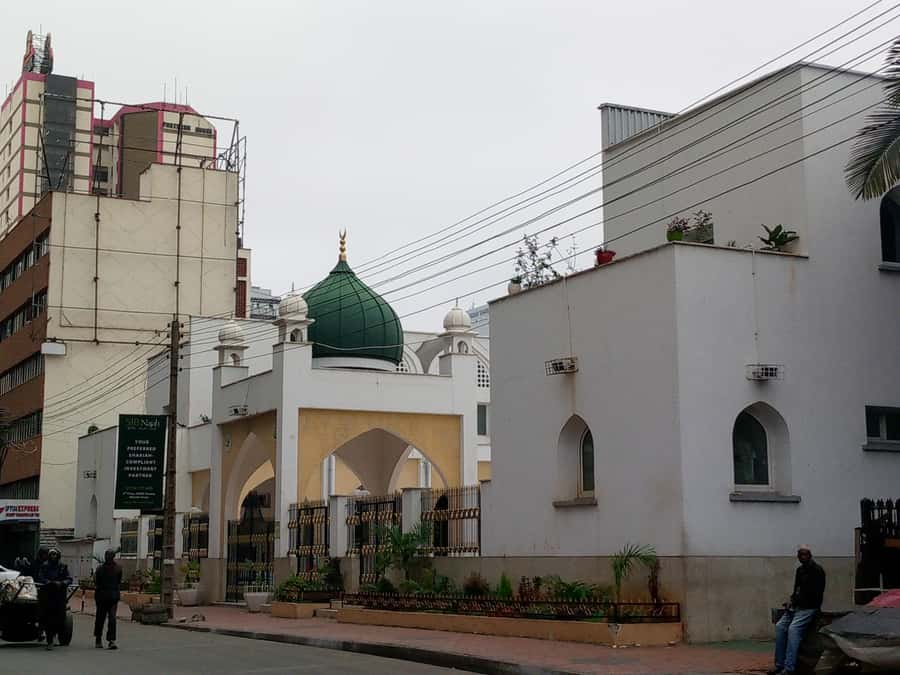
The tour includes a walk past Jeevanjee Gardens, plus time in the central area that gives you a view of Nairobi’s built-up side. You are moving through the parts of the city that show how modern Nairobi sits alongside older landmarks.
In practice, this also helps you reset your perspective. Earlier stops are heavy on monuments and named places. When you reach the more open skyline view approach, the tour feels like it expands from “what happened” to “how it looks now.”
If you plan your photos, this is a good moment to think about lighting and angles. You are walking between points, so you can pause briefly for a quick shot when you see a good view, then keep going without turning the day into a slow shuffle.
The skyline moment is most clearly delivered later at KICC, but this “in between” stretch helps it feel connected rather than random.
Kenya National Archive: a focused stop, not a time sink

The Kenya National Archive is included as a guided visit for about 30 minutes. This part is valuable because archives are not always on the average short sightseeing plan. Seeing the archive stop on a walking tour makes Nairobi’s story feel more grounded, like you are moving toward the sources behind the headlines.
Because the time here is limited, it stays efficient. You are not trapped for hours, and you still get enough guidance to understand why it is worth visiting in the middle of a walking day.
If you like facts and official context, you will appreciate this stop. If you are more into street life and views, treat it as a meaningful pause before you finish with the bigger visual payoff at KICC. Either way, it breaks up the day in a smart way.
KICC: the panoramic payoff and that 360 degree feeling

The final major highlight is the Kenyatta International Convention Centre (KICC). You get sightseeing time here, with a panoramic view from the top. One review highlighted seeing Nairobi from a 360 degree angle, and that is exactly the kind of payoff that makes a walking tour worth the effort.
Important detail: KICC entrance is not included. The entrance fee is listed as $5, so budget for it. If you do not plan for that extra cost, the last stop can feel like an unexpected add-on. If you do, it turns into a smooth finish.
This is also where the tour’s “small history walk” becomes a city-scale moment. From above, you start connecting the places you saw on street level to the broader layout. That is when the names start to stick in your head, not just as trivia, but as parts of a real geography.
If you are short on time in Nairobi, this stop is one of the best uses of it. It gives you scale fast.
Price and logistics: is $17 actually good value?

At about $17 per person for a 2 to 3 hour guided walking tour, the value is in what you get for the money: a local guide, walking route structure, and city market time built into the experience. For a city center day, that is a reasonable price point if you want guidance without paying for long transfers.
The main cost consideration is the extra KICC entrance fee (about $5). Also remember there is no hotel pickup or drop off by the guide. You will need to handle your start location and consider where the drop-off stops leave you. Those are not dealbreakers, but they affect convenience.
So, is it worth it? If you want someone to point out key sites like Macmillan Library, the Dedan Kimathi statue, and the Kipande House area, yes. If you only want views and you hate walking, you might choose a less stop-heavy option.
My take: this is best value if you like learning a little and you want to walk through Nairobi’s center in a way that feels guided but not rushed.
Who should book, and who should skip

This tour is a good match for you if you want a compact Nairobi history walk plus real shopping time at the market. It also fits if you are traveling solo and want to feel supported while moving through a busy central area. Reviews mention that solo travelers felt safe during the walk, helped by the guide’s pacing and attention.
It also works well if you prefer English or Swahili interpretation during the day. A guide can help you learn a few basic Swahili words and use them in a natural setting, especially around the market. That small language touch is more useful than memorizing phrases on a phone.
You might skip it if you cannot do walking tours comfortably, or if you need a hotel-to-hotel service. The tour is not set up for that, and the drop-offs end at specific points rather than your accommodation.
Should you book this Nairobi walking and historical tour?
I would book it if you want a short, well-structured Nairobi day that mixes city landmarks with market shopping and ends with a view from KICC. The strongest reasons are the guide-led stop-by-stop context, the chance to shop with help at City Market, and the high panoramic finale.
If you do not want to pay the small extra entrance fee at KICC, or if you need strict hotel pickup and return, then look for a different option. Otherwise, this tour is a solid way to get oriented fast, learn key names and sites, and leave Nairobi’s center with more than just photos.
FAQ
How long is the Nairobi city walking and historical tour?
The duration is listed as 2 to 3 hours.
What is the price per person?
The price is $17 per person.
Does the guide pick you up from your hotel?
No. The tour description says there will be no hotel pick up or drop off by the local guide.
What languages does the live guide speak?
The guide provides a live tour in English and Swahili.
Is this tour a private group?
Yes, it is a private group.
What places will you visit during the tour?
You will walk around Nairobi Central Business District and visit stops including City Market, Macmillan Library, Kenya National Archive, war monuments, the Dedan Kimathi statue, Kipande House, and Kenyatta International Convention Centre (KICC). The tour also includes walking past Jeevanjee Gardens.
Is the KICC entrance fee included?
No. Entrance at Kenyatta International Convention Centre is not included and is listed as $5.
What is included in the tour?
Included items are a local guide, a walking tour, and City Market.
Are alcohol or drugs allowed?
No. Alcohol and drugs are not allowed.
What are the cancellation and payment options?
Free cancellation is available up to 24 hours in advance for a full refund. There is also a reserve now & pay later option, described as keeping travel plans flexible with pay nothing today.
More Tours in Nairobi






More Tour Reviews in Nairobi


Nairobi at Street Level






Everything else we hold on Nairobi
- 7 Days Private 4 star lodges Safari by LandCruiser from Nairobi★ 5.0 · 3 reviews
- 5 Days/4 Nights Kenya Safari★ 4.5 · 3 reviews
- Safari Park Hotel Show & Dinner Experience In Nairobi Tour★ 3.6 · 3 reviews
- Day safari to Olpejeta Rhino conservancy★ 5.0 · 3 reviews
- 7 Days Breathtaking Kenya Wildlife Private Safari★ 5.0 · 3 reviews
- Overnight Amboseli National Park Safari from Nairobi★ 5.0 · 3 reviews
Nairobi City Tours, compared.
 ★ 5.0Nairobi Historical Walking City TourFrom $35258 reviews
 ★ 4.8Nairobi Walking tour:Explore History Culture and TraditionsFrom $22222 reviews
 ★ 4.7Nairobi Downtown Walking TourFrom $27208 reviews
 ★ 5.0Nairobi City Walking Tour with Traditional Kenyan LunchFrom $45106 reviews
 ★ 4.8Nairobi Walking Tour: Downtown & City TourFrom $2032 reviews
 ★ 4.0vibrant nairobi city tourFrom $3522 reviews
 ★ 4.6Nairobi City Orientation Guided Tour with Lunch at CarnivoreFrom $15020 reviews
 ★ 5.0Nairobi city sights, Giraffe Encounters and Bomas Kenya TourFrom $9519 reviews
Appears in these lists