

REVIEW · NAIROBI CITY TOURS
Nairobi City Guided Walking Tour
One skyline can teach you more than a museum day. This Nairobi city walk pairs big views from the Kenyatta International Conference Center rooftop with tight, walkable stops tied to independence and national identity, then finishes with shopping in Maasai Market. I especially liked the chance to see Nairobi from above and the way the route threads together leaders, monuments, and major events. The main drawback to plan around is that the Maasai Market experience can feel salesy if you hate being pressured to bargain.
In this tour, you walk at a steady pace through Nairobi’s civic core and you get context while you go, not a lecture you have to strain to follow. You also get practical help at the end, including a restaurant suggestion and help getting an Uber back to your hotel.
One more consideration: the KICC rooftop view is included only if you pay the separate KICC admission ($5 per person). If you skip it, you still get the history walk, but you will miss the big aerial perspective.
In This Review
- Key highlights you will feel on this Nairobi walk
- Start point near Hilton City-Hall Way, then Nairobi on foot
- KICC rooftop views and the first president statue stop
- Dedan Kimathi and Tom Mboya statues for independence context
- National Archives, Kipande Road, and Nairobi’s markers outside
- Maasai Market shopping time, local sellers, and how to handle pressure
- Jamia Mosque for a respectful look at Nairobi worship life
- August 7th Memorial Park and the 1998 US Embassy bombing site
- How the tour ends: restaurant tip, then Uber back
- Price and value: $40 plus the optional $5 rooftop
- Who should book this walking tour, and who might skip it
- Should you book this Nairobi City Guided Walking Tour?
- FAQ
- What does the tour cost?
- How long is the Nairobi city guided walking tour?
- Is KICC admission included?
- Where do we meet and where does the tour end?
- How big is the group?
- Is this tour refundable if I cancel?
Key highlights you will feel on this Nairobi walk
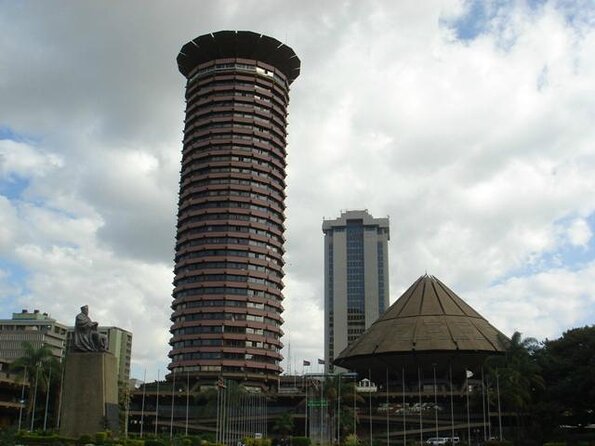
- KICC rooftop option for skyline views, and timing can mean sunrise or sunset lighting
- Statues of independence leaders, including Dedan Kimathi and Tom Mboya, with time to take photos
- Outside-only history stops, like National Archives and Kipande Road, without rushing inside
- Maasai Market shopping time to browse, take photos, and interact with local sellers
- US Embassy 1998 memorial stop at August 7th Memorial Park, from the outside
- Small group size (max 8) with guide support throughout, plus Wi-Fi and a mobile ticket
Nairobi covered at street level and by minivan
Start point near Hilton City-Hall Way, then Nairobi on foot

The tour starts at Globetrotter of Scandinavia, by the Hilton Hotel area on City-Hall Way in Nairobi. The end is City Market on Muindi Mbingu St, Starehe, and the tour wraps right after the market visit. It is designed as a compact, efficient 2-hour experience, so you are not hopping all over town.
You will be in a group capped at 8 people, which makes it easier to ask questions and keep moving without feeling lost. It also helps the guide manage the stops, from photo breaks to the market section where you might want a little extra time.
You get a mobile ticket and Wi-Fi as part of the experience. That is a nice touch for quick navigation checks and sending a couple of photos home without burning data.
KICC rooftop views and the first president statue stop
Your first major moment is at Kenyatta International Conference Center (KICC). You will see the statue tied to the first president of Kenya, and you get a chance to go up to the rooftop for an aerial view of Nairobi.
This is where the timing detail matters. Depending on when you go, the rooftop is also where you may catch sunrise or sunset. Even if you do not plan a perfect photo, that change in light can make the skyline feel totally different.
Two practical things to know:
- The rooftop admission ticket is not included. Plan on paying $5 per person if you want that view.
- This stop is about 10 minutes, so if rooftop access is your priority, keep your timing tight and follow your guide’s cues.
If you are the kind of traveler who likes getting your bearings fast from above, this is one of the strongest reasons to book.
Dedan Kimathi and Tom Mboya statues for independence context
Next you move to two short statue stops that are small in time but big in meaning. Dedan Kimathi gets a stop first, with time to take in the monument and photos. He is recognized as a national hero in Kenyan history, including his role helping Kenya fight for independence.
After that, you reach the Tom Mboya statue. Tom Mboya is highlighted in the tour as a key figure who spoke at the Congress Hall to help Kenya secure independence. You get a quick moment here, about 5 minutes, designed for photos and a short explanation rather than a long visit.
These are not complicated stops, but they do something valuable. By the time you reach the more “official” civic buildings and monuments later, you already have the names and stories in your head. That makes the next stops easier to understand, because you know who the country is honoring and why.
National Archives, Kipande Road, and Nairobi’s markers outside
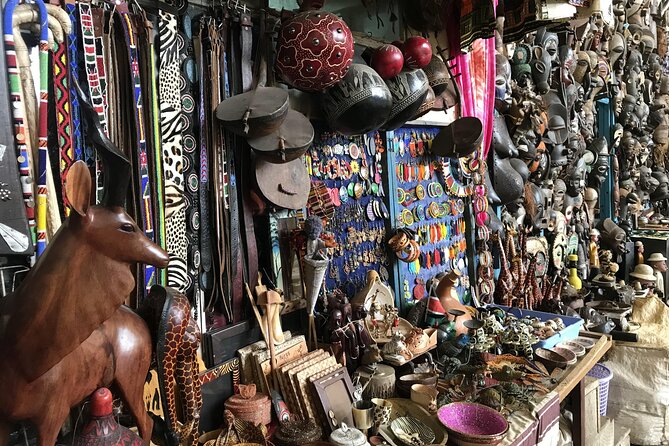
You will then head to Kenya National Archives. In this experience, you only explore from the outside, which keeps the pace comfortable if you want a walking tour rather than an indoor museum session. Still, you get the payoff of learning why it matters and how it relates to Nairobi’s history.
From there, Kipande Road is another outside stop focused on a national monument called Kipande house. This area is tied to history connected with how Kenya grew as a country. You get about 5 minutes here, basically enough time to locate the monument, take a photo if you want, and understand its significance without feeling like you are rushing.
If you prefer your history to come with “stand here, see this, know why it matters,” these two stops hit the sweet spot. If you are hoping to go deep inside documents or exhibits, you might feel the outside-only format is limiting, but it is consistent with the tour’s 2-hour goal.
Other Nairobi bookings that survived the same scrutiny
Maasai Market shopping time, local sellers, and how to handle pressure
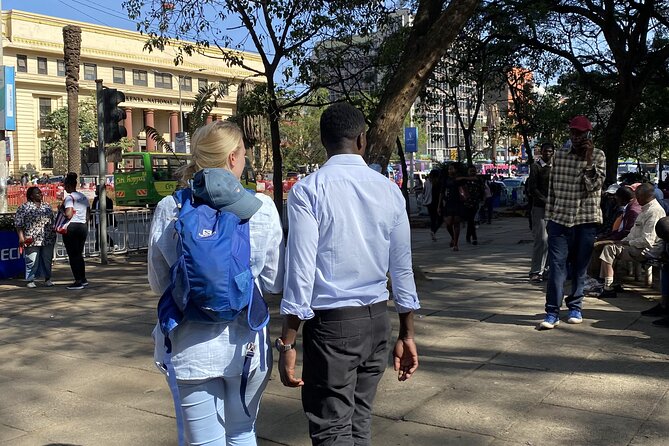
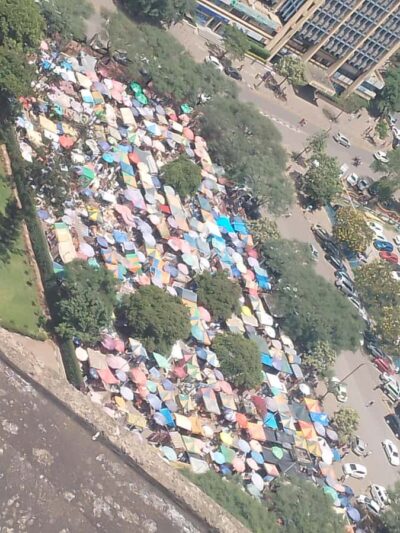
The tour’s shopping stop is Maasai Market. You get around 30 minutes here, which is long enough to browse, take pictures, and interact with local sellers without the whole tour turning into a shopping marathon.
This is also where you need to decide what kind of shopper you are. If you like the energy of street markets, this portion will likely feel fun and fast. If you dislike intrusive sales tactics, go in prepared. I would treat Maasai Market as browsing and selecting, not as a stress test.
A practical tip I like from real-world guidance: if you want more relaxed places to shop for souvenirs and gifts, consider Langata Link and Spinners Web for browsing and a more comfortable break for coffee and lunch. You can use that as a backup plan if Maasai Market feels too pushy for your style.
To make the market time work:
- Bring a clear idea of what you want to buy, so you are not negotiating from scratch under pressure.
- Keep your “quick photos, quick decision” mindset. You only have a set amount of time.
- If you feel overwhelmed, calmly step back and let your guide handle questions. Small group tours make it easier to reset.
The guide’s promise here is that they will help you get what you need at a local price. In practice, that means you should ask early about typical pricing ranges and how to think about value, especially if you are buying multiple items.
Jamia Mosque for a respectful look at Nairobi worship life

Jamia Mosque is your next monument stop. This is also from the outside, with time about 10 minutes for photos and history. It is described as a national monument and a center of worship for the Muslim community in Nairobi.
This stop is a good change of pace from the more “political history” feel of statues and memorials. Even though you are not going inside, you still get to see the building, take photos, and understand the role it plays in community life.
A simple tip: plan for your photos, then keep the moment respectful. Religious sites are not themed stops, they are places of worship, so stay aware of people coming and going.
August 7th Memorial Park and the 1998 US Embassy bombing site

The most emotionally serious part of the walk is August 7th Memorial Park. This is where you see where the US Embassy was bombed in 1998, again from the outside. You get about 10 minutes here for photos and explanation.
This is one of those stops that can make a place feel real instead of generic. A memorial is not just a photo background. It is tied to a specific event and a specific date, and it reshapes how you look at the rest of the civic center because you are seeing both power and vulnerability in the same city block world.
If you are sensitive to heavy history, give yourself permission to take things slowly. The tour keeps moving, but you can control your pace with your camera and your questions.
How the tour ends: restaurant tip, then Uber back
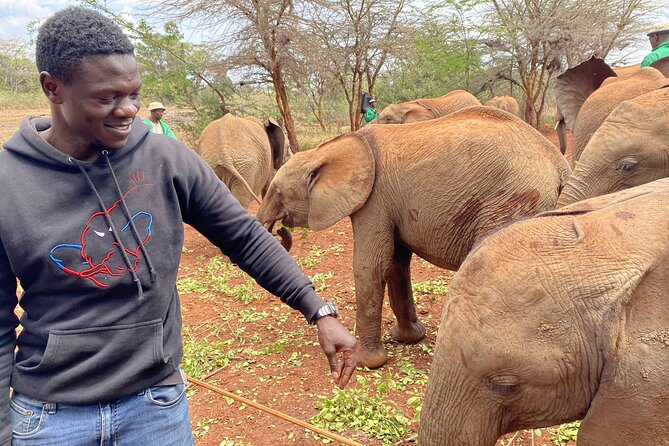
After the market visit, the tour ends at City Market. Your guide will recommend a restaurant after you finish, which is helpful because it saves you time finding somewhere nearby that actually fits what you want to eat.
Then you get help getting an Uber back to your hotel. For a 2-hour walking tour that ends in a different spot than it started, that final transport support is more valuable than it sounds. It reduces the risk of feeling stuck at the end.
You also start and end in areas that make sense for continued exploring, especially if you plan to spend the rest of your day at your own pace.
Price and value: $40 plus the optional $5 rooftop
At $40 per person, this feels like a solid deal for a short, guided introduction to Nairobi’s civic history. You are getting:
- a structured route through multiple monuments and memorials
- commentary tying monuments to Kenyan independence and national identity
- dedicated photo time at key statues
- market time with help shopping
- Wi-Fi plus a mobile ticket
The one additional cost to plan for is KICC rooftop admission at $5 per person. In other words, the full “best-of” version can be about $45, assuming you want the aerial view. If rooftop views are part of your Nairobi priorities, that extra $5 is usually worth it because it changes how the whole city feels in your head.
Group size also affects value. With a maximum of 8 people, you get more guide attention than you would in larger buses. You also keep a manageable pace for a walking tour, which matters if you want to cover a lot without feeling exhausted.
Who should book this walking tour, and who might skip it
This works best for travelers who want:
- a guided, walkable orientation to Nairobi’s civic and historical landmarks
- quick, name-based context for independence-era figures
- a practical shopping stop in Maasai Market with help getting local pricing
- a simple ending with a restaurant suggestion and Uber back
You might want a different option if you:
- strongly dislike markets and prefer a calmer, more controlled shopping area all trip
- want long indoor museum time or in-depth archival visits, since National Archives is outside-only here
- are not interested in the KICC rooftop skyline view and do not want the $5 optional ticket
Should you book this Nairobi City Guided Walking Tour?
If you want a fast, meaningful Nairobi introduction that mixes monuments, real places tied to major events, and a market stop you can handle with support, I think this is a very good booking. The $40 price is reasonable for a guided route with multiple national monuments, and the rooftop option gives you a high-value skyline payoff.
Book it if you are comfortable walking for about 2 hours and you like your history explained in the street, not only in buildings. If Maasai Market pressure sounds like your nightmare, go in with a plan, set your budget, and consider grabbing gifts at Langata Link or Spinners Web afterward for a calmer pace.
FAQ
What does the tour cost?
The tour costs $40.00 per person.
How long is the Nairobi city guided walking tour?
It runs for about 2 hours.
Is KICC admission included?
No. Admission to the KICC rooftop is $5 per person and is not included.
Where do we meet and where does the tour end?
You start at Globetrotter of Scandinavia Hiltion Hotel area on City-Hall Way, Nairobi. The tour ends at City Market on Muindi Mbingu St, Starehe, after the market visit.
How big is the group?
The tour has a maximum of 8 travelers.
Is this tour refundable if I cancel?
No. The experience is non-refundable and cannot be changed for any reason. If you cancel, the amount you paid is not refunded.
More Tours in Nairobi






More Tour Reviews in Nairobi


Nairobi at Street Level






Everything else we hold on Nairobi
- 7 Days Private 4 star lodges Safari by LandCruiser from Nairobi★ 5.0 · 3 reviews
- 5 Days/4 Nights Kenya Safari★ 4.5 · 3 reviews
- Safari Park Hotel Show & Dinner Experience In Nairobi Tour★ 3.6 · 3 reviews
- Day safari to Olpejeta Rhino conservancy★ 5.0 · 3 reviews
- 7 Days Breathtaking Kenya Wildlife Private Safari★ 5.0 · 3 reviews
- Overnight Amboseli National Park Safari from Nairobi★ 5.0 · 3 reviews
Nairobi City Tours, compared.
 ★ 5.0Nairobi Historical Walking City TourFrom $35258 reviews
 ★ 4.8Nairobi Walking tour:Explore History Culture and TraditionsFrom $22222 reviews
 ★ 4.7Nairobi Downtown Walking TourFrom $27208 reviews
 ★ 5.0Nairobi City Walking Tour with Traditional Kenyan LunchFrom $45106 reviews
 ★ 4.8Nairobi Walking Tour: Downtown & City TourFrom $2032 reviews
 ★ 4.0vibrant nairobi city tourFrom $3522 reviews
 ★ 4.6Nairobi City Orientation Guided Tour with Lunch at CarnivoreFrom $15020 reviews
 ★ 5.0Nairobi city sights, Giraffe Encounters and Bomas Kenya TourFrom $9519 reviews
Appears in these lists