

REVIEW · KIBERA COMMUNITY TOURS
Kibera slum tour with Lucas
Kibera is Nairobi seen up close. This 3-hour walking tour with local guides lets you move through Toi Market, step into the rhythms of daily life, and end at community hubs that your money directly supports. The day feels personal because you meet people who were born and raised in Kibera, and you go beyond the usual photo stops.
I love two things most. First, the market portion is hands-on in a real way, with different parts of Toi Market and time to talk with traders. Second, the tour is tied to the Hope and Shine Kibera Centre, with 30% of the fee supporting the school that hosts more than 40 kids.
One consideration: this is a walking day on uneven ground, and it can be muddy. It is not suitable for wheelchair users, and it may be tough if you have very limited mobility.
In This Review
- Key points that make this tour worth your time
- Greenhouse Mall meet-up: orientation, safety, and local leadership
- Toi Market in sections: more than shopping, it’s how Nairobi trades
- Victorious Craft shop and the Power Women stop: creativity and purpose
- Inside a Kibera home: what a family visit teaches
- The school focus, Hope and Shine Kibera Centre, and your 30% support
- Old colonial railway line viewpoint: scale, layout, and perspective
- Price and timing: is $35 really good value?
- Who should book this Kibera tour with Lucas?
- Should you book this tour or skip it?
- FAQ
- How long is the Kibera slum tour with Lucas?
- Where do we meet for the tour?
- How much does the tour cost?
- Is there a local guide, and what language do they speak?
- What places will we visit during the tour?
- What does the tour fee support?
- Is the tour good for photography?
- What should I bring?
- Who is the tour not suitable for?
- What is the cancellation policy?
Key points that make this tour worth your time

- Start at Greenhouse Mall, get oriented fast, and meet a guide who grew up in Kibera
- Toi Market sections show how Nairobi’s second-largest open-air market actually works day to day
- Recycled-bone jewelry at Victorious Craft shop turns everyday scraps into wearable art
- A women-run stop on HIV/AIDS education adds context beyond the poverty photos
- Home visit with the guide’s family helps you understand daily life from inside
- Raised viewpoint near the old colonial railway line gives you a sharper sense of scale and layout
Kibera walks guided by residents of the settlement
Greenhouse Mall meet-up: orientation, safety, and local leadership
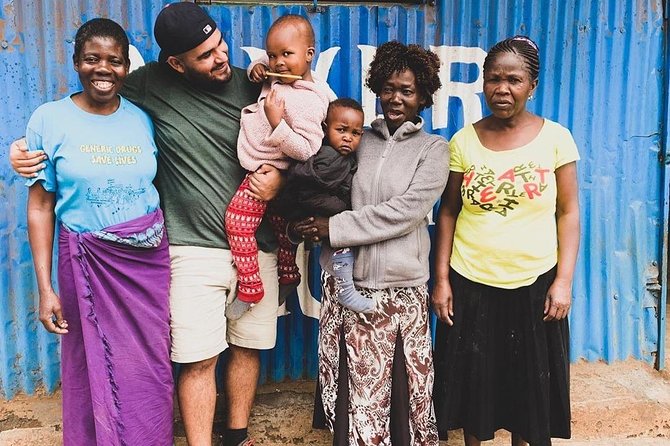
Your tour starts at the entrance of Greenhouse Mall on Ngong Road. This matters more than it sounds. A solid briefing early on helps you understand what is expected, how to behave respectfully, and how the walk will flow. You also get the comfort of meeting your guide before you step into the neighborhood.
The guides are born and raised in Kibera, and that authenticity shows in how they answer questions. In particular, the tour is designed to help you learn daily life experiences, not just collect images. You are also told up front that part of the tour fee supports a local school, the Hope and Shine Kibera Centre, which helps you connect the visits to an ongoing project.
Safety is built into the way the day is structured. You are walking with a local guide, with safety throughout the tour, and you have multiple checkpoints like school and bank departure later in the route. If you value organization in a place that can feel chaotic from the outside, this kind of structure makes a big difference.
Toi Market in sections: more than shopping, it’s how Nairobi trades
Toi Market is the second largest open-air market in Nairobi after Gikomba, and this tour treats it like a living system. You do not just pass by stalls. You explore different sections, see how goods move, and interact with traders. That interaction is the point. It turns the market from a sight into a conversation.
What I like about this part is the variety. One area focuses on clothes, another on food, and another on hardware. Even if you only have a short time in Nairobi, this gives you a quick but real picture of what people buy and what keeps daily life moving.
There is also an honesty to this style of market tour. You are not shielded from reality, but you are guided through it. You can ask questions about what you are seeing, and you get the context that tourists often miss when they arrive without local language or local knowledge.
Quick practical note: plan on time for shopping and photo stops, but keep your camera ready and your expectations grounded. Markets can be crowded and active, and your guide will help you navigate without rushing. Comfortable walking shoes make this section way easier.
Victorious Craft shop and the Power Women stop: creativity and purpose

A highlight on this tour is creativity with a twist. At the Victorious Craft shop, you see how domestic animal bones are recycled into jewelry and ornaments using a mixture of brass. It is a very specific craft, and it changes how you think about “waste.” In a place where resources are tight, skills like this become survival tools and income streams.
You also stop at a women-focused shop connected to education. The “Power women shop” is centered on educating young girls about HIV/AIDS. That is important because it adds a layer of community life that is easy to overlook when the only thing you expect to see is poverty. This part helps you understand that people are tackling health challenges with education and local leadership.
You should expect to see strong community pride here. People are working, making, teaching, and selling. If you come in with curiosity and patience, you will leave this section with more respect than you started with.
One possible drawback to keep in mind: craft and jewelry stops can include a shopping atmosphere. If you are easily pressured in retail settings, you might feel a little uncomfortable. My advice is simple, walk slowly, ask prices if you want to shop, and if you do not, just thank the shopkeepers and keep moving with your guide’s lead.
Inside a Kibera home: what a family visit teaches
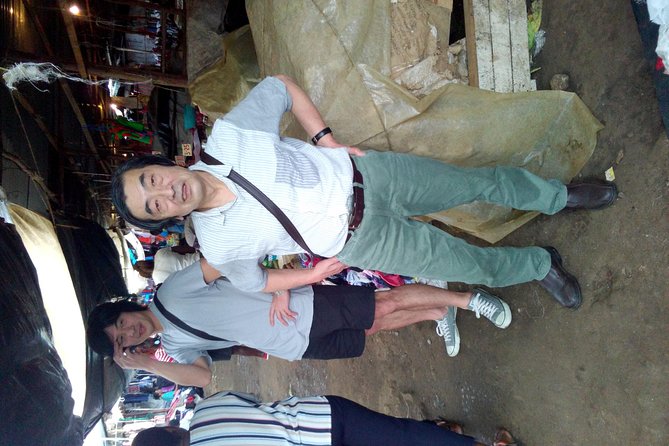
Later, you do a home visit to one of the guide’s homes with the family on duty. This is where the tour becomes more than a route. You see how daily life works inside the space, and you meet the people who live it, not just pass by them at a distance.
What makes this stop valuable is the human connection. It is not a performance. You are there to learn, and you are usually guided by someone who knows the family context. That helps you ask better questions and avoid the common mistake of treating people’s homes like tourist attractions.
This part also comes with emotions. Some parts of Kibera will look hard, and you might feel uncomfortable at times. The best way to handle that is to stay present, be respectful with photos, and remember you are visiting people who are living their everyday routines.
You should also plan for the logistics of a home visit. You may need to step carefully, and conditions can be tight depending on the house layout. If you have mobility limitations, you will want to take extra care, because this is a walking day on uneven ground.
The school focus, Hope and Shine Kibera Centre, and your 30% support
A big reason to book this tour is the school connection. The tour explicitly supports the Hope and Shine Kibera Centre, which hosts over 40 kids. The structure is clear: 30% of the tour fee supports the school.
That percentage is one of the best value signals in the whole experience. Yes, $35 for a three-hour guided walk is reasonable, but the real difference is where the money goes. You are not just paying for a guide, you are funding education capacity.
You visit the school as one of the final stops before departure at Equity Bank Kibera. This is not a quick photo line. The school visit is meant to help you see what your support connects to, and it gives you a reason to feel good about the day beyond sightseeing.
If you want to do good without being performative, this is one of the cleanest models. The tour gives you a direct link between your spending and a specific community need, and the guides tie it back to ongoing work. It is a practical form of impact, and it keeps the visit grounded in real outcomes.
Old colonial railway line viewpoint: scale, layout, and perspective
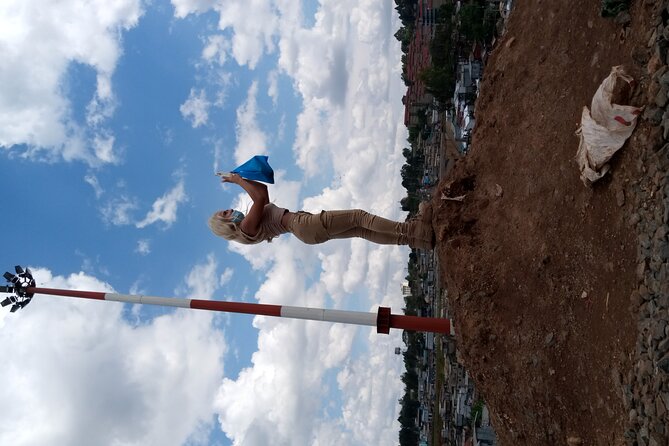
You end up with a viewpoint near the old colonial railway line. The tour includes a raised point for scenic views along the way, and it helps you understand scale. From street level, Kibera can feel like a maze of homes and paths. From a higher vantage, it becomes clearer how neighborhoods are arranged and how people move through the area.
This stop is also a mental reset. After market noise and home-life details, a broader view helps you connect what you learned to geography. You get a sense of the bigger picture, without losing the personal stories you heard earlier.
Photography is part of this section, and it is worth slowing down. Look first, then shoot. Your guide can help you choose angles that respect privacy and make the most of the viewpoint.
Price and timing: is $35 really good value?

$35 per person for a three-hour, English-language walking tour is a fair price when you factor in the built-in support model. You get entry ticket coverage, a local guide born and raised in Kibera, safety throughout the tour, and time spent at several meaningful stops like markets, craft centers, a home visit, and the school.
The strongest value piece is the 30% school support. If you have ever booked a tour where your money mostly covers transportation and guiding, this feels different. Here, part of what you pay funds the Hope and Shine Kibera Centre that serves more than 40 kids.
There are also “soft value” items. You get plenty of photography opportunities, but you also get context. A local guide helps translate what you are seeing, including questions you may not know how to ask at first. Reviews mention guides like Effie, Peter, and Elijah, and their names keep coming up for caring, clear explanations, and steady support during the walk.
For timing, three hours is long enough to feel like a real experience, but short enough that you are not stuck all day in challenging walking conditions. That balance is smart.
Who should book this Kibera tour with Lucas?
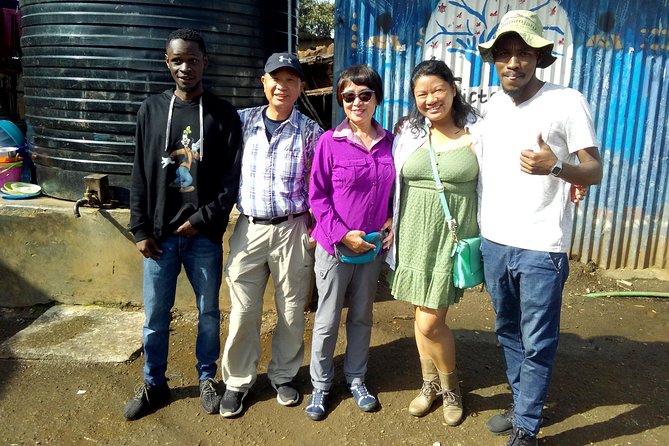
This tour is a strong fit if you want an authentic Nairobi experience and you care about community outcomes, not just photos. It is also ideal if you enjoy markets, crafts, and conversations with locals who know the place deeply.
It may not be the best choice if you need step-free access or long rests. It is not suitable for wheelchair users, and the tour route involves plenty of walking over uneven or muddy ground at times. If you are older and have trouble with mobility, you should think twice. The tour is not suitable for people over 95 years.
If you travel solo, you can still feel supported. The structure, the local guide, and the safety emphasis all help you feel comfortable in a place that can otherwise feel overwhelming.
Should you book this tour or skip it?
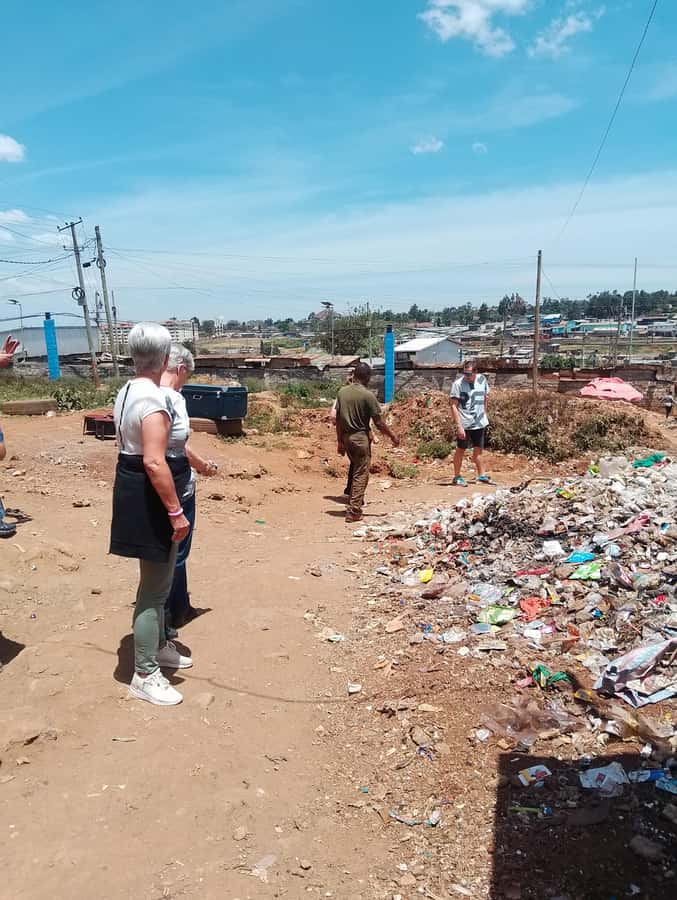
I would book it if your goal is to understand Kibera as a community, not just a headline. The mix of Toi Market, craft work at Victorious Craft shop, the women-run HIV/AIDS education stop, a home visit, and a school visit tied to Hope and Shine makes it one of the more purposeful slum tour options in Nairobi.
Skip it if you dislike walking on uneven ground or if you want a low-emotion, low-context experience. Also skip or adjust expectations if you get uncomfortable in environments where shopping stops can feel pushy. You can always choose not to buy, but you should know the tour includes craft and jewelry shops.
If you come with respectful curiosity, good shoes, and a willingness to see more than the outside of Nairobi, this tour delivers real value for $35 and sends meaningful support to a local school.
FAQ
How long is the Kibera slum tour with Lucas?
The tour lasts 3 hours.
Where do we meet for the tour?
You meet at the entrance of Greenhouse Mall.
How much does the tour cost?
The price is $35 per person.
Is there a local guide, and what language do they speak?
Yes. The tour includes a local guide born and raised in Kibera, and the tour is in English.
What places will we visit during the tour?
You will visit different sections of Toi Market, a craft shop where domestic animal bones are recycled into jewelry with brass, a local school you support, a local house for a home visit, and you end at Equity Bank Kibera. You also include scenic viewpoints along the way.
What does the tour fee support?
30% of the tour fee supports Hope and Shine Kibera Centre, a Kibera school that hosts over 40 kids.
Is the tour good for photography?
Yes. The tour includes plenty of places for photography, including market areas and a viewpoint near the old colonial railway line.
What should I bring?
Bring comfortable shoes and a camera.
Who is the tour not suitable for?
It is not suitable for wheelchair users, and it is not suitable for people over 95 years.
What is the cancellation policy?
The tour offers free cancellation up to 24 hours in advance for a full refund.
More Tours in Nairobi





More Tour Reviews in Nairobi


Walking Kibera Again





Everything else we hold on Nairobi
- 7 Days Private 4 star lodges Safari by LandCruiser from Nairobi★ 5.0 · 3 reviews
- 5 Days/4 Nights Kenya Safari★ 4.5 · 3 reviews
- Safari Park Hotel Show & Dinner Experience In Nairobi Tour★ 3.6 · 3 reviews
- Day safari to Olpejeta Rhino conservancy★ 5.0 · 3 reviews
- 7 Days Breathtaking Kenya Wildlife Private Safari★ 5.0 · 3 reviews
- Overnight Amboseli National Park Safari from Nairobi★ 5.0 · 3 reviews
Kibera Community Tours, compared.
 ★ 4.9Nairobi: Explore Kibera Slum with Local GuidesFrom $15365 reviews
 ★ 5.0Kevins Kibera Slum ToursFrom $65213 reviews
 ★ 5.0Nairobi: Kibera Slum storytelling tour with a LocalFrom $20185 reviews
 ★ 5.0Kibera Slum Tour with LucasFrom $35119 reviews
 ★ 5.0Nairobi: Kibera Slum Tour with Local Social EntrepreneursFrom $40107 reviews
 ★ 4.5See Kibera with a Non-Profit LeaderFrom $30107 reviews
 ★ 5.0Private Tour in Kibera the Largest SlumFrom $1554 reviews
 ★ 5.0Ismael’s Kibera Slum TourFrom $6542 reviews
Appears in these lists