
REVIEW · WORKSHOPS
Beginner Swahili Woodcarving Classes with Woman Woodcarver
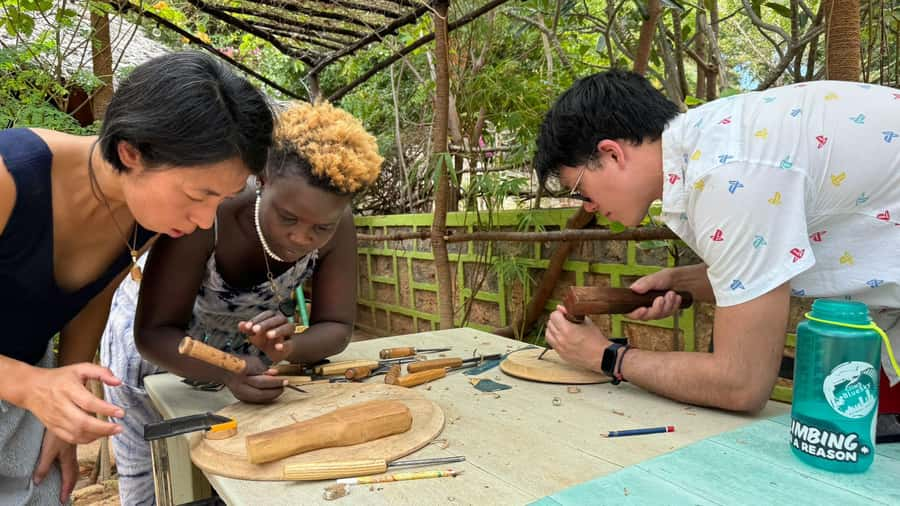
A spoon-sized souvenir starts with patient hands. On Lamu Island, Almasi teaches traditional Swahili woodcarving in a way that actually helps beginners make something real in just 3 hours. I love how the class mixes local craft skills with a calm, human pace, not a rushed demo.
What I love most is the chance to learn from Almasi, the only woman woodcarver in Lamu Island, and to get steady, kind instruction while you work. You’ll also leave with your own handmade souvenir, plus the tools and know-how to keep carving after you go.
One consideration: it’s not suitable for children under 5, and it lists mobility impairments as a no-go. If anyone in your group has limited mobility, I’d check with the provider first so you’re not surprised on the day.
In This Review
- Key Things to Know Before You Carve in Lamu
- Meet Almasi, the Only Woman Woodcarver in Lamu
- Where the Class Happens: Shela Garden or Your Hotel
- The 3-Hour Flow: From Tool Talk to Your Take-Home Piece
- First, you get oriented and taught how to use the tools
- Next, you practice the technique with guidance
- Finally, you complete your souvenir and get ready to take it home
- Beginner-Friendly Swahili Woodcarving: What You Actually Learn
- A Garden Workshop With Refreshments (And a Human Touch)
- Turning Your Souvenir Into a Good Travel Memory
- Price and Value: Why $75 Makes Sense Here
- Who Should Book This Woodcarving Class in Lamu
- Should You Book Beginner Swahili Woodcarving With Almasi?
- FAQ
- How long is the Swahili woodcarving class?
- What does the class cost?
- Where do I meet for the class?
- Is the class suitable for beginners?
- What should children’s age limits be?
- Can the class be held at a hotel or at home?
- What languages does the instructor speak?
- Is the class wheelchair accessible?
Key Things to Know Before You Carve in Lamu
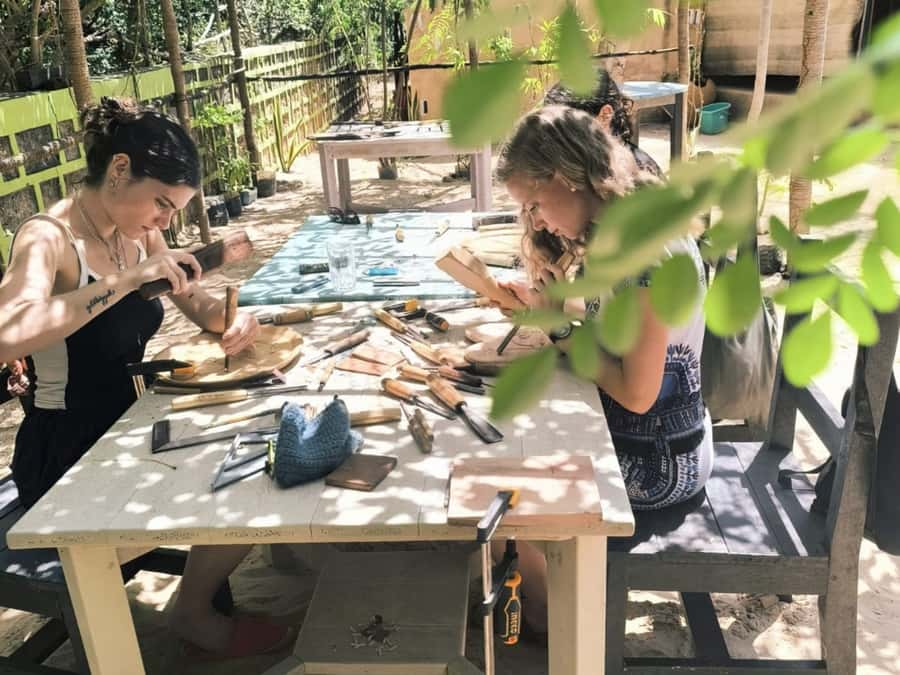
- You learn from Almasi, the only woman woodcarver in Lamu Island, teaching Swahili techniques passed down through generations
- You get all tools and materials, so you can show up with just the basics (water, sunscreen, comfortable clothes)
- You make a take-home souvenir in 3 hours, so it’s not a “watch and hope” experience
- Instruction is slow and detailed, with patience for beginners and lots of tool guidance
- The setting is flexible, classes can happen at Shela’s Earth Love Healing Center Garden or at your home or hotel
- Refreshments are included, and in at least one case Almasi added a snack to make the moment feel extra personal
Meet Almasi, the Only Woman Woodcarver in Lamu
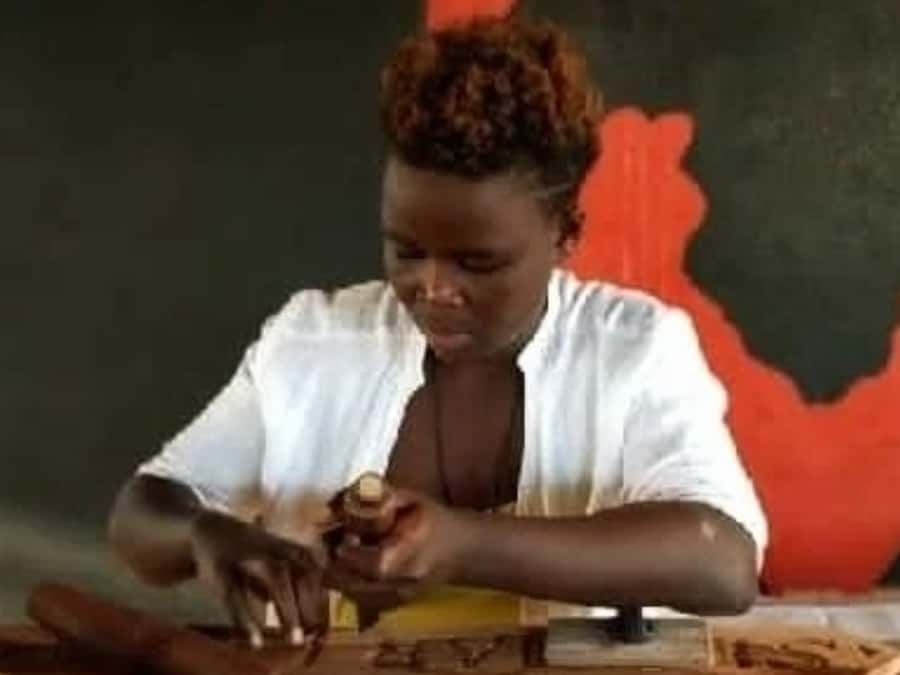
In Lamu Island, craft isn’t just a hobby. It’s something you can feel in the way people treat everyday objects, and that’s exactly what you get when you sit down with Almasi.
Almasi is a professional wood sculptor and, importantly for beginners, a careful teacher. People describe her as attentive, patient, and warm-hearted while still taking the work seriously. One learner, Sophie from Kenya, highlighted how Almasi mixes kindness with a real craft focus, and another, Raluca from Germany, stressed that Almasi explains tool use in a way that makes the difference when you’re learning from scratch.
If you like hands-on learning where someone’s watching your technique and adjusting when needed, you’ll probably relax fast. And if you’re the type who worries you’ll mess up, you’ll like her calm approach. She teaches carving as something that can’t be rushed, which sounds obvious until you’re holding the tool and realizing speed is not the point.
Where the Class Happens: Shela Garden or Your Hotel
You’re not stuck with one location. The experience is set up so it can be held at a specific garden space in Shela or brought to where you’re staying.
Most classes start with you meeting at Peponi Hotel. Ask at the counter and a guide will point you in the right direction. From there, you’ll head to the class area, which is the tranquil Earth Love Healing Center Garden in Shela. That matters more than you might think, because woodcarving rewards a steady, distraction-free pace. A calm garden setting gives you room to focus on the hands-on rhythm of cutting and shaping.
If you’d rather not travel across the island or you’re on a tight day schedule, the class can also be arranged at your home or hotel, by request. That’s a practical perk if you’re traveling as a family, or if you want a more private, low-stress experience.
One note on group size: it’s private group. For me, that’s key. In a private class, you’re more likely to get the exact tool guidance you need, instead of waiting for the instructor’s attention while others catch up.
The 3-Hour Flow: From Tool Talk to Your Take-Home Piece
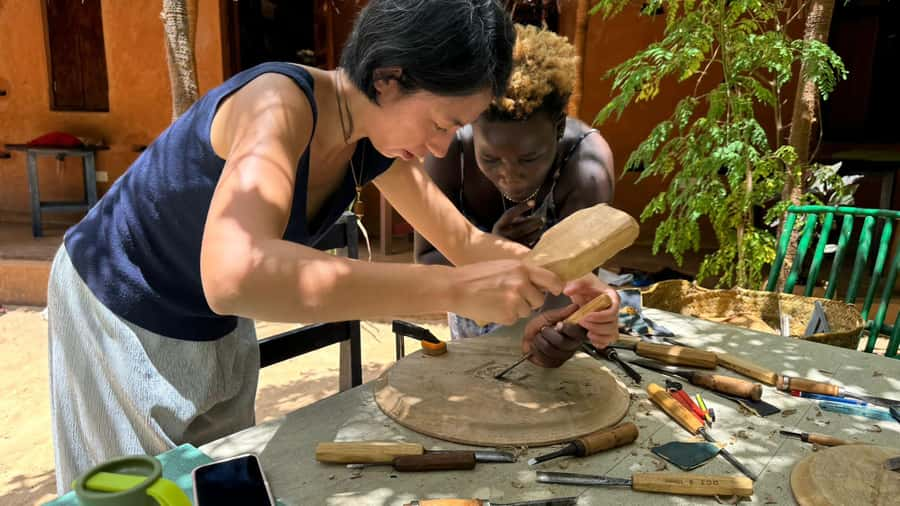
This isn’t a “come back next week” craft class. It’s built to finish with you holding your own souvenir.
A typical session runs for 3 hours, with the time split between instruction and hands-on practice. Here’s how I’d think about the flow so you know what you’re signing up for:
First, you get oriented and taught how to use the tools
You’ll have everything you need for the class, including materials and tools. Raluca specifically mentioned that Almasi was willing to explain every detail about using the carving tools. That’s the difference between learning a technique and just being handed a tool.
For you, this is the safety and confidence phase. When someone clarifies how to grip, angle, and work, you spend less time guessing. And because it’s beginner-friendly, the goal is progress, not perfection.
Next, you practice the technique with guidance
After tool basics, the session becomes hands-on. You’ll practice the traditional Swahili woodcarving methods that Almasi says have been passed down through the generations. The practical part here is feedback. You learn faster when the instructor can see what your hands are doing and correct small issues early.
Also, you’ll feel why carving needs patience. One learner described carving as humble and grounding, something you can’t rush. That fits the way the class is presented: step-by-step, with you working at a pace that makes sense.
Finally, you complete your souvenir and get ready to take it home
The class includes a handmade souvenir that you make during the session. That’s one of the most valuable parts of the experience because you’re not leaving with a generic store-bought item. You’re leaving with something you made in place, with the guidance of a local craft teacher.
If you want this to travel well, plan how you’ll pack it before you start. More on that below.
Beginner-Friendly Swahili Woodcarving: What You Actually Learn
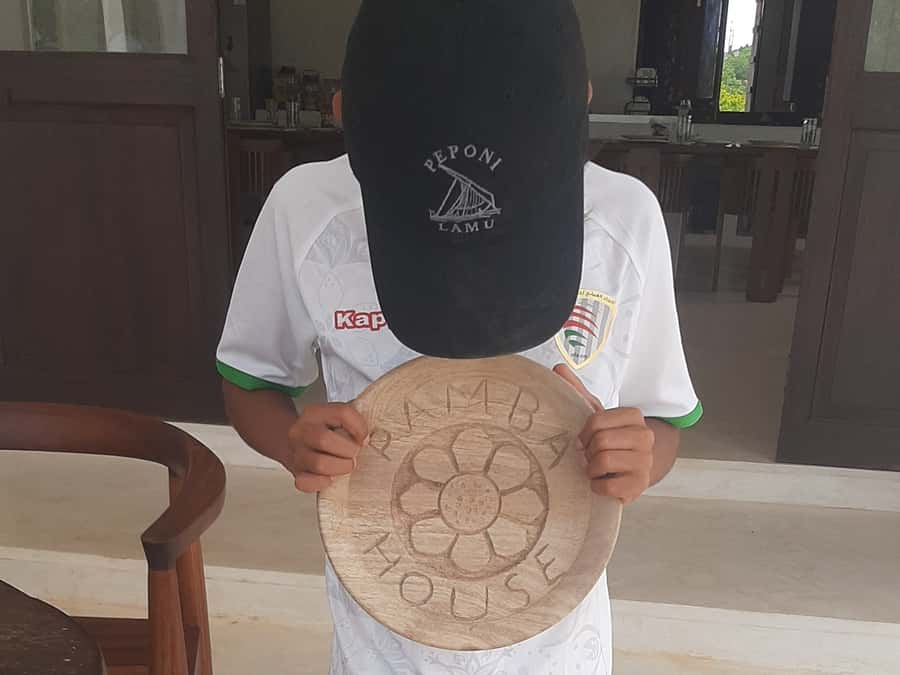
“Traditional techniques” can sound vague. In this class, the traditional part matters because the teaching style is built around doing it the right way from the start.
Almasi teaches traditional Swahili woodcarving passed down through generations. But the beginner-friendly twist is how she teaches you to start working without frustration. Sophie highlighted how Almasi is both attentive and patient with apprentices. That’s what you’ll feel in the room, not just hear in the description.
Here’s what you’re really learning as a beginner:
- How to approach carving slowly and deliberately rather than forcing results
- How to work safely and comfortably with the tools provided
- How to understand the material as you carve, instead of treating it like a one-time craft step
- How the craft connects to local identity, since you’re learning in Lamu with a Lamu-based teacher
And because the class welcomes both children and adults, it works well for mixed groups. Just keep the age guidance in mind: it’s not suitable for children under 5.
You’ll also benefit from the bilingual teaching, Swahili and English. If English is your comfort zone, you won’t be left out. If you’re picking up Swahili phrases while you travel, this is one of the few places where the language learning actually ties directly to what you’re doing.
A Garden Workshop With Refreshments (And a Human Touch)
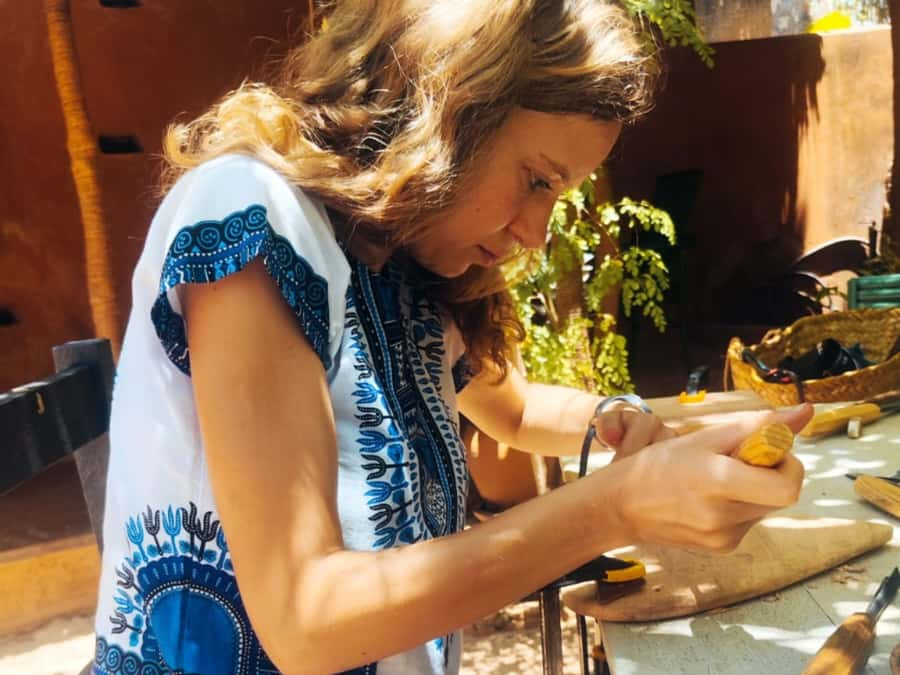
The Earth Love Healing Center Garden in Shela is the kind of setting that makes you want to slow down. You’re not squeezed into a crowded studio. You’re learning in a calmer space where you can hear yourself think and focus on the carving.
And you’re not left hungry. Refreshments are included, and one learner, Nuria from Spain, mentioned Almasi invited them for a snack. That small extra detail is the kind of hospitality that makes a workshop feel like a relationship, not a transaction.
What I like about this is simple: when you’re working with your hands for hours, even light refreshment helps you keep a good mood. Carving is a concentration sport, and a break keeps you from turning it into a stressful chore.
Turning Your Souvenir Into a Good Travel Memory
You’ll create your own handmade souvenir, which is great for your photos, but also great for your brain. Buying a craft item is nice. Making one in the place where the craft lives is different.
Now the practical part: once you’ve finished, treat your piece like something you want to keep for years. Since the class includes the souvenir, you can focus on transportation and storage rather than whether you’ll be able to “finish it up” later.
My practical packing advice for any carved wood item:
- Wrap it gently in cloth or paper to prevent scuffs
- Put it somewhere stable in your bag so it doesn’t get knocked around
- Avoid leaving it in direct sun or a hot car for long periods
The class ends with you taking it home, so your main job is protecting it from travel mishaps. Carving is personal. Your job is to keep it that way.
Price and Value: Why $75 Makes Sense Here
At $75 per person for a 3-hour class, this is not the cheapest activity in Lamu. But it’s priced like what it is: a guided, hands-on session led by a local craft professional.
Here’s why the value works for you:
- You get all necessary materials and tools, so you’re not paying extra for basic supplies
- You leave with a finished handmade souvenir, not just a lesson
- You get instruction from Almasi, a Lamu-based teacher known for patience and careful tool guidance
- Refreshments are included, which matters for comfort and pacing
If you compare it to buying a souvenir, you’re paying for the experience and instruction. If you compare it to other cultural classes, you’re getting something tangible you made, rather than just a ticket to a talk.
This is especially good value if you’re in Lamu for a short time. Three hours is enough to learn, make, and walk away with something meaningful.
Who Should Book This Woodcarving Class in Lamu
This class fits best if you want a calm, personal cultural activity that you can actually participate in.
I think it’s a strong match for:
- Couples or friends who want an experience beyond sitting in a café
- Families with older kids who can handle focused hands-on work
- Anyone who likes learning a craft by doing, even if you’ve never used carving tools before
- Travelers who prefer private attention, since the group type is private
It’s less ideal if:
- You’re traveling with children under 5
- You or someone in your party has mobility challenges, since it lists mobility impairments as not suitable
- You’re expecting a fast, flashy activity with big spectacle. This is careful craft work.
If you’re on the fence, ask yourself a simple question: Do you want something you made yourself, guided by a real local teacher? If yes, you’ll likely find this class worth your time.
Should You Book Beginner Swahili Woodcarving With Almasi?
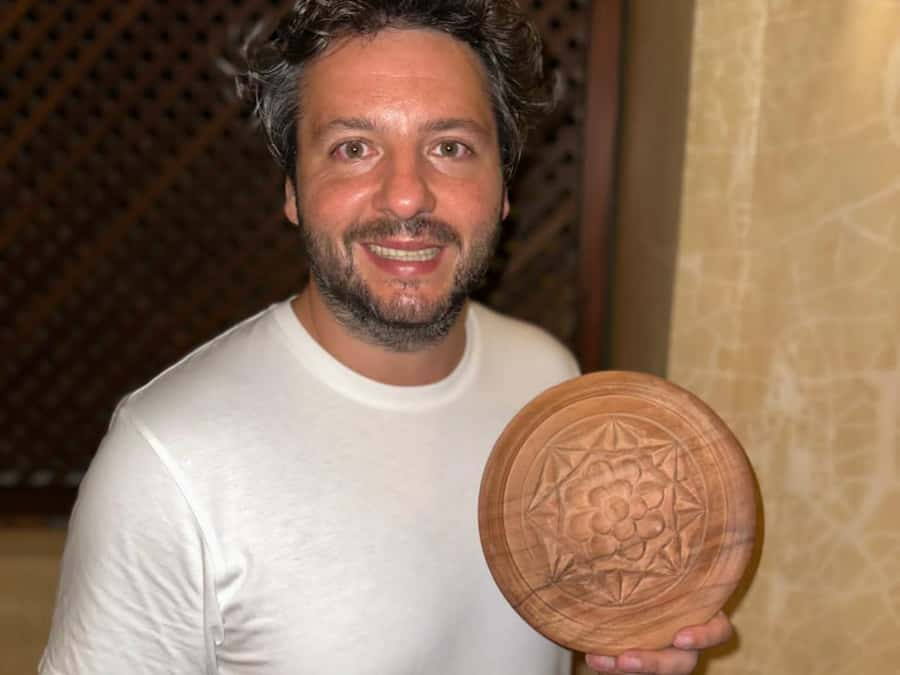
I’d book it if you want an authentic, hands-on Lamu experience that respects beginners. Almasi’s teaching style is the core of the value. Learners describe her as attentive, patient, and serious about craft, while still making you feel confident. You also get a souvenir you made, not just one you purchased.
Book it with confidence if your group can handle a hands-on workshop pace and you’re comfortable with the general requirements: bring a hat, sunscreen, and water, and wear comfortable clothes. Also, if you have mobility concerns or you’re traveling with very young children, verify suitability before you commit.
If your trip is all about big-ticket sights, this might feel too quiet. But if you want a skill, a story, and an object that carries both, this is a smart choice.
FAQ
How long is the Swahili woodcarving class?
The class lasts 3 hours.
What does the class cost?
The price is $75 per person.
Where do I meet for the class?
Meet at Peponi Hotel. Ask at the counter, and the guide will point you out.
Is the class suitable for beginners?
Yes. It is suitable for beginners, including both children and adults.
What should children’s age limits be?
It is not suitable for children under 5.
Can the class be held at a hotel or at home?
Yes. The class can be held at your home or hotel, or at the Earth Love Healing Center Garden in Shela.
What languages does the instructor speak?
The instructor teaches in Swahili and English.
Is the class wheelchair accessible?
The activity information says wheelchair accessible, but it also lists that it is not suitable for people with mobility impairments. If this affects you, I recommend checking directly with the provider before booking.
Workshops, compared.
 ★ 5.0Traditional Kenyan Cooking Class & Local Market TourFrom $50129 reviews
 ★ 5.0Authentic Kenyan Cooking Class & Market Tour in NairobiFrom $6412 reviews
 ★ 5.0Private Traditional Kenyan Cooking Class with Lunch in NairobiFrom $6010 reviews
 ★ 4.8Market Tour and Traditional Kenyan Cooking Class in NairobiFrom $556 reviews
 ★ 5.0Local Market Tour and Traditional Meal Cooking ClassFrom $644 reviews
 ★ 5.0Private Kenyan Cooking Class in Nairobi with a LocalFrom $763 reviews
 ★ 5.0Agro-Tourism Tea Workshop in Nandi HillsFrom $1373 reviews
 ★ 5.0Malindi : Kenyan Cooking Class with Campfire MealFrom $253 reviews
Appears in these lists