
REVIEW · TEA FARM TOURS
Agro-Tourism Tea Workshop in Nandi Hills
Tea farming starts before most people wake up. This 10-hour agro-tourism day in Kenya’s Nandi Hills shows how tea moves from harvest to weighing to factory processing and, finally, a tea tasting. I particularly love the tea weighing step, because it’s practical and shows how the job gets measured and managed, and I also love meeting the tea pluckers to see the focus and resilience behind a repetitive, high-importance task. One drawback to keep in mind: it depends on good weather and starts early, so plan for an active day even if you are not a morning person.
I went for the tea story, but you also get a full taste of the region with time in Nandi Hills and a farm-and-factory rhythm that feels hands-on, not staged. The tour is private (just your group), uses private transportation, includes lunch, and ends back at the meeting point near public transport, at Swiss Side ItenFriends Bar in Iten.
In This Review
- Key highlights to look for
- Where the day starts in Iten, and why timing matters
- Harvest explanations, then weighing tea with modern methods
- What I’d do before you go
- Tea pluckers: skill, repetition, and real work you can respect
- Farm-to-factory flow: transporting and transforming you can follow
- Lunch at the cottage, so the day stays human
- Visiting a tea factory in Nandi County, where leaf becomes product
- Nandi Hills time: scenery plus context for the tea story
- Tea tasting at the end: connect process to flavor
- Quick tip
- Price and value: is $137.46 worth it?
- Who this is best for, and who should think twice
- Should you book the Agro-Tourism Tea Workshop in Nandi Hills?
- FAQ
- Where do we meet for the Agro-Tourism Tea Workshop in Nandi Hills?
- How long does the experience take?
- What time does the tour run?
- Is this a private tour?
- What’s included in the price?
- What should I expect during the day?
- Is good weather required?
- What happens if the tour is canceled due to poor weather?
- What is the cancellation policy?
Key highlights to look for
- Tea weighing that’s been modernized, so you can connect the farm work to how tea gets handled
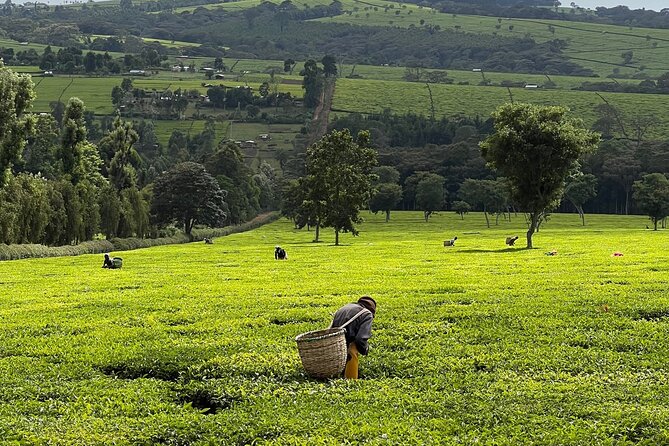
- Tea pluckers up close, watching skill, speed, and stamina on a task that matters
- A real factory visit in Nandi County, showing how leaf becomes a finished product
- A full production flow in one day, from harvesting to transporting to transforming to tasting
- Lunch back at the cottage, which keeps the day from becoming one long rush
- Tea tasting at the end, giving you a chance to connect what you saw with what you drink
Shortlisting? These Rift Valley Province bookings went through the same checks.



Where the day starts in Iten, and why timing matters
Most days feel like they start when the sun rises. This one starts earlier. The workshop runs during the morning window of 5:00 AM to 9:00 AM (for the stated operating dates), and the full experience is about 10 hours, ending back at the same meeting point at Swiss Side ItenFriends Bar in Iten.
That early start is not random. Tea work and processing follow tight schedules, and the workshop is built to let you see key steps while they are still happening. If you show up rested, you will enjoy the pacing more. If you show up half asleep, you might still learn a lot, but you will feel the long day in your legs.
Because this is a private activity, you are not competing with a large crowd to hear explanations or get a clear view. Private transportation is included, which is a big value-add in this part of Kenya, where getting between farm areas and the factory can eat time when you are doing it on your own. It also means the day stays about learning and tasting, not about logistics.
Harvest explanations, then weighing tea with modern methods
The morning begins with an explanation of how harvesting works. You get the basics first, so when you see the actual tasks, you can understand why each step is there. It’s also a good way to reset your expectations. Tea production is not just picking leaves and calling it tea. There are methods that affect quality, consistency, and how the leaf gets handled next.
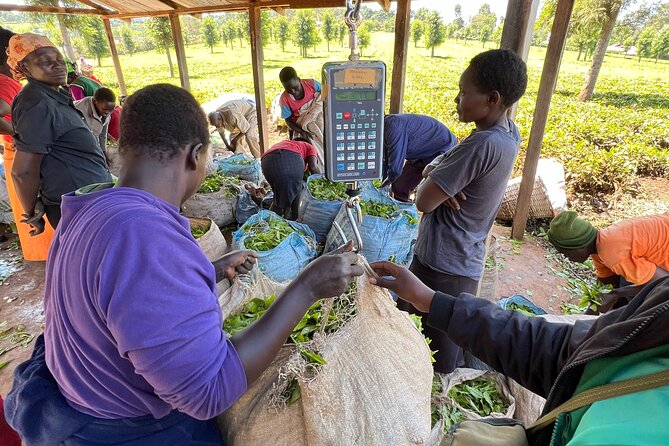
Then you move to weighing, and this is one of the most instructive parts. The weighing process has been modernized, which matters because it helps you see the practical link between farm labor and production needs. Weighing is where lots become manageable. It is also where you start thinking like a producer: how much leaf is processed, how it is tracked, and how errors get avoided.
This is a great moment for curious questions. If you wonder what workers do all day, this step helps you answer it. It turns tea from a drink into a workflow.
What I’d do before you go
Wear shoes you can stand in for a while. Even if you are not doing labor yourself, you will likely spend time watching, walking short distances, and repositioning for views.
Tea pluckers: skill, repetition, and real work you can respect
After the weighing, you meet the tea pluckers. This is not a quick photo moment. You get to see their proficiency and resilience in accomplishing a repetitive but crucial task. That combination is what makes this portion stick with you.
Tea plucking is a job built on rhythm and accuracy. You can often tell when someone is practiced, because they move efficiently and they keep working even when the day feels long. The workshop gives you a front-row look at what that looks like in real time. It also helps you understand that the final cup is only as good as the consistency of the early steps.
If you like agricultural tourism that respects labor, this is where it delivers. You are not just watching a performance. You are watching work.
Farm-to-factory flow: transporting and transforming you can follow
The workshop is designed as a full day of following the process. After the farm-side steps, you shift toward how tea becomes a finished product. You will see the production flow in sequence, including harvesting, weighing, transporting, transforming, and tasting.
That sequence is the secret sauce. Most tea experiences focus only on the drink or only on the plantation. This one keeps bringing you back to the question: what changes from stage to stage? Transporting is one of those steps many people ignore, but it affects how leaf is handled before it reaches the factory. Transforming is where you finally see why tea production takes more than a name and a teapot.
Even without getting lost in technical jargon, you come away with a clearer mental map. You can explain the journey to a friend after the fact, because you watched the key stages in order.
Lunch at the cottage, so the day stays human
After the morning farm segment, the group returns for lunch at a cottage. This is a simple detail, but it matters more than it sounds. A 10-hour day can feel like a long sprint if you only eat between stops.
Having lunch built in gives you a reset point. You get time to recharge, hydrate, and switch gears from watching to eating. It also makes the day feel more like hospitality than a checklist.
Bring a light appetite. You will likely have a lot of mental input before lunch, so it helps to be ready for a real meal, not just a snack.
Visiting a tea factory in Nandi County, where leaf becomes product
Next comes a visit to one of the tea factories in Nandi County. There are 19 tea factories in the area, and this workshop includes a factory visit as the core mid-to-late day experience. The focus is on how tea leaves turn into a finished product.
What you should expect in practical terms is a shift from fields to production. The rhythm becomes more industrial, but the story stays connected. You can see how the farm work feeds the processing line. You also get a better sense of what “quality” means when it is handled at scale.
One drawback of factory visits in general is noise and crowds of equipment. This workshop is private and you are in your own group, which helps you keep your bearings and hear explanations when they are offered.
If you care about how food is made, this part is the bridge between curiosity and understanding. By the time you get there, you already watched harvesting and weighing, so you will recognize the inputs. That makes the factory visit far more meaningful than if you came in cold.
Nandi Hills time: scenery plus context for the tea story
The day includes a visit to Nandi Hills, described as a unique region. You do not just get a tea lecture. You get time in the area itself, which helps you understand why tea farms belong here.
For me, this kind of scenery-time matters because it changes how you think about the work. Tea is not floating in the air. It is grown in specific places, shaped by local conditions and daily routines. Seeing Nandi Hills during the day makes the whole production story feel anchored.
You will likely come away feeling more connected to the region than you would from a factory visit alone. And you will have an easier time remembering what you saw, because you saw it in context.
Tea tasting at the end: connect process to flavor
You finish the day with a tea tasting. This is where the workshop earns its payoff. Watching harvesting, weighing, and transforming is interesting, but tasting is the part that turns knowledge into something you can actually experience.
In your tasting, pay attention to how the tea feels in your senses. How it looks, how it smells, and how it tastes all link back to what you observed earlier. Even if you are not a tea expert, tasting helps you build intuition fast.
This also closes the loop of the day’s theme. The workshop follows production stages, and tasting is the final stage where you understand the result.
Quick tip
Take a moment after tasting to compare impressions. If you later want to buy tea, you will have clearer preferences because the tasting was tied to what you saw that morning.
Price and value: is $137.46 worth it?
At $137.46 per person for about 10 hours, this workshop is not a budget impulse buy. It is priced like an organized cultural and food production experience, and it works out best when you look at what you get, not just the headline number.
Here’s the value math that matters:
- Private transportation is included. That can easily be a hidden cost if you try to DIY between farm areas and the factory.
- All fees and taxes are covered, so you are not paying surprise add-ons at the end.
- Farm visit, lunch, and tea factory visit are included. Many day tours let you see one place. This one connects multiple stages.
- It ends back at the meeting point, which saves you planning time.
So when is it a good deal? If you want more than a drink, and you want a clear, follow-the-process day, it’s strong value. If you only care about a quick photo and a sip, you might feel the price is high.
For best value, go when the day’s theme matches your interests: tea, food production, local work, and hands-on learning.
Who this is best for, and who should think twice
This workshop is ideal if you:
- love tea and want to understand how it becomes your cup
- enjoy farm and food production experiences that go step-by-step
- prefer private group days with less crowd pressure
- want a full half-day to full-day plan that is not another safari-style drive
You might think twice if you:
- dislike early mornings. The morning start window and the 10-hour duration can feel like a long day.
- have strong sensitivity to weather. The experience requires good weather, and it can be rescheduled or refunded if conditions are poor.
Also, if you plan to pack your itinerary tightly, give yourself buffer time around pickup. Tea production days move with the work schedule, not your calendar fantasies.
Should you book the Agro-Tourism Tea Workshop in Nandi Hills?
I’d book it if you want a day that connects real labor to a real product. The standout parts are the tea weighing step and the chance to meet the tea pluckers and see the skill behind the repetition. The later factory visit and tea tasting help you connect the dots, so you leave with more than a souvenir.
The main reason to hesitate is the early start and the weather dependency. If you are flexible, you will likely have a strong day. If you are not a morning person, adjust expectations and treat it like an early start for a lesson you will remember.
If your Kenya trip needs one day that is quieter than drives, yet still deeply local, this is a smart choice.
FAQ
Where do we meet for the Agro-Tourism Tea Workshop in Nandi Hills?
You start at Swiss Side ItenFriends Bar in Iten, Kenya, and the activity ends back at the same meeting point.
How long does the experience take?
The duration is about 10 hours.
What time does the tour run?
The opening hours are 5:00 AM to 9:00 AM, within the operating dates listed for 04/10/2023 to 06/18/2026, Monday through Sunday.
Is this a private tour?
Yes. It is a private tour/activity, and only your group will participate.
What’s included in the price?
Private transportation, all fees and taxes, a visit of the farm, lunch, and a visit of a tea factory are included.
What should I expect during the day?
You start with an explanation of harvesting, then you see weighing and meet tea pluckers. After lunch, you visit a tea factory to see how tea leaves become a finished product, and you end with a tea tasting.
Is good weather required?
Yes. The experience requires good weather.
What happens if the tour is canceled due to poor weather?
If it is canceled due to poor weather, you will be offered a different date or receive a full refund.
What is the cancellation policy?
You can cancel for free up to 24 hours in advance for a full refund. If you cancel less than 24 hours before the start time, you will not receive a refund.
More Tour Reviews in Rift Valley Province




Everything else we hold on Rift Valley Province
- Agro-Tourism Tea Workshop in Nandi Hills★ 5.0 · 3 reviews
- Lake Nakuru Day Trip Safari – & Optional Lake Naivasha Boat★ 5.0 · 5 reviews
- Bike Rental at Home of Champions – Iten Kenya★ 5.0 · 7 reviews
- Kilimanjaro Wanderlust Day Hike★ 5.0 · 8 reviews
Tea Farm Tours, compared.
 ★ 5.0Nairobi to Kiambethu Tea Farm TourFrom $10851 reviews
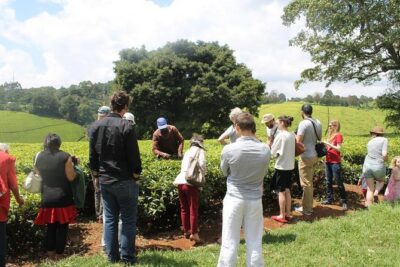 ★ 5.0Private Day Trip to Kiambethu Tea Farm in Limuru from NairobiFrom $14131 reviews
 ★ 5.0Day Tour To Kiambethu Tea Farm in LimuruFrom $11522 reviews
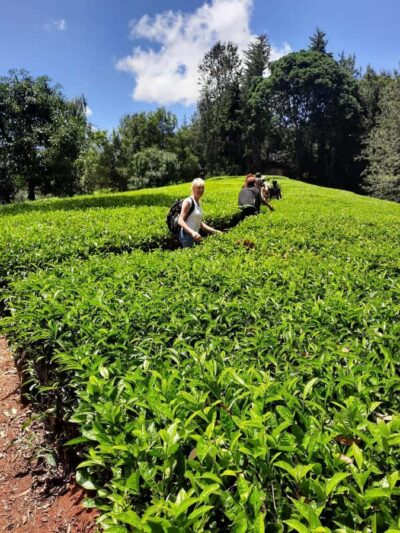 ★ 4.0Nairobi: Tea Farm Day Trip with Lunch at kiambethuFrom $4421 reviews
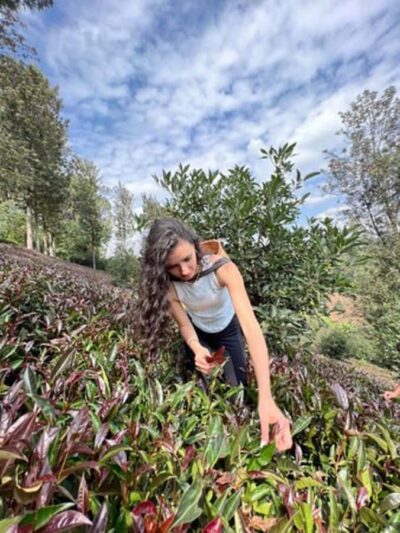 ★ 4.9Nairobi: Purple Tea Farm Gatura Greens Day TripFrom $5416 reviews
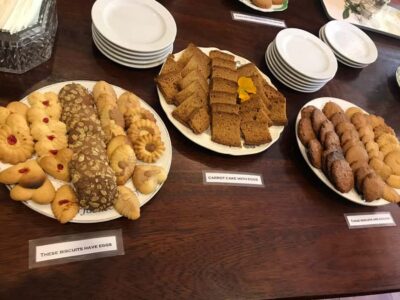 ★ 4.8Kaimbethu tea farm tour and lunch packageFrom $5014 reviews
 ★ 4.5Purple Tea Farm Tour from Nairobi City – Specialty Tea TastingFrom $10212 reviews
 ★ 5.0Tea Farm Experience at Riara Tea Farm And Factory TourFrom $16011 reviews
Appears in these lists