

REVIEW · KIBERA COMMUNITY TOURS
Afternoon Kibera Slum Tour
Kibera at peak hours feels real. This afternoon tour in Nairobi lets you walk through Kibera’s busiest operating stretch, when markets, creative work, and neighborhood life are in full motion. It is a guided look at how people keep peace, love, and unity going day after day, while community organizations support art, education, and livelihoods.
Two things I especially like: the guide-led storytelling is personal and well explained, with guides such as Lucas and Elijah bringing real professionalism and time for questions. And the route is built around meaningful stops like Toi Market and multiple community groups, not just a quick photo stop.
One drawback to plan for: it is a walking tour, so you should be ready for a steady trek during the 4 to 6 hour experience. If you want lots of sitting and sightseeing from a vehicle, this one will feel like work.
In This Review
- Key highlights you should know before you go
- Kibera at Peak Hours: What an Afternoon Changes
- Meeting at Greenhouse Mall and Touring with Lucas or Elijah
- Toi Market: Seeing Nairobi’s Open-Air Trade Up Close
- Kibera’s Community Organizations: More Than a Photo Stop
- Kibera Pride Orphanage: Education and Care in Real Life
- Victorious Bone Craft: Recycling into Jewelry and Skills
- Power Women Group and the Shop: Listening to Lived Stories
- Price and Timing: Why $60 Can Feel Fair
- Practical Tips for a Walking Tour (Without Overthinking It)
- Who Should Book This Kibera Afternoon Tour
- Should You Book This Afternoon Kibera Slum Tour?
- FAQ
- How long is the afternoon Kibera slum tour?
- Where do I meet the guide?
- Is pickup available?
- Is the tour private?
- What is included in the $60 price?
- Are alcoholic beverages included?
- What is the cancellation and weather approach?
Key highlights you should know before you go

- Afternoon timing means you see Kibera when activities are actively running
- Greenhouse Mall on Ngong Road is the anchor meeting point for your guide
- Toi Market gives you a close-up look at everyday trade as Kibera’s economic engine
- Women-led and craft-based projects help you understand how residents turn challenges into work
- Power Women Group and its Shop focus on lived experiences, with stories you can listen to directly
- Walking-heavy format plus good-weather requirements makes preparation part of the value
Kibera walks guided by residents of the settlement
Kibera at Peak Hours: What an Afternoon Changes

An afternoon tour in Kibera is not just about location, it is about timing. When you visit during active hours, you get a truer sense of how the neighborhood functions, because daily routines, trading, and community life are already underway.
You also get a clearer picture of the idea behind this area being called a place with peace, love, and unity. That phrase can sound like a slogan, but in practice you notice it in how people go about their day and how guides frame the community not as a tragedy, but as a lived system of relationships, effort, and creativity.
The flip side is that afternoon also means it can be a long, physical walk. Expect the day to move at neighborhood pace, not tourist pace, and go in with good intentions and good shoes.
Meeting at Greenhouse Mall and Touring with Lucas or Elijah
Your tour starts with your accredited guide meeting you at Greenhouse Mall along Ngong Road. Pickup is offered, which helps if you do not want to figure out the best public-transport route on your own. Either way, having a clear meeting point matters, because Kibera is not the kind of place where you want to wander trying to find a meeting spot.
From the reviews and guides’ approach, the strongest theme is how professional the guide team is while still keeping things human. Guides like Lucas and Elijah are described as both knowledgeable in explaining what you are seeing and easy to ask questions to. I like that combination because it reduces the guesswork. You are not left with vague explanations, and you can steer the conversation if something feels unclear.
This is also a private tour, meaning only your group participates. That matters more than many people expect. In a sensitive setting, having your group size kept contained helps you move respectfully, ask questions comfortably, and avoid turning your visit into a distraction.
Toi Market: Seeing Nairobi’s Open-Air Trade Up Close
One of the central stops is a walk through Toi Market, described as the second largest open-air market in Nairobi and a backbone of Kibera’s economy. Even without a formal lesson, a market like this teaches you quickly. You see what people sell, how they organize goods, and how the flow of customers shapes the rhythm of the day.
Toi Market is the kind of place where it is easy to get caught up in the visual noise, but I recommend you focus on patterns. Notice how trade keeps moving, how neighbors connect, and how people manage the space. That is how you start understanding Kibera as an economy, not just an environment.
Because it is walking and close-range, keep your behavior low-key. You are there to learn and observe, not to treat it like an outdoor stage. If your guide asks you to slow down or step aside, follow it. That small cooperation makes the entire experience smoother.
Kibera’s Community Organizations: More Than a Photo Stop

This tour is structured around community stops that show different ways residents create stability. Instead of only highlighting infrastructure and living conditions, you spend time at organizations where vulnerable children, crafts, and women-led support systems are part of the daily story.
That approach is valuable because it shifts your mindset. You can see the area as something people build and run themselves, with real roles for real people. It is still honest and grounded, but it is not one-note.
I also like that the guide keeps the focus on listening and understanding. The tour feels like a guided walk with context, not a forced lecture.
Kibera Pride Orphanage: Education and Care in Real Life

A standout stop is Kibera Pride Orphanage, which houses well over 25 vulnerable children from the slum. This is the kind of visit that can land emotionally, because education and care are not abstract concepts here. You see how support structures matter when resources are limited.
One review reflected on how the visit changed a heavy initial feeling into appreciation, especially around the importance of education. That is exactly the emotional pattern I’d expect from this kind of stop: you arrive with assumptions, then your guide’s explanations and the environment itself challenge them.
The key thing for your mindset is respect. If you are unsure what to do with your hands or your eyes, let your guide lead. Watch first, ask questions only when invited, and treat the people you meet as people, not symbols.
Victorious Bone Craft: Recycling into Jewelry and Skills
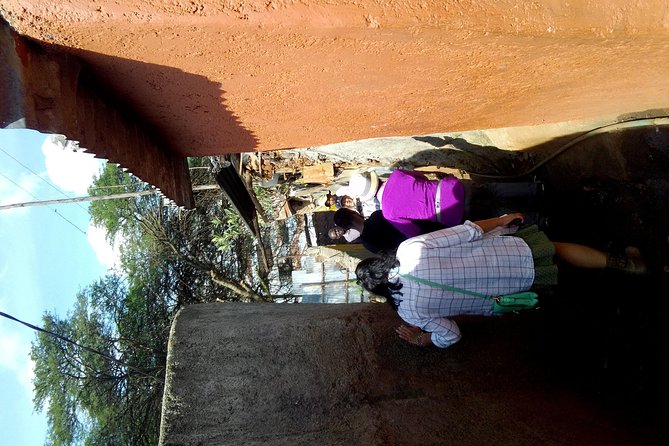
Another meaningful stop is the Victorious Bone Craft group, known for recycling domestic animal bones to make jewelry. This is not just a craft demonstration. It is a window into practical entrepreneurship and skill-building.
I like this stop because it offers a concrete, understandable value chain: local materials, a creative product, and a path to income. Even if you do not buy anything, the point is clear. People are solving problems using what they have, and they are building something that can travel beyond the neighborhood.
If you have questions about how the process works, this is a good place to ask. A guided stop like this is where your curiosity can turn into respectful conversation rather than passive staring.
Power Women Group and the Shop: Listening to Lived Stories

You also visit Power Women Group and Shop, described as a group of women who are victims of HIV/AIDS. The tour includes time to listen to their stories and hear how they experience life and work within the community.
This is one of the most important parts of the whole experience because it goes beyond business. It is about resilience, health, and daily reality. If your instinct is to keep things light, resist it. This stop asks for a calmer, more attentive kind of listening.
It also helps explain the tour’s overall message about unity. Community support is not only about services and buildings, it is about people showing up for one another and telling the truth about what they have faced.
For you, the practical takeaway is simple: give your attention. Maintain a respectful distance as your guide directs, keep your questions thoughtful, and let the women and your guide set the tone.
Price and Timing: Why $60 Can Feel Fair

The tour price is $60.00 per person, and the experience runs about 4 to 6 hours. At first glance, a slum walking tour can sound expensive, especially if you compare it to free walking tours in other cities. But this experience includes all fees and taxes, and it includes an admission ticket, plus the guide support and time invested in arranging visits to specific community organizations.
Value here is not about luxury. Value is about access and context. You are paying for someone to guide you through a sensitive area, explain what you are seeing, and connect the walk to real community projects like Toi Market, Kibera Pride Orphanage, Victorious Bone Craft, and Power Women Group.
The timing also affects value. Since you go in the afternoon and see peak operational life, you are not missing the heart of the place due to a slow morning start. If you are in Nairobi for a short time, this kind of targeted timing helps you make the day count.
Another small detail that matters: most people can participate, it is near public transportation, and it is a private tour for your group. That combination usually improves comfort, even if the experience still requires walking and good weather.
Practical Tips for a Walking Tour (Without Overthinking It)
This tour is a walking tour, and the reviews make that very clear. If you book it, commit to the idea that you will be on your feet for a chunk of time. Comfortable shoes are the main gear decision here, and you will be glad you chose them.
Also pay attention to the weather requirement. The experience requires good weather, and if it is canceled due to poor weather, you are offered a different date or a full refund. That is important planning info, because rain can change how safe and comfortable a walking tour feels.
Because the tour is private, your guide can manage pacing. Still, you should expect an active itinerary. Think of it as learning through movement, not sightseeing from a car window.
Finally, remember that this is not a staged attraction. You will likely pass through everyday spaces where you are a visitor. Keep your voice normal, avoid blocking walkways, and let your guide handle introductions.
Who Should Book This Kibera Afternoon Tour
You will probably enjoy this tour most if you like people-first travel. You enjoy meeting organizations, hearing stories, and understanding how local systems work. If you are curious about trade in Nairobi, you will like the stop at Toi Market. If you care about education and community support, Kibera Pride Orphanage makes that theme concrete.
It also fits well if you want an experience with a guide who takes questions seriously. The reviews highlight that Lucas and Elijah answer questions and keep things professional while still feeling personal.
On the other hand, this is not for you if you want a quick, low-effort activity or if walking long stretches is a problem. The afternoon timing and the walking format are part of the package.
This tour also suits travelers who prefer authenticity over performance. The focus is on real community groups and day-to-day operations, not on polished tourist optics.
Should You Book This Afternoon Kibera Slum Tour?
I think you should book it if your goal is understanding, not just checking a box. The afternoon schedule gives you a more accurate sense of Kibera’s working rhythm, and the route through Toi Market plus multiple community organizations makes the visit meaningful.
The deciding factor for most people will be fitness. If you can handle a 4 to 6 hour walking experience, you will get much more out of it. If you struggle with walking or expect a sit-down experience, look for something else.
One more thing that can help you decide: you are going to spend time listening to community stories, including through Power Women Group and the Shop. If you are ready for that emotional honesty with respect and quiet attention, this tour can be powerful in a grounded way.
FAQ
How long is the afternoon Kibera slum tour?
The tour lasts about 4 to 6 hours.
Where do I meet the guide?
Your accredited guide meets you at Greenhouse Mall along Ngong Road.
Is pickup available?
Yes, pickup is offered.
Is the tour private?
Yes. It is private, and only your group will participate.
What is included in the $60 price?
All fees and taxes are included, and an admission ticket is included.
Are alcoholic beverages included?
No. Alcoholic beverages are not included.
What is the cancellation and weather approach?
You can cancel for a full refund up to 24 hours in advance. The experience requires good weather, and if it is canceled due to poor weather, you are offered a different date or a full refund.
More Tours in Nairobi






More Tour Reviews in Nairobi


Walking Kibera Again






Everything else we hold on Nairobi
- 7 Days Private 4 star lodges Safari by LandCruiser from Nairobi★ 5.0 · 3 reviews
- 5 Days/4 Nights Kenya Safari★ 4.5 · 3 reviews
- Safari Park Hotel Show & Dinner Experience In Nairobi Tour★ 3.6 · 3 reviews
- Day safari to Olpejeta Rhino conservancy★ 5.0 · 3 reviews
- 7 Days Breathtaking Kenya Wildlife Private Safari★ 5.0 · 3 reviews
- Overnight Amboseli National Park Safari from Nairobi★ 5.0 · 3 reviews
Kibera Community Tours, compared.
 ★ 4.9Nairobi: Explore Kibera Slum with Local GuidesFrom $15365 reviews
 ★ 5.0Kevins Kibera Slum ToursFrom $65213 reviews
 ★ 5.0Nairobi: Kibera Slum storytelling tour with a LocalFrom $20185 reviews
 ★ 5.0Kibera Slum Tour with LucasFrom $35119 reviews
 ★ 5.0Nairobi: Kibera Slum Tour with Local Social EntrepreneursFrom $40107 reviews
 ★ 4.5See Kibera with a Non-Profit LeaderFrom $30107 reviews
 ★ 5.0Private Tour in Kibera the Largest SlumFrom $1554 reviews
 ★ 5.0Ismael’s Kibera Slum TourFrom $6542 reviews
Appears in these lists