

REVIEW · NAIROBI CITY TOURS
Nairobi: Maasai Market and Nairobi City Tour
Nairobi can feel big and loud fast, so I like tours that give you a plan and a guide. This one mixes Maasai Market color with major city landmarks, plus a few Swahili words so you’re not just looking, you’re learning. You get hotel pickup, a walking route through old and new parts of central Nairobi, and a simple finish back at your accommodation.
I especially like how the route ties together important places like Dedan Kimathi Monument and Tom Mboya Monument with everyday city stops like Nairobi City Market. I also like the practical pace, with time to pause, take in views from the modern skyline, and grab a snack at a traditional Nairobi restaurant. The main thing to consider is that it is a walking tour and is not suitable for people with mobility impairments or wheelchair users.
In This Review
- Key things to know before you go
- Why This Half-Day Nairobi Walk Works So Well
- Hotel Pickup, Then Uhuru Gardens to Set the Tone
- Maasai Market: Crafts, Symbols, and Respectful Browsing
- Nairobi City Market Snack Time (and Why It Matters)
- McMillan Memorial Library, Kipande House, and Kenya Archives: Seeing the City’s Layers
- Dedan Kimathi Monument and Tom Mboya Monument: Focused Stops With Real Meaning
- Parliament Buildings and All Saints Cathedral: Power and Faith in the Same Day
- How Long It Takes and What the Pace Feels Like
- Price and Value: Is $35 a Good Deal?
- Who This Tour Fits Best (and Who Should Skip It)
- Should You Book Nairobi: Maasai Market and Nairobi City Tour?
- FAQ
- How long is the Nairobi city and Maasai Market tour?
- Is hotel pickup and drop-off included?
- What is included in the price?
- Is food included?
- What places will we visit?
- Is the tour wheelchair accessible?
- What is the cancellation policy?
Key things to know before you go
- A private group means you can move at a pace that fits your comfort level.
- Swahili lessons are part of the experience, not an afterthought.
- Monuments plus markets keep the tour from feeling like only photo stops.
- Nairobi City Market snack gives you a quick taste of local street life.
- Modern skyline time helps you connect old Nairobi landmarks to the city you see today.
- Hotel pickup and drop-off saves you the hassle of finding the start point on your own.
Nairobi covered at street level and by minivan
Why This Half-Day Nairobi Walk Works So Well

If Nairobi is your first stop in Kenya, this kind of city tour is a smart shortcut. You avoid the blank-page problem, where you land, look around, and wonder where to start. With this plan, you have a clear route through central Nairobi, and your guide keeps each stop tied to what you can actually see on the street.
The best part for me is the mix. You’re not only visiting museums or monuments behind fences. You also stop at places where people buy things, eat, and move through the day. That balance is what makes it feel more like Nairobi and less like a sightseeing checklist.
You’ll likely spend around 3 hours on guided time through the city, then add focused visits at major stops. Total time is about 4 to 5 hours, so it fits neatly into a day that still includes other activities.
One more practical win: the tour includes 500ml mineral water. In a city where it’s easy to forget little hydration needs, that’s one less thing you have to manage while you’re walking.
Hotel Pickup, Then Uhuru Gardens to Set the Tone
The experience starts with hotel pickup, and from there you’re with your guide for the city portion. Even if you’ve never done Nairobi before, this opening helps you get your bearings quickly. Your guide points out what you’re seeing and why it matters, which makes later stops easier to follow.
Uhuru Gardens is the first named stop on the visit list, with about 30 minutes there. I like this kind of early break because it changes your rhythm. Instead of rushing straight into market crowds or formal buildings, you get a chance to slow down, look around, and settle into the route.
This is also a good moment to ask your guide how the rest of the day will flow. In the best cases, guides keep the tour calm and organized. In one instance I heard about, the guide asked whether the group wanted to use a local bus to reach the center, which shows how flexible the day can feel if you have questions.
Maasai Market: Crafts, Symbols, and Respectful Browsing

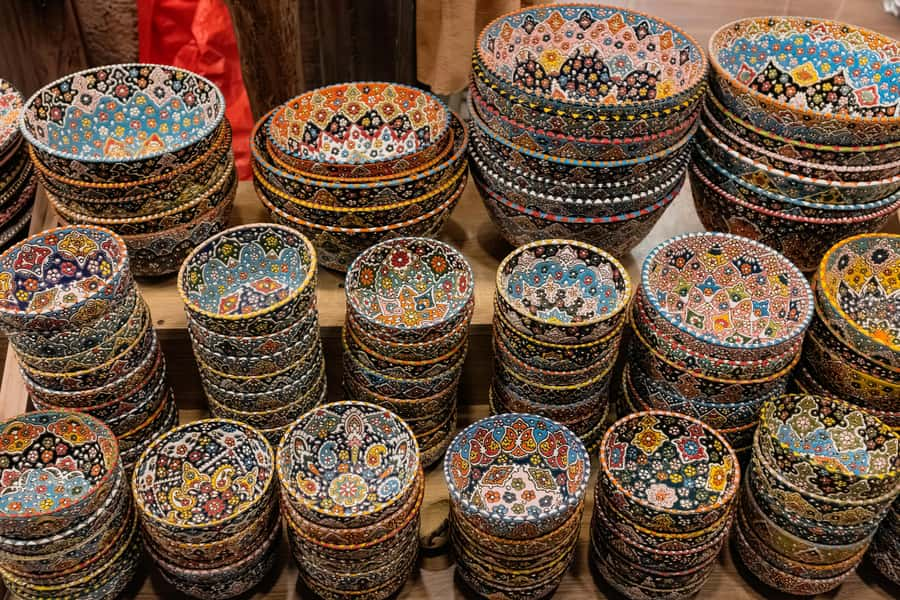
One of the highlights is the Maasai Market stop, also about 30 minutes. This is where you’ll feel the cultural identity of the area more directly, especially through the decorative arts and symbols associated with the Maasai people.
What I like about this stop is that it’s not rushed. Thirty minutes is enough time to look closely at items, read explanations from your guide, and get a sense of what catches your eye. It’s also long enough to ask practical questions like what certain designs represent, rather than grabbing something quickly and hoping for the best.
If you enjoy market shopping, go with a simple strategy:
- Decide what you want to buy first, not once you’re already overwhelmed.
- Ask your guide what you should pay attention to in terms of design or meaning.
- Keep your expectations realistic, since this is a market experience, not a controlled museum display.
And if you do not plan to buy anything, that’s okay. You can still get a lot from learning how your guide explains what you’re looking at, and how Maasai decorative style shows up in the items on display.
Nairobi City Market Snack Time (and Why It Matters)
After the first major stops, the tour centers on a classic Nairobi pattern: you walk through landmarks, then you break for food where people actually eat. Nairobi City Market is one of those key stops, and you’ll have time for local cuisine by way of a snack.
Here’s what you should know before you go. Food is not included, so you’ll pay for your snack and any extra drinks you want. But I think it’s good value because the tour doesn’t try to turn dinner into an all-day commitment. You get a taste, you stay energized, and you keep the rest of your city walk moving.
I recommend you treat this snack break as a chance to practice a tiny bit of what you’ve learned. The guide will teach you some Swahili words during the tour, and using them once you’re near food vendors or market stalls is an easy way to make the words stick.
Other Nairobi bookings that survived the same scrutiny
McMillan Memorial Library, Kipande House, and Kenya Archives: Seeing the City’s Layers
The city portion includes several named stops, and this is where the walking tour becomes more than just sightseeing. Your guide helps connect each location to Nairobi’s past and present relevance, so you’re not only taking pictures, you’re building a basic map in your head.
Stops you can expect include:
- McMillan Memorial Library
- Kipande House
- Kenya Archives
Even without turning these into long museum lessons, your guide’s explanations help you understand that city landmarks often sit where people lived, worked, or recorded key parts of daily life. For me, these stops are valuable because they add texture. Nairobi stops being only streets and buildings, and starts becoming a place with systems, records, and institutions.
There is also a personal benefit to having a guide around these sites. If you’re on your own, you can stand in front of an important-looking building and feel like you’re missing the context. With a guide, the tour gives you the missing thread.
Dedan Kimathi Monument and Tom Mboya Monument: Focused Stops With Real Meaning

Two monuments are specifically called out: Dedan Kimathi Monument and Tom Mboya Monument. This is the heart of the tour’s history component.
These stops are also where your guide’s calm, organized approach matters most. In accounts I’ve come across, guides who explain clearly and patiently make it easier to absorb the significance without feeling rushed or overwhelmed. That’s exactly what you want on a walking city tour. You want to hear the story, then take a moment to look around and absorb the visuals.
I’d also plan for photo time here. Even if you’re not a big photographer, monuments are visual anchors. You can use them as reference points when you later try to remember your route or show friends what you did.
A practical note: monuments often mean open sightlines and more standing time. If you’re someone who gets sore easily, pace yourself through the city segments so you can enjoy these stops rather than just “getting through” them.
Parliament Buildings and All Saints Cathedral: Power and Faith in the Same Day
The route also includes the Parliament Buildings and All Saints Cathedral. I like this pairing because it shows Nairobi in a wider lens. You are moving from history markers into major civic spaces and then into a religious landmark, all within one guided loop.
This part of the day is useful even if you do not know the background details beforehand. Your guide will explain what you’re seeing and why it matters, and that turns the stops from passive observation into active learning.
It also helps explain the city’s feel overall. In Nairobi, you can sense modern administration, public life, and religious community all within a short walking radius. This tour gives you a chance to notice that, instead of just passing by.
And because the itinerary includes time in the modern part of the city, you’ll also get chances to look at the skyline. For first-time visitors, that view check matters. It helps you connect the monumental areas to Nairobi’s present-day scale.
How Long It Takes and What the Pace Feels Like
The total duration is 4 to 5 hours, and the tour is described as a walking city experience. That means you should plan for time on your feet, including short visits and guided explanations.
The tour is set up as a private group, which I think is a big deal for comfort and flow. When you’re not sharing space with a larger crowd, your guide can adjust pacing and answer your questions without the pressure of keeping a packed schedule moving.
You should also plan for these practical factors:
- Wear comfortable shoes for sidewalks and steady walking time.
- Bring a light layer if you get chilly at night or in air-conditioned transport.
- Have some cash or card for the snack, since food and drinks are not included.
One small comfort detail you can rely on: you’ll get mineral water, and that helps you stay comfortable during the walk. Still, keep an eye on how your body feels. The tour is paced for learning, but it is still a city walk.
Price and Value: Is $35 a Good Deal?
At $35 per person, this is a budget-friendly way to get a structured Nairobi day. Here’s what you’re paying for, beyond the obvious “a guide and a route”:
You get:
- Hotel pickup and drop-off
- An English tour guide
- Mineral water (500ml)
You do not get:
- Food and drinks
To judge value, think about what you would otherwise spend if you tried to DIY it. In Nairobi, you would need to figure out the order of stops, arrange safe, efficient transport between key points, and figure out how you’d get meaningful context for the landmarks. This tour compresses that planning into a single session, with a guide who explains the places while you walk.
Also, the short snack stop is a smart choice for value. It’s included as an experience you take part in, but not as a full meal with huge added cost. You stay flexible, you choose what you want, and you’re not stuck waiting while a group handles a long restaurant sit-down.
Who This Tour Fits Best (and Who Should Skip It)
This tour is best if you want a guided introduction to Nairobi’s central areas. It’s especially good for:
- First-time visitors who want a route with meaningful stops
- People who like markets but also want context, not just shopping
- Anyone who enjoys learning a few local phrases and using them in real situations
It may not fit you if:
- You have mobility issues or use a wheelchair, since it is not suitable for people with mobility impairments
- You prefer a sit-down, minimal-walking style tour
If you want culture plus practical city orientation in one half-day session, this works well.
Should You Book Nairobi: Maasai Market and Nairobi City Tour?
Yes, I’d book it if you want a structured, walkable intro to Nairobi with a mix of monuments and market life. The best reason is the balance: you get landmark learning, you also get local food time, and you even pick up some Swahili words to make the city feel more interactive.
I’d also feel good about booking this if you like private-group pacing. When the guide can answer questions and keep the day calm, the experience becomes easier to enjoy rather than just survive.
Skip it only if the walking part is a dealbreaker for you, since the tour is not designed for wheelchair users or mobility impairments.
FAQ
How long is the Nairobi city and Maasai Market tour?
The tour duration is about 4 to 5 hours, with a guided city tour portion of around 3 hours and shorter visits at key sites.
Is hotel pickup and drop-off included?
Yes. The activity includes hotel pickup and drop-off.
What is included in the price?
The price includes an English tour guide, hotel pickup and drop-off, and mineral water (500ml).
Is food included?
No. Food and drinks are not included. You’ll have time to enjoy a snack of your choice at a traditional Nairobi restaurant.
What places will we visit?
The tour includes stops such as Uhuru Gardens, Nairobi City Market, McMillan Memorial Library, Dedan Kimathi Monument, Tom Mboya Monument, Maasai Market, Kipande House, Kenya Archives, the Parliament Buildings, and All Saints Cathedral.
Is the tour wheelchair accessible?
No. It is not suitable for people with mobility impairments or wheelchair users.
What is the cancellation policy?
Free cancellation is available up to 24 hours in advance for a full refund.
More Tours in Nairobi






More Tour Reviews in Nairobi


Nairobi at Street Level






Everything else we hold on Nairobi
- 7 Days Private 4 star lodges Safari by LandCruiser from Nairobi★ 5.0 · 3 reviews
- 5 Days/4 Nights Kenya Safari★ 4.5 · 3 reviews
- Safari Park Hotel Show & Dinner Experience In Nairobi Tour★ 3.6 · 3 reviews
- Day safari to Olpejeta Rhino conservancy★ 5.0 · 3 reviews
- 7 Days Breathtaking Kenya Wildlife Private Safari★ 5.0 · 3 reviews
- Overnight Amboseli National Park Safari from Nairobi★ 5.0 · 3 reviews
Nairobi City Tours, compared.
 ★ 5.0Nairobi Historical Walking City TourFrom $35258 reviews
 ★ 4.8Nairobi Walking tour:Explore History Culture and TraditionsFrom $22222 reviews
 ★ 4.7Nairobi Downtown Walking TourFrom $27208 reviews
 ★ 5.0Nairobi City Walking Tour with Traditional Kenyan LunchFrom $45106 reviews
 ★ 4.8Nairobi Walking Tour: Downtown & City TourFrom $2032 reviews
 ★ 4.0vibrant nairobi city tourFrom $3522 reviews
 ★ 4.6Nairobi City Orientation Guided Tour with Lunch at CarnivoreFrom $15020 reviews
 ★ 5.0Nairobi city sights, Giraffe Encounters and Bomas Kenya TourFrom $9519 reviews
Appears in these lists