
REVIEW · FOOD
Swahili Street Food Tour
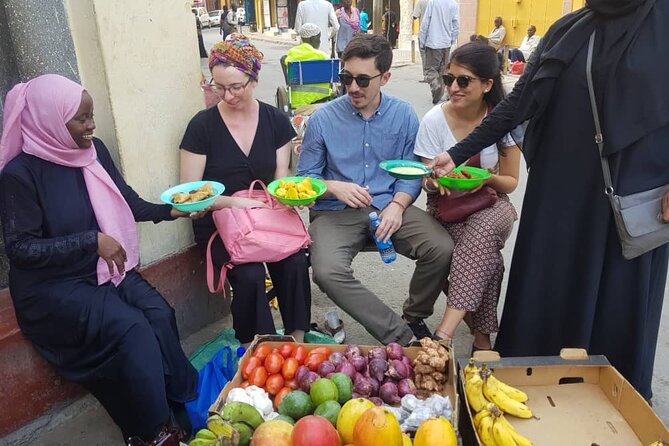
Follow your nose in Mombasa’s Old Town. This Swahili Street Food Tour strings Fort Jesus context together with real street-side eating, then turns your walk into a mini lesson on Swahili life. I love the value because the price includes food, drinks, and transportation, so you are not doing math while you are hungry.
I also like how the tour is built for small groups, with a maximum of 10 people, which makes it easier to ask questions and keep the pace comfortable for a half-day. One thing to keep in mind: this is street food, so if you are very picky about spice, texture, or anything unfamiliar, you will want to communicate your limits early.
In This Review
- Key Highlights You’ll Feel on This Walk
- Starting at Fort Jesus, Then Eating Your Way Through Old Town
- Six Vendor Stops, and Why That Makes the Food Worth It
- How Swahili Culture Shows Up While You Eat
- Old Town Street Food: What You’re Really Getting
- Price and Value: Why $55 Usually Works on This Tour
- Choosing the Breakfast, Lunch, or Evening Slot
- Group Size, Pacing, and Practical Comfort in Mombasa
- What to Watch For When It’s Street Food
- Who This Tour Is Best For
- FAQ
- FAQ
- How long is the Swahili Street Food Tour?
- Where does the tour start and end?
- What is included in the $55 price?
- How many food stops and vendors will I visit?
- How many people are in each group?
- Is there free cancellation?
- Should You Book This Swahili Street Food Tour?
Key Highlights You’ll Feel on This Walk
- Fort Jesus start, without museum time: You get the fort’s story from the outside, then move straight to eating.
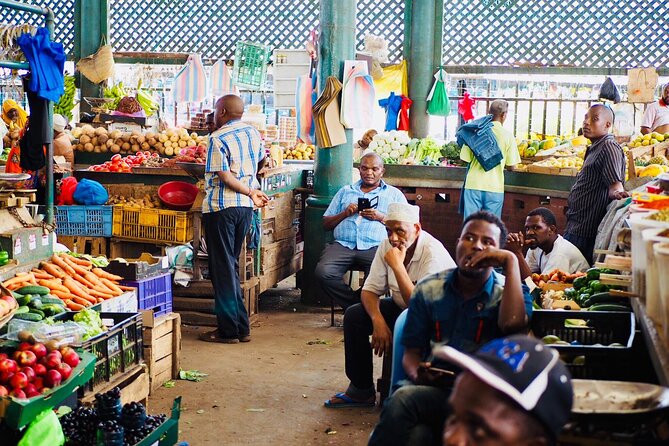
- Six vendor stops in about four hours: That’s a lot of variety for one outing.
- Swahili culture tied to what you eat: Food and architecture talk travel together.
- Small group of up to 10 people: Less waiting, more back-and-forth with the guide.
- Your slot is customizable: Breakfast, lunch, or evening tour options, each with different tastings.
- All food, drinks, and transport included: Budget stays steady during the tour.
Other Mombasa bookings that survived the same scrutiny
Starting at Fort Jesus, Then Eating Your Way Through Old Town
The meeting point is Fort Jesus Museum area in Mombasa, and the tour begins by setting the scene. You won’t go inside the fort, but your guide gives you a clear overview of why Fort Jesus matters and what you should notice as you start moving through the neighborhood.
This matters because it stops the usual pattern of sightseeing that feels disconnected from daily life. Instead of wandering around Old Town with no context, you start with a place that shaped coastal trade and power. Then you transition to food right away, which keeps the tour grounded in how people actually eat and socialize.
Six Vendor Stops, and Why That Makes the Food Worth It
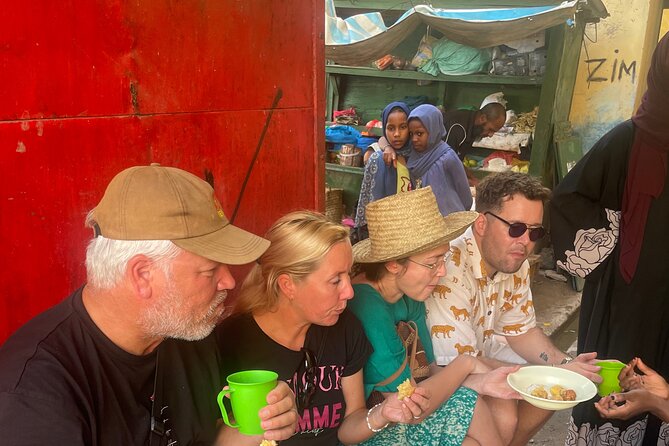
The core of the experience is simple: you visit six different local vendors and try out different local delicacies during a roughly 4-hour outing. That is the part that most directly improves your trip. You get variety without needing to plan a route, negotiate menu options, or guess which stalls are reliable.
Because the tour includes the cost of all food and drinks, it also changes how you approach street food. You can sample, compare, and try things you might skip if you were paying item-by-item. In a place like Mombasa, where the flavors often reflect trade routes, spices, and coastal cooking styles, that freedom is a big deal.
Transportation is included too, which is practical. You are not just walking edge-to-edge across the city. You get short moves between vendor areas during the tour, which helps you keep your energy for tasting and conversation.
How Swahili Culture Shows Up While You Eat
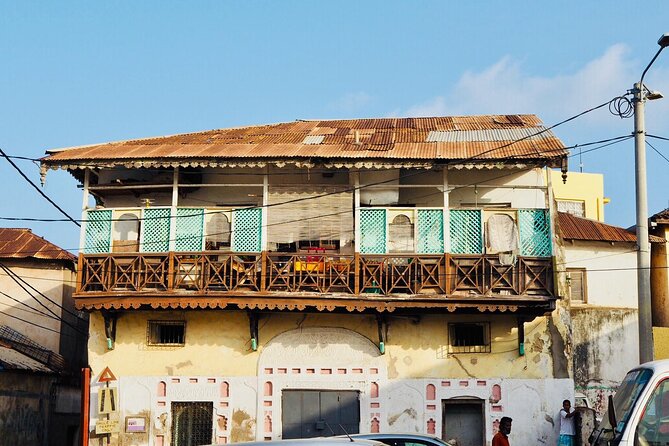
A big part of the appeal here is the way the guide links food to Swahili culture, architecture, and way of life. The story is not tacked on at the end like a lecture you have to sit through. You learn as you go, while you are standing right where people eat, talk, and trade.
One review specifically calls out Hawa, the guide, as especially good at connecting food with Mombasa’s culture and architecture. That is exactly what you want in a street food tour, because the best street-side eating is never only about taste. It is about routine, community, and meaning.
Even without a museum visit, you will likely hear why certain coastal influences show up in what you eat and how people live around Old Town. If you like travel that makes the city make sense, this format is a strong fit.
Old Town Street Food: What You’re Really Getting
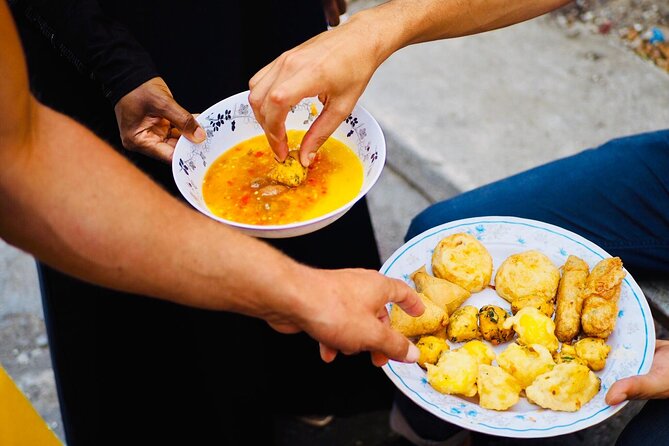
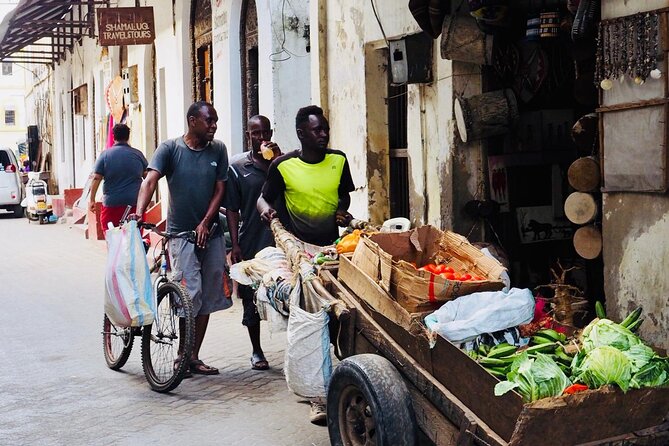
Old Town Mombasa is the kind of place where the sights, smells, and voices form the atmosphere you remember later. On this tour, the goal is not to watch from the sidelines. It is to put your attention on what the vendors offer, and how people choose what to eat in real time.
You’ll experience street food as a social activity, not just a snack stop. The tasting approach also helps you understand what variations might look like across stalls. Even when dishes seem similar at a glance, the spices, portion style, or cooking method can shift from vendor to vendor, and that is where the learning happens.
You should also expect the guide to keep your group moving at a pace that works for tasting. With a group size capped at 10, there is less crowding around each stall. You are more likely to get a quick explanation, then order and sample with confidence.
Price and Value: Why $55 Usually Works on This Tour
At $55 per person, it is not a bargain tour in the cheapest sense. But it can be excellent value if you compare it to the real cost of doing this kind of food experience on your own.
Here’s what your money covers:
- Food and drinks during the tour
- Transportation during the tour
- A guided route through Old Town tied to Swahili culture and stories
When food and drinks are included, you do not end up under-budgeting and then feeling stuck limiting what you try. You also avoid the common problem of street food days turning into a scatter of small purchases that add up fast.
If you like street food but want structure, this kind of all-in package is often the smartest way to spend half a day. You get guided sampling, and you still end up with the flavor of Old Town, not a generic restaurant menu.
Choosing the Breakfast, Lunch, or Evening Slot
You can book the tour in one of three time slots: breakfast, lunch, or evening. Each slot includes six vendor stops and different local delicacies, so your tasting experience shifts based on time of day.
Practically, pick the slot that matches your appetite and your walking comfort. Morning can suit you if you like starting the day early and watching local routines form. Lunch works well if you want energy and food choices that keep you going through the afternoon. Evening can be appealing if you like the softer light and the social buzz that street life brings after the heat eases.
If you are visiting Mombasa and want to taste as many different things as possible, this slot flexibility is a bonus. You could even use two different time slots on separate days to double your vendor variety, since each slot focuses on different delicacies.
Group Size, Pacing, and Practical Comfort in Mombasa
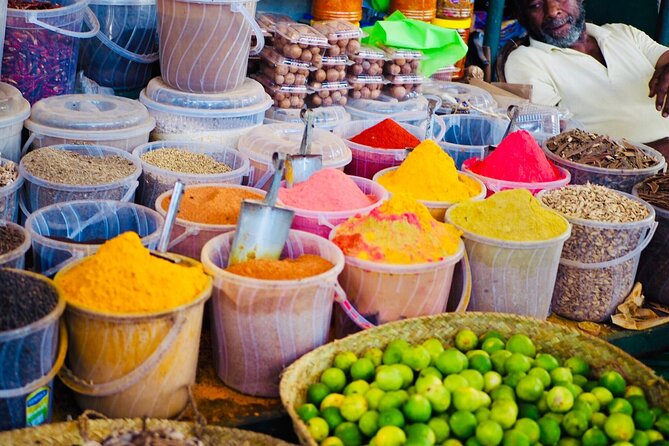
A maximum of 10 people keeps the tour feeling personal. You are not stuck in a long line waiting for your turn to ask a question or place an order. That also helps with pacing, because the guide can adjust for people who want more explanation versus people who just want to taste.
The tour uses a mobile ticket, which is convenient. It also means you should keep your phone charged and ready for check-in. The tour ends back at the meeting point, so you are not left stranded across town.
The description also notes it is near public transportation. That’s useful if you are combining this with other plans in Mombasa and want an easy route to and from Old Town.
What to Watch For When It’s Street Food
Street food tours can be brilliant, but they demand a little common sense. Since this is all about trying food from multiple vendors, you should come with a mindset of flexibility. Ask questions if you have dietary restrictions or strong preferences, and let the guide know what you want to avoid.
Also, because it is a coastal city, plan for warm conditions. Even if you get transportation between vendor points, you will still be outside during portions of the tour. Wear comfortable shoes you can walk in for a couple hours, and consider bringing water before you start, even though drinks are included during the tour.
If you are worried about cleanliness, you can’t remove every variable from street food. What you can do is rely on the guide’s vendor choices and pay attention to what looks fresh and busy at each stall.
Who This Tour Is Best For
This Swahili street food tour is a great match if you want:
- A structured food route without spending your whole day mapping stalls
- Swahili context tied to what you eat, not only generic recommendations
- A small group format that keeps things moving
It is especially well suited for first-time visitors to Mombasa Old Town. If you already know the city and you mainly want a fast food crawl, this may feel more guided than you need. But if you want tasting plus explanation, it fits nicely.
FAQ
FAQ
How long is the Swahili Street Food Tour?
The tour runs for about 4 hours.
Where does the tour start and end?
It starts at Fort Jesus Museum (P. O. Box 82412, Mombasa, Kenya) and ends back at the same meeting point.
What is included in the $55 price?
The tour price includes the cost of all food, drinks, and transportation during the tour.
How many food stops and vendors will I visit?
You will visit 6 different local vendors and try different local delicacies.
How many people are in each group?
The tour has a maximum of 10 travelers.
Is there free cancellation?
Yes, you can cancel for a full refund up to 24 hours in advance of the experience’s start time.
Should You Book This Swahili Street Food Tour?
Book it if you want a smart way to taste Old Town Mombasa without doing the planning work yourself. The biggest win is that you get six vendor tastings in about four hours, and you are not paying separately for each bite, drink, or in-between transport.
Skip it only if street food sounds stressful for you personally, or if you want a purely self-guided experience where you pick everything on your own. If you like your travel with stories, and you want to understand what you are eating in Swahili coastal context, this is a solid use of half a day.
More Food & Drink in Mombasa

More Tours in Mombasa






More Tour Reviews in Mombasa
Everything else we hold on Mombasa
- 2 Days Salt Lick Safari Tour★ 4.5 · 3 reviews
- Mombasa: Historical Guided city tour. Old town, Fort Jesus★ 4.2 · 3 reviews
- 5 Days Mombasa,Tsavo East, Taita Salt Lick, Tsavo West, Amboseli,★ 4.5 · 3 reviews
- Mombasa: Discovery Day Tour and Haller Park★ 4.1 · 3 reviews
- 7 Days Tsavo East, Taita, Amboseli & SanctuarySafari from Mombasa★ 5.0 · 3 reviews
- 3 Days (2 nights); Tsavo East & West Safari:★ 5.0 · 3 reviews
Food, compared.
 ★ 4.5Watamu Marine Park & Sudi Island Mangrove Forest Canoe Ride.With sea food lunchFrom $10131 reviews
 ★ 4.7Mombasa:Street food ExperienceFrom $3714 reviews
 ★ 3.5Mombasa Private City Tour & Haller park Sanctuary with sea food luchFrom $12812 reviews
 ★ 4.5Nairobi Food Tour – Street Food Experience LunchFrom $1639 reviews
 ★ 4.2Diani: Market and Street Food Walking TourFrom $306 reviews
 ★ 5.0Nairobi: 1 Hour Gastronomic and Street Food tour of NairobiFrom $376 reviews
Appears in these lists