
REVIEW · MOMBASA CITY TOURS
Mombasa:Street food Experience
Spice hits first, then stories. This Mombasa Old Town street-food experience is built around a guided walk where the food comes with context, not just calories. I like how it moves at a steady pace and keeps you focused on the Coast’s flavors, right where they’re made and eaten.
Two things I really like: you get a strong Swahili street-food lineup you can actually name after, and you also get cultural explanations while you walk. One possible drawback to keep in mind is that this tour expects you to come with a fairly empty stomach, and if you have allergies you must flag them in advance so the samples can be adjusted.
In This Review
- Key Highlights You Should Know
- Old Town Mombasa on Foot: Why the Timing Feels Manageable
- What You Eat in 150 Minutes: The Swahili Street-Food Menu
- Drinks First, Then Flavor: Why the Coffee and Sugarcane Stop Matters
- How the Market Stop and Sightseeing Fit Together
- Guides Like Joan and Nicole: The Difference Between Good and Great
- Price and Value: Is $37 Worth It?
- Best Fit: Who This Tour Will Make Happy
- Practical Tips Before You Go (So You Enjoy Every Bite)
- Should You Book This Mombasa Street Food Experience?
- FAQ
- How long is the Mombasa street food experience?
- Where does the tour start?
- What is included in the price?
- What foods will I try during the tour?
- Are vegetarian, vegan, or pescatarian options available?
- Should I eat before the tour?
- What languages does the guide speak?
- Is drop-off included?
- Can I cancel and get a full refund?
Key Highlights You Should Know
- A short Old Town walking loop with brief safety check-ins so you can relax and focus on food.
- All food and drinks included for one set price, which makes planning easy once you arrive hungry.
- A clear taste sequence such as mshikaki, juice ya miwa (sugarcane juice), kahawa sweet coffee, chai, bhajia or viazi karai, seafood, and kachiri.
- Food-prep storytelling that explains what you’re eating and how it’s made, so you can recreate some of it later.
- Dietary options available including vegetarian, vegan, and pescatarian, plus help for allergies if you tell the guide beforehand.
- Guide quality matters, and past experiences with guides like Joan and Nicole have been praised for being relaxed and informative.
Mombasa itineraries, short ones and long ones
Old Town Mombasa on Foot: Why the Timing Feels Manageable
This is a street-food walk, not a bus-and-barf tour. You start at Treasury Square Roundabout, get a short safety briefing, then move between nearby areas in Old Town. The route is described as a short distance walk, so you should not feel wiped out after 150 minutes.
The pace matters here. When you are sampling multiple items, you want time to stop, smell, ask a question, and reset your stomach between bites. The structure also includes another safety briefing as the tour continues, which helps you feel grounded while you’re focused on the street life around you.
What You Eat in 150 Minutes: The Swahili Street-Food Menu
The heart of the experience is the sampling. You’re mostly eating where locals eat, and the food list is specific enough that you can build your “what I tried” memory right away. You will also hear how the dishes are prepared, not just what they’re called.
Here’s what’s on the plate, in the practical order you can expect to encounter:
Mshikaki (beef or chicken skewers)
These are the classic grab-and-go bites you often see street-side. Expect them to be satisfying and easy to share, and they’re a good anchor flavor early on.
Juice ya Miwa (fresh sugarcane juice)
This is one of the most refreshing parts of the walk. It gives you a break from savory bites, and it also helps you pace yourself when you know more food is coming.
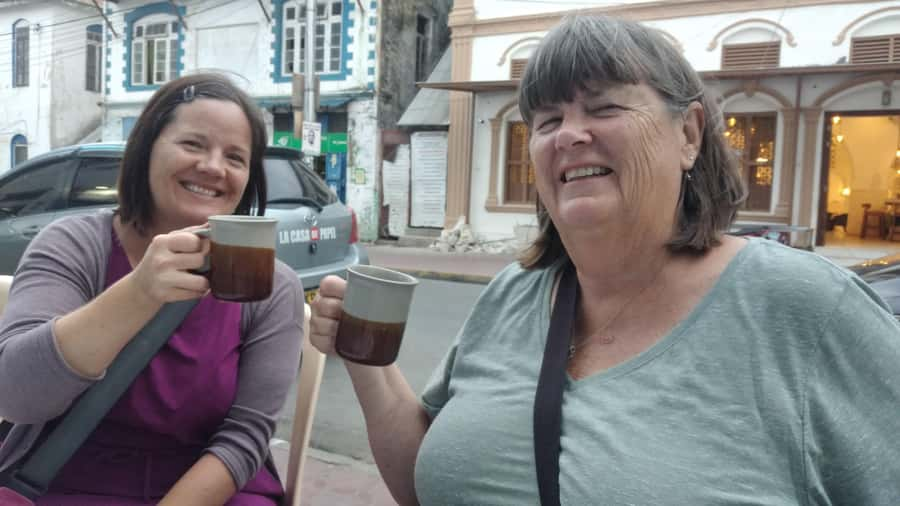
Kahawa (Swahili sweet coffee)
This is not the bitter coffee experience you might expect at home. The tour frames it as sweet, and it’s a nice way to understand how “coffee time” can be a social ritual along the Coast.
Chai (Swahili tea)
Tea matters in these neighborhood routines. If you are someone who needs a warm drink between bites, this one fits the rhythm and can calm your stomach down before the next snack.
Viazi karai or Bhajia (potatoes)
These are potato-based street snacks. They’re the kind of item that works well when you want something crunchy and handheld, and they also help balance out the heavier bites like skewers and seafood.
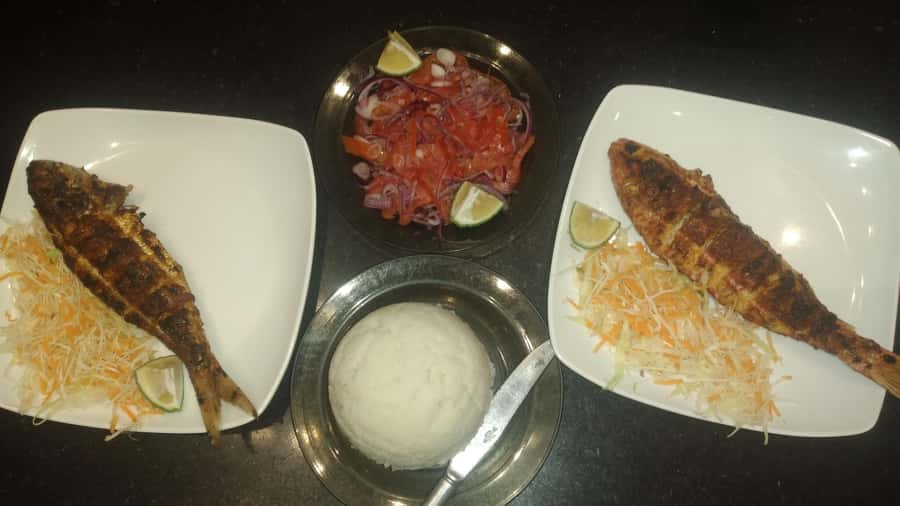
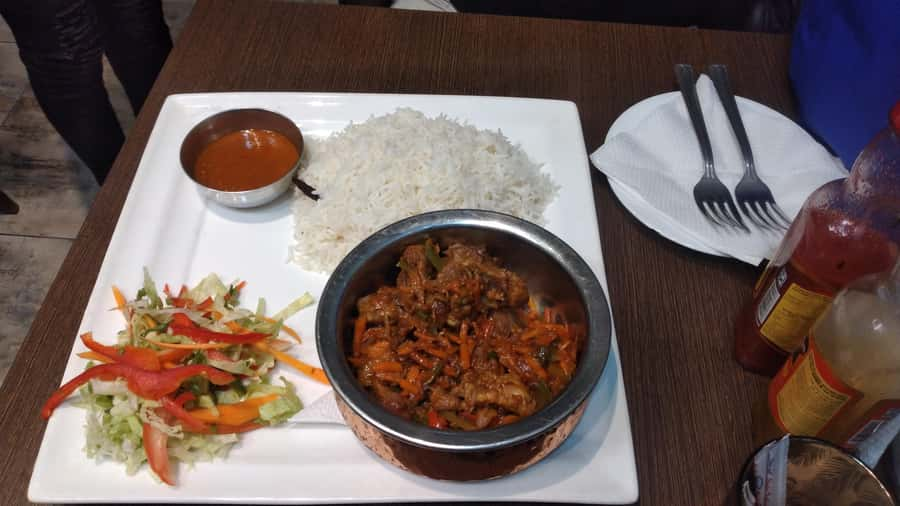
Seafood (octopus, prawns, or fish)
Seafood is part of what makes Coast cuisine feel like Coast cuisine. You might get different options depending on what’s available in the moment, but the key is that you’re tasting seafood in a street context, not in a far-away restaurant.
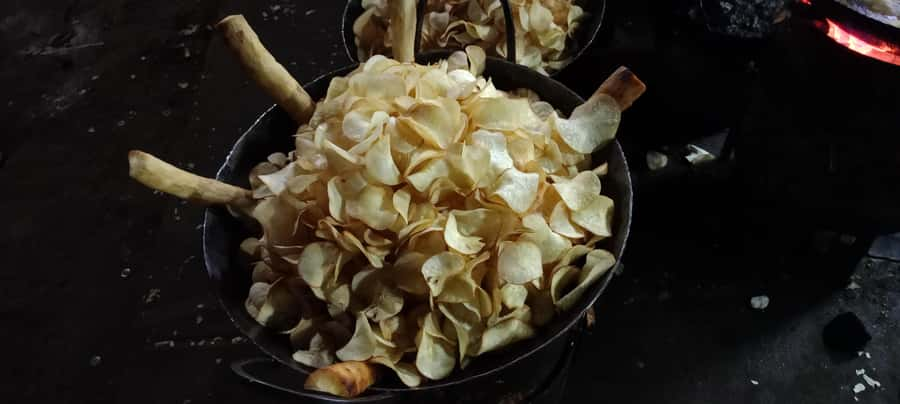
Kachiri (cassava chips or crisps)
This is your snack closer, the kind of salty crunch that makes the whole tour feel complete. Cassava is part of the staple food world in many Coastal places, and this gives you a chance to try it in a street-friendly form.
A small but important tip the tour highlights: for every bite, there is a story. That means you are not just eating, you’re learning what influences the flavor, how it’s prepared, and why it belongs in daily life.
Drinks First, Then Flavor: Why the Coffee and Sugarcane Stop Matters
Food tours can turn into a sugar and snack blur. Here, the drinks create checkpoints. You get juice ya miwa, then later you move into kahawa and chai, and that rhythm is what keeps the 150 minutes from feeling chaotic.
Sugarcane juice is a reset button. If you have ever had street snacks back-to-back, you know why this helps. The sweetness and freshness can soften the impact of savory, salty, or fried items.
Then comes the coffee and tea. The tour presents kahawa (sweet coffee) and Swahili tea as part of how people actually spend time. It’s not a random “drink stop”, it’s a way to understand how hospitality and daily routines connect to food.
How the Market Stop and Sightseeing Fit Together
This experience is not only tasting. You also get sightseeing while walking, plus a food market visit. That combination matters because it helps you place what you just ate into a bigger picture of daily commerce.
When you see a market as you’re already hungry and actively sampling, you tend to notice more. You might spot ingredients, understand how people choose what they want, and connect the preparation stories to the environment around you. You also get to learn from the guide while you’re moving, which is usually more natural than sitting in one spot.
And yes, you will be on the street most of the time. That means you are using your eyes and your nose as much as your mouth. It can feel more real than a polished restaurant menu because you’re watching the food world happen at human scale.
Other Mombasa bookings that survived the same scrutiny
Guides Like Joan and Nicole: The Difference Between Good and Great
A street-food tour rises or falls on the guide. The best versions of this experience feel like walking and chatting with someone who genuinely pays attention to what food tells you about life.
In past experiences, Joan was praised for picking a great variety of food and for sharing a lot of culture. Another guide, Nicole, was also noted for bringing street food in Mombasa to life and for having interesting conversations about cultural aspects. A common theme in the positive feedback is that the hosts come across as relaxed and easy to talk to, like a friend who knows where to take you.
Now, a balanced note. One guest felt uncomfortable due to an unwelcoming tone and dismissive responses when they asked questions. That’s a reminder that like any guide-led experience, your enjoyment may depend on the guide style and how your questions land.
If you want the best version of this tour, come ready with curiosity and ask clear questions. The tour also says the guide can adjust samples if you tell them about allergies ahead of time, so your communication helps.
Price and Value: Is $37 Worth It?
At $37 per person for a 150-minute experience, the value mainly comes from the “all food and drinks included” part. You are not just tasting one item and paying for a walk. You’re sampling a full spread: skewers, drinks, potato snacks, seafood options, cassava chips, plus multiple bites that are meant to add up.
What makes it feel like a solid deal is that you get both the practical side and the interpretive side. The practical side is obvious, you eat and drink on the street. The interpretive side is the part you can easily miss on DIY food hunts, the guide links the food to culture and explains preparation so you can understand what you’re tasting.
The one cost consideration that’s explicitly missing is drop-off. So you’ll want to plan how you’ll reach the start point and how you’ll get yourself back afterward. That’s not a dealbreaker, but it’s part of the math.
Best Fit: Who This Tour Will Make Happy
This tour is a strong match if you like food that comes with context. If you enjoy learning how local routines shape what people eat, you’ll probably love how the tour pairs sampling with stories about street life.
It also suits you if you are traveling with mixed preferences. There are options mentioned for vegetarian, vegan, and pescatarian eaters, which means you should not feel stuck with only one kind of snack.
If you are someone who gets overwhelmed by too many stops, this still can work because the walk is described as short distance and the tour keeps moving without long stretches. You are also given a friendly instruction to come with an empty stomach, which is basically the tour’s way of saying, this is a real tasting menu, not a small sampler.
Practical Tips Before You Go (So You Enjoy Every Bite)
First, follow the tour advice: don’t eat a lot beforehand. This is not a “light bites” situation. The foods listed cover several categories, including skewers, seafood, and fried snacks, so appetite really helps.
Second, if you have allergies, tell the guide in advance. The tour specifically says they can work out the best samples for you, and that’s the right approach since street food menus depend on what’s available and how it’s prepared.
Third, wear shoes that handle uneven pavement and curb edges. You’re walking through Old Town areas as you go between food points, so comfort matters more than looking polished.
Finally, bring a good attitude for street-level interactions. Even when you’re just eating, you are part of the scene. If you keep things respectful and curious, the whole walk tends to feel easier.
Should You Book This Mombasa Street Food Experience?
I’d book it if you want an organized way to taste Coast flavors in Old Town Mombasa, and you care about learning why the food matters, not just what it tastes like. The combination of multiple tastings, included drinks, and guided explanations makes the $37 feel more like value than a souvenir-style meal.
I would hesitate only if you are extremely sensitive to how a guide speaks to you, or if you have allergies and you might not communicate clearly in advance. Also note that the tour expects you to arrive ready to eat, so if you know you cannot handle a full tasting set, you may want to adjust your expectations before booking.
If you like the sound of sweet coffee, fresh sugarcane juice, skewers, seafood options, and cassava chips in one smooth 150-minute walk, this is the kind of experience that can genuinely make Mombasa feel personal.
FAQ
How long is the Mombasa street food experience?
It lasts 150 minutes.
Where does the tour start?
The starting location is Treasury Square Roundabout.
What is included in the price?
All food and drinks are included.
What foods will I try during the tour?
You will sample items such as mshikaki (beef or chicken skewers), juice ya miwa (fresh sugarcane juice), kahawa (Swahili sweet coffee), chai (Swahili tea), viazi karai or bhajia (potatoes), seafood (octopus, prawns, or fish), and kachiri (cassava chips or crisps).
Are vegetarian, vegan, or pescatarian options available?
Yes. Vegetarian, vegan, and pescatarian options are available.
Should I eat before the tour?
The tour advises you not to eat a lot before coming, and to arrive with an empty stomach.
What languages does the guide speak?
The live tour guide speaks English and Swahili.
Is drop-off included?
No. Drop-off is not included.
Can I cancel and get a full refund?
Yes. You can cancel up to 24 hours in advance for a full refund.
More Food & Drink in Mombasa

More Tour Reviews in Mombasa





Mombasa, Other Routes Through It

Everything else we hold on Mombasa
- 2 Days Salt Lick Safari Tour★ 4.5 · 3 reviews
- Mombasa: Historical Guided city tour. Old town, Fort Jesus★ 4.2 · 3 reviews
- 5 Days Mombasa,Tsavo East, Taita Salt Lick, Tsavo West, Amboseli,★ 4.5 · 3 reviews
- Mombasa: Discovery Day Tour and Haller Park★ 4.1 · 3 reviews
- 7 Days Tsavo East, Taita, Amboseli & SanctuarySafari from Mombasa★ 5.0 · 3 reviews
- 3 Days (2 nights); Tsavo East & West Safari:★ 5.0 · 3 reviews
Mombasa City Tours, compared.
 ★ 5.0Walking Tour Through Old Town Mombasa and Fort JesusFrom $50393 reviews
 ★ 4.7Mombasa: Kisite Park Private Cruise with Breakfast and LunchFrom $163181 reviews
 ★ 5.0Mombasa City TourFrom $45170 reviews
 ★ 4.7Mombasa: Tusks, Fort Jesus, Old Town, Beach and City TourFrom $30137 reviews
 ★ 4.3From Mombasa/Mtwapa/Diani/Tiwi: Tsavo East Full-Day SafariFrom $200130 reviews
 ★ 5.02 Days Tsavo East National Park Tour From Mombasa/Diani (1 Night)From $50650 reviews
 ★ 4.8Mombasa: Guided Nature Walk Amongst GiraffesFrom $3848 reviews
 ★ 5.0Visit to Fort Jesus and the Old Town of MombasaFrom $4047 reviews
Appears in these lists