
REVIEW · AMBOSELI SAFARIS
7 Days Tsavo East, Taita, Amboseli & SanctuarySafari from Mombasa
You can chase all five Big Five without feeling rushed. What I like most is the small group size capped at six, which makes it easier to ask questions and adjust in the moment, and the route that targets the Big Five across Tsavo East and Tsavo West plus private conservancies. The plan also leans hard into real wildlife time, not just photo stops.
A second thing I really appreciate is the mixture of protected parks and private sanctuaries. You get iconic sightings like hippos and crocodiles at Mzima Springs, plus chances for rhinos and elusive cats that are tougher when you only do one park.
One drawback to consider: the days start early, including a 06:00 pickup, and you will spend a good amount of time driving between regions. If you dislike long safari days or early mornings, this style may feel like a workout.
In This Review
- The safari route is built for variety and repeat chances
- Key Points at a Glance
- How This 7-Day Big Five Mission Really Works
- Starting From Mombasa at 06:00, and Why That Matters
- Ngutuni Wildlife Conservancy: Lions, Leopards, and an Intimate Feel
- Taita Hills Wildlife Sanctuary: Water Ponds and Birdlife Worth Slowing Down For
- Ziwani: A Nature Walk for Hippos and Crocodiles
- Amboseli National Park: Kilimanjaro Views With Classic Savanna Action
- Tsavo West: Shetani Lava Flow and the Mzima Springs Hippo-Croc Stop
- Tsavo East: Your Focused Big Five Search Toward Voi
- Lodges, Meals, and the Included Comfort You Actually Feel
- Guides Make or Break the Big Five Odds
- Price and Value: What You Are Paying For
- Who This Tour Is Best For
- Should You Book This 7-Day Tsavo and Amboseli Safari?
- FAQ
- What time does the safari start each day?
- Is this a private tour?
- How many people are in the group?
- Which parks and sanctuaries are visited?
- Do you get Kilimanjaro views on this safari?
- What meals are included?
- Are park or sanctuary entries included?
- How does cancellation work?
- What ticket format do I get?
The safari route is built for variety and repeat chances
This isn’t a one-note big billboard safari. You move from Mombasa area travel to Ngutuni, then Taita Hills, then Ziwani for a nature walk, and finally into Amboseli for Kilimanjaro scenery and animal action. Then you split Tsavo into West and East, which is smart because the wildlife rhythm and habitats can feel different from one half to the other.
The tour also keeps your days structured around game drives, meals, and lodge downtime, so you get a steady flow of wildlife time. That structure matters when you want enough time to spot cats, read tracks, and still enjoy the slower moments like watching animals gather at water.
Amboseli departures we also sat down with
Key Points at a Glance
- Six-traveler group cap helps you keep close contact with a certified guide and get answers on the spot
- Tsavo East and Tsavo West together increases your odds, including a focused Big Five search
- Mzima Springs and Shetani lava flow add variety beyond the usual drives
- Kilimanjaro views from Amboseli mean you get the famous mountain backdrop during game drives
- Private sanctuaries (Ngutuni, Taita, Ziwani) give you more intimate wildlife time and different species mixes
- Guides like Agrey, John, and Frank are specifically praised for being experienced and informative
How This 7-Day Big Five Mission Really Works
This safari is built around one core idea: more time in more wildlife areas equals better odds. Instead of banking everything on one park visit, you get two main national park blocks (Amboseli, then Tsavo split into West and East) and three private sanctuaries (Ngutuni, Taita Hills, Ziwani). That combination can feel like a greatest-hits album of Kenya wildlife behavior.
It also helps that your schedule keeps you in wildlife mode across multiple days. Morning game drives are scheduled early on several days, when animals tend to be active and visible. Afternoons still include drives, but they often pair with a lodge break so you do not burn out.
Starting From Mombasa at 06:00, and Why That Matters
The day begins with an early pickup, starting at 06:00. For safari timing, that is not just tradition, it is practical. You are aiming to be in or near your wildlife area at the hour when animals are most likely to move, feed, and show themselves before the heat tightens everything down.
This tour also offers transfers to and from your chosen location in Mombasa. That kind of flexibility is underrated. It can reduce stress on travel days, especially if you want a smooth drop-off close to where you are staying or your airport timing.
Ngutuni Wildlife Conservancy: Lions, Leopards, and an Intimate Feel
Your first wildlife day starts at Ngutuni Wildlife Conservancy, with check-in and an early game drive heading toward Ngutuni Safari Lodge. The afternoon drive continues the Big Five hunt theme, with a strong focus on lions, leopards, buffaloes, and other savanna species you might expect like zebras and giraffes.
Why I like this stop for your Big Five mission: Ngutuni is not presented as a single-drive drive-by. You get morning time on the way in, then more time after lunch, which gives you multiple shots at the animals you actually want. That also matters for elusive cats, because patience often beats luck.
If you enjoy learning in the field, keep an eye out for the smaller details. A well-run conservancy drive often gives you better chances to observe behavior, not just sightings, and you can ask your guide to explain what you are seeing.
Tsavo splits East and West. Both versions here
Taita Hills Wildlife Sanctuary: Water Ponds and Birdlife Worth Slowing Down For
Taita Hills is a strong choice if you like the idea of wildlife showing up around resources. After breakfast, you drive to the sanctuary and arrive in time for lunch. Then you spend the afternoon with a game drive, watching animals as they come to water ponds.
The sanctuary is described as supporting more than 50 species of large mammals and around 300 species of birds. That is a big deal for two reasons. First, it increases your odds that something will be active even when the big headline mammals are quiet. Second, it shifts the safari from a pure Big Five chase into something more balanced.
You can expect species mentioned such as Cape buffalo, elephant, Maasai lion, leopard, hartebeest, impala, waterbuck, Thomson’s gazelle, dik-dik, lesser kudu, and plenty more, plus birds. The potential drawback here is simple: because you have so many species and birdlife in play, you will want to stay mentally flexible. Your best sighting might be a bird moment, not a lion roar.
Ziwani: A Nature Walk for Hippos and Crocodiles
Ziwani adds a different pace. You start with a game drive to Voyager Ziwani tented camp, arrive for lunch, then do an afternoon nature walk at the sanctuary. The goal on the walk is to look for hippos, crocodiles, monkeys, antelopes, and bird life.
This is where the safari feels more like a guided experience than a wildlife checklist. Even if you are mostly there for Big Five sightings later, Ziwani gives your brain a break from constant scanning from the vehicle. You get to watch how animals use space, and you get a change in pace without losing wildlife focus.
A practical note: nature walks can mean uneven ground and longer time standing still. The tour says most travelers can participate, but if you have mobility limits, you should confirm that your walk length and conditions match what you can handle.
Amboseli National Park: Kilimanjaro Views With Classic Savanna Action
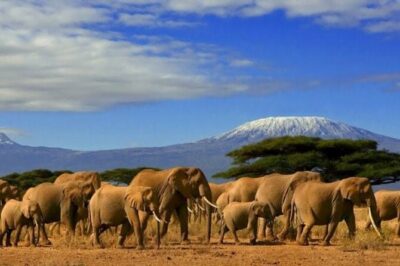
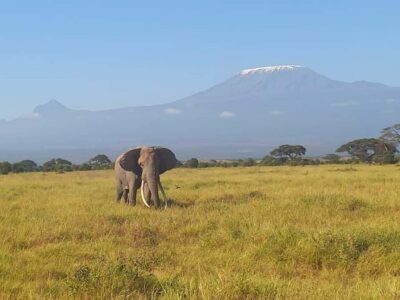
Amboseli is the part of the trip where the scenery becomes a star. You travel in time for lunch at Kibo Safari Camp, then spend the afternoon on game drives with the goal of seeing wildlife against Kilimanjaro views, including the snow-capped mountain.
Amboseli is also where the safari leans back into the familiar “big animals in big open space” feel. You might see elephants, lions, buffalo, leopard, spotted hyena, and cheetah, plus around 300 bird species like crowned cranes and kingfishers. That mix is great for photographers because you often have both subject and backdrop in the same frame.
One consideration: if your expectation is that the mountain will always be visible, you should plan for real weather variability. Still, this itinerary specifically builds in time for Kilimanjaro views during the day when visibility matters most.
Tsavo West: Shetani Lava Flow and the Mzima Springs Hippo-Croc Stop
Tsavo West is your “wow, this place has character” day. Early on, you look out for mountain views, then return for breakfast. After check-out, you game drive into Tsavo West National Park, with key stops that include Shetani lava flow and Mzima Springs.
Mzima Springs is the hippo-croc anchor. You are told it is mainly inhabited by hippos and crocodiles, and the stop is framed as a scenic part of the drive. This tends to be one of those moments when your guide can point out signs and behavior you might otherwise miss.
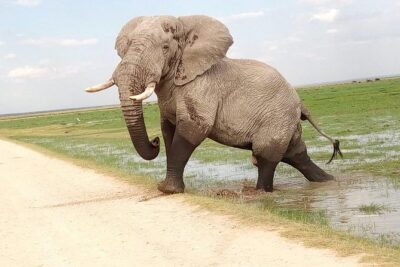
Tsavo West is also where you are in the right place for larger mammals: huge herds of elephants and cape buffalo are mentioned, plus black rhino, giraffe, Maasai lion, zebra, leopard, and cheetah. Smaller animals also show up in the description, like lesser kudu, hartebeest, and bush-baby, along with bird species.
A small drawback to keep in mind: because Tsavo West is a long, varied drive day, your best sightings may come in scattered windows. If you get impatient when animals are not immediately visible, you might want to bring the right mindset, because the day rewards calm scanning.
Tsavo East: Your Focused Big Five Search Toward Voi
The Tsavo East day keeps the Big Five mission front and center. You start early with a game drive, then return for breakfast and check out. You continue to Tsavo East National Park for game drives aimed at lions, elephants, leopards, rhinos, buffaloes, zebra, giraffes, antelopes, and more.
The drive timing matters here. If rhinos and leopards are not showing up at a moment, you want enough drive hours to keep adjusting. This day is designed as an “in-search-of” block, ending with arrival at Voi Safari Lodge for lunch and another afternoon drive.
The good part for your planning: Tsavo East is not treated as a single short try. You get an early drive and later afternoon time, so your guide can keep working the area while animals are moving.
Lodges, Meals, and the Included Comfort You Actually Feel
The tour covers six days of accommodation and includes breakfast, lunch, and dinner across those days. That matters more than it sounds. On safari, food and timing can get chaotic when meals are not handled, especially when you are bouncing between parks and sanctuaries.
You will stay at lodges and camps that include Ngutuni Safari Lodge, Voyager Ziwani tented camp, Kibo Safari Camp, and Ngulia Safari Lodge, plus Voi Safari Lodge. Each stop is described as unique in structure and experience in the feedback, and that variety is a real value add. You avoid the “same room, same view” feeling that can happen when every night is identical.
Also, note how meals line up with the rhythm of wildlife time. Lunch typically arrives around the midpoint, then afternoons shift back into driving or a walk. That pacing gives you a chance to cool down and reset your senses before the next hunt for sightings.
Guides Make or Break the Big Five Odds
This safari’s best advantage is the human one. The group size stays capped at six travelers, and the plan emphasizes a certified guide. The experience gets high praise for guide quality, including Agrey, John, and Frank, who were described as very experienced and highly informative.
What that means for you in practical terms: you are not just hearing general facts. You can ask why a certain area is worth the drive, what tracks or signs might mean, and when to shift direction. In a Big Five mission, that kind of flexibility can be the difference between a decent day and a great one.
If you want to maximize your odds, be proactive. Ask your guide what they are watching for that morning, and take notes on what seems to trigger sightings, like water use or animal movement patterns.
Price and Value: What You Are Paying For
At $3,061 per person for about seven days, this safari is priced like a full-service safari. The key value is what is included: accommodation for six days, a certified guide, meals for six days, and park and sanctuary entry as described.
You are also paying for the structure. This route strings together three sanctuaries plus three major wildlife segments across national parks, with time built into morning and afternoon drives. If you were to DIY even parts of this route, you would spend money and time coordinating guides, entry fees, and transfers across multiple regions.
Where it could feel expensive: if you only care about one or two animals, a multi-park push might not match your priorities. But if you are chasing the full Big Five list, including rhinos and leopards that do not always show up on cue, this kind of multi-area strategy is the practical way to improve your odds.
Who This Tour Is Best For
This fits best if you want a true safari rhythm with minimal downtime. You should also like early mornings, because 06:00 pickup is part of the plan and several mornings include game drives.
It is a strong match for:
- Big Five chasers who understand rhinos and leopards can be rare
- Photographers who want both savanna action and Kilimanjaro views from Amboseli
- People who enjoy learning from the guide during the drive, not just listening in a museum
- Travelers who prefer a small-group feel over big buses and crowded vehicles
It might be a weaker fit if you hate long drives, struggle with standing during a nature walk, or want a slow, lounge-style vacation.
Should You Book This 7-Day Tsavo and Amboseli Safari?
I would book it if your priority is maximizing the chance of seeing all five Big Five across more than one ecosystem. The mix of Tsavo East and West, plus Amboseli for the Kilimanjaro backdrop, plus three sanctuaries for variety and extra wildlife time gives you a smart shot at rare sightings.
I would think twice if you are sensitive to early starts and long driving days. The safari is designed to work hard, because wildlife does not always show up on your schedule.
If you can handle that, this tour’s biggest strength is simple: it keeps you in the game, with experienced guides and multiple wildlife settings that give you repeated chances for the big moments.
FAQ
What time does the safari start each day?
The tour meeting start time is 6:00 am, with early pickup from your hotel in Mombasa.
Is this a private tour?
Yes, it is listed as private, meaning only your group participates.
How many people are in the group?
The safari is described as capped at six travelers.
Which parks and sanctuaries are visited?
You visit Ngutuni Wildlife Conservancy, Taita Hills Wildlife Sanctuary, Ziwani, Amboseli National Park, Tsavo National Park West, and Tsavo National Park East.
Do you get Kilimanjaro views on this safari?
Yes. The plan includes Kilimanjaro views from Amboseli and also mentions mountain views during Tsavo West travel.
What meals are included?
The tour includes breakfast (6), lunch (6), and dinner (6) across the accommodation days.
Are park or sanctuary entries included?
The overview states park entry is included, and the itinerary notes admission tickets are included on some days and free on others.
How does cancellation work?
Cancellation is listed as free, and you can cancel up to 24 hours in advance of the experience start time for a full refund.
What ticket format do I get?
The tour includes a mobile ticket.
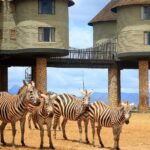
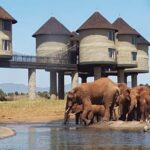
Nights at Saltlick and Taita Hills
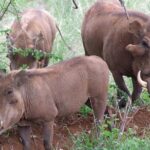
Tsavo East, Tsavo West, Corridor Between
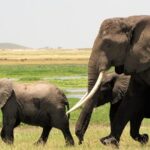
Still Thinking Amboseli?
Everything else we hold on Mombasa
- 2 Days Salt Lick Safari Tour★ 4.5 · 3 reviews
- Mombasa: Historical Guided city tour. Old town, Fort Jesus★ 4.2 · 3 reviews
- 5 Days Mombasa,Tsavo East, Taita Salt Lick, Tsavo West, Amboseli,★ 4.5 · 3 reviews
- Mombasa: Discovery Day Tour and Haller Park★ 4.1 · 3 reviews
- 7 Days Tsavo East, Taita, Amboseli & SanctuarySafari from Mombasa★ 5.0 · 3 reviews
- 3 Days (2 nights); Tsavo East & West Safari:★ 5.0 · 3 reviews
Amboseli Safaris, compared.
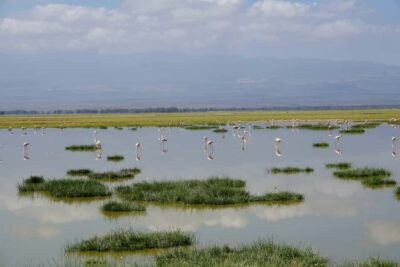 ★ 4.5Nairobi: Day Tour to Amboseli National Park & Maasai VillageFrom $75310 reviews
 ★ 5.0Day Tour to Amboseli National ParkFrom $310222 reviews
 ★ 5.0Amboseli Day Tour from NairobiFrom $19084 reviews
 ★ 4.4Day Trip: Amboseli National Park & Maasai Village – NairobiFrom $10069 reviews
 ★ 5.06-Days Masai Mara, Nakuru & Amboseli Group Safari on LandcruiserFrom $1,22056 reviews
 ★ 4.5DAY TRIP AMBOSELI NATIONAL PARK FROM NAIROBI BUDGET SAFARI.From $17052 reviews
 ★ 5.0Private Day Tour Amboseli National Park, View Mt. Kilimanjaro 4*4From $19851 reviews
 ★ 5.07 Days Masai Mara / Lake Nakuru / Lake Naivasha / AmboseliFrom $1,94049 reviews