
REVIEW · FOOD
Nairobi Food Tour – Street Food Experience Lunch
Street food tastes better with a local guide. This private Nairobi tour links Swahili home-style dishes with a mix of well-known and lesser-seen food spots, so you can eat a real Kenyan lunch without turning the day into a guessing game. Hotel pickup and drop-off make it feel simple, even if the streets look chaotic at first.
What I like most is how plentiful the food feels. Multiple guides (including Faith and Benson, plus Simon) are repeatedly praised for keeping the experience fun, not rushed, and for sharing culture along the way, not just handing you samples.
One thing to consider: at $163 per person, it can feel like a splurge if you’re comparing it to buying your own food wherever you want. And because this is street food, the setting is basic and hands-on, so if you get thrown off by strong smells, you’ll want to go in with the right mindset.
In This Review
- Key things to know before you go
- Street Food in Nairobi, Fast, Guided, and Actually Filling
- Pickup, Pace, and What a Private Tour Changes
- Ugali, Mukimo, and Kachumbari: The Core Swahili Comfort Foods
- Chapati and Mboga za Kienyeji: Sides That Tell You a Lot
- Nyama Choma and Kuku Choma: Grilled Goat and Chicken Done Right
- Supu, Madafu, and the Comfort Stops Before Samaki
- Samaki: The Swahili Finale You’ll Want to Remember
- Portion Size, Dining Etiquette, and Taste Tips That Help
- Price and Logistics: What You Get for $163
- Who This Nairobi Street Food Tour Fits Best
- Should You Book This Nairobi Street Food Lunch Tour?
- FAQ
- How long is the Nairobi Food Tour?
- What is included in the lunch or dinner?
- Is hotel pickup and drop-off included?
- Is bottled water included?
- Is this tour private?
- How much does the tour cost?
- Do I get a mobile ticket and group discounts?
- Is there free cancellation?
Key things to know before you go
- Hotel pickup and drop-off: removes the stress of finding street-level food stops on your own
- Private, group-only format: the pace and stops can feel more personal than a big group tour
- Real Swahili staples: you’ll try ugali, kachumbari, and grilled meats that show up in everyday meals
- A mix of familiar and off-the-beaten-path spots: part comfort food, part discovery
- Several dish types, not just snacks: lunch or dinner is included, plus bottled water
- Guides who add context: Faith, Benson, and Simon are specifically mentioned for making it memorable
Other Nairobi bookings that survived the same scrutiny

Street Food in Nairobi, Fast, Guided, and Actually Filling
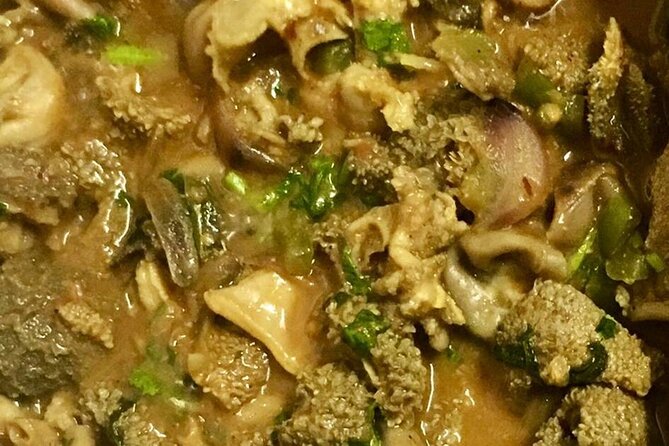
A Nairobi street food lunch can turn into a long afternoon if you do it the DIY way. There are plenty of places to eat, but it’s hard to know what’s safe, what’s worth waiting for, and what you’ll actually enjoy if you have only a few hours. This tour solves that by stitching together multiple stops so you taste a spread, not just one plate.
The big win is that it’s built around meals locals recognize, not just trendy bites. You’re not hopping from one tiny taste to another and hoping you get full later. You’re working through a meal arc, with grilled meat, starchy staples like ugali, vegetable sides, and the kind of salads and soups that balance heavy grilling.
And yes, you’re eating in a real Nairobi way. That’s part of why people rave about it. It’s also why you should show up hungry and ready for a hands-on food experience.
Pickup, Pace, and What a Private Tour Changes
This is a private tour with a guide, and it runs for about 5 hours. That matters because street food is not a museum timeline. One stall might move faster, one kitchen might be slower, and one stop might be better if you arrive when they’re actively cooking.
With pickup and drop-off included, you’re not wasting time figuring out transport or managing multiple rides. You also get a smoother start, which is helpful when you’re navigating neighborhoods where traffic and foot movement can be intense.
Because it’s private, your group tends to get more attention. Guides are specifically praised for friendliness and for making the day feel special, which is a good sign if you want more than just eating. If you’re celebrating a birthday or just want a guide who talks you through what you’re eating, the private setup supports that.
Ugali, Mukimo, and Kachumbari: The Core Swahili Comfort Foods
If you want to understand Kenyan eating habits quickly, start with the base foods. This tour includes ugali, the maize meal that shows up alongside meats, vegetables, and soups. It’s humble, filling, and useful for learning how locals build a plate.
You’ll also try mukimo, a traditional dish that typically blends mashed vegetables and flavors into something hearty and satisfying. It’s the kind of food that makes sense after a meat course too, because it adds depth without being purely heavy.
Then comes kachumbari, usually a tomato and onion salad. What I like about kachumbari is that it gives contrast. After grilled food, acidity and crunch help reset your palate. Even if you’ve had salad before, this is one of those simple dishes that feels very Nairobi once you taste it with the rest of the meal.
What to watch for: ugali can be deceptively filling. If you’re tempted to snack before the tour, don’t. People repeatedly recommend arriving with an empty stomach for a reason.
Chapati and Mboga za Kienyeji: Sides That Tell You a Lot
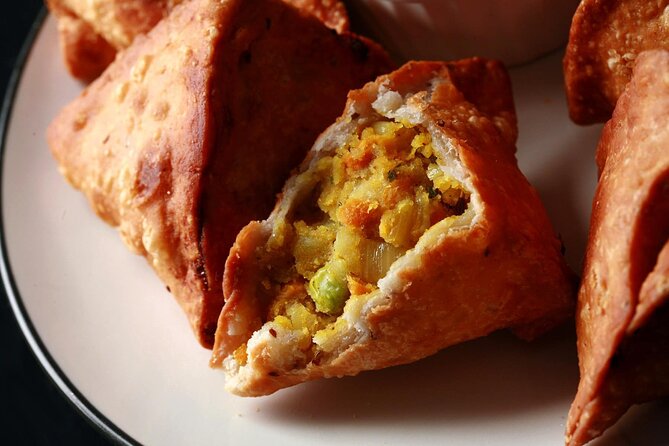
Not every Kenyan dish on the menu is grilled. This tour also includes chapati, which reflects South Asian influence in East African kitchens. In Nairobi, you’ll often find chapati alongside hearty meals, and it can act like the “bread and sauce” bridge between bites.
You’ll also try mboga za kienyeji, which translates to traditional greens and local vegetable dishes. This matters because it shows you that Kenyan cuisine is not just about meat. The greens and vegetables help you get balance, texture, and flavor that doesn’t rely only on grilling.
A practical tip: treat these sides as part of your meal planning, not as extras. If you skip the greens or bread, you’ll miss the way the tour’s dishes work together. The goal here is to experience how locals put a full plate together, not just to collect tasty items.
Nyama Choma and Kuku Choma: Grilled Goat and Chicken Done Right
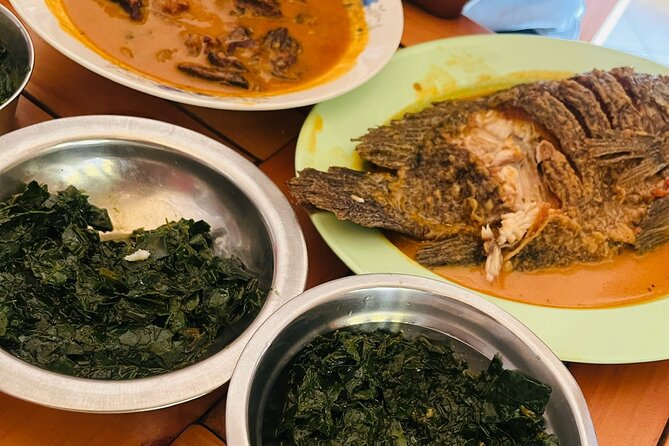
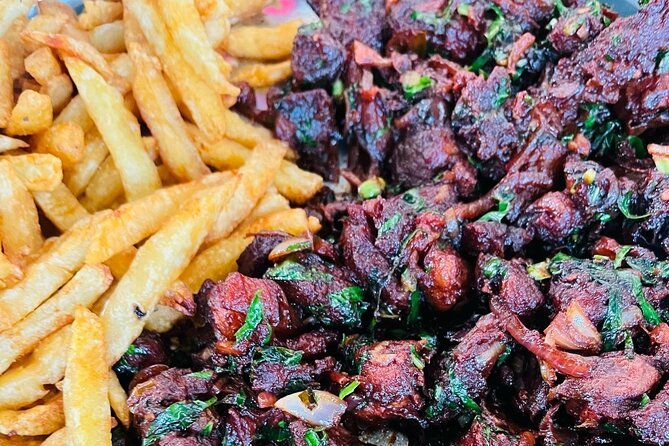
The headline for many people is nyama choma, grilled goat meat. This dish is a cornerstone of Kenyan street food culture for a reason: it’s intense, smoky, and packed with flavor when it’s cooked well.
You’ll also get kuku choma, grilled chicken. Having both is smart because goat and chicken bring different textures and richness. Goat can feel more bold and deep, while chicken can be easier and lighter on the stomach. Together, they give you a fuller picture of grilled meat traditions.
What’s valuable about having a guide during the grilled-meat stops is simple: you’re not stuck guessing which place will be worth your time. You go where the food is part of everyday life, not just a one-off show.
Consideration: grilled meat is protein-forward. If you’re sensitive to spice or strong flavors, tell your guide early. The tour includes salads like kachumbari and other sides, so you still have a balancing path even if you adjust the spice level.
Supu, Madafu, and the Comfort Stops Before Samaki
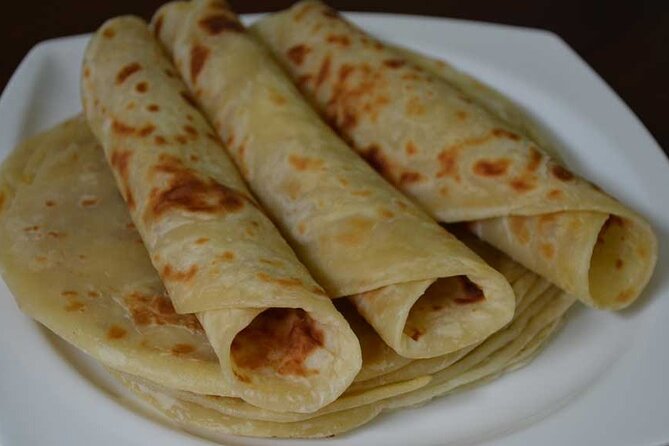
Street food in Nairobi isn’t only meat and bread. This tour includes supu (soup) and madafu, plus other dishes that fit the day’s schedule. Soup is a great reset after grilling. It adds warmth, moisture, and a slower pace to your meal route.
Madafu is another reason this tour feels more like a real dining experience than a snack tour. It’s one of those local foods that can sound unfamiliar until you taste it, and then it clicks as part of how people cool down or finish a meal.
If you’ve ever wondered why some food tours feel like endless small samples, this one doesn’t. It builds in foods that change the texture and temperature of what you’re eating, so you don’t get stuck in one mode for 5 hours.
Samaki: The Swahili Finale You’ll Want to Remember
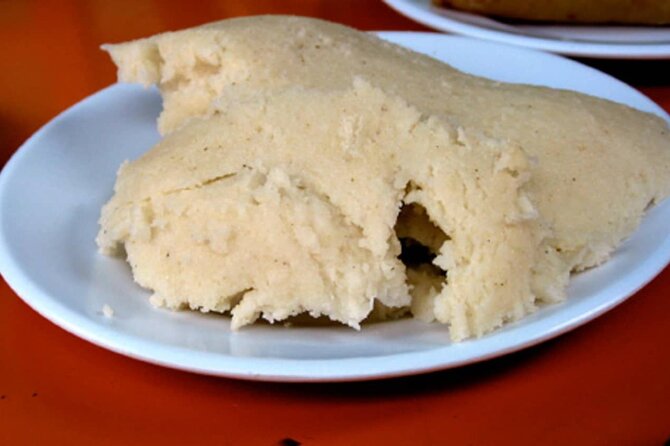
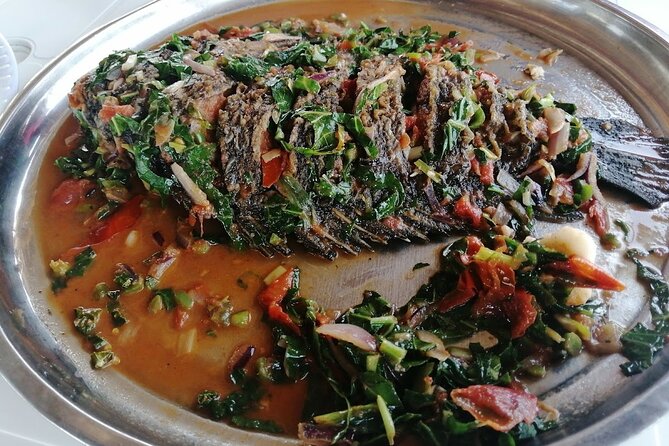
A tour like this earns its final course with samaki, fish. The menu specifically notes a mix of Swahili dishes finally leading into fish, which is a nice way to close the meal arc.
Why I like that ending idea: it shifts your plate. After grilled meats and starchy staples, fish can feel lighter and fresher, even if it’s still cooked with bold flavors. It’s also a reminder that coastal and Swahili influences run through Nairobi eating in a way you can taste, not just read about.
Drawback to keep in mind: fish dishes can vary based on what’s available and how it’s prepared that day. The tour can promise that you’ll try samaki as part of the experience, but the exact style might differ slightly.
Portion Size, Dining Etiquette, and Taste Tips That Help
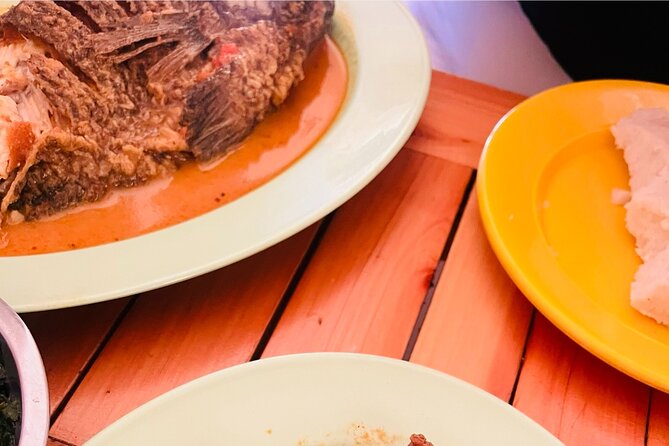
The most repeated positive point across feedback is that the food is plentiful. That’s great, but it also means you should plan your day around it. You’ll likely not want a big dinner right after, unless you’re very confident in your appetite.
Practical approach for eating well on this tour:
- Start slow with ugali so you can pace your fullness.
- Use kachumbari as a palate cleanser between heavier bites.
- Expect to try foods you’ve never ordered before. That’s the whole point of the route.
- Bring a relaxed attitude. Street food is fast, informal, and sometimes chaotic in a good way.
As for etiquette, you’ll be in casual local settings. If you’re unsure how people eat at that specific stop, watch your guide first. When guides are strong, like Faith, Benson, or Simon, they often help you get it right without embarrassment.
Also note: bottled water is included, 1 bottle per person. That’s handy in Nairobi heat, but it’s still smart to pace yourself, especially if you’re trying several meats and warm foods.
Price and Logistics: What You Get for $163
Let’s talk value honestly. At $163 per person, this is not a bargain. A person might compare it to a regular dinner and feel disappointed, especially if you only think of the cost as “food price per plate.”
But that comparison misses what you’re paying for. You’re not just paying for lunch or dinner. You’re paying for:
- a guided route that takes you to multiple food establishments
- hotel pickup and drop-off
- a private experience format
- a full food spread including ugali, mukimo, chapati, grilled nyama choma or kuku choma, kachumbari, and more, with bottled water
If you’re short on time and want to eat broadly without spending hours researching and arranging transport, $163 can feel more reasonable. It also matters if you don’t feel confident stepping into street food areas alone.
Who might question the price: if you love DIY eating and you’re the type who can reliably find great places on your own, you may feel the same dishes could be purchased separately for less. One critical review specifically called out the feeling of being overpriced versus dining at a high-end restaurant. That reaction makes sense if your goal is maximizing cost per bite.
My balanced take: treat this as a convenience-and-guidance meal. If you’re excited to learn and eat widely, it can be a strong deal. If you only want one dish, it’s probably more than you need.
Who This Nairobi Street Food Tour Fits Best
This tour fits best if you want a guided introduction to Kenyan everyday flavor, and you have about 5 hours where you can focus on eating. It’s also ideal if you enjoy cultural context as you go, since guides are praised for adding more than just a list of dishes.
It’s especially good for:
- first-time Nairobi visitors who want to avoid food research stress
- food lovers who like trying multiple staples and side dishes
- groups who prefer a private experience over big group tours
- visitors who are celebrating something and want a memorable, guide-led day
It may not fit well if:
- you get easily put off by the street-food setting and strong cooking smells
- you want a fancy dining room experience
- you want to keep costs as low as possible and don’t need guidance
That last point is important. This tour is designed for people who want the food route experience, not just the food.
Should You Book This Nairobi Street Food Lunch Tour?
I’d book it if you want a full Nairobi meal without the guesswork. The fact that it includes classic Kenyan staples like ugali, balanced plates with kachumbari, and show-stopping grilled options like nyama choma makes it a strong “learn fast by eating” choice.
I’d also book it if you appreciate guides who work the room. The standout guide names in the feedback, Faith and Benson plus Simon, suggest that you’re likely to get friendly, talkative service that makes the day feel personal.
Skip it only if price is your main concern, or if you know you don’t handle street-food environments well. In that case, you might do better with a traditional restaurant meal where you control the setting.
If you’re ready to eat like locals and leave with a better sense of Nairobi’s Swahili food culture, this tour is a sensible way to spend your afternoon.
FAQ
How long is the Nairobi Food Tour?
It runs for about 5 hours.
What is included in the lunch or dinner?
You’ll get lunch or dinner that includes dishes such as ugali, mukimo, chapati, nyama choma or kuku choma, samaki, kachumbari, and other specified items.
Is hotel pickup and drop-off included?
Yes. Pickup and drop-off in Nairobi are included.
Is bottled water included?
Yes. You get 1 bottled water per person.
Is this tour private?
Yes. It’s described as a private tour/activity, so only your group participates.
How much does the tour cost?
The price is listed as $163.00 per person.
Do I get a mobile ticket and group discounts?
Yes. Mobile ticket and group discounts are listed as features.
Is there free cancellation?
Yes. Free cancellation is offered, with a full refund if you cancel up to 24 hours before the experience’s start time.
More Food & Drink in Nairobi


More Tours in Nairobi





More Tour Reviews in Nairobi


Everything else we hold on Nairobi
- 7 Days Private 4 star lodges Safari by LandCruiser from Nairobi★ 5.0 · 3 reviews
- 5 Days/4 Nights Kenya Safari★ 4.5 · 3 reviews
- Safari Park Hotel Show & Dinner Experience In Nairobi Tour★ 3.6 · 3 reviews
- Day safari to Olpejeta Rhino conservancy★ 5.0 · 3 reviews
- 7 Days Breathtaking Kenya Wildlife Private Safari★ 5.0 · 3 reviews
- Overnight Amboseli National Park Safari from Nairobi★ 5.0 · 3 reviews
Food, compared.
 ★ 4.5Watamu Marine Park & Sudi Island Mangrove Forest Canoe Ride.With sea food lunchFrom $10131 reviews
 ★ 4.7Mombasa:Street food ExperienceFrom $3714 reviews
 ★ 3.5Mombasa Private City Tour & Haller park Sanctuary with sea food luchFrom $12812 reviews
 ★ 5.0Swahili Street Food TourFrom $557 reviews
 ★ 4.2Diani: Market and Street Food Walking TourFrom $306 reviews
 ★ 5.0Nairobi: 1 Hour Gastronomic and Street Food tour of NairobiFrom $376 reviews
Appears in these lists