
REVIEW · NAIROBI CITY TOURS
Nairobi City;Culture and Historical guided tour
Nairobi has a way of grabbing your attention fast. This 150-minute city walk gives you a local-guided look at what makes Nairobi tick, from government buildings to everyday street life. I like that you get a focused route with real stopping points, not just passing photos, and I also like the chance to learn a few Swahili words so the city feels less like scenery and more like people.
Two other big wins for me: the guide does the talking in a way that connects sites to stories of life and history, and you can ask questions as you go. One drawback to keep in mind, though, is that the walk style is not for everyone, and market areas can turn a bit salesy if you are not ready to say no calmly.
In This Review
- Quick key points before you go
- Central Nairobi on Foot, with a Guide who Makes It Make Sense
- Meet-Up, Timing, and What the 15-Minute Safety Briefing Sets Up
- McMillan Memorial Library: A Calm Pause in a Place of Power
- Jamia Mosque: Big Scale, Big Meaning
- Kenyatta International Conference Centre and August 7 Memorial Park
- Holy Family Basilica: A Break That Feels Like a Reset
- Parliament of Kenya, KICC Area, and Government Buildings: Seeing Nairobi’s Power Map
- Dedan Kimathi Statue, Galton Fenzi Memorial, and Other Route Stops
- Maasai Markets and Shopping Pressure: How to Handle It Without Losing Your Day
- Swahili Words and Local Storytelling: Small Moments that Change How You Feel
- What Is Included, What Is Not, and How to Budget Smartly
- Getting Around After the Tour: Your Guide Helps You Choose Transport
- Who This Nairobi City Tour Fits Best (And Who Should Rethink It)
- Price and Value: Is $25 Worth 150 Minutes of Central Nairobi?
- My Balanced Verdict, and Should You Book
- FAQ
- How long is the Nairobi City guided tour?
- What is the price per person?
- Where do I meet the guide?
- What languages are available for the live guide?
- Is pickup available?
- What sites are covered during the tour?
- What is included in the tour price?
- Are food, drinks, or entry charges included?
- FAQ
- Who is the tour not suitable for?
- What items are not allowed during the tour?
- What should I do after the tour ends?
Quick key points before you go
- A tight 150 minutes that hits major central Nairobi landmarks without dragging
- English or Spanish live guide, plus time for Q and A
- Photo and video friendly stops built into the route
- Culture plus governance on one walk, from mosques to Kenya’s national institutions
- Market time is part of the experience, so decide in advance what you will buy, if anything
Nairobi covered at street level and by minivan
Central Nairobi on Foot, with a Guide who Makes It Make Sense
A city tour works best when you can tell what you are looking at and why it matters. This one is set up for that. You start with a safety briefing, then you move through central Nairobi on a walking route designed to show you how different parts of the city fit together.
For $25 per person, the value comes from the number of meaningful stops packed into the time. You are not just doing a sightseeing loop. You are being pointed toward places like the Jamia Mosque and the seat of national government, plus cultural stops where Nairobi shows its daily rhythm.
If you are short on time but want the city center context, this tour is a practical choice. If you want an ultra-luxury experience, or you expect a long sit-down museum day, this is not that. It is a city-walk style outing.
Meet-Up, Timing, and What the 15-Minute Safety Briefing Sets Up
Your guide meets you outside the City Walk shoe shop. If you chose optional pickup, you will look for the registration number of the vehicle shared for your booking option.
Before you start walking, there is a 15-minute safety briefing. That matters in Nairobi city center, where sidewalks, road crossings, and crowd movement can be unpredictable. The goal is simple: you should know how the walk will work and what to watch for before you hit the streets.
This tour is listed as 150 minutes, so you will want to arrive on time and ready to walk. City center tours tend to run best when the group is moving together.
McMillan Memorial Library: A Calm Pause in a Place of Power
One of the first stops is McMillan Memorial Library. It is a good early choice because it gives you a visual and cultural reset after moving through the busy streets.
A library stop can seem boring if you are thinking only about photos. But in Nairobi, it is the kind of place that helps you understand how public life, education, and civic identity intersect. Even a short visit gives you better context for the more political and ceremonial sites that come later.
Time here is brief, so keep your questions practical. Ask about how the library relates to the broader story of Nairobi’s development and what you should pay attention to inside and around the area.
Jamia Mosque: Big Scale, Big Meaning
Next comes the Jamia Mosque, described as the biggest mosque in Nairobi. This is one of those landmarks where scale is hard to ignore, and it is also where respectful attention matters.
This stop is built for sightseeing, so expect time to look around and take photos if permitted. It is also a strong place for the guide to connect architecture and religion to the way communities live in Nairobi.
Bring your listening skills here. The best tours at sacred places do not just point. They explain, and they help you notice the details you would otherwise miss.
Other Nairobi bookings that survived the same scrutiny
Kenyatta International Conference Centre and August 7 Memorial Park
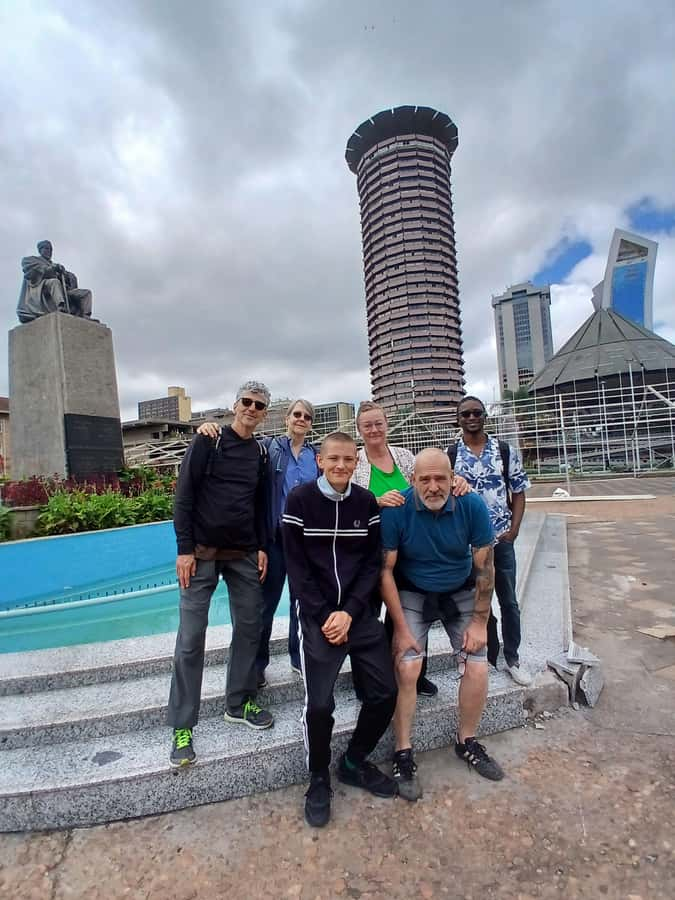
You then hit one of Nairobi’s most recognizable modern landmarks: the Kenyatta International Conference Centre, with a photo stop and sightseeing time. In city terms, KICC is a statement building, and the guide uses it to explain how Nairobi projects itself, locally and internationally.
After that you move to the August 7th Memorial Park. A memorial space needs a different tone than a photo stop, and that change is part of why this tour works. You get to switch gears from city image to city memory.
If you want a quick takeaway, think of this segment as contrast. Nairobi is not only offices and monuments. It holds moments of national reflection too.
Holy Family Basilica: A Break That Feels Like a Reset

A later stop is the Cathedral Basilica of the Holy Family, Nairobi. There is a break time here, plus a visit and sightseeing.
This is a smart slot in the day plan. When you have been walking past government institutions and major city landmarks, a church stop gives you a calmer pace. You get a chance to breathe, regroup, and still collect context about Nairobi’s public and religious landscape.
If you are planning photos, look for viewpoints that let you capture the whole structure rather than only a close angle. With only a limited time window, wide shots help more than tight ones.
Parliament of Kenya, KICC Area, and Government Buildings: Seeing Nairobi’s Power Map
The tour spends time around the national institutions, including Parliament of Kenya with views and walking or passing opportunities related to both the National Assembly and the Senate. There are also mentions and passing opportunities connected to senior presidential offices, plus the broader government zone around the KICC area.
This is where a local guide earns their keep. Without guidance, you often see big buildings and think you have covered it. With a guide, you start to understand how these spaces function in Nairobi’s daily civic life and why certain sites are grouped where they are.
The key tip here is mindset. Do not treat it like a checklist. Treat it like a map of power. Ask questions about what you are seeing and what role the buildings play.
Also, keep an eye out for changing security and how people behave around government entrances. Your guide will be the one to steer you through the right approach.
Dedan Kimathi Statue, Galton Fenzi Memorial, and Other Route Stops
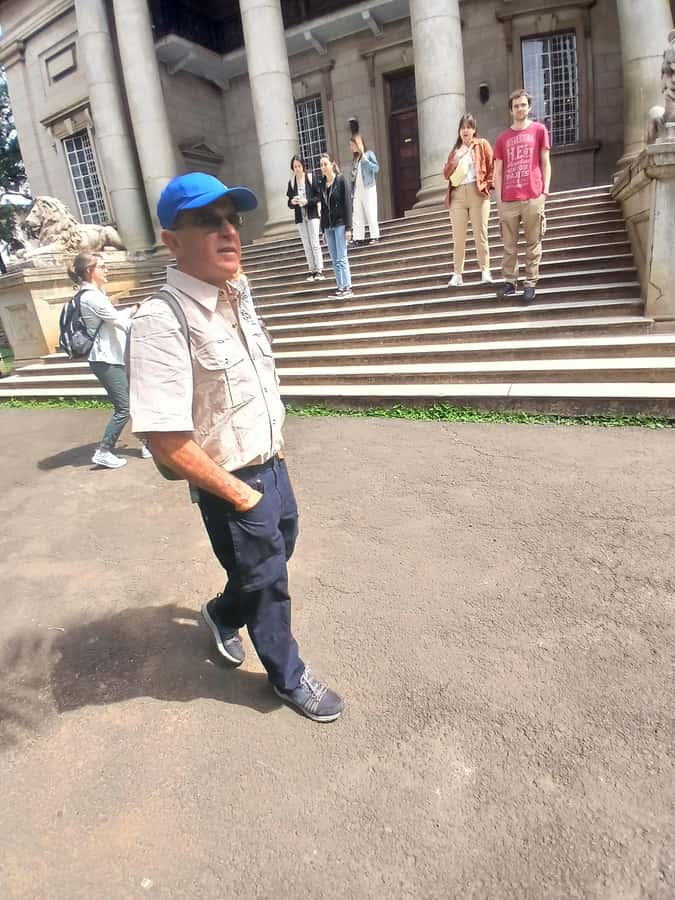
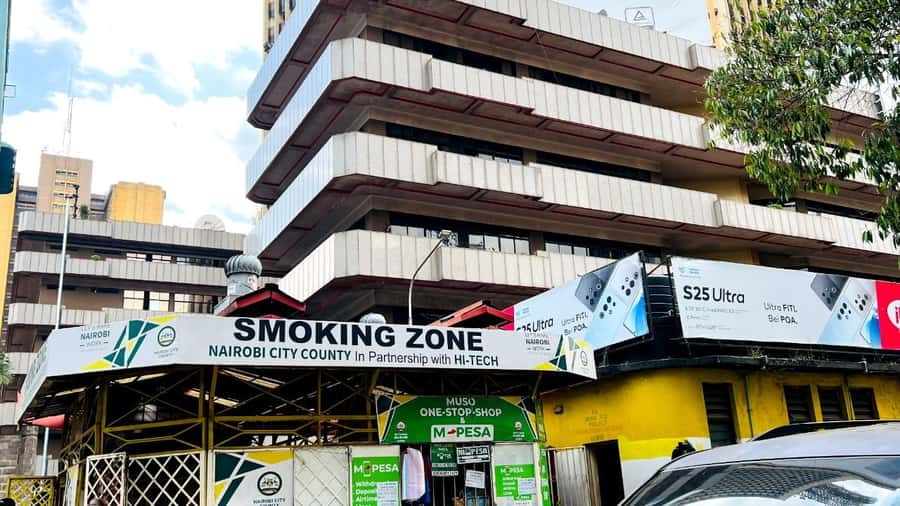
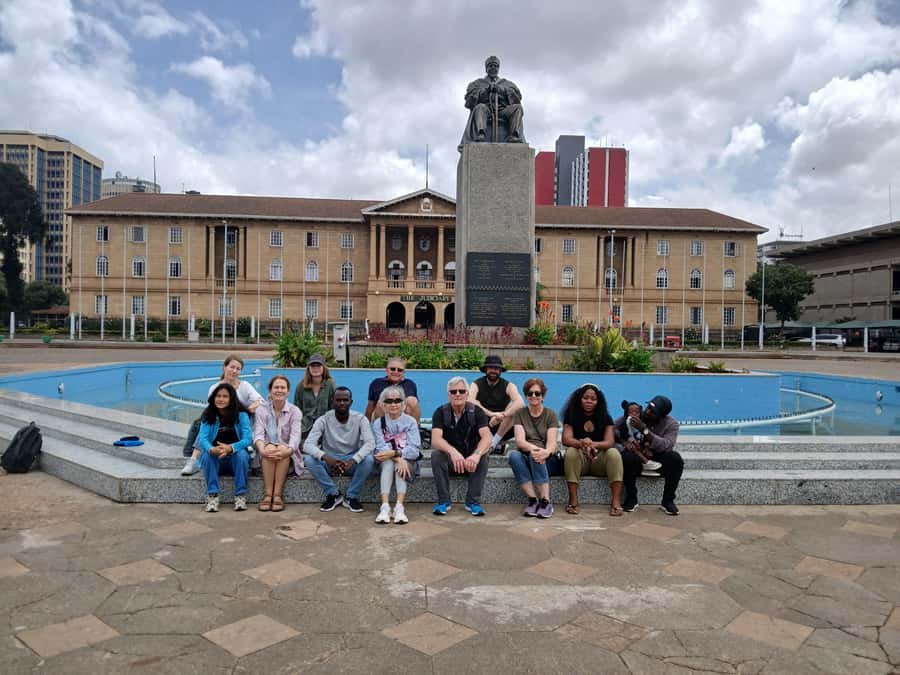
Depending on the exact flow of the walk, you will also see or pass important commemorative points such as the Dedan Kimathi statue, a Galton Fenzi memorial, and areas tied to Nairobi’s public life like a public smoking zone and other route segments.
These stops might be shorter than the major landmarks, but they add texture. The city is not only about famous buildings. It is also about people, names, and memorials that sit inside everyday movement.
If you like history that shows up on sidewalks and street corners, you will appreciate this part of the route. It connects Nairobi’s identity to the names you see everywhere.
Maasai Markets and Shopping Pressure: How to Handle It Without Losing Your Day
At some point, you will visit Maasai markets for shopping and browsing. There is also passing time where you can look at sellers and items.
This can be a highlight if you enjoy market life. It can also be a stress point if you do not like sales pressure. One thing I recommend for this stop is to go in with a plan. If you want souvenirs, set a budget. If you do not want to buy, decide how you will respond in advance so you do not get dragged into long bargaining or guilt-based talk.
Your tour format includes time for visiting and pass-bys, so you should still be able to keep moving. But the market stop is not neutral. It is designed to encourage shopping.
Swahili Words and Local Storytelling: Small Moments that Change How You Feel
The description includes learning some Swahili words during the tour. That may sound small, but in a city like Nairobi, it changes your posture. Instead of walking like a spectator, you start walking like someone who can at least say hello, ask a simple question, or thank someone properly.
The best part is how the guide connects language to real life and to stories tied to tribes, history, and the city’s day-to-day rhythm. That is how you avoid the “photo then leave” feeling.
Guides named William and Brian both stood out in prior bookings for being friendly and for answering questions clearly. That kind of guide energy matters because it turns a route into an experience.
What Is Included, What Is Not, and How to Budget Smartly
Included in the tour:
- Photography and video recordings
- Time for questions
- Site seeing
Not included:
- Foods and drinks
- Entry charges
For budget planning, treat it like a city walk plus landmark viewing, not a full-day meals-included experience. If you get hungry, plan to buy something nearby on your own, or bring a light plan for snacks before you start.
Also, entry charges might apply at some stops. Because entry fees are not included, you should be ready to cover them if any sites you visit require payment.
Getting Around After the Tour: Your Guide Helps You Choose Transport
When the tour finishes, your guide assists you on how to get modes of transport of your choice. This is underrated. Nairobi city center can be confusing if you are trying to figure it out while tired.
Use that advice. Ask the guide what is easiest given your destination and your time constraints. City center trips go smoother when you leave with a clear transport plan rather than improvising.
Who This Nairobi City Tour Fits Best (And Who Should Rethink It)
This tour is a good match if you want a culture and historical walking overview with a local perspective. It also fits well if you enjoy mixing major landmarks with smaller memorial points and a short market visit.
It is not suitable for:
- Pregnant women
- Wheelchair users
- People with altitude sickness
- Hearing-impaired people
If you need step-free access or you cannot comfortably handle a walking city route, this may not work for you. Also, the tour is a city-center walk, so you should expect crowds and street movement.
One more practical note: jewelry is not allowed, and alcohol and drugs are not allowed. That is a clear rule, so plan outfits accordingly.
Price and Value: Is $25 Worth 150 Minutes of Central Nairobi?
$25 for 150 minutes is a value-focused price. You are paying for a live guide, organized time with multiple major sites, and the added benefit of being able to ask questions instead of trying to piece everything together yourself.
Where the value really shows is in the number of distinct stops: Jamia Mosque, McMillan Memorial Library, KICC, August 7th Memorial Park, the Holy Family Basilica, Parliament area sights, and route memorials like Dedan Kimathi and Galton Fenzi. That is a lot of “city context” in a short window.
The main thing that can affect how worth-it it feels is your comfort level with walking time and market stop dynamics. If you like markets and chatting with locals, you will likely feel great about it. If you dislike shopping pressure, set your boundaries early.
My Balanced Verdict, and Should You Book
I would book this tour if your goal is simple: get your bearings in Nairobi city center, learn what you are looking at, and leave with stories you can repeat. The guide-led Q and A format plus photo and video support makes it easier to turn the walk into something you can actually remember.
If you are very sensitive to sales pressure in markets, or if you prefer long stops and slower pacing, you might find the time tight. Also, because city traffic can impact group arrivals, you should expect that the flow can depend on when everyone gets there.
If you want a straight, practical Nairobi intro that mixes culture, history, and government landmarks without wasting your whole day, this is the kind of tour that works.
FAQ
How long is the Nairobi City guided tour?
The duration is listed as 150 minutes.
What is the price per person?
The price is $25 per person.
Where do I meet the guide?
The guide stands outside the City Walk shoe shop.
What languages are available for the live guide?
The live guide is available in English and Spanish.
Is pickup available?
Pickup is optional. If you select it, you look for the registration number of the car provided for your booking option.
What sites are covered during the tour?
The route includes stops such as McMillan Memorial Library, Jamia Mosque, Kenyatta International Conference Centre, August 7th Memorial Park, Cathedral Basilica of the Holy Family, Nairobi, and Parliament of Kenya, along with other route stops like Dedan Kimathi statue and Galton Fenzi memorial.
What is included in the tour price?
Included are photography and video recordings, answering questions, and site seeing.
Are food, drinks, or entry charges included?
Food and drinks are not included, and entry charges are not included.
FAQ
Who is the tour not suitable for?
The tour is not suitable for pregnant women, wheelchair users, people with altitude sickness, and hearing-impaired people.
What items are not allowed during the tour?
Jewelry, alcohol, and drugs are listed as not allowed.
What should I do after the tour ends?
Your guide assists you on how to get modes of transport of your choice after the tour finishes.
More Tours in Nairobi






More Tour Reviews in Nairobi


Nairobi at Street Level






Everything else we hold on Nairobi
- 7 Days Private 4 star lodges Safari by LandCruiser from Nairobi★ 5.0 · 3 reviews
- 5 Days/4 Nights Kenya Safari★ 4.5 · 3 reviews
- Safari Park Hotel Show & Dinner Experience In Nairobi Tour★ 3.6 · 3 reviews
- Day safari to Olpejeta Rhino conservancy★ 5.0 · 3 reviews
- 7 Days Breathtaking Kenya Wildlife Private Safari★ 5.0 · 3 reviews
- Overnight Amboseli National Park Safari from Nairobi★ 5.0 · 3 reviews
Nairobi City Tours, compared.
 ★ 5.0Nairobi Historical Walking City TourFrom $35258 reviews
 ★ 4.8Nairobi Walking tour:Explore History Culture and TraditionsFrom $22222 reviews
 ★ 4.7Nairobi Downtown Walking TourFrom $27208 reviews
 ★ 5.0Nairobi City Walking Tour with Traditional Kenyan LunchFrom $45106 reviews
 ★ 4.8Nairobi Walking Tour: Downtown & City TourFrom $2032 reviews
 ★ 4.0vibrant nairobi city tourFrom $3522 reviews
 ★ 4.6Nairobi City Orientation Guided Tour with Lunch at CarnivoreFrom $15020 reviews
 ★ 5.0Nairobi city sights, Giraffe Encounters and Bomas Kenya TourFrom $9519 reviews
Appears in these lists