
REVIEW · MAASAI MARA SAFARIS
3 Days, 2 Nights Safari – Luxury Maasai Mara from Kisumu/Nairobi
Big cats, sunrise drives, and the Mara River all in three days. I like the pop-up roof safari vehicle, because you spot wildlife without craning your neck, and you get better photo angles. I also like that this trip is built around real Mara action, from lion-pride sightings to daytime chances at the Marsh Boys style pride of six male lions.
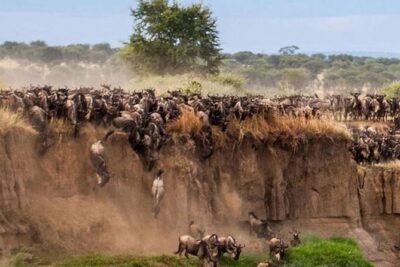
One consideration: if you’re not traveling during migration season, you still get great game viewing, but the famous wildebeest river crossings are not guaranteed. That matters because this itinerary is clearly best when timed for July through September, with migration returning between October and early November.
In This Review
- Key things you will love about this 3-day Mara safari
- Kisumu or Nairobi Pickup, Then the Rift Valley Road Trip to the Mara
- Day 1 in the Maasai Mara: Arrival Timing and the First Afternoon Game Drive
- Day 2: Sunrise and the Full-Day Game Drive in Maasai Mara
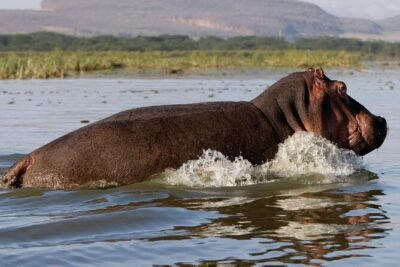
- Mara River Stop: Hippos, Crocs, and Why This River Is More Than a Photo Spot
- Lions, the Marsh Boys, and How to Think About Predator Watching
- Your Lodge, Meals, and the Meaning of “Luxury” on Safari
- Day 3: Maasai Village Visit Add-On and Ending the Safari the Right Way
- Price and Value: Is $2,230 USD per Person Worth It?
- Tips That Make a Big Difference During Mara Game Drives
- Who This Luxury Maasai Mara Safari Is Best For
- Should You Book This 3-Day Luxury Mara Safari?
- FAQ
- Where is pickup for this safari, and what time does it start?
- What is included in the price?
- Is the Maasai village visit included?
- How long is the safari, and how many nights are included?
- When is the best time to see the wildebeest migration?
- Is this tour private?
- What is the cancellation policy?
Key things you will love about this 3-day Mara safari
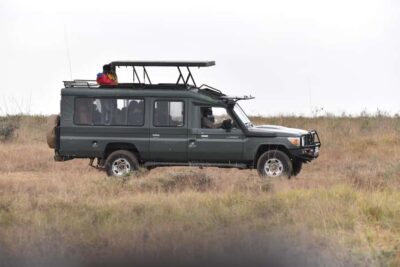
- Pop-up roof customized vehicle for better wildlife viewing and photos during drives
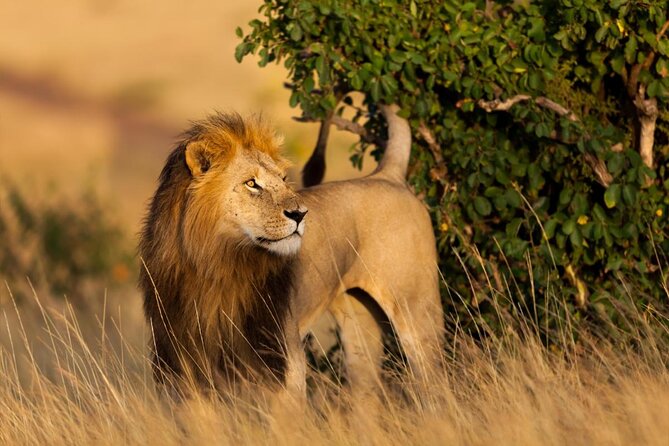
- Big-cat focus, including time aimed at lion prides led by six male lions called the Marsh Boys
- Early morning wildlife rhythm, with a sunrise start for maximum activity and light
- Mara River stop for hippos, crocodiles, and river biodiversity viewing time
- Luxury lodge comfort plus included meals so you are not constantly hunting for food
Other Mara operators, set against one another
Kisumu or Nairobi Pickup, Then the Rift Valley Road Trip to the Mara
You start with a 7:30 AM pickup, and the tour can begin from either Kisumu or Nairobi. That is helpful if you are already in Kenya and want to avoid complicated transfers on your own. Pickup and drop-off are included, which saves both time and hassle.
From the start, the vibe is practical: you are doing a long drive in a safari-focused vehicle, not bouncing around in regular city transport. As you head toward the Maasai Mara, you are traveling through the Rift Valley region, so expect scenery to shift from road life to open savannah once you get closer to the reserve.
If you care about wildlife photography, the ride matters. The vehicle is customized for game viewing, and that shows in the way you spend time on drives rather than constantly waiting around.
Day 1 in the Maasai Mara: Arrival Timing and the First Afternoon Game Drive
On day one, you land at the Maasai Mara National Reserve in time for lunch. That schedule is smart, because you avoid arriving too hungry and scrambling right into a long drive. After lunch, you head out for an afternoon game drive aimed at predators and the big mammals.
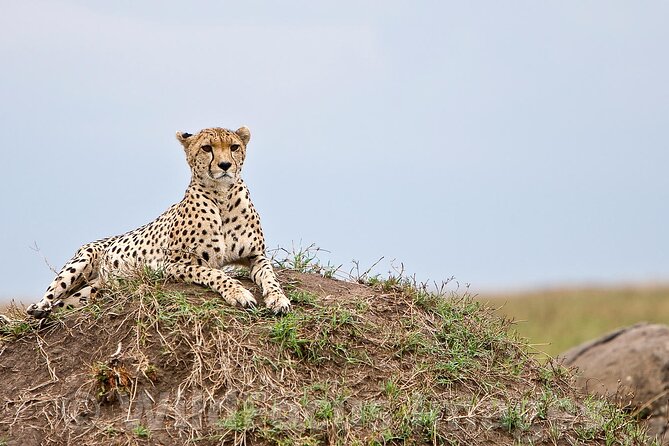
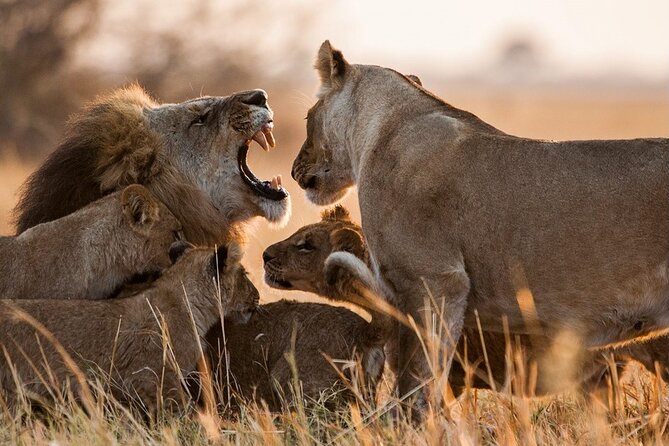
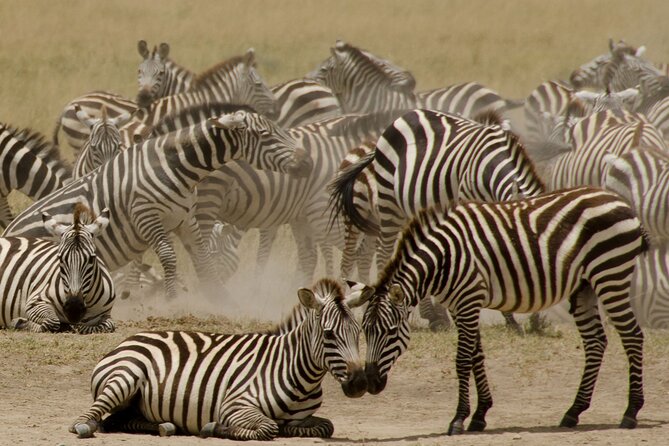
This is where the tour’s big five energy kicks in. You are looking for classic Mara species like elephants, cheetahs, and lions, and you also get time trying to spot the black maned lion (a key detail if big-cat hunting is your priority). Afternoon drives can be excellent for photography too, because the light is often warmer and shadows look great on acacia-lined plains.
One of my favorite parts of this type of first-day setup is that you are not forced to cram everything in. You drive, you see what the Mara is offering that day, then you return to your lodge/camp for dinner and overnight.
Day 2: Sunrise and the Full-Day Game Drive in Maasai Mara
Day two is your main wildlife day. You wake up early for sunrise, then after breakfast you get a full day of game drives across the reserve’s grassland and acacia country. This matters because animals do not stick to a single timetable. If you only arrive late morning, you miss some of the best movement.
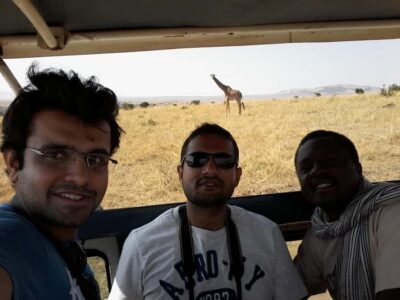
The vehicle is designed for viewing, with a pop-up roof that helps you scan for motion and keep a steadier shot. It also makes it easier to stay engaged without always lowering and raising your camera while you search.
During the day, you cover both the open terrain and the signature flat-topped acacia areas that define the Mara. The itinerary also includes a visit to the Mara River area where you can view hippos and crocodiles, plus you get an extra dose of migration potential when timing lines up with July through October.
If the timing is right, this is the day you want to be most patient. Migration viewing is not instant. It is about being in the right place at the right time, then keeping your eyes open as herds move, pause, and surge.
Mara River Stop: Hippos, Crocs, and Why This River Is More Than a Photo Spot
One of the best ways to understand the Maasai Mara is to spend time where animals drink and gather, and that is exactly what the Mara River stop provides. On day two you visit the Mara River for about one hour.
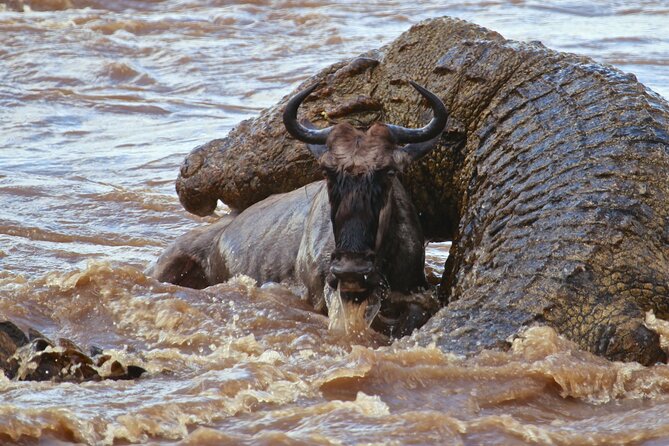
Yes, it is famous for predators and for the tension around crossings. The river is described as crocodile-infested, and you are also looking for hippos along the banks. Watching animals at the waterline has a different feel than scanning from a distance in open grass. Everything looks closer, louder, and more urgent.
What I also appreciate here is the extra ecological context. The Mara River basin is home to many freshwater species, including waterbirds and freshwater-associated birds, plus fish, amphibians, and more. Even if you do not memorize species lists, it helps you understand why this river corridor stays so busy. It is not just a scenic river, it is a living system that keeps animals cycling through.
Practical tip: bring a small cloth or lens wipes for your camera. River air and heat can push dust and moisture onto gear, and it is easy to miss a shot while you are cleaning at the wrong moment.
Other Kenya bookings that survived the same scrutiny
Lions, the Marsh Boys, and How to Think About Predator Watching
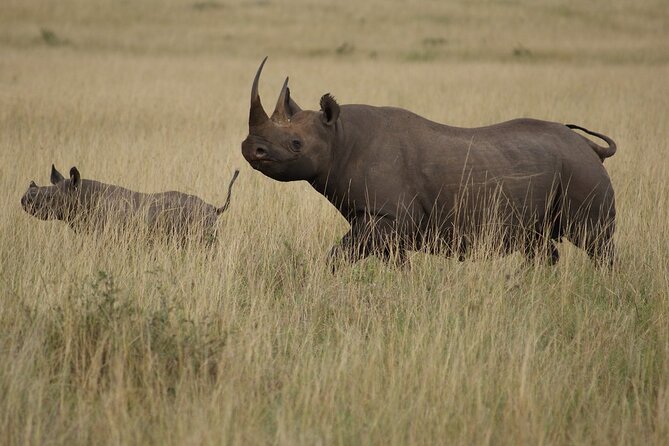
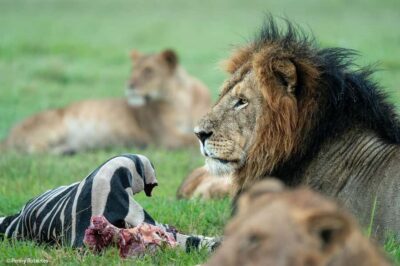
This safari leans into lion territory, literally and emotionally. The plan highlights a particular lion pride style, led by six male lions known as the Marsh Boys. Even if you never lock onto one pride for long, the focus tells you how the drives are intended to feel: more stalking of opportunities, less random driving.
Predator watching has a rhythm. Lions do not always move, and sometimes they look like they are lounging through the entire universe. So your best strategy is to treat each drive as a set of short hunts. When you stop, take the few minutes to understand what the pride is doing, not just what you want it to do.
If you’re the type who gets frustrated when sightings are not instant, this tour is still a good fit because it builds in multiple drive blocks. You are not banking everything on one magical moment.
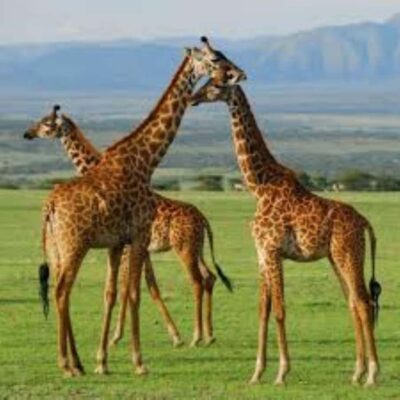
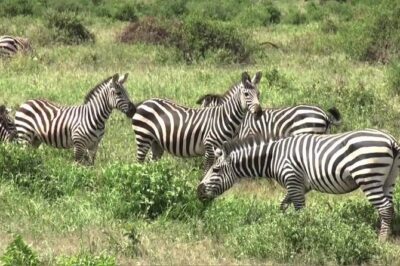
Also, because you are in a reserve built around big wildlife densities, you are more likely to rack up varied sightings. You will likely see elephants, cheetahs, and many other animals in addition to the predator emphasis.
Your Lodge, Meals, and the Meaning of “Luxury” on Safari
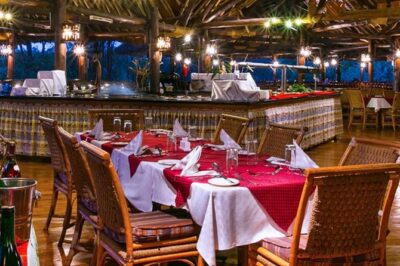
Accommodation is included as a safari lodge, and meals are fully covered: two lunches, two dinners, and two breakfasts. That is one of those details that changes the whole trip experience. When food is handled, you spend less time organizing and more time watching.
Luxury on safari usually means two things: comfort after a long day, and less stress during the day. A safari lodge helps with the first part. The included meals handle the second. You also get scheduled return time for dinner and overnight, instead of trying to manage logistics late in the evening.
What you should not expect, though, is hotel-style predictability. Safari comfort is real, but you still live by bush timing. Power might be limited at some lodges, and mornings start early. That is normal. Pack for early starts, and you will feel more relaxed.
If you like good rest, bring earplugs. Sometimes animals are active around camp. Even if you do not see them, you may hear them, and it can affect sleep.
Day 3: Maasai Village Visit Add-On and Ending the Safari the Right Way
On day three you head out after breakfast with an optional stop for a Maasai village visit. This part costs $25 USD per person, and it is specifically not included in the base price. The experience is described as interactive, with villagers singing and dancing, using songs and dances that are hundreds of years old.
If you want culture that is active rather than just performative, this is the right idea. You are not only observing. You are meant to participate, including dancing and jumping along if you feel comfortable doing so.
One smart consideration: decide ahead of time how you want to approach it. If you treat the village as a quick photo stop, you might miss what makes it meaningful. If you go in curious, ready to interact politely, you tend to get a better experience.
After the village visit, the day wraps up with return to your pickup location in the evening. That makes the trip easier if you plan to travel onward the same day or the next morning.
Price and Value: Is $2,230 USD per Person Worth It?
At $2,230.00 per person, this safari is a serious splurge. So let’s talk value the practical way.
First, the big-ticket costs on a safari usually come from park access, guiding, and the transport setup. Here, the itinerary includes all fees and taxes, plus pickup and drop-off from Kisumu or Nairobi. You also get a customized safari vehicle with a pop-up roof, which is not a small upgrade. It directly affects your viewing and photo comfort.
Second, the price includes your accommodations and meals for the two nights. If you have ever tried to combine private lodges with self-arranged safari drives, you know how fast expenses stack up. This pricing folds many of those separate costs into one plan.
Third, the tour is private for your group, while still mentioning group discounts and a mobile ticket. That blend is useful because it suggests you get a more tailored feel without the chaos of mixing into random groups all the time.
So when does the price feel most justified? When you want maximum time on the road in the Mara, not chasing logistics, and when you care about predator-focused game drives. This safari is built for that.
When might it feel less worth it? If you are only chasing a specific migration event and your dates miss the migration window, you might feel like you paid for the wrong season. The rest of the safari is still strong, but the best spectacle depends on timing.
Tips That Make a Big Difference During Mara Game Drives
You do not need fancy tricks to enjoy the Mara, but a few basics help a lot.
1) Dress for heat and early mornings
Layers work. Sunrise can feel cooler, then you bake later. Comfortable pants matter for getting in and out of the vehicle.
2) Bring a camera strap you can trust
Game drives mean constant repositioning. A secure strap saves you from the common safari panic of dropping a lens or struggling with gear.
3) Be ready for long sighting windows
Predators and big herbivores can sit, move, and pause for long periods. If you always check your phone, you will lose the best action.
4) Use your first stop day one as a scouting trip
That first afternoon drive helps you learn how the reserve looks, where to stand, and how animal movement tends to show up. Then day two becomes your real hunting day.
5) Plan the Maasai village visit thoughtfully
Because it costs extra, decide in advance if you want it. If you do, bring a respectful attitude and be ready to interact.
Who This Luxury Maasai Mara Safari Is Best For
This tour fits best if you want a well-paced safari with real wildlife time. It is a good match for couples and small groups who value comfort after drives and want pickup options from either Kisumu or Nairobi.
It also suits photographers, especially those who care about vehicle viewing height and steady sightlines. The pop-up roof is a practical upgrade that helps more than it looks like.
The tour notes moderate physical fitness level. That usually means you do not need extreme hiking ability, but you should expect you will stand, walk short distances, and handle long days in a vehicle.
Should You Book This 3-Day Luxury Mara Safari?
I would book this if two things are true: you want a predator-focused Maasai Mara experience, and you care about maximizing drive time with minimal stress. The included meals, lodge stay, park fees, and pop-up roof vehicle make it feel like a single smooth plan rather than a patchwork of bookings.
I would pause and reconsider if your dates are outside the migration window and you are mainly traveling for wildebeest river crossings. You can still have an amazing safari, but the signature spectacle depends on timing, and the itinerary is clearly designed with migration season in mind.
If you book, pick your travel dates carefully and think of day one as scouting, day two as your big game day, and day three as your culture and wrap-up day.
FAQ
Where is pickup for this safari, and what time does it start?
Pickup can start from Kisumu or Nairobi, with a meeting time of 7:30 AM.
What is included in the price?
The included items are pickup and drop-off, all transportation in a customized safari vehicle with a pop-up roof, accommodation in a safari lodge, all fees and taxes, and meals including two lunches, two dinners, and two breakfasts.
Is the Maasai village visit included?
No. The Maasai village visit costs 25 USD per person and is listed as not included.
How long is the safari, and how many nights are included?
The tour is 3 days (approximately) with 2 nights.
When is the best time to see the wildebeest migration?
The migration is best between July to September, and it returns between October and early November each year.
Is this tour private?
Yes. It is described as private, meaning only your group participates.
What is the cancellation policy?
You can cancel up to 6 days in advance for a full refund. If you cancel 2 to 6 days before, you get a 50% refund, and if you cancel less than 2 days before, it is not refunded.
More VIP in Kenya
More Tour Reviews in Kenya
Into the Mara Another Way
Everything else we hold on Kenya
- Shimba hills tropical rain forest day trip★ 4.6 · 3 reviews
- From Nairobi: Day Tour to Mount Longonot (Private)★ 4.6 · 3 reviews
- 4 Days wildebeest lake nakuru masai mara safari★ 5.0 · 3 reviews
- From Nairobi: Masai Mara 3-day Camping Safari by Jeep★ 4.0 · 3 reviews
- 12 Days wildebeest migration Masai Mara Nakuru Uganda gorilla trekking safari★ 4.5 · 3 reviews
- 12 Days Samburu Ol-pejeta lake Nakuru Masai Mara lake Naivasha Amboseli safari★ 5.0 · 3 reviews
Maasai Mara Safaris, compared.
 ★ 5.03 Days Masai Mara Group JoiningFrom $540486 reviews
 ★ 4.5From Nairobi: 3 Days, 2 Nights Maasai Mara Group SafariFrom $199394 reviews
 ★ 5.05 Days Masai Mara, Lake Nakuru & Naivasha Budget Joining SafariFrom $810229 reviews
 ★ 5.03 Days Gamedrive Safari In Masai Mara From NairobiFrom $555207 reviews
 ★ 4.6From Nairobi: 3 – Days Maasai Mara Group Safari by 4WDFrom $240205 reviews
 ★ 4.53 Days Maasai Mara Guided Safari from NairobiFrom $196195 reviews
 ★ 5.03 Day Masai Mara SafariFrom $929177 reviews
 ★ 5.03 days group joining safari to Maasai Mara with a Land Cruiser JeepFrom $221173 reviews
Appears in these lists