
REVIEW · MAASAI MARA SAFARIS
From Nairobi: 3 – Days Maasai Mara Group Safari by 4WD
Maasai Mara in three days hits hard. You get two game drives with a strong focus on big cats, plus the ride includes a Rift Valley viewpoint to break up the long transfer. The other thing I really like is how the schedule builds in time to scan for wildlife without turning it into a sprint, with a sunset game drive designed for higher odds of seeing lions and leopards. The one thing to watch is the total cost, since park fees are not included and can substantially change the real price.
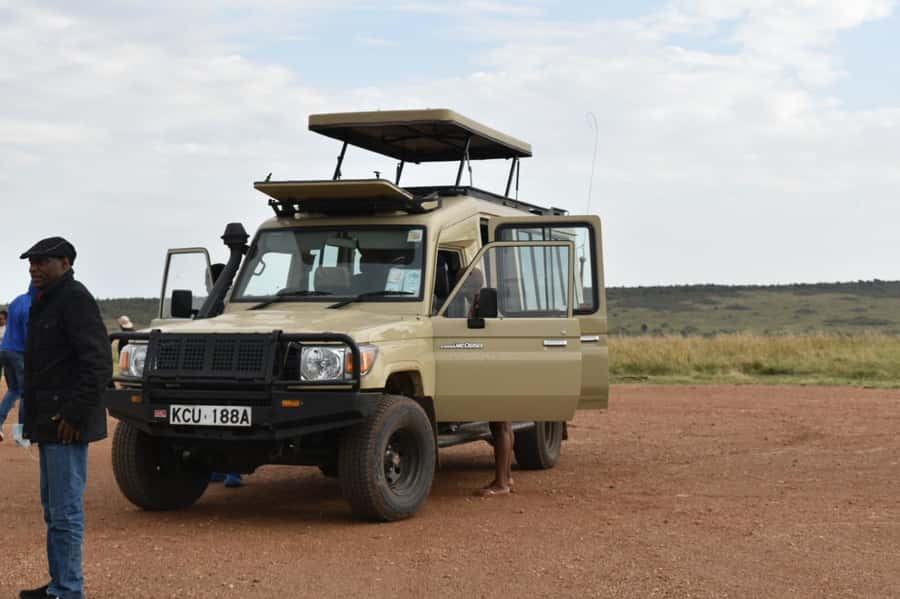
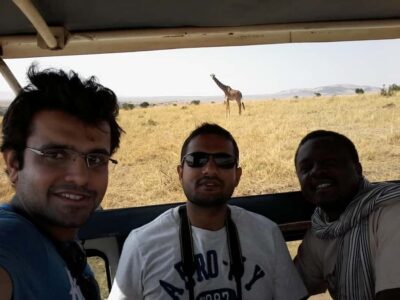
On the ground, I like that you’re traveling in a 4×4 Land Cruiser with a pop-up roof for better viewing and photos. And many guides on this route are praised for staying on the radio and tracking animals efficiently, with names like Kush, Paul, James, and Richard coming up for strong spotting skills. Still, as with any budget safari, the camp is basic, so you should go in expecting clean and practical rather than luxury.
In This Review
- Key things to know before you go
- Nairobi to Maasai Mara, with the Great Rift Valley viewpoint stop
- Sunset game drive: why that first night is a big deal
- Rhino Tourist Camp, or similar: basic camping that focuses on function
- Day 2 full-day game viewing in Maasai Mara, with that Croton tree picnic
- Great Migration timing: June to November and the predator chase
- Day 3: return to Nairobi, plus the Maasai village optional stop
- Price reality check: $240 sounds good, then park fees enter the math
- Getting the most out of a group 4WD safari: seats, photos, and comfort
- Who should book this Maasai Mara 3-day safari?
- Should you book this 3-day Maasai Mara group safari?
- FAQ
- What’s included in the safari price?
- How many game drives do I get?
- Do I need to pay Maasai Mara park fees separately?
- What type of accommodation is provided?
- Is the Maasai village visit included?
- Is a balloon safari available, and how much does it cost?
Key things to know before you go
- Sunset game drive is timed to improve your odds for lions and leopards.
- 4WD pop-up roof makes it easier to shoot photos without fighting for position.
- Rhino Tourist Camp or similar keeps lodging simple but typically clean.
- Picnic lunch inside the reserve, served under Croton tree shade.
- Great Migration window can be jaw-dropping from about June to November.
- Maasai village is optional, usually paid onsite, and not everyone loves the experience.
Other Mara operators, set against one another
Nairobi to Maasai Mara, with the Great Rift Valley viewpoint stop
Your day starts with a hotel pickup in Nairobi, typically within the city center or Westlands. Then it is a long road day to Maasai Mara, using the Great Rift Valley route. The big travel win here is the viewpoint stop: you get a real sense of how huge the Rift Valley floor is before you even reach the reserve. It makes the rest of the trip feel less like just “getting there” and more like building toward the safari.
The drive also matters for comfort and expectations. This is a group 4×4 safari, so you are not in an airport-style transport bubble. Expect a bumpy ride at times because roads can be rough in parts of Kenya. If you want the best game-view angles during the drives, keep your camera ready and try to snag the best seat you can when you board.
Sunset game drive: why that first night is a big deal
The first safari session is a sunset game drive right after you settle in for the evening. That timing is not random. Predators tend to be more active around low light, and animals often shift their movement patterns as the day cools down. So even though it is only one evening drive on this itinerary, it is strategically planned to improve your chances for big cats.
I also like how this approach fits photographers. Low light can be tricky, but the pop-up roof and the ability to position the jeep for sightings can make the difference between a blurry memory and a usable shot. Just remember that animals do not follow schedules, so sometimes you get a jackpot of lions, leopards, or cheetahs, and sometimes you get more of the “supporting cast” like zebra, giraffe, buffalo, and elephants. The best guides handle that reality by keeping you moving to the next likely sighting fast, without rushing the viewing once you’re there.
One more practical point: you will pay park fees for your time in the reserve, and some people feel that the first sunset drive alone might not justify the cost if you are extremely budget-tight. If that is you, treat the sunset drive as bonus value, not the “main event.”
Rhino Tourist Camp, or similar: basic camping that focuses on function
Your first night is in Rhino Tourist Camp or similar, with two nights total in budget tented accommodation. Reviews commonly describe it as basic but clean, with food that is solid for the price. In at least a few cases, guests reported more comfort than they expected, like tented units with running water rather than just the barest setup.
Here’s how to set expectations so you enjoy it. This is not the kind of lodge where you’ll spend your evening lounging with a drink and a view from a veranda. The camp is about sleeping, showering in whatever way is available, eating well, and getting rested for the next game drive.
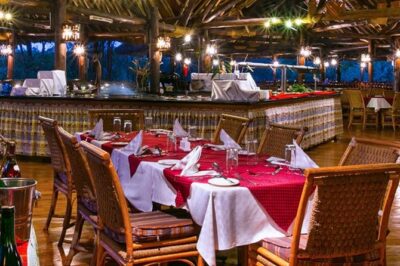
The dinner setup is also part of the rhythm. You typically return for dinner after the evening drive, often described as a buffet style meal. Then you wake up early-ish for the next day, when the whole point is to cover more ground and scan more thoroughly.
Day 2 full-day game viewing in Maasai Mara, with that Croton tree picnic
Day two is the big one: a full day of game viewing in Maasai Mara National Reserve. This is when the guide’s skill really shows. Many guides mentioned on this route are praised for spotting animals early and steering the jeep to the best angles for viewing and photos. You may hear how guides use radio communication to coordinate locations, and the best ones also understand animal behavior well enough to predict where things will shift next.
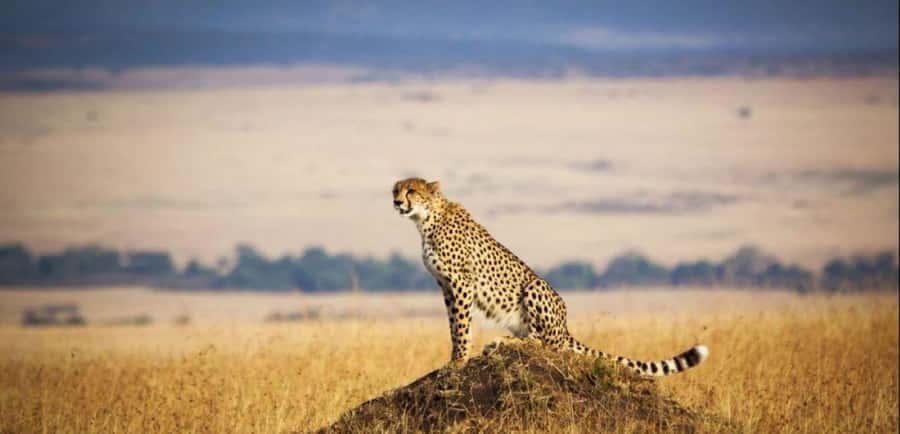
Lunch is not just another meal stop. You get a picnic lunch in the reserve under Croton tree shade, looking out over the open savanna. That little detail matters more than it sounds. Being out in the reserve instead of constantly returning to camp helps you keep your momentum and reduces time lost to travel. It also gives you a moment where you can actually watch the ecosystem instead of just moving between sightings.
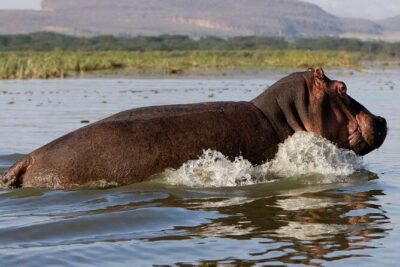
In practice, you can expect a mix of large animals and predators. The itinerary explicitly points to big game such as buffalo, elephants, zebra, and rhinos, plus hippos and Nile crocodiles. You’re also likely to see plenty of giraffe, wildebeest, and other savanna residents depending on where the herds and water sources are that day.
A quick reality check: seeing all “big” animals in one trip is never guaranteed. Even strong guides can’t force a leopard to show up. Still, the guides who come recommended, like Paul, Charles, Daniel, Alex, and Felix in reports, share one theme: they work hard to reposition for chances, and they manage wildlife viewing with care so you’re not just chasing the next vehicle.
Other Nairobi bookings that survived the same scrutiny
Great Migration timing: June to November and the predator chase
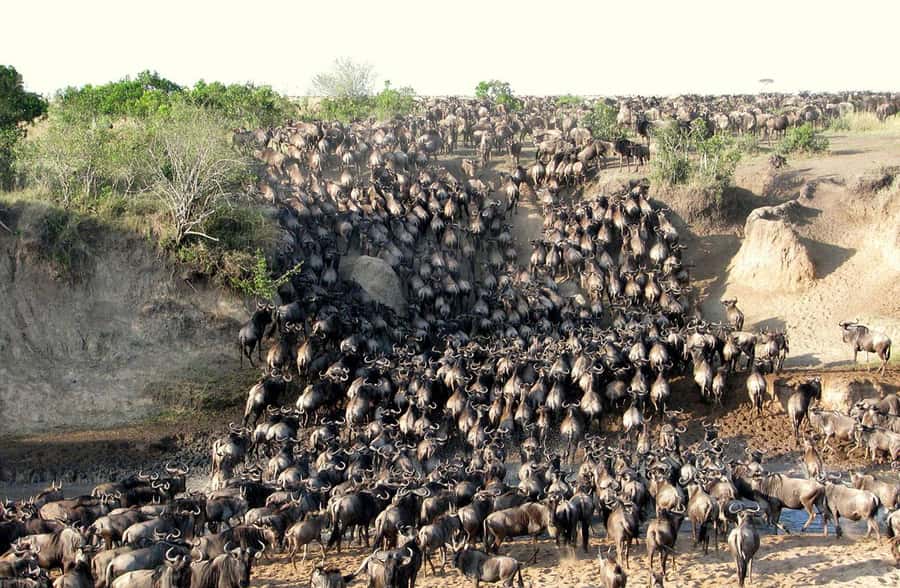
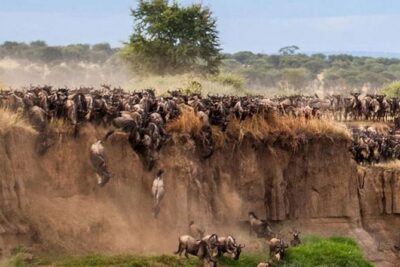
Maasai Mara is famous because it sits in the path of the Great Migration, and this itinerary includes time that can align with that event. The ideal window noted for the migration is around June to November. During that time, millions of wildebeest and zebra move, and where they move, predators follow.
What I like about how this is presented to you is the cause-and-effect. You are not just told to “watch herds.” You are also directed to look for the predators that exploit the movement: lions, cheetahs, jackals, hyenas, and vultures. That makes the safari feel more like understanding what you’re seeing rather than just ticking off animals.
If you are visiting outside the migration window, the park can still be great. The key difference is that you might see more scattered wildlife patterns rather than massive river-crossing style moments. Either way, a good guide will focus on water, grass, and animal routes, then set you up for sightings as they happen.
Day 3: return to Nairobi, plus the Maasai village optional stop
After breakfast, you head back to Nairobi. Arrival in the city is around mid-afternoon depending on traffic, and you’ll be dropped within the city center or Westlands area. That final day is mostly about letting your eyes rest after two heavy safari days, then getting you home without drama.
On the way, you can optionally stop at a Maasai village. The cost is listed as paid onsite, roughly $20. I’d treat this as a cultural add-on, not a core wildlife mission. In the reports included here, the Maasai village experience is described as mixed. Some people love meeting local families and hearing about daily life. Others feel it can be overly sales-driven, so it helps to go with a flexible mindset and decide on the spot whether the visit feels respectful and worth your money.
Price reality check: $240 sounds good, then park fees enter the math
On paper, this safari starts at $240 per person for three days, including lodging, meals, and two game drives plus transfers. That is the big reason budget travelers like this format. You are not trying to manage transport, food, and guiding separately.
But Maasai Mara park fees are the swing factor. You pay park fees separately, and the amounts depend on the season. The data you have here shows:
- About $100 per person per day for January to June
- About $200 per person per day for July to October
And because the itinerary spends two days in the reserve for game viewing, that puts the typical park fee portion around $200 per person for the lower-fee season, or $400 per person during the higher-fee stretch.
So what is the real value? If you add fees, your total spend climbs fast. That said, you still benefit from what’s packaged: 4WD transport, two nights of tented accommodation, and all meals plus guiding during the drives. If your goal is to see Maasai Mara on a limited budget, this can be a smart entry point. If your budget is tight enough that an extra hundred or two ruins the trip, then you need to treat the park fee as a non-negotiable line item and decide based on total cost, not just the starting price.
Also note one more cost lever: if you want a single tent setup, there is a $30 supplement for the two nights. If you can share, the per-person math gets friendlier.
Getting the most out of a group 4WD safari: seats, photos, and comfort
This safari uses a 4×4 Land Cruiser with a pop-up roof for better viewing and photography. That matters because Maasai Mara sightings can be close and fast. When you can shoot from a stable height, your keeper rate improves.
A practical tip that comes from guest experiences: if you are traveling solo, ask about seating preferences when the jeep is ready. One solo traveler reported sitting in the front the whole time, which can mean better sightlines and a smoother view for photos. If you can stand in the passenger area or look out through the front hatch while driving, you will likely get cleaner angles than people boxed in on the sides.
Comfort-wise, bring layers. Even in daytime, mornings and evenings in open savanna can feel cooler than you expect. Also, you’ll be in a vehicle for long stretches. Keep essentials in reach: phone battery pack, camera straps, a hat, sunscreen, and water.
One small but important “bring-your-own” area: toiletries. In one report, guests said the camp experience includes only minimal soap, so you should pack your own basics. Think toothbrush, small face wash, and any skincare you rely on, especially if you hate using whatever is at hand.
Who should book this Maasai Mara 3-day safari?
This trip is a strong fit if you:
- Want the Maasai Mara experience without paying premium lodge prices
- Like group travel that still centers on wildlife and schedule flow
- Are okay with basic tented accommodation in exchange for game drive time
- Want cultural optional value with the Maasai village stop, at extra onsite cost
It is also a fair option for solo travelers because the itinerary and group jeep setup can still feel social. One solo traveler mentioned the front seat advantage, and multiple guides were praised for being patient and helpful.
It may not fit you if:
- You want top-tier comfort and private luxury lodging
- You are highly sensitive to paying extra for park fees
- You are traveling if you are pregnant, since the tour is marked as not suitable for pregnant women
Should you book this 3-day Maasai Mara group safari?
Yes, if your priority is seeing Maasai Mara in a practical, budget-aware way. This is one of those trips where the package does the heavy lifting: transport, guiding, meals, and two meaningful game drive sessions. You are paying for access and time in the reserve, not for a fancy camp.
Before you book, do the math honestly. Add the park fees for your dates, and remember you can feel the difference on the first sunset drive if you expected that alone to justify everything. If you’re flexible, respectful with how you view animals, and ready for an early start, this is a great way to chase lions, elephants, zebra, and maybe rhinos, with the Great Migration as a bonus when timing is right.
If you want to maximize your odds, go in with patience, keep your camera ready, and choose a guide who gets you to the next sighting quickly. This route’s best guides, the ones mentioned again and again, shine at exactly that.
FAQ
What’s included in the safari price?
The price includes Nairobi hotel and airport pickup within the city center or Westlands area, two game drives in Maasai Mara, two nights in a budget-tented camp, two breakfasts, two lunches, two dinners, bottled water in the safari vehicle, and transportation in a 4×4 Land Cruiser with a pop-up roof. A live English-speaking tour guide is included.
How many game drives do I get?
You get 2 game drives in Maasai Mara. They are an evening game drive on day 1 and a full-day game drive on day 2.
Do I need to pay Maasai Mara park fees separately?
Yes. Maasai Mara park fees are not included. The data provided shows about $100 per person per day for January to June and about $200 per person per day for July to October.
What type of accommodation is provided?
You stay for 2 nights in a budget-tented camp such as Rhino Tourist Camp or similar. Expect simple, clean accommodation rather than luxury.
Is the Maasai village visit included?
It’s optional. Maasai village entry is paid onsite, with an approximate cost of about $20.
Is a balloon safari available, and how much does it cost?
Yes, it can be arranged during the tour. The balloon safari price listed is $600.
Other Kenyan Safaris We Rated

More Tour Reviews in Nairobi


Into the Mara Another Way
Everything else we hold on Nairobi
- 7 Days Private 4 star lodges Safari by LandCruiser from Nairobi★ 5.0 · 3 reviews
- 5 Days/4 Nights Kenya Safari★ 4.5 · 3 reviews
- Safari Park Hotel Show & Dinner Experience In Nairobi Tour★ 3.6 · 3 reviews
- Day safari to Olpejeta Rhino conservancy★ 5.0 · 3 reviews
- 7 Days Breathtaking Kenya Wildlife Private Safari★ 5.0 · 3 reviews
- Overnight Amboseli National Park Safari from Nairobi★ 5.0 · 3 reviews
Maasai Mara Safaris, compared.
 ★ 5.03 Days Masai Mara Group JoiningFrom $540486 reviews
 ★ 4.5From Nairobi: 3 Days, 2 Nights Maasai Mara Group SafariFrom $199394 reviews
 ★ 5.05 Days Masai Mara, Lake Nakuru & Naivasha Budget Joining SafariFrom $810229 reviews
 ★ 5.03 Days Gamedrive Safari In Masai Mara From NairobiFrom $555207 reviews
 ★ 4.53 Days Maasai Mara Guided Safari from NairobiFrom $196195 reviews
 ★ 5.03 Day Masai Mara SafariFrom $929177 reviews
 ★ 5.03 days group joining safari to Maasai Mara with a Land Cruiser JeepFrom $221173 reviews
 ★ 5.04 Days Safari Lake Nakuru NP Naivasha and Masai MaraFrom $1,961132 reviews
Appears in these lists